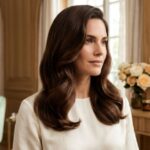
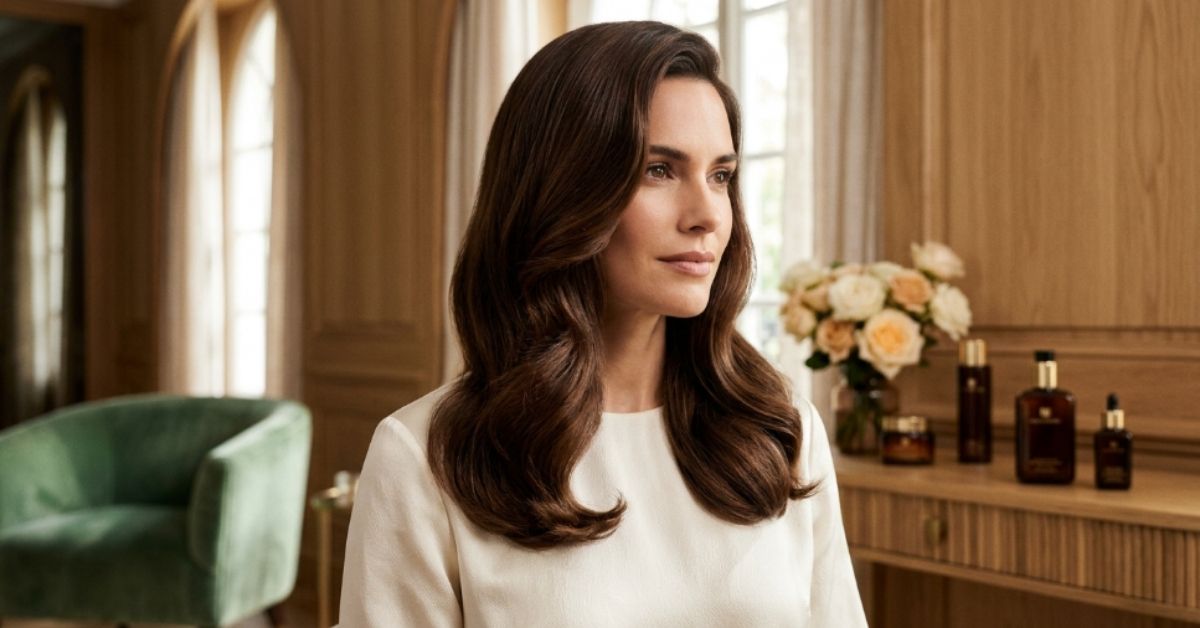
Few hair colouring techniques have earned the lasting popularity of balayage. It has moved from a niche French salon secret to one of the most requested colour services worldwide, and it shows no sign of slowing down. If you have ever admired a head of hair with soft, sun-kissed streaks that seem to grow out gracefully rather than leaving an obvious regrowth line, you were probably looking at balayage.
This guide breaks down everything you need to know: what balayage actually is, where it came from, the many styles it can be adapted into, why stylists and clients love it so much, what happens during an in-salon appointment, whether you can attempt it at home, and where to find a trusted colourist if you are based in Liverpool.
What is Balayage?
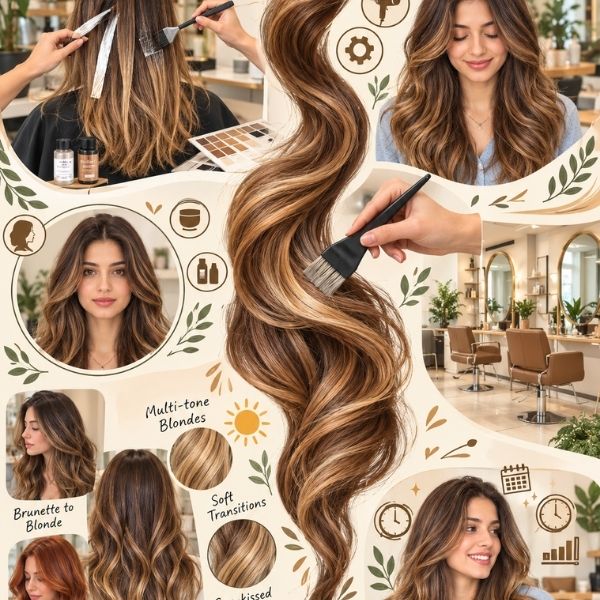
Balayage is a freehand hair colouring technique in which lightener or dye is painted directly onto the hair by hand, rather than sectioned off with foils or caps. The word itself comes from the French verb “balayer,” meaning “to sweep,” which describes the sweeping hand motion colourists use to apply the product.
Unlike traditional foil highlights, which create uniform strands of colour from root to tip, balayage is applied more heavily toward the mid-lengths and ends while staying softer near the roots. The result is a graduated, multi-tonal finish that mimics the way hair naturally lightens after time spent in the sun.
Because the technique is applied by eye rather than through a fixed sectioning pattern, no two balayage services look exactly alike. A skilled colourist customises the placement of light and dark tones based on your face shape, hair texture, natural colour and the finished look you are hoping to achieve. This is part of what gives balayage its reputation as more of an art form than a standard salon procedure.
Balayage also tends to be lower maintenance than classic highlights. Since the colour is concentrated away from the root, regrowth is far less noticeable, and most people can go three to four months between salon visits without an obvious grow-out line.
The History of Balayage
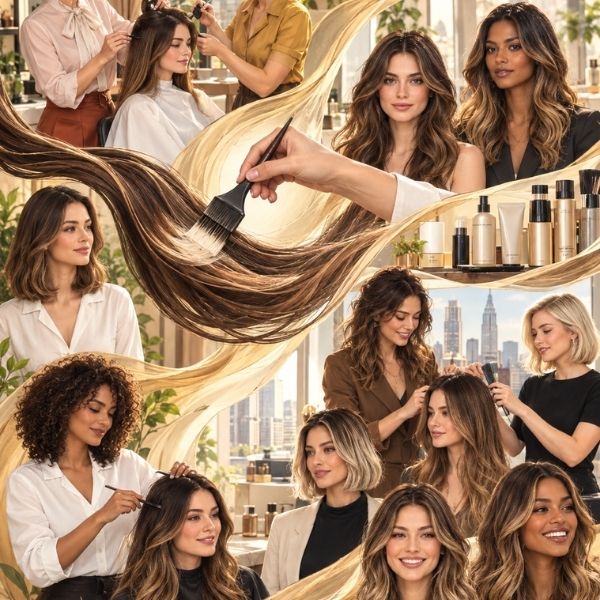
Balayage originated in France in the 1970s, developed by French colourists who wanted a softer alternative to the heavily foiled, high-contrast highlights that were popular at the time. Rather than relying on foil to separate strands, they experimented with hand-painting lightener directly onto sections of hair, creating a subtler, more natural gradient of colour.
The technique stayed largely confined to French salons for decades, prized for its understated elegance. It began gaining wider international recognition in the early 2000s as photos of French-inspired hair colour spread through fashion magazines and, later, social media.
The real turning point came in the 2010s, when balayage became a favourite among celebrity colourists in Los Angeles and New York. Public figures were regularly photographed with soft, dimensional highlights that looked effortless rather than salon-fresh, and the demand for that “lived-in” colour quickly filtered down to everyday clients. Since then, balayage has evolved well beyond its original blonde-on-brunette roots, expanding into the huge range of colour families and styles seen in salons today.
Different Types of Balayage
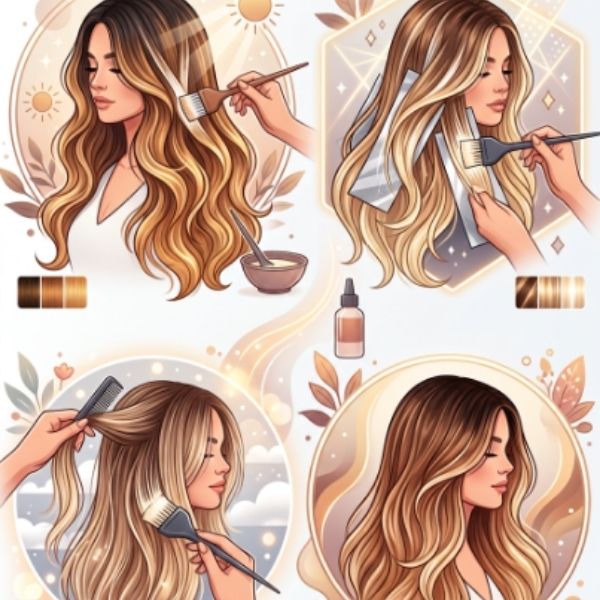
One of balayage’s biggest strengths is its flexibility. The core hand-painting technique can be adapted to almost any base colour, hair length or desired level of contrast. Below are some of the most popular variations.
Blonde Balayage
Blonde balayage is the classic, original take on the technique: soft golden or buttery streaks painted through the mid-lengths and ends of naturally blonde or light brown hair. It suits most skin tones because the shade can be adjusted warmer or cooler depending on your complexion, and it is one of the lowest-maintenance ways to brighten your overall look.
Brown/Brunette Balayage
Brunette balayage keeps the base a rich, natural brown while introducing lighter caramel or honey-toned pieces throughout. It adds depth and movement to dark hair without the commitment or upkeep of going fully blonde, and it photographs beautifully in natural light.
Caramel Balayage
Caramel balayage uses warm, golden-brown tones to create a cosy, sun-warmed effect. It works especially well on medium to dark brown bases and is a popular choice heading into autumn, when warmer hair colours tend to trend upward.
Reverse Balayage
Reverse balayage flips the usual approach: instead of lightening the hair, darker colour is painted through lighter or over-highlighted hair to add depth and tone down brassiness. It is often used to transition someone from an overly blonde look back toward a more natural, dimensional base.
Bronde Balayage
Bronde balayage sits directly between brown and blonde, blending the two so seamlessly that the finished colour reads as its own shade entirely. It is a favourite for people who want dimension without looking dramatically different from their natural colour.
Copper Balayage
Copper balayage introduces warm, reddish-orange tones for a vibrant, autumnal finish. It suits fair to medium skin tones with warm undertones particularly well and offers a striking alternative to traditional blonde or brunette looks.
Ash Blonde Balayage
Ash blonde balayage uses cool, muted tones with little to no golden or orange undertone, giving a smoky, almost silvery finish. It is a popular choice for cooler skin tones and for anyone wanting to avoid brassiness altogether.
Red Balayage
Red balayage weaves bold auburn, cherry or copper-red streaks through the hair for a statement look. It works on both light and dark bases and tends to require more frequent toning to keep the vibrancy fresh, since red pigments fade faster than most other shades.
Grey Balayage
Grey balayage, sometimes called silver balayage, blends soft grey or silver tones through the hair, either to embrace natural greying gracefully or to create a fashion-forward, ashy silver finish. It has become especially popular among people transitioning away from regular root touch-ups.
Dark Balayage
Dark balayage keeps the contrast subtle, using deep brown or near-black tones with only a hint of lighter colour woven through. It is ideal for anyone who wants the dimension of balayage without a dramatic change from their natural dark hair.
Light Balayage
Light balayage takes the opposite approach, lifting the hair to a noticeably brighter overall shade while still keeping the soft, hand-painted blend at the roots. It suits people who want a brighter, sunnier look overall rather than a few subtle accent pieces.
Short Balayage
Balayage is not reserved for long hair. On short cuts, colourists place fewer, more concentrated pieces around the face and through the ends to create dimension that stays visible even as the style is cut and reshaped over time.
Straight Balayage
On straight hair, balayage tends to look more graphic and defined, since there are fewer natural bends to soften the transition between tones. Colourists often adjust their painting technique slightly, using thinner, more precise sections to keep the blend looking soft rather than stripy.
Why is Balayage So Popular?
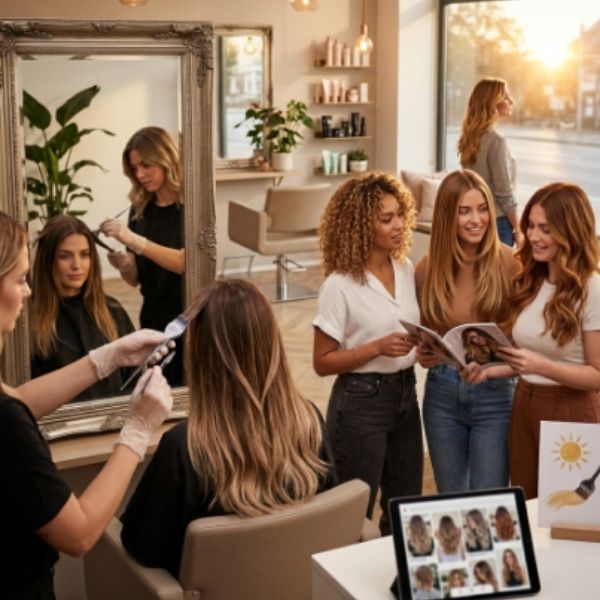
Balayage has held its place as one of the most requested colour services for good reason.
- Low maintenance regrowth: because colour is concentrated away from the root, there is no harsh line to touch up every few weeks.
- Natural, sun-kissed appearance: the graduated placement mimics how hair lightens naturally, so it rarely looks artificial.
- Highly customisable: every application is tailored by hand, so the finished result is unique to each client’s hair and features.
- Works on almost any hair colour, length or texture: from short bobs to waist-length hair, and from platinum blonde bases to the darkest brunette.
- Face-framing benefits: strategic placement of lighter pieces around the face can soften features and add a subtle contouring effect.
- Fewer chemical processes overall: because touch-ups are less frequent, hair generally experiences less cumulative damage compared with regular all-over colour or tight foil highlights.
In Salon Process of a Balayage Service
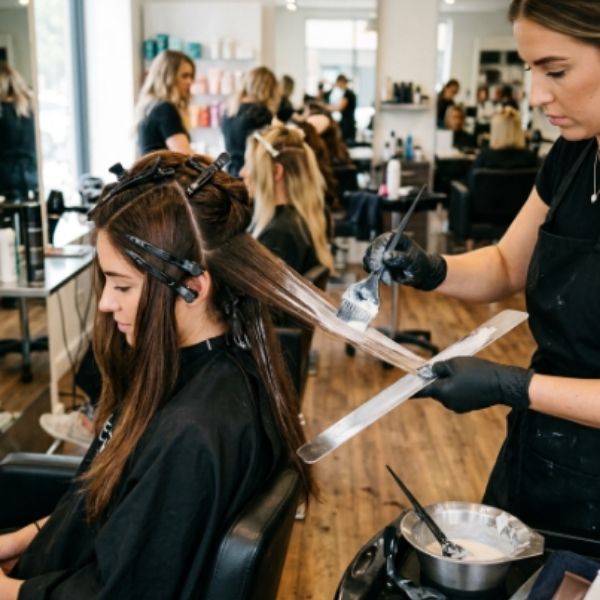
A professional balayage appointment typically follows a consistent sequence, though the details will vary depending on your hair’s starting point and your desired outcome.
- Consultation: your colourist examines your natural hair colour, condition and texture, and discusses the tone, placement and level of contrast you want.
- Strand test (if needed): for hair that has been previously coloured or chemically treated, a small test section may be lightened first to check how it reacts.
- Sectioning: hair is divided into workable sections, though not sealed in foil the way traditional highlights are.
- Hand-painting: lightener or colour is swept onto the hair using a brush or paddle, applied more heavily at the mid-lengths and ends and blended softly near the roots.
- Processing time: the colour is left to develop, generally between 20 and 45 minutes, depending on the level of lift required and your hair’s natural tone.
- Rinsing and toning: once lifted to the right shade, the lightener is rinsed out and a toner or glaze is applied to neutralise brassiness and refine the final colour.
- Conditioning treatment: a bond-building or deep conditioning treatment is often applied to restore moisture and strength after the lightening process.
- Cut and style: hair is dried and styled so you can see the finished dimension in movement, and any final trim is completed.
Most full balayage appointments take between two and four hours, depending on hair length, thickness and how much lightening is required.
How to Do a Balayage at Home: Instructions
Balayage is a technique best left to a trained colourist, particularly for anyone lightening hair for the first time, since uneven lightening or over-processing can be difficult to correct. That said, if you want to attempt a subtle, low-risk version at home, here is a general approach.
- Choose the right kit: use an at-home balayage or highlighting kit designed for hand-painting rather than a standard all-over dye box.
- Do a strand test first: apply the product to a small, hidden section of hair and check the result before committing to your whole head.
- Section your hair: divide it into four to six manageable sections and clip each one out of the way.
- Protect your skin and clothing: apply a barrier cream along your hairline and wear old clothing or a colouring cape.
- Paint in sweeping strokes: starting a few inches below the root, sweep the lightener onto small pieces of hair, applying it more heavily toward the ends.
- Keep placement soft: feather the product with a light hand near the roots so there is no harsh line once it grows out.
- Time it carefully: follow the product’s recommended processing time and check progress every few minutes rather than leaving it unattended.
- Rinse, tone and condition: wash out the lightener, apply a purple or toning shampoo if needed to manage brassiness, and follow with a deep conditioning treatment.
For anyone wanting bold lightening, a dramatic colour change or a first-time balayage, booking a professional is strongly recommended. A colourist can also correct uneven tones or patchiness that DIY attempts sometimes produce.
Where Can I Get Balayage in Liverpool?
Liverpool has a strong selection of salons offering professional balayage, ranging from independent studios to award-winning colour specialists. When choosing a salon, look for a colourist with specific balayage training and a portfolio of previous work, since the hand-painted nature of the technique means results can vary significantly between stylists.
A few things worth checking before you book:
- Portfolio and reviews: look through a salon’s before-and-after photos on their website or social media, and check recent client reviews.
- Consultation policy: reputable salons will offer a consultation, and often a patch test, before any lightening service.
- Specialisation: some Liverpool salons focus heavily on colour correction and creative balayage, while others are better suited to classic, low-maintenance looks.
- Pricing: balayage in Liverpool typically ranges from around £65 for a partial or half-head application to over £200 for a full head balayage with toner, cut and blow-dry, depending on hair length and salon.
Booking platforms such as Fresha, Treatwell and Booksy list availability, pricing and reviews for a wide range of Liverpool salons offering balayage, which makes it easy to compare options before committing to an appointment.
FAQ
How long does balayage last?
Balayage typically lasts three to four months before a touch-up is needed, since the soft, root-shielded placement grows out naturally without an obvious line.
Does balayage damage your hair?
Balayage can cause some dryness from the lightening process, but because fewer touch-ups are needed overall, it is generally gentler on hair than frequent all-over colour.
Is balayage the same as ombre?
No. Ombre is a two-tone gradient that transitions from dark roots to light ends, while balayage is a hand-painted technique with multiple blended tones throughout.
Can balayage be done on short hair?
Yes. Colourists simply adjust the placement, using fewer and more concentrated pieces around the face and ends to suit shorter lengths.
How much does balayage cost?
Prices vary by location and salon, but balayage generally costs between £65 and £250, depending on hair length, thickness and whether a toner or haircut is included.
Can I go from balayage back to my natural colour?
Yes, though it usually requires either growing the colour out gradually or having a colourist blend it back with a reverse balayage or all-over colour application.
Is balayage suitable for grey hair coverage?
Balayage can soften the appearance of greys by blending them with lighter pieces, but it is not designed to fully cover grey the way an all-over root colour service is.
Conclusion
Balayage has earned its place as one of the most versatile and enduring hair colouring techniques available, offering a natural, sun-kissed finish that suits virtually every hair colour, length and texture. Whether you are drawn to a subtle brunette balayage or a bold copper transformation, the technique’s hand-painted nature means the result can be tailored entirely to you. While a light DIY attempt is possible, working with a skilled colourist, whether that’s a specialist studio in Liverpool or a trusted salon elsewhere, remains the best way to achieve a smooth, professional-looking blend that grows out gracefully.
Charlotte Aiden is the founder and editor of FaxhionTips.com, where he shares practical insights on the latest haircut trends, hairstyles, grooming tips, and hair care advice. Passionate about modern style and easy-to-follow beauty guidance, Charlotte creates well-researched content to help readers choose the best haircuts and maintain healthy, stylish hair with confidence.