If you have been searching for a haircut that looks sharp for work and fresh on the weekends, the low taper fade haircut might be exactly what you need. It is one of the most searched men’s grooming styles right now, and for good reason. It works across hair types, face shapes, and cultural backgrounds. Whether you have tight coils, thick straight strands, or loose curls, this cut adapts to your natural texture without losing its clean, polished finish.
In this guide, you will find everything from trending styles and barber tips to styling products and maintenance routines. Let’s get into it.
What is a Low Taper Fade Haircut?
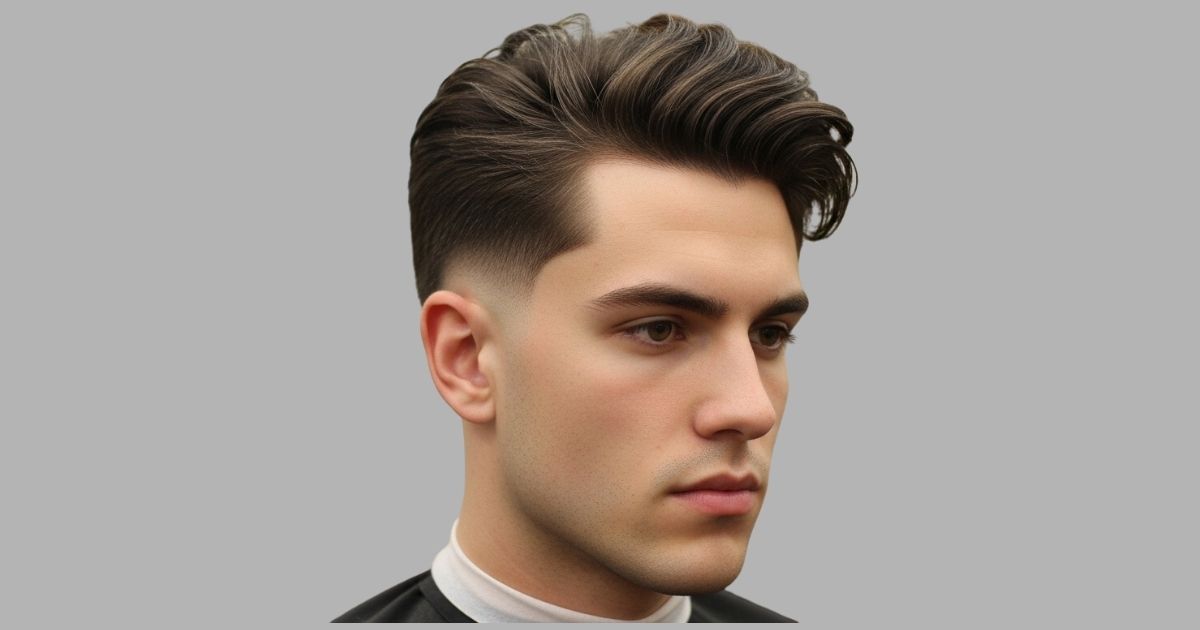
A low taper fade is a haircut where the hair gradually shortens as it moves from the top down toward the neckline, with the fade starting just above the ear. Unlike a high fade that begins near the temple, the low version keeps more hair on the sides, creating a subtle and natural-looking gradient.
The result is a clean, defined style that does not look too aggressive. It works equally well in professional settings and casual environments. Barbers typically use clipper guards in multiple sizes to create a smooth transition from longer hair at the crown to shorter lengths near the neckline.
Top 15 Trending Low Taper Fade Haircuts
Edgar Haircut Mexican Low Taper Fade
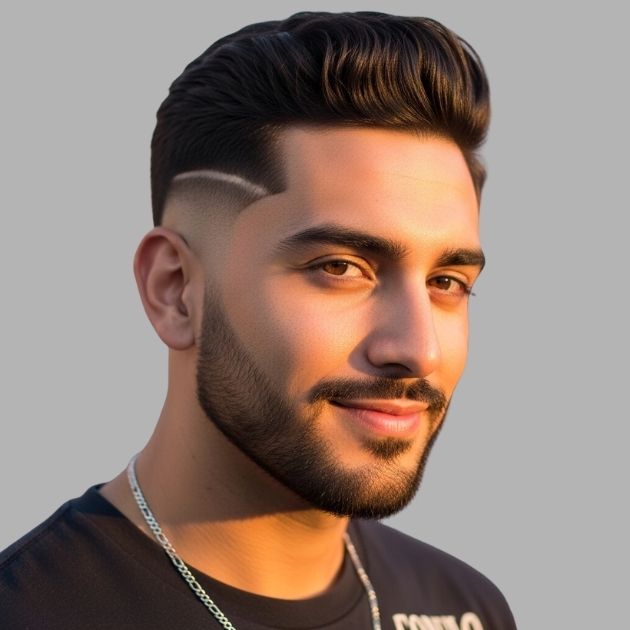
The Edgar cut paired with a low taper fade has become a signature street style. It features a blunt, straight fringe across the forehead with a clean fade that starts just above the ear. This combination is sharp, bold, and works best on thick, straight hair. It is especially popular in Hispanic and Latino communities and has spread globally through social media trends.
Low Taper Fade Textured Fringe Haircut
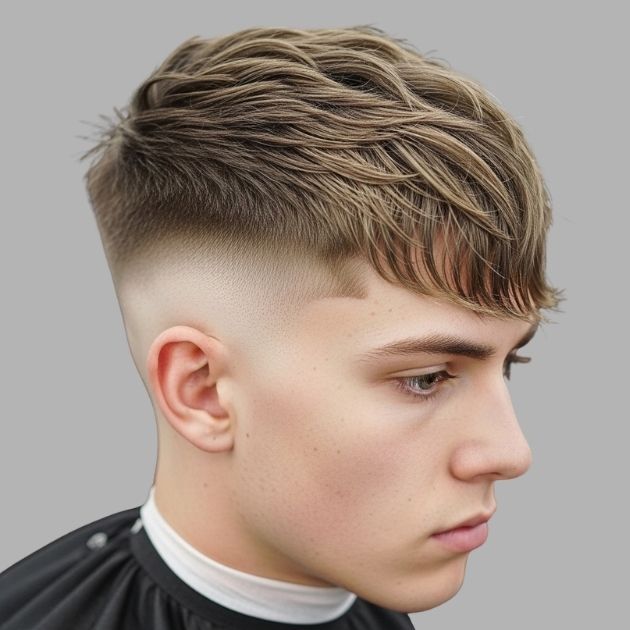
This style keeps the fringe longer and adds texture through point cutting or razor work. The low taper on the sides lets the textured top steal the show. It suits all hair types and pairs well with a light styling clay for a natural, matte finish.
Middle Part Low Taper Fade Haircut
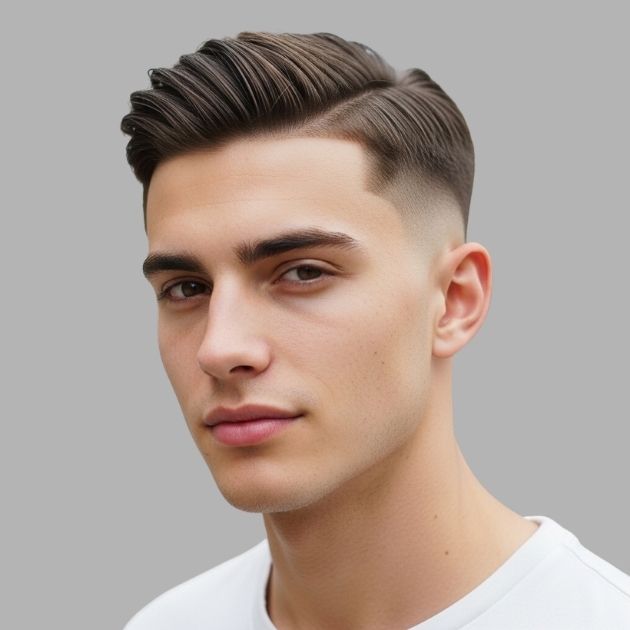
The middle part low taper fade creates a clean, symmetrical look that has surged in popularity. The hair is parted evenly down the center while the sides taper smoothly. It works especially well on oval and heart-shaped faces. Asian men in particular favor this style for its structured yet effortless aesthetic.
Low Taper Fade Haircut Curly Hair
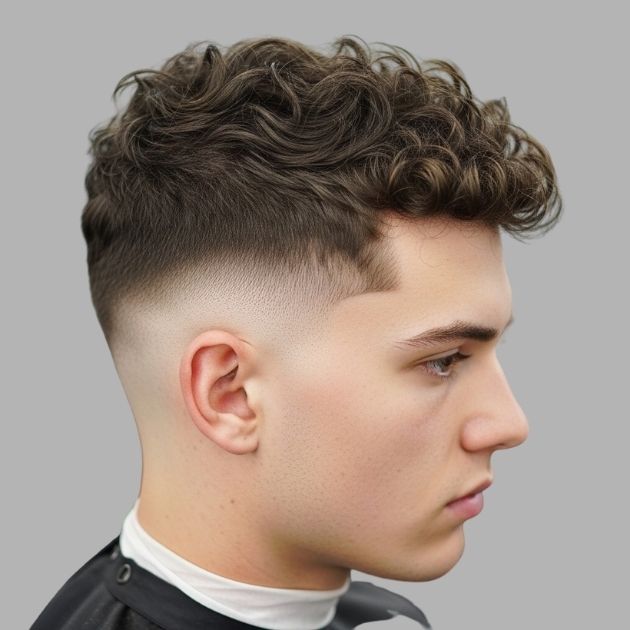
Curly hair and a low taper fade are a winning combination. The fade adds definition to the lower section while the natural curl pattern creates volume and texture on top. Barbers recommend leaving enough length on top so the curls can express their natural shape. A curl-enhancing cream helps define the pattern without weighing it down.
Low Taper Fade Haircut Fluffy Hair
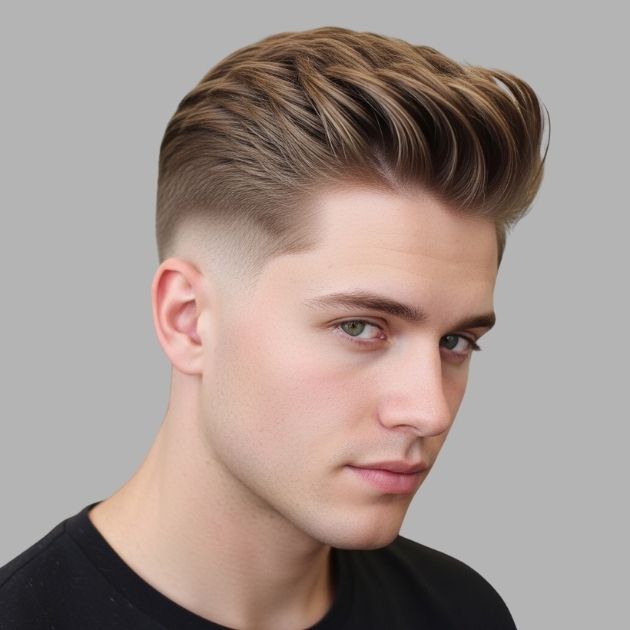
For men with naturally voluminous or thick hair, the fluffy low taper fade delivers an eye-catching contrast. The sides are kept tight and tapered while the top is blown out or diffused to maximize volume. This look is bold and playful, working great on both curly and straight textures.
Modern Low Taper Fade Haircut
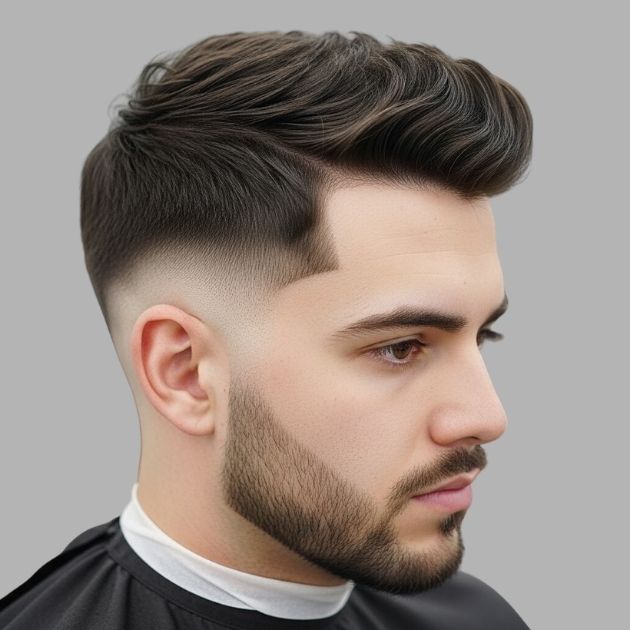
The modern version blends the classic taper fade with contemporary styling on top. Think slicked-back styles, blowouts, or even a disconnected undercut feel. This is the go-to when you want something clean but not too conservative. Pomade or styling cream on top completes the polished finish.
Low Taper Fade Haircut with Beard
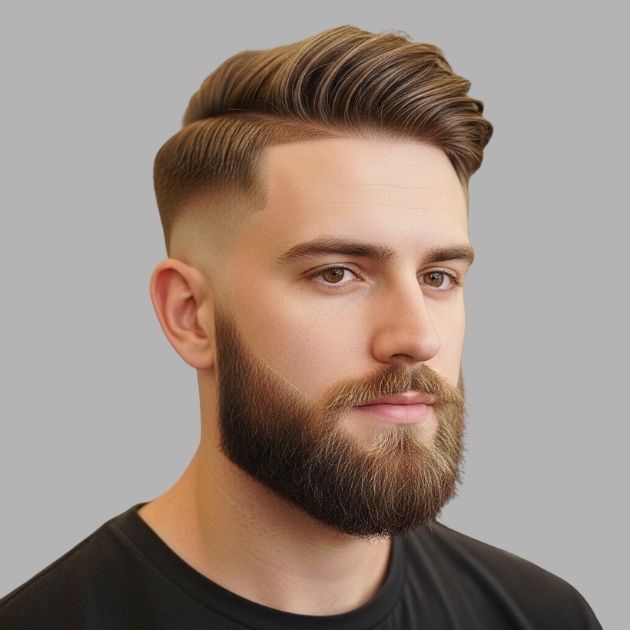
Pairing a low taper fade with a full or stubble beard creates a cohesive, mature look. The fade flows naturally into the beard line when done by a skilled barber, making the transition between hairline and facial hair seamless. This combination works exceptionally well on square and oval face shapes.
Low Taper Fade Waves Haircut
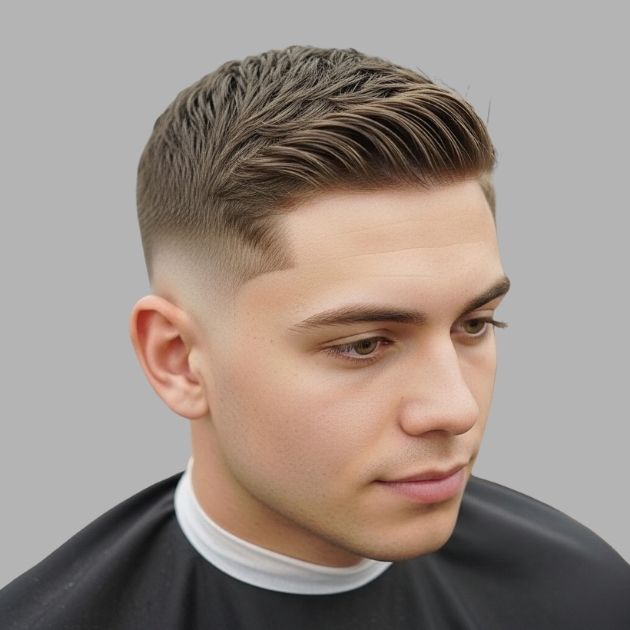
360 waves paired with a low taper fade is a timeless combination in Black barbering culture. The fade keeps the sides sharp while the wave pattern on top adds depth and dimension. Achieving this look requires consistent brushing with a wave brush, a durag, and a wave-enhancing moisturizer.
Why Choose a Low Taper Fade Haircut?
There are several practical reasons why this cut dominates barbershop request lists:
- It suits virtually every hair type, including coily, straight, wavy, and thick
- It looks clean in professional settings but stylish enough for casual outings
- It requires less frequent maintenance than high fades, typically lasting 2 to 3 weeks before needing a touch-up
- It complements most face shapes, from oval to square to round
- It pairs seamlessly with beards, natural curls, waves, and fringe styles
- It has deep cultural roots in Black barbering while also being embraced globally
The low taper fade is not a trend. It is a long-standing classic that reinvents itself each season while keeping its core structure intact.
Difference Between Low Taper Fade Haircut from Other Fades?
Understanding the difference helps you communicate more clearly with your barber:
| Fade Type | Starting Point | Contrast Level | Best For |
| Low Taper Fade | Just above the ear | Subtle | Daily wear, all face shapes |
| Mid Fade | At the temples | Moderate | Balanced, versatile looks |
| High Fade | Near the crown | Bold | Statement styles, angular faces |
| Skin Fade | Any starting point, goes to bare skin | Very High | Sharp, dramatic looks |
| Drop Fade | Curves behind the ear | Natural movement | Round faces, curly hair |
A regular taper, unlike a fade, does not go down to bare skin. It simply shortens hair gradually without the dramatic gradient that defines a fade.
Who Can Rock a Low Taper Fade Haircut?
The short answer is anyone. The longer answer depends on hair texture and personal style.
Global Low Taper Fade Styles:
- Black Men: The style has deep roots here. Low taper fades on afro hair, waves, and twists have been barbershop staples for decades.
- Asian Men: Thick, straight hair creates a clean and polished result. A middle part or textured top pairs especially well with the subtle gradient.
- Hispanic and Latino Men: The Edgar cut low taper fade and skin-tight fades with defined line-ups are especially popular.
- Curly Hair (All Backgrounds): The fade frames curls and adds structure without removing natural volume.
- Women and Non-Binary Individuals: Pixie-style tops, androgynous crops, and bold textures all work beautifully with a low taper.
Visual Guide to the Low Taper Fade Haircut
When communicating with your barber, use these reference points:
- Indicate where you want the fade to start (just above the ear is the standard for a low taper)
- Describe the top style you want (textured, slicked, curly, or fluffy)
- Specify the neckline finish (tapered, squared, or rounded)
- Bring reference photos to eliminate guesswork
The History of the Low Taper Fade
The taper fade has roots going back several decades. African American barbershops cultivated and refined the fade as a form of artistic expression and cultural identity, particularly through the 1970s and 1980s. By the 1990s, the low taper fade had become a staple in urban barbershop culture and was closely associated with hip-hop style and community pride.
As globalization spread through music, sports, and social media, the style crossed cultural borders. Athletes, musicians, and actors worldwide adopted versions of the low taper fade, cementing its status as a universal grooming standard rather than a regional trend. Today, Google search data shows a 240% increase in low taper fade searches since 2020, confirming it as one of the defining men’s haircut styles of the decade.
How to Find a Skilled Barber for Your Low Taper Fade
Getting the cut right starts before you sit in the chair. Here is how to find the right barber:
- Check portfolios on Instagram or Google to see actual fade work from local barbers
- Look for barbers who specialize in your hair type (coily, straight, curly)
- Read recent reviews focusing on consistency and attention to detail
- Ask for a consultation before committing, especially for your first time
- Trust barbers with clean, sharp edges in their sample photos because blending is the hardest part of a taper fade
Urban specialty barbershops and cultural barbershops often produce the cleanest fades because the staff has repeat experience with the same textures.
Barber’s Guide to Cutting a Low Taper Fade
For barbers looking to refine their technique, here is the professional approach:
- Trim the top first to the desired length using scissors or clippers with an appropriate guard
- Establish the taper line just above the ear using a clipper with a longer guard
- Work downward progressively, switching to shorter guards as you approach the neckline
- Use a blending technique moving the clipper in a scooping motion to avoid harsh lines
- Switch to a shorter guard to tighten the neckline, fading down to bare skin if a skin fade is requested
- Check blend from all angles using a handheld mirror before proceeding
- Edge up the perimeter with trimmers, creating clean lines around the sideburns, ears, and neckline
- Style the top using product the client prefers to complete the look
The key to a professional result is seamless blending. Avoid jumping too quickly between guard sizes.
How to Ask for a Low Taper Fade Haircut to Your Barber
Walking into a barbershop prepared makes the whole experience smoother. Use this script:
Say: “I want a low taper fade starting just above my ear, getting shorter toward the neckline. Keep the top at [length you want] and give me a [tapered/squared/rounded] neckline.”
Then add details about your top style:
- “Leave enough length for me to style with product.”
- “I want a textured finish on top.”
- “Give me a middle part.”
Bring a reference photo. Even experienced barbers appreciate a visual reference because it removes ambiguity about length and style.
How to Style a Low Taper Fade Haircut
Your styling approach depends on your hair type and the look you are going for:
- Curly hair: Apply a curl-enhancing cream or leave-in conditioner to damp hair, then scrunch and air dry or diffuse
- Straight or thick hair: Use a small amount of pomade or clay worked through dry hair for control and shape
- Wavy hair: A sea salt spray on damp hair adds natural texture and definition
- Volume-focused styles: Blow dry upward using a round brush, then lock with a lightweight styling cream
Styling Product Comparison:
| Product Type | Hold Level | Finish | Best For |
| Pomade | Medium-High | Shiny | Slicked back, comb overs |
| Matte Clay | Medium | Matte | Textured tops, natural looks |
| Curl Cream | Low-Medium | Natural | Curly hair definition |
| Sea Salt Spray | Low | Textured | Wavy, beachy styles |
| Styling Cream | Low-Medium | Natural | Everyday, lightweight control |
Maintenance Tips for a Low Taper Fade Haircut
Keeping your fade sharp between visits requires a few consistent habits:
- Visit the barber every 2 to 3 weeks to maintain the gradient and edges
- Use a precision trimmer between visits to clean up the neckline and sideburns
- Wash hair 2 to 3 times per week with a gentle shampoo suited to your hair type
- Moisturize the faded area with a lightweight, non-comedogenic moisturizer to prevent dryness
- Avoid heavy oil-based products that build up and dull the fade appearance
- Brush daily if you are growing waves to maintain pattern and shape
A well-maintained low taper fade always looks intentional. Overgrowth quickly softens the lines that make this cut stand out.
The Low Taper Fade Haircut in Pop Culture and Communities
The low taper fade has featured prominently in music, sports, and entertainment for decades. NBA players, NFL stars, and rappers helped bring the style into mainstream culture throughout the 1990s and 2000s. Today, it appears on red carpets, in K-pop music videos, in Mexican street fashion, and on TikTok grooming content with millions of views.
In Black communities, the barbershop itself carries cultural significance as a gathering place, and the low taper fade remains its most iconic product. In Asian communities, the rise of K-pop and J-pop aesthetics has driven demand for clean, structured fades with styled tops. In Latin communities, the Edgar cut low taper fade has become a generational symbol of identity and pride.
Low Taper Fade Haircut Trends
The style is evolving in several directions heading into the latter half of the decade:
- Textured crops with low fades remain the dominant trend across all hair types
- Middle part low taper fades are surging among younger men and Asian style communities
- Fade with beard combos are growing in popularity as men embrace full grooming routines
- Low skin fades on afro hair continue to dominate in Black barbering
- Drop fades with curly tops are trending among men with wavy and curly hair
What to Expect: Cost and Time for a Low Taper Fade
A standard low taper fade takes 30 to 45 minutes at a professional barbershop. Pricing varies by location:
- Budget barbershops: $20 to $35
- Mid-range shops: $35 to $55
- Premium or specialty barbers: $55 to $80 or more
Industry data suggests the average tip for a fade is approximately $8, with $10 to $15 being standard for clean, precise work.
Join the Low Taper Fade Community
Grooming communities on Reddit (r/Barber, r/FierceFlow), Instagram, and TikTok are filled with style inspiration, before-and-after transformations, and barber recommendations. Following local barbershops and grooming educators on social media is one of the best ways to stay updated on technique trends and new product recommendations.
FAQ’s
What is the difference between a taper and a fade?
A taper gradually shortens the hair, while a fade takes it down to near-skin or bare skin length for a sharper contrast.
How often should I get a low taper fade touched up?
Every 2 to 3 weeks keeps the fade sharp and the edges clean.
Does a low taper fade work on curly hair?
Yes. It frames natural curl patterns beautifully and adds structure without removing volume.
Can women get a low taper fade?
Absolutely. It works well with pixie cuts, androgynous styles, and bold textured tops.
What product is best for styling a low taper fade?
Matte clay suits most everyday styles, while curl cream is ideal for curly hair and pomade works for slicked looks.
Is a low taper fade suitable for all face shapes?
Yes. It is one of the most face-shape-friendly cuts available, easily adjusted to flatter oval, round, square, and rectangular faces.
How long does a low taper fade take at the barber?
A standard session takes 30 to 45 minutes depending on hair thickness and the complexity of the top style.
Conclusion
The low taper fade haircut is not going anywhere. It has proven itself as a timeless, adaptable style with deep cultural roots and a modern global appeal. Whether you are a barber refining your technique, a first-timer looking for your signature cut, or someone who has been rocking a fade for years, this guide gives you the knowledge to make informed decisions.
Communicate clearly with your barber, choose the right product for your hair type, and maintain your cut between visits. The result is a look that is always sharp, always clean, and always in style.