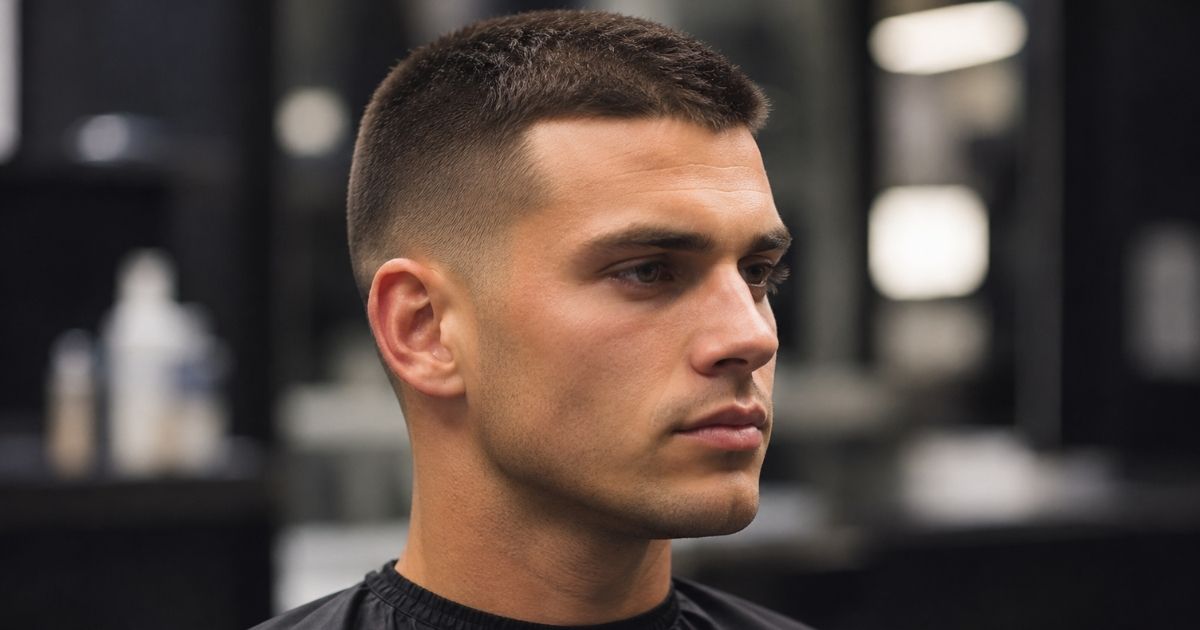
The crew cut remains one of the most versatile and enduring men’s haircuts in 2026. Clean, confident, and effortlessly masculine, this timeless style offers endless variations to suit every face shape, hair type, and lifestyle. Whether you want a sharp military-inspired look or a modern textured finish, the crew cut delivers results without demanding complicated morning routines.
This comprehensive guide explores everything you need to know about crew cuts, from understanding the fundamentals to styling your chosen variation at home. We’ll walk you through 25+ distinct styles, provide expert styling techniques, and answer your most common questions about maintenance and barber communication.
What Is The Crew Cut?
A crew cut is a short men’s haircut where the top is cut to approximately 1 to 2 inches and gradually tapers toward the crown, while the sides and back are clipped close or faded. Unlike a buzz cut, which uses uniform length throughout, a crew cut maintains texture and length on top that allows for styling flexibility and visual interest.
The style originated with Yale rowing teams in the 1920s, who needed a practical cut that prevented wind-blown hair during competition. Military personnel later adopted the look for its clean appearance and low-maintenance upkeep. Today, the crew cut has evolved into a sophisticated style worn by corporate professionals, athletes, and style-conscious men worldwide.
In 2026, the crew cut sheds any purely military associations, embracing textured finishes, skin fades, and modern styling techniques. What makes it special is this balance: practical enough for everyday wear, polished enough for boardroom meetings, and versatile enough to express your personal style.
Key Characteristics
The crew cut works universally because it features short, tapered sides and back with slightly longer hair on top. The top provides enough length for texture, movement, and styling options, while the tapered sides create clean lines and define facial features. This graduated approach flatters nearly every face shape and adapts to different hair textures.
Popular Types of Men’s Crew Haircuts
Classic Crew Cut
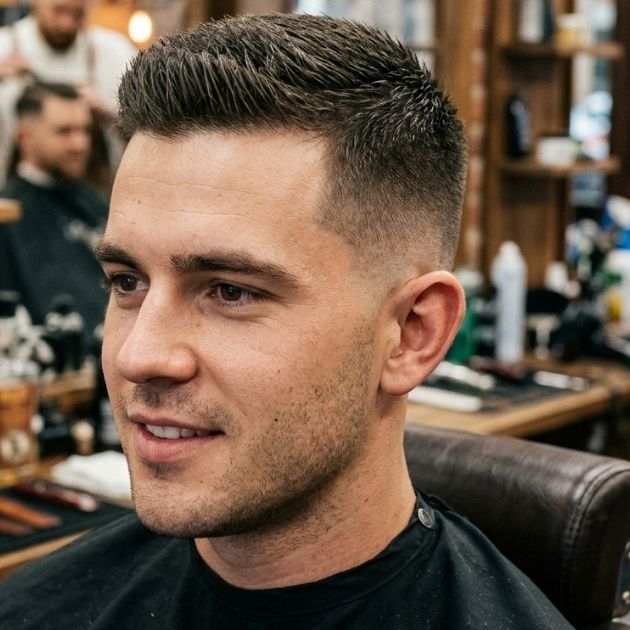
The classic crew cut is the style that started everything. Hair on top sits around 1 to 1.5 inches with a neat taper on the sides and back. Instead of a fade, this traditional cut features subtle scissors-tapered sides for a conservative, timeless look. It works exceptionally well for older men or those seeking a professional, understated appearance.
Ask your barber for a scissor taper on the sides and keep the top slightly longer at the front for minimal styling. This variation requires no product and looks fresh even after a few weeks without a trim.
Modern Crew Cut
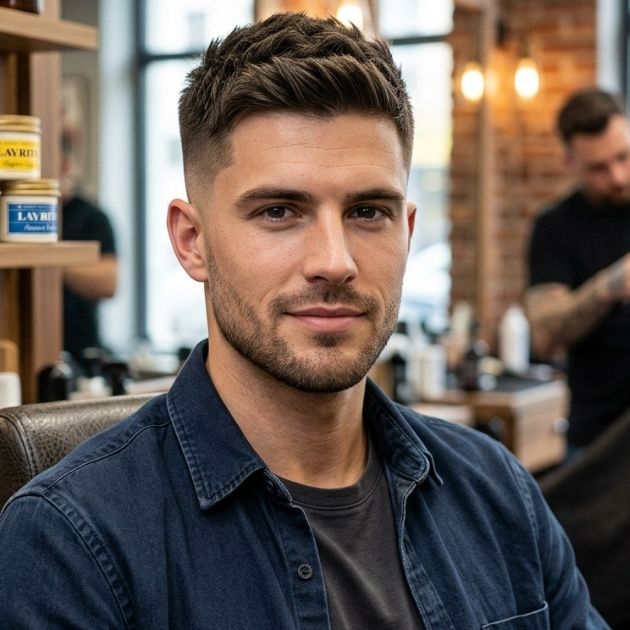
The modern crew cut injects edge into tradition by pairing short hair on top with shaved sides and a bold mid to high fade. This creates maximum contrast and a statement-making look that feels contemporary and intentional. The top can be textured, spiked, or left relatively flat depending on your preference.
For a modern crew cut, ask your barber for a fade starting between the temple and ear area, offering the perfect balance between a classic feel and current trends. Many men pair this with a beard for extra ruggedness.
Crew Cut Fade
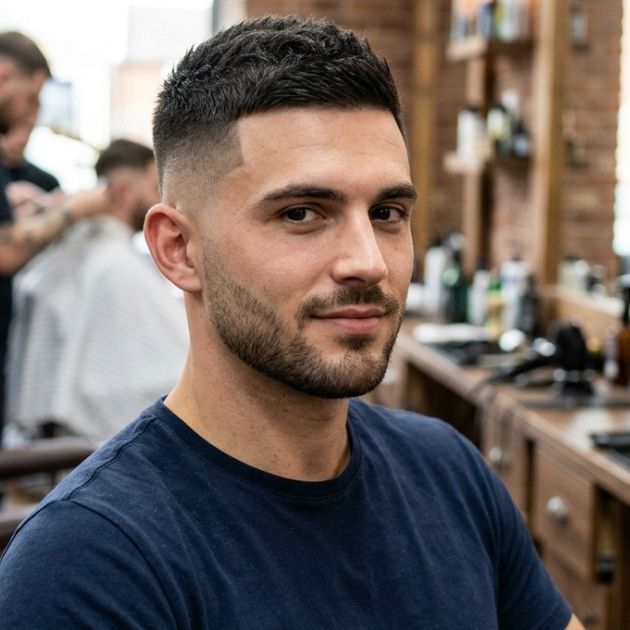
The crew cut fade blends sharp edges with smooth texture, delivering what might be 2026’s most requested variation. The skin fade creates bold contrast between the longer top and closely clipped sides, resulting in a clean, low-maintenance look that works in formal and casual settings.
A skin fade flows down to the skin level, starting high and tapering gradually. The top maintains enough length for texture clay or natural styling. Maintenance requires a visit to your barber every 2 to 3 weeks to keep the fade sharp.
Short Crew Cut
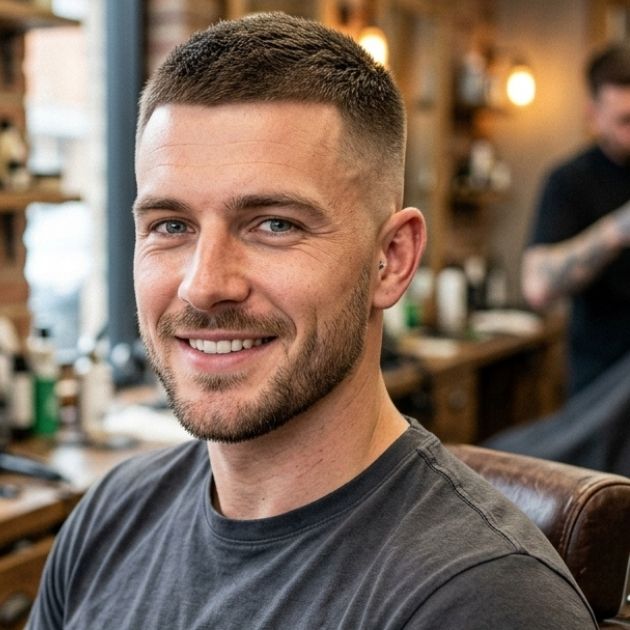
The short crew cut features hair around 1/4 to 1/2 inch in length on top. This minimalist variation pairs the clean lines of a crew cut with minimal styling demands. It works particularly well for men with thinning hair, as shorter lengths reduce contrast between sparse and dense areas.
This cut requires virtually no product. Wash, towel dry, and go. The trade-off is more frequent trips to the barber since growth becomes visible quickly.
Long Crew Cut
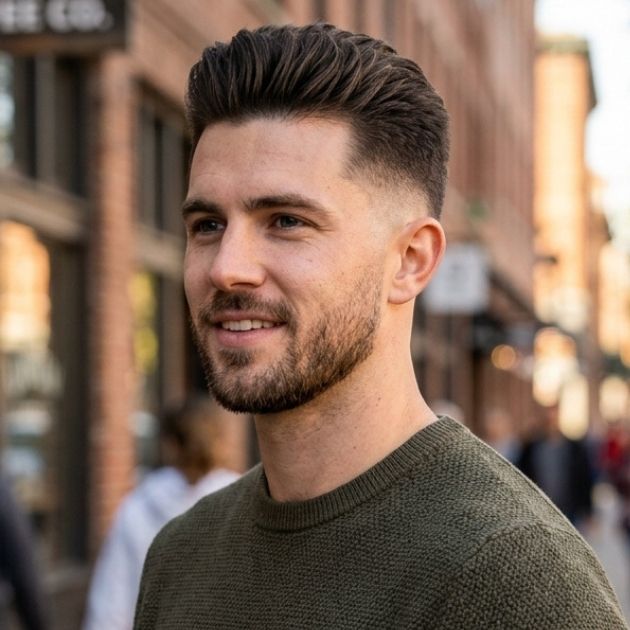
The long crew cut measures up to 2 inches on top, providing genuine styling flexibility. You can brush it back for a polished finish, sweep it to the side for Ivy League sophistication, or even craft it into a faux-hawk shape for edgier days. The longer top creates movement and texture opportunities unavailable in shorter variations.
This style suits men who want versatility. The tapered sides remain clean while the longer top delivers options. Pair it with a mid-fade for a modern twist on the classic look.
High Fade Crew Cut
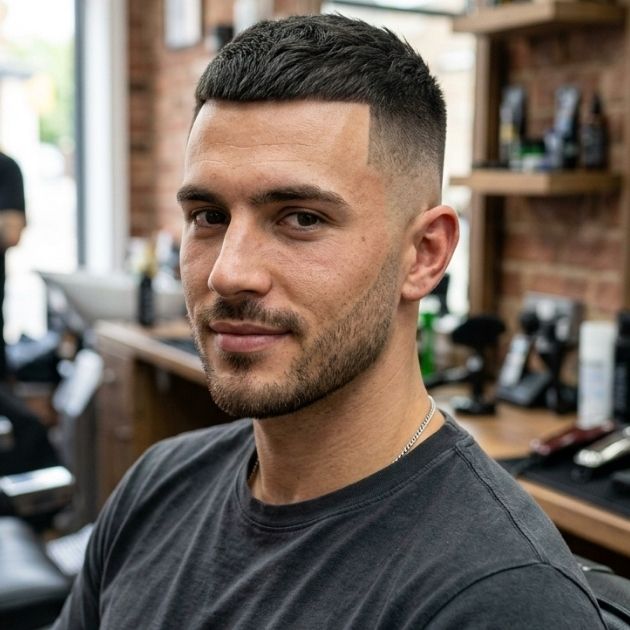
The high fade crew cut offers bold, sharp contrast with the fade starting near the temples and ears. This dramatic variation emphasizes the top and creates an athletic, defined appearance. The high fade reveals more scalp and skin, making it an especially striking choice for men with strong facial features.
High fades require more frequent maintenance (every 2 to 3 weeks) to maintain the sharp lines. The trade-off is an undeniably sharp aesthetic that commands attention.
Messy Crew Cut

The messy crew cut brings a laid-back vibe to the traditional style. Rather than keeping the top perfectly neat, the hair falls naturally or gets textured with matte clay for intentional separation. This variation balances casual ruggedness with clean lines, making it popular among younger men and those who appreciate effortless style.
The key to pulling off a messy crew cut is choosing the right product. Matte clay or paste creates piecey separation without greasiness. Apply a pea-sized amount to damp hair and work it through with your fingers for a natural, touchable finish.
Textured Crew Cut
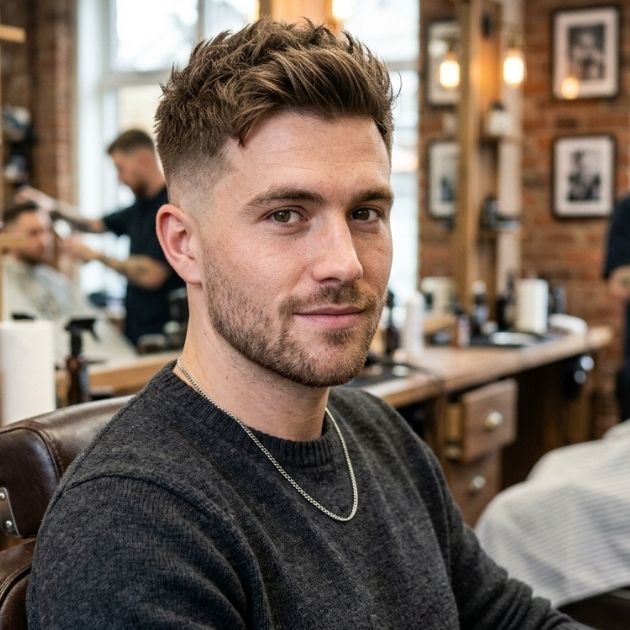
The textured crew cut adds layers and movement through point-cutting or choppy scissor techniques. The sides remain tapered, but the top gets intentional texture that creates visual interest and movement. This modern variation works across hair types and requires medium maintenance.
Textured tops benefit from regular trims every 4 to 6 weeks to refresh the layering. Between cuts, sea salt spray on damp hair enhances natural texture without product buildup.
Mid Fade Crew Cut
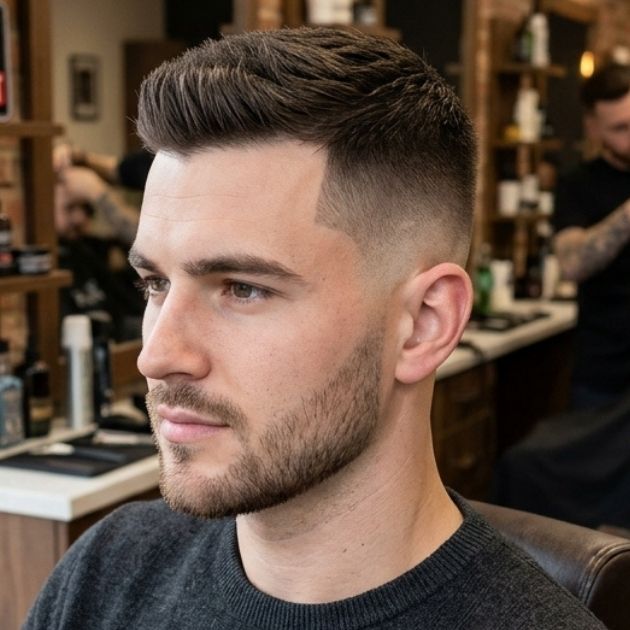
The mid fade crew cut offers the perfect balance of length and fade. The fade starts between the temple and ear area, removing bulk from the sides while creating a smoother transition to the longer top. This sharp, modern variation works for a range of hair types and adds contemporary edge without looking extreme.
Mid fades suit men transitioning from longer hair or those hesitant about high fades. The result feels current and refined without requiring maximum commitment.
Crew Cut Taper Fade
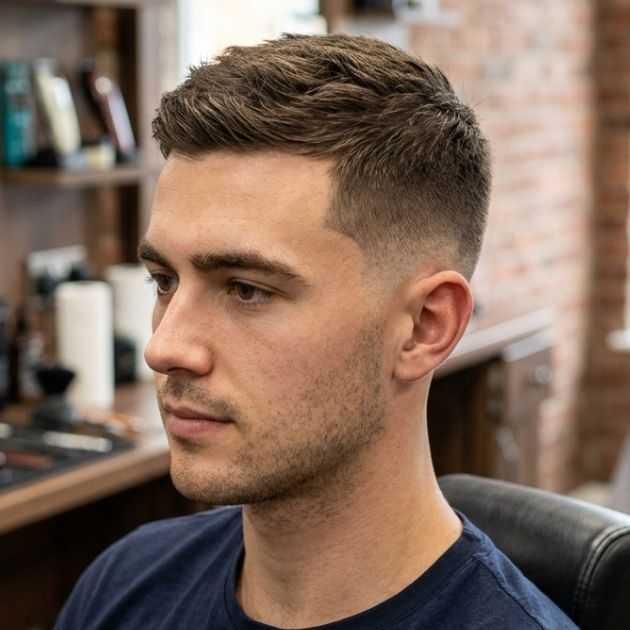
The crew cut taper fade graduates more quickly than traditional tapers, starting to reveal skin around the ears sooner. The sides get progressively shorter toward the base using different clipper grades. This combines traditional taper styling with modern fade principles, creating a versatile middle ground.
Ask your barber to customize where the fade starts based on your face shape and hair density. This technical detail separates an average cut from a standout one.
Ivy League Crew Cut

Originating from top-ranking universities like Harvard and Princeton in the 1930s, the Ivy League crew cut remains popular today. Slightly longer than a regular crew cut, it incorporates a side part and gets combed over for a stylish, professional appearance. Neatly scissor-tapered sides make this ideal for men with thick, straight hair.
The Ivy League look requires slightly more styling than most crew cuts. Apply light pomade to damp hair and comb to one side for a polished, refined finish. This variation suits corporate environments and formal occasions.
Spiky Crew Cut
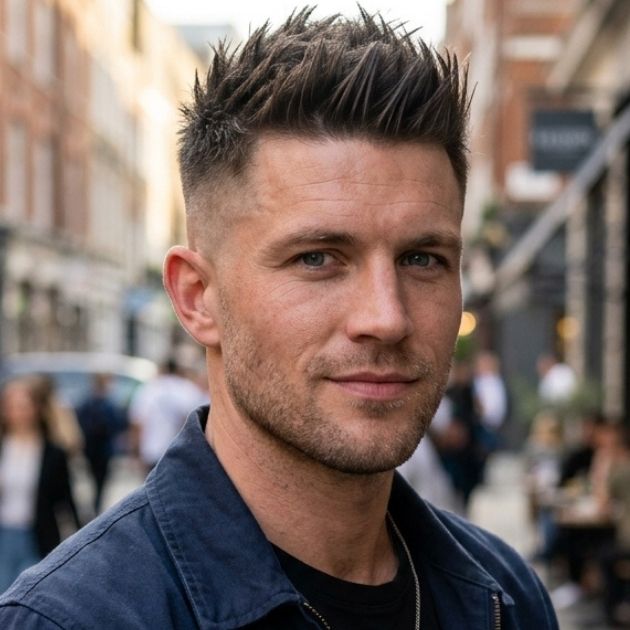
The spiky crew cut injects energy and edge by using texturizing scissors to create short, choppy spikes on top. This style works best for men with thick, straight hair that naturally holds shape. It delivers a modern, youthful vibe while maintaining the crew cut’s clean structure.
To achieve spikes, ask your barber for point-cutting on top with choppy texture. A dime-sized amount of molding cream applied to dry hair, then worked through with fingers, creates defined spikes without stiffness.
Crew Cut Low Fade
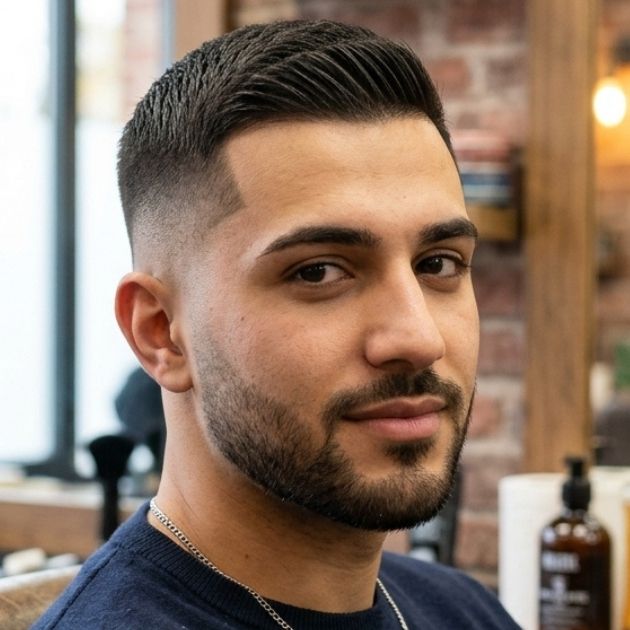
The crew cut low fade keeps things smooth and subtle with a clean appearance. The fade starts near the bottom of the sides, blending gently into the longer top. This softer option still feels fresh and modern while maintaining subtlety.
Low fades work beautifully for professional settings and men seeking modern style without bold contrast. The gradual blend creates sophistication rather than drama.
Hard Part Crew Cut
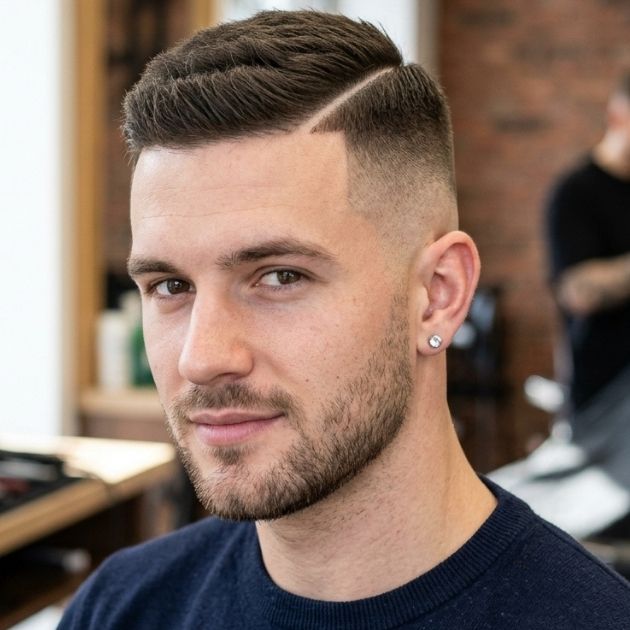
The hard part crew cut adds a sharp, clean line to the hairstyle by shaving a defined part into the side. This adds a deliberate, architectural element and makes styling the side-sweep effortless. The top stays neat and short while the sides get faded for a fresh finish.
This bold detail works for men who love intentional grooming. The hard part requires touch-ups every 2 to 3 weeks to maintain its crisp definition.
Crew Cut with Tapered Sides
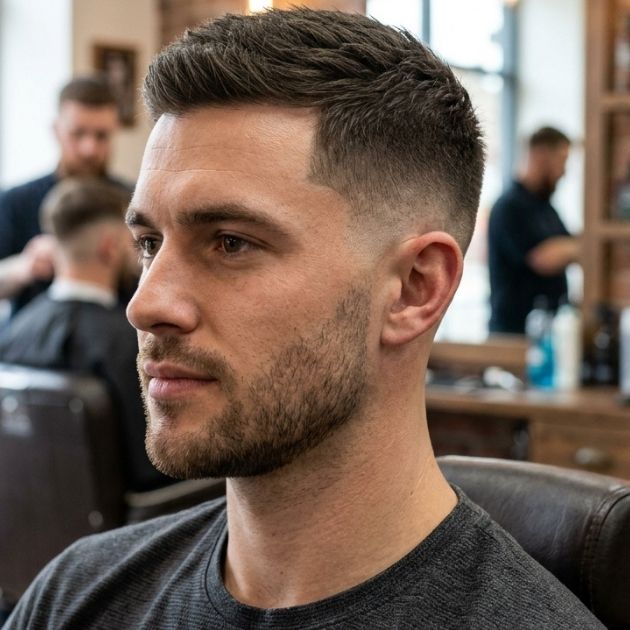
The crew cut with tapered sides maintains the classic structure using scissor-tapering rather than fade techniques. This creates a more traditional, subtle look compared to skin fades. The tapered sides blend smoothly into the longer top without dramatic contrast.
This variation suits men preferring conservative styling or those with sensitive skin who might react to clipper blade irritation.
Thick Crew Cut with Skin Fade
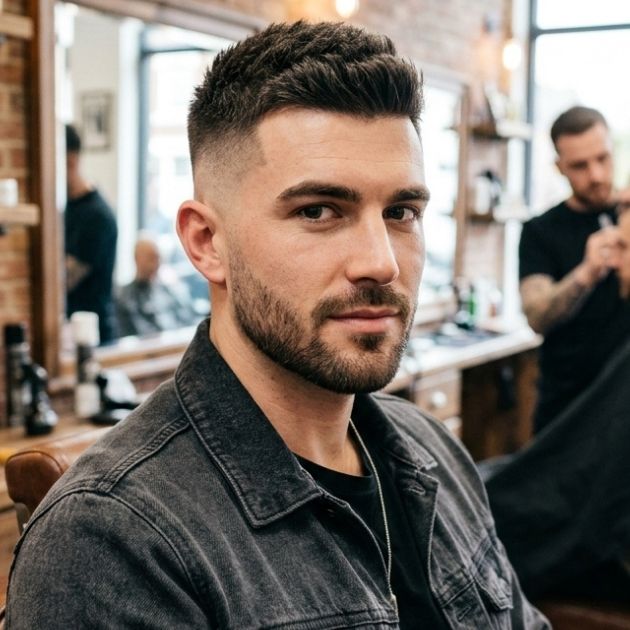
For men with incredibly dense hair, this cut removes bulk from the sides entirely using a skin fade, leaving the thick top as a statement piece. The contrast between the shaved sides and full top creates a striking silhouette that celebrates natural hair density.
This style works beautifully for men with coarse, thick hair who typically struggle with bulk. Texturizing the top with point-cutting removes additional weight while maintaining length.
Afro Crew Cut

The afro crew cut adapts the classic style for men with thick, curly, and frizzy hair. The cut shapes the natural curls while the tapered sides keep everything clean and defined. A skilled barber cuts this on dry, defined curls so the silhouette reads correctly once curls regain their natural pattern.
Ask your barber about curl-by-curl cutting techniques if available. This specialized approach ensures the style maintains its shape and volume between appointments.
Traditional Crew Cut with No Fade
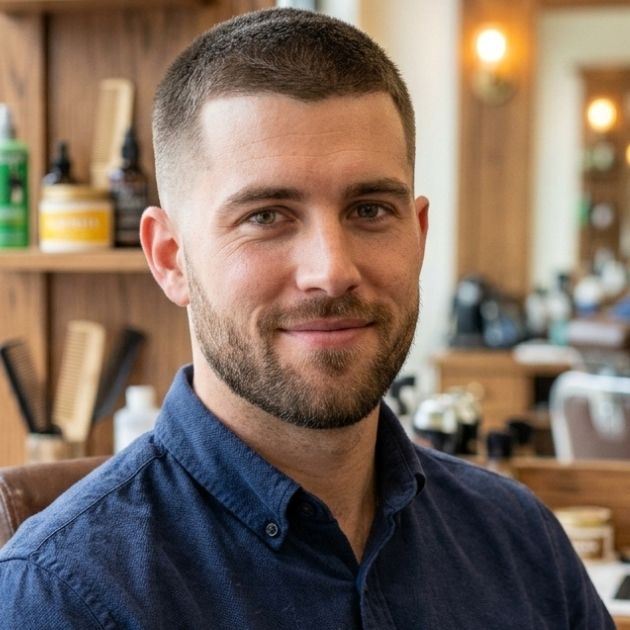
The traditional crew cut with no fade features uniform tapered sides without a fade gradient. This conservative approach works for men who prefer classic styling or occupations requiring extremely neat, traditional appearances.
This variation maximizes time between cuts since it doesn’t emphasize sharp fade lines that grow out noticeably. It remains timeless for good reason.
Messy, Short Crew Cut

The messy, short crew cut combines the convenience of a very short cut with intentional texture. Hair on top sits around 3/4 inch with a high fade on the sides. The short length minimizes contrast between thin and thick hair areas, making it ideal for men with thinning hair.
A textured crew cut with matte finish absorbs light better than shiny products, creating a fuller appearance even with shorter hair.
Crew Cut Fade with Beard
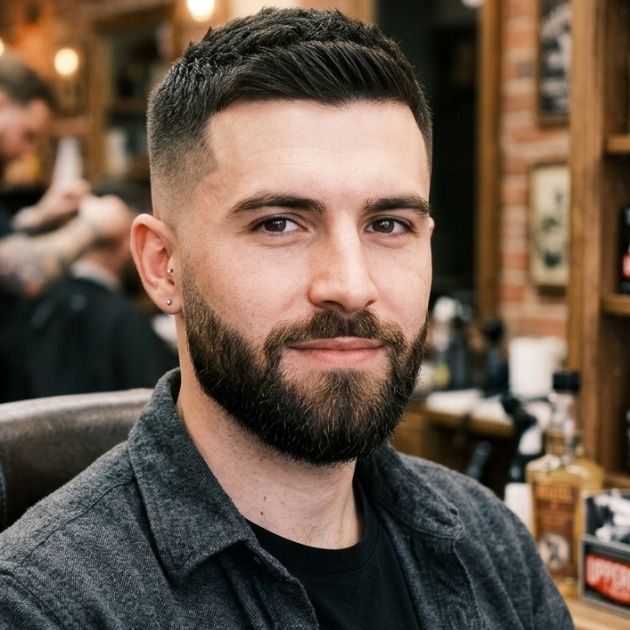
Pairing a crew cut with a beard instantly creates a rugged, masculine look. The shorter, tapered cut complements facial hair by providing balance. Longer, tousled crops pair especially well with full beard styles, creating a cohesive, intentional appearance.
Maintain both the haircut and facial hair with biweekly visits for consistent blending. Beard oil or balm conditions facial hair and matches the polished texture of your crew cut.
Brushed Back Wavy Crew Cut
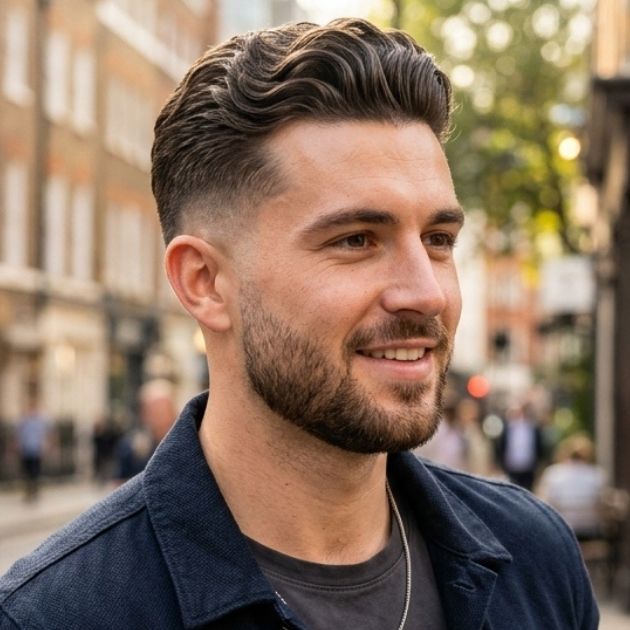
The brushed back wavy crew cut works beautifully for men with naturally wavy or slightly curly hair. The longer top (around 2 inches) allows waves to show naturally. Brush everything back and slightly to the side for volume and dimension.
This style requires minimal product but benefits from a blow-dry and light styling cream. The natural wave pattern does most of the work, making this an excellent choice for men with textured hair.
Military Crew Cut
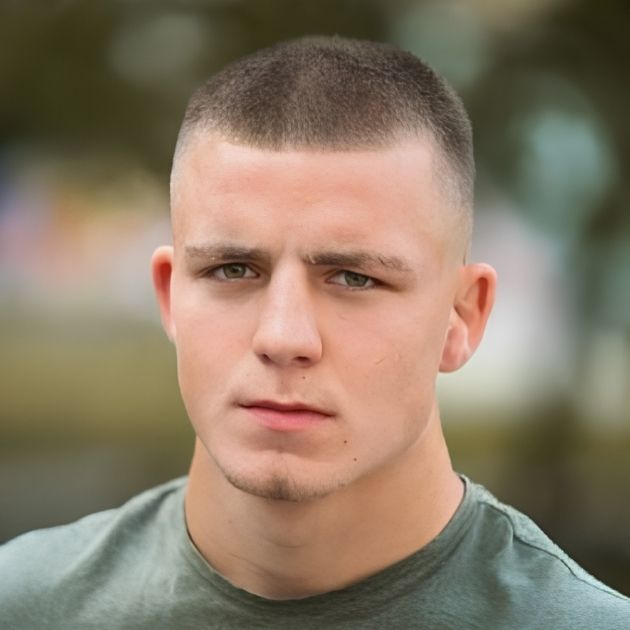
The military crew cut represents the original style in its purest form. The top gets cut with a 2 or 3 clipper guard uniformly from front to crown with no texture or volume. Sides fade high and tight to the skin, creating a no-frills silhouette.
In 2026, this style has seen a strong comeback among men who want zero product and zero fuss. It suits all face shapes and requires no styling decisions. Wash, towel dry, and look sharp immediately.
Edgy Crew Cut with Short Fade
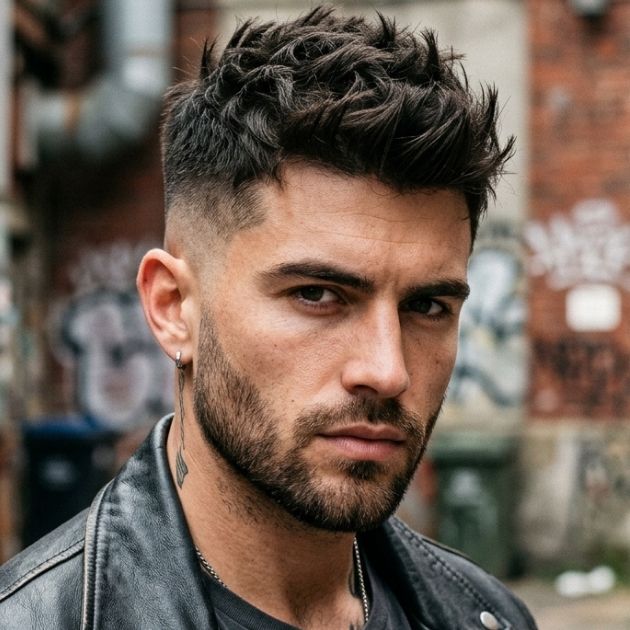
The edgy crew cut with short fade combines a sharp silhouette with modern styling. This variation emphasizes contrast between the shortest fade and textured top. It works for men seeking a standout look that feels contemporary and intentional.
This cut requires commitment to maintenance. Plan barber visits every 2 to 3 weeks to keep the contrast sharp and the fade crisp.
Side Swept Crew Cut Fade
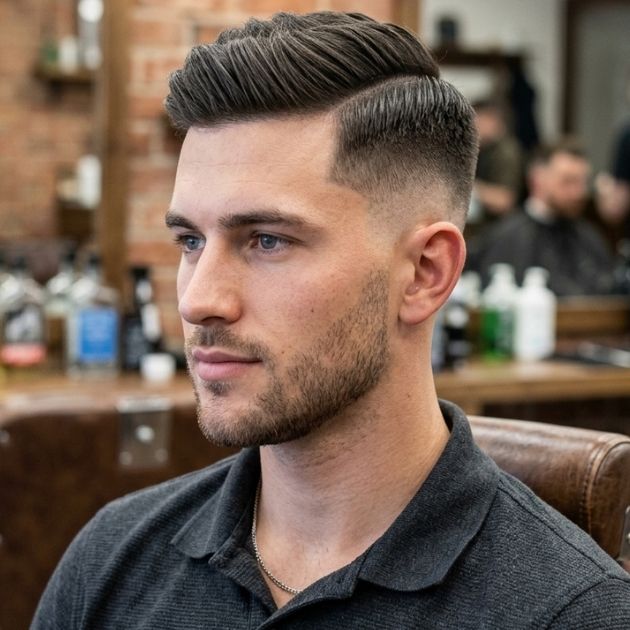
The side swept crew cut fade delivers clean lines with smooth flow. The top gets left slightly longer and styled to the side for natural movement while the faded sides create contrast sharpening the overall shape. This adaptation of the Ivy League look feels more modern and playful.
To style this at home, blow-dry the top in your desired direction, then apply light molding paste. Comb through for a polished, side-swept finish.
Cropped Crew Cut with Shaved Line Design
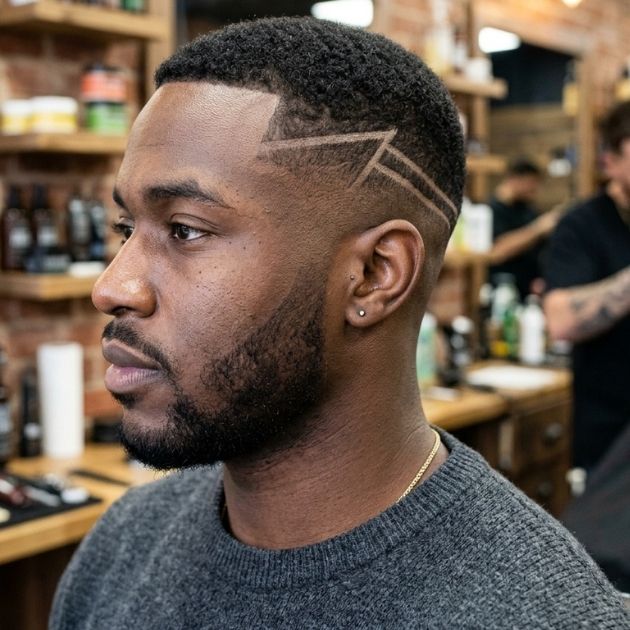
The cropped crew cut with shaved line design adds modern street style to the traditional cut. A clean shaved line is added to the natural parting, creating a deliberate, architectural element that makes the side-sweep easier to maintain.
Ask your barber to keep the base cut tight and neat so the line design stands out. Refresh this detail every 2 to 3 weeks to maintain its crisp definition.
Drop Fade Crew Cut
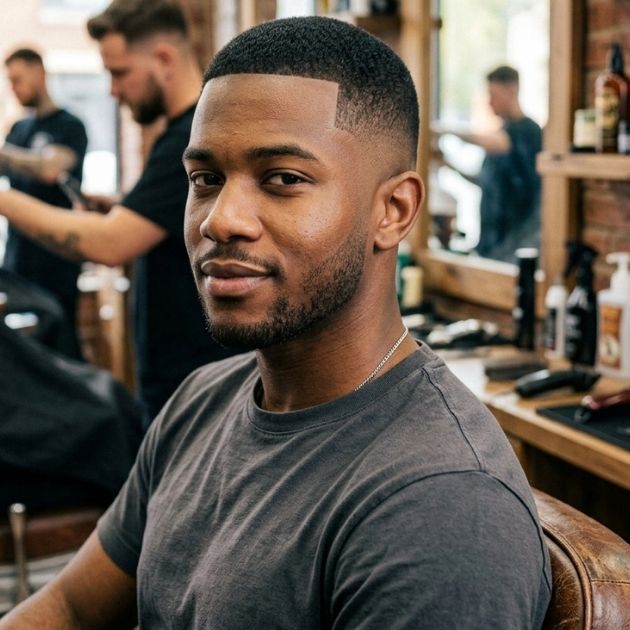
Unlike other fades that follow a straight line around the head, drop fades curve down at the back, creating an organic, blended appearance. This modern variation offers a softer take on traditional fades while maintaining clean styling.
Drop fades work beautifully on men with longer hair at the back or those seeking a fade with more dimension and flow.
Crew Cut with Pompadour Touch
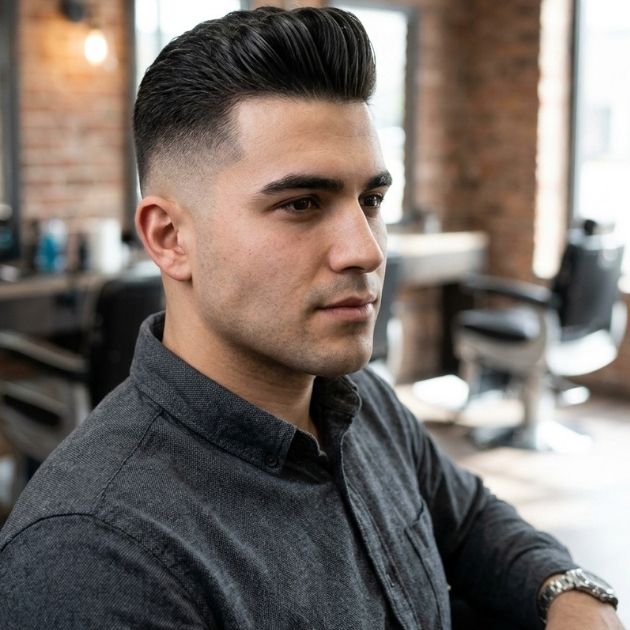
The crew cut with pompadour touch combines the clean crew structure with lifted, voluminous styling on top. The hair on top stays relatively long (around 2 inches) and gets styled upward and back using molding paste or lightweight pomade.
This variation requires daily styling but delivers a sophisticated, fashion-forward appearance. It works for men who enjoy grooming and styling routines.
How To Style The Crew Cut?
Successfully styling a crew cut starts with understanding your hair type and choosing appropriate products. Different products deliver different results, and the right choice depends on whether you want a matte texture, subtle shine, or natural movement.
Step-by-Step Styling Guide
Begin by towel-drying your hair after showering. For textured or messy looks, apply a pea-sized amount of matte clay or paste to damp hair. Rub the product between your palms to warm it, then work through your hair with your fingers, focusing on the top section where texture shines.
For classic or Ivy League styles, apply light pomade to slightly damp hair and comb through for definition and shine. Use less product initially and add more only if needed. Excessive product creates clumping and dulls your style.
For added texture and volume, blow-dry your hair upward for 60 to 90 seconds before applying product. Direct heat against the growth direction to train hair into your desired shape. This technique is especially helpful for adding volume and combating flatness.
Product Recommendations
Matte clay remains the top product for modern crew cuts. Brands like STMNT and Claymation provide strong hold without greasy appearance, delivering the textured look many men seek.
Texture powder works best for thin hair. Dust it onto dry roots for instant lift and fullness. Pomade suits classic and Ivy League styles where you want a slicker, polished finish reminiscent of vintage styling.
Sea salt spray adds natural texture and volume when applied to damp hair. This lightweight product mimics ocean air effects and works beautifully for casual, messy styles. Styling cream provides medium hold with natural finish, perfect for men wanting touchable texture without stiffness.
Application Tips
Apply product sparingly. Too much creates heaviness and greasiness rather than the intended effect. Less is more, especially with matte products. A pea-sized amount works for most styles.
Avoid applying product to soaking wet hair. Slightly damp or dry hair absorbs product better and holds your style longer throughout the day. Wet hair dilutes product effectiveness and causes it to sit on hair rather than incorporate.
Use fingers rather than combs for textured styles. Fingers create a natural, piecey finish while combs can create clumping. For slicked-back styles, combs deliver the definition and shine you’re seeking.
The Evolution of the Crew Cut Hairstyles
Understanding the crew cut’s history provides context for modern variations and explains why this style remains enduring. The crew cut emerged from unexpected origins in collegiate rowing. Yale University’s rowing team adopted the style because longer hair created wind resistance during competition. The practical, aerodynamic cut quickly spread to other universities and eventually the military.
Military adoption elevated the crew cut from sport-specific style to functional military regulation. Its clean appearance, easy maintenance, and universal flattering quality made it standard for servicemen throughout the 20th century. This association with discipline and professionalism built the style’s reputation.
The 1960s and 1970s saw cultural shifts that challenged the crew cut’s dominance. Longer hair and countercultural movements made the style feel dated to younger generations. However, conservative institutions and professionals maintained the tradition.
The 1980s and 1990s brought gradual crew cut revival. Cleaner aesthetics in fashion and a return to “sharp” grooming brought the style back into focus. Barbershop culture experienced renaissance, with skilled barbers elevating the crew cut from utilitarian cut to genuine style statement.
The 2000s saw the introduction of fade variations and skin fades that modernized the crew cut. These technical innovations made the style feel contemporary while maintaining its timeless appeal. Celebrity adoption and social media visibility expanded the crew cut’s audience.
In 2026, the crew cut has never been more diverse or fashionable. Textured finishes, matte products, and styling flexibility represent the style’s full evolution. Modern men embrace crew cuts as confident fashion choices rather than utilitarian defaults.
FAQ’s
What’s the difference between a crew cut and a buzz cut?
A crew cut leaves 1 to 2 inches on top with tapered or faded sides, allowing for texture and styling. A buzz cut uses uniform length throughout the head, offering zero styling options.
How often should I get a crew cut?
Every 2 to 3 weeks for fades or high-contrast styles. Every 4 to 6 weeks for classic, tapered styles. Frequent maintenance keeps lines sharp and prevents overgrown appearance.
Can I style a crew cut without product?
Yes. Many crew cuts look sharp without any product, particularly military styles. Blow-drying upward helps add texture and volume naturally.
Does a crew cut work for all hair types?
Yes, with proper cutting technique. Curly hair requires cutting on dry curls. Thin hair benefits from shorter lengths and texturizing. Thick hair adapts to any variation.
What products work best for textured crew cuts?
Matte clay or paste deliver the textured, piecey finish most men seek. Sea salt spray adds natural texture to damp hair. Avoid gel or high-shine pomades for modern textured looks.
How do I ask my barber for the crew cut I want?
Bring photos showing your desired style. Specify your preferred fade (high, mid, low, skin) and whether you want texture or a smooth finish. Mention how much time you’ll spend styling daily.
Is the crew cut professional?
Absolutely. The crew cut remains one of the most professional men’s haircuts available. It works across corporate, academic, and formal environments.
Can I grow a crew cut into a longer style?
Yes. The crew cut serves as an excellent base for growing into longer styles. The shaped top provides structure while sides remain tapered, making the transition smooth.
How much does a crew cut cost?
Crew cuts typically cost between $25 and $45 at barbershops, depending on location and barber experience. Specialty barbers or salons may charge more.
Final Thoughts
The crew cut stands as one of men’s most versatile and timeless haircuts. From military origins to 2026’s fashionable variations, this style has proven its staying power through cultural shifts and grooming trends.
Whether you prefer the simplicity of a classic crew cut, the edge of a modern fade, or the texture of a contemporary variation, an option exists for every face shape, hair type, and lifestyle. The key to success lies in clear communication with your barber, consistent maintenance, and finding the right styling approach for your routine.
The 25+ variations explored here demonstrate that the crew cut is far from one-dimensional. Modern barbering techniques have expanded what’s possible within the crew cut framework, allowing genuine personal expression while maintaining the style’s core appeal.
Start by identifying which variation aligns with your lifestyle, hair type, and aesthetic preferences. Bring photos to your barber and discuss your daily styling commitment honestly. A cut built for your actual routine beats one requiring more time than you’re willing to invest.
The crew cut’s endurance speaks to its fundamental appeal. Clean, confident, and effortlessly masculine, it remains the go-to choice for men seeking sharp style without complication. In 2026, that timeless appeal has only grown stronger.

Charlotte Aiden is the founder and editor of FaxhionTips.com, where he shares practical insights on the latest haircut trends, hairstyles, grooming tips, and hair care advice. Passionate about modern style and easy-to-follow beauty guidance, Charlotte creates well-researched content to help readers choose the best haircuts and maintain healthy, stylish hair with confidence.