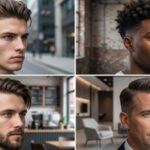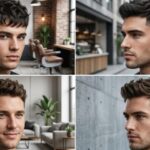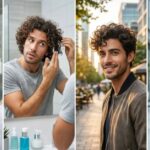
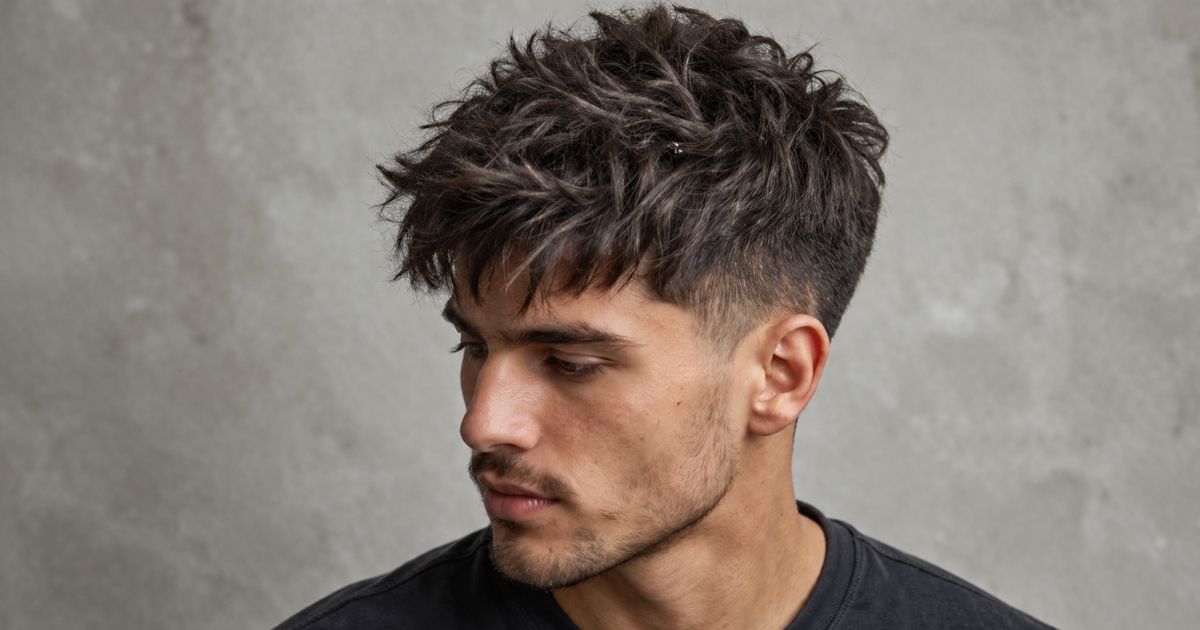
Textured haircuts have taken over barbershops everywhere, and for good reason. They look effortless, they suit almost every face shape, and they work with the hair you already have instead of fighting against it. If you’re tired of flat, stiff cuts that need constant combing, a textured style might be exactly what your look needs.
This guide breaks down what a textured haircut actually is, why so many men are switching to one, and which styles are worth asking your barber for in 2026. You’ll also get real styling advice, product tips, and answers to the questions men ask most often before booking their next appointment.
What is a Textured Haircut?
A textured haircut is a cutting technique, not a single style. Barbers use tools like texturizing shears, razors, or point-cutting methods to remove bulk and create uneven lengths within the hair. This builds separation, movement, and a slightly messy, lived-in finish instead of a flat, uniform surface.
Instead of every strand being cut to the exact same length, texturizing leaves some pieces shorter and others longer. The result is hair with natural dimension that catches light differently at different points, giving it depth that a plain, blunt cut simply cannot achieve.
Texturizing can be applied to almost any base haircut, including a crop, quiff, crew cut, or fade. That’s part of what makes it so popular. It’s less a specific look and more a finishing technique that upgrades whatever cut you already prefer.
Why Are Textured Haircuts So Popular?
Textured cuts have become the most requested style at barbershops for a simple reason: they solve real problems that classic, straight cuts don’t.
- They work with thick hair. Texturizing removes bulk and weight, making thick or unruly hair far easier to manage day to day.
- They add fullness to thin hair. For men with fine or thinning hair, layering creates the illusion of volume and density.
- They require less daily effort. A textured cut is designed to look intentionally undone, so it doesn’t demand perfect combing or heavy styling every morning.
- They suit nearly every face shape. Because texture adds movement rather than a rigid outline, it softens sharp angles and balances rounder faces equally well.
- They photograph and age well. Unlike a slicked, structured style that shows every flaw as it grows out, texture hides awkward regrowth stages.
- They pair with any hair type. Straight, wavy, curly, and coily hair all respond well to texturizing, which is rare for a single trending technique.
Men are also gravitating toward the “bed head” aesthetic that dominated early 2000s style but with a sharper, more refined edge. It’s the low-effort, high-impact look that modern grooming has been building toward for years.
Best Textured Haircuts for Men
Below are the most requested and reliably flattering textured cuts barbers are recommending in 2026. Each one uses the same texturizing principles but delivers a distinct finished look.
Textured Crop Haircut
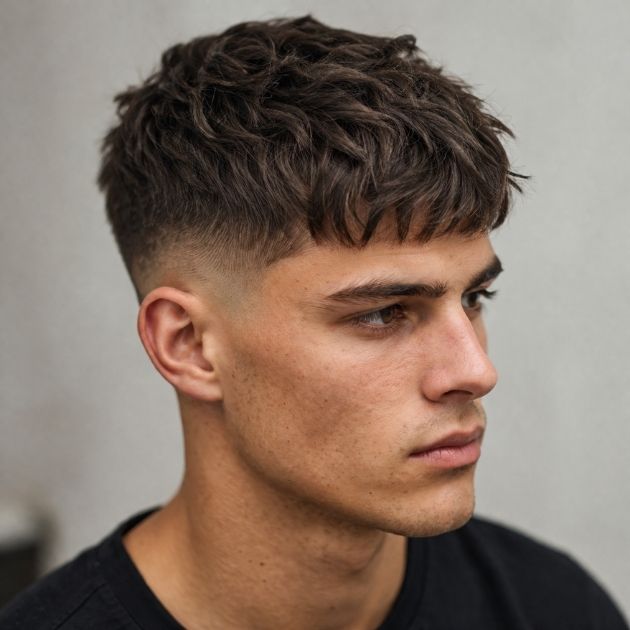
The textured crop pairs short, faded sides with a slightly longer, choppy top and a soft fringe. It’s one of the most versatile cuts available because it works on straight, wavy, and curly hair alike, and it suits nearly every face shape from oval to square.
To style it, apply a matte clay or texture powder to damp hair, then push the fringe forward with your fingers rather than a comb. This keeps the natural separation intact instead of smoothing it away.
Textured French Crop
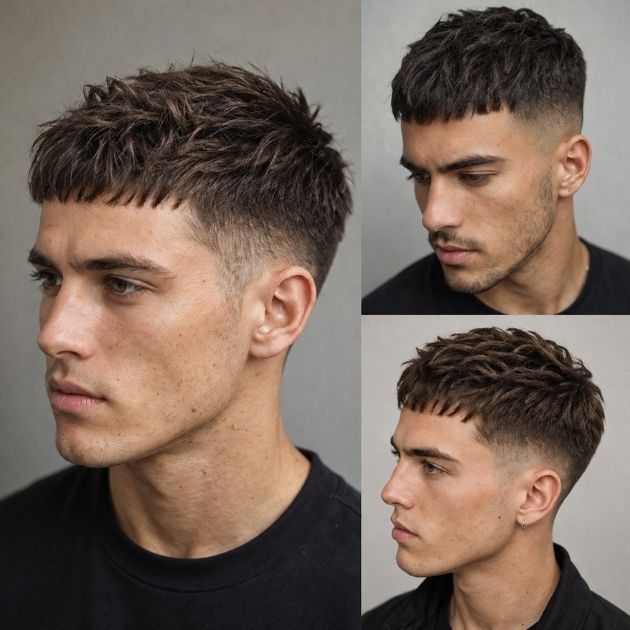
The French crop takes the standard crop and adds a blunt, straight-across fringe with tighter, tapered sides. It has a cleaner, more structured silhouette while still keeping visible texture through the top.
This is a strong choice for men who want the low-maintenance appeal of a crop but with a slightly sharper, more deliberate finish. A small amount of matte paste worked through dry hair is usually all it needs.
Textured Quiff
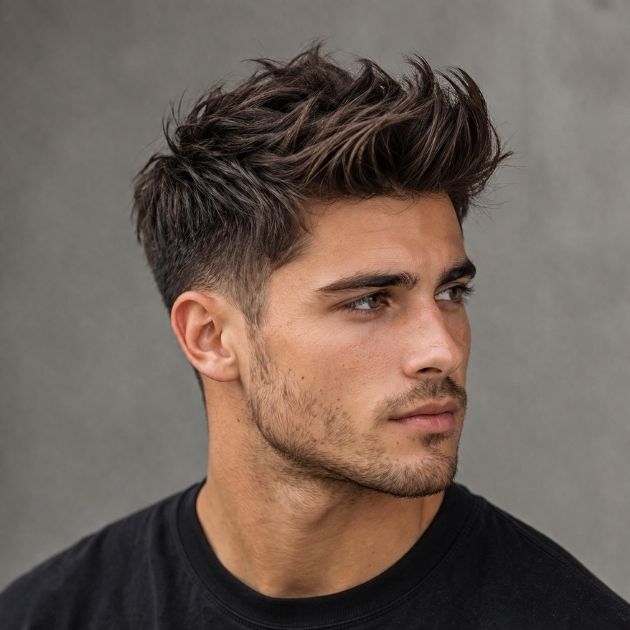
The textured quiff brushes the front section up and back while leaving the sides shorter, creating height without looking overly polished. Texture takes the classic quiff, which can look stiff and dated, and gives it a looser, modern edge.
Blow-drying is essential here. Dry the roots upward with a round brush, then apply a light pomade or texture spray to lock in volume without heaviness.
Textured Fringe Haircut
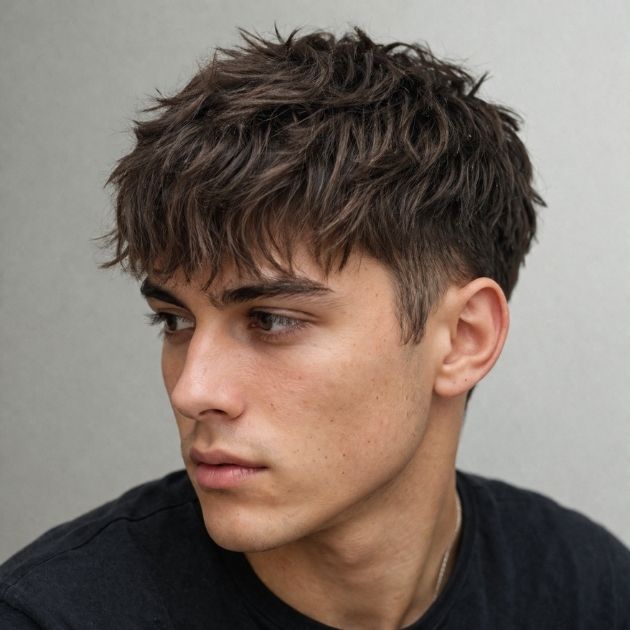
This style keeps length across the front and layers it heavily so the fringe falls forward with visible separation instead of sitting as one flat sheet. It draws attention to the eyes and works especially well on wavy or curly hair types.
Style by applying a lightweight cream to damp hair, then let it air dry or diffuse it to encourage the natural texture to show through.
Textured Pompadour
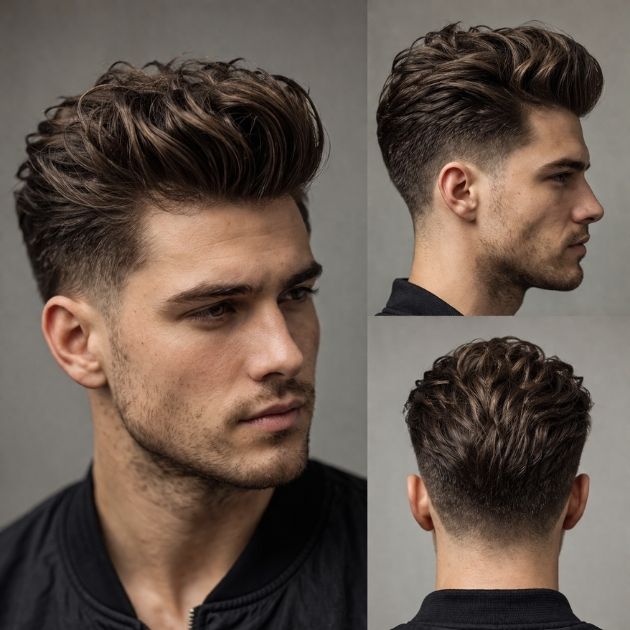
A textured pompadour swaps the traditional high-shine, comb-heavy finish for a matte, piecey top with noticeable lift at the front. The sides are typically faded or tapered to keep focus on the volume up top.
Use a strong-hold, matte styling cream and blow-dry the front section upward before shaping it back with your fingers for a natural, undone pompadour silhouette.
Textured Slick Back
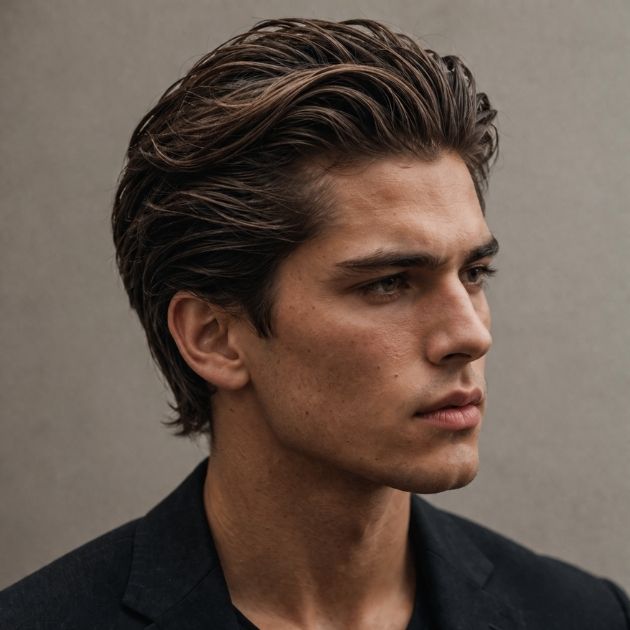
The slick back gets a modern update when texture is added, trading the wet, glass-like finish for a matte, separated look that still reads as polished. This version works well for professional settings that still want a bit of edge.
Apply a matte clay through damp hair and comb it back loosely, leaving some strands slightly out of place rather than pressing everything flat.
Textured Crew Cut
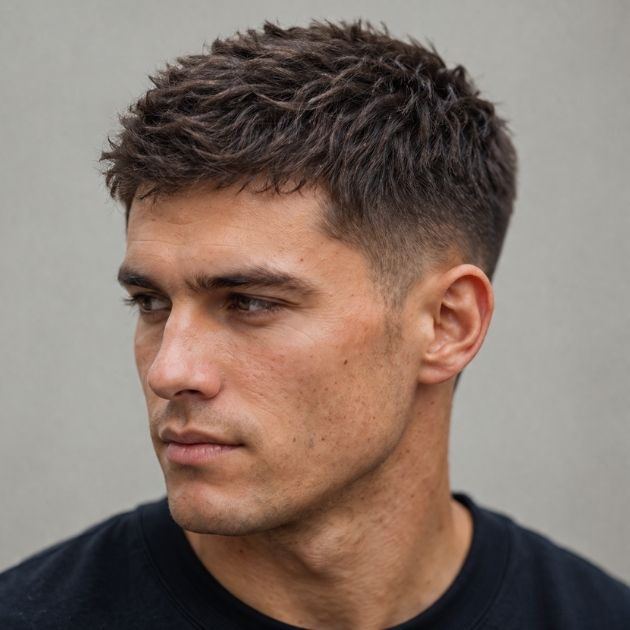
The crew cut is a timeless, low-maintenance style, and adding texture on top gives it a fresher, less rigid finish. Sides are typically tapered or faded, while the top stays short enough to style in under a minute.
A light dusting of texture powder at the roots is usually enough to add lift and grit without any visible product buildup.
Textured Buzz Cut
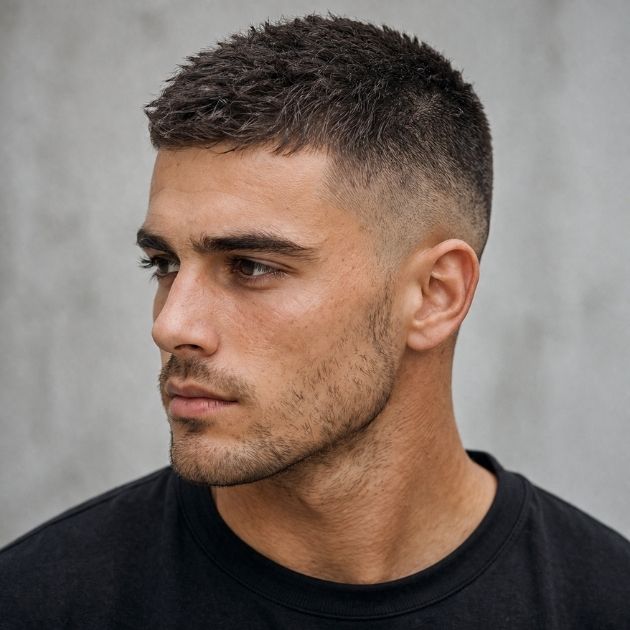
Even an ultra-short buzz cut can carry texture if the barber varies the guard length slightly across the top, creating subtle contrast rather than one uniform length. This works best on naturally wavy or coily hair, where texture shows through even at short lengths.
Because there’s minimal length to style, this cut requires almost no daily maintenance, just regular trims to keep the shape sharp.
Textured Fade Haircut
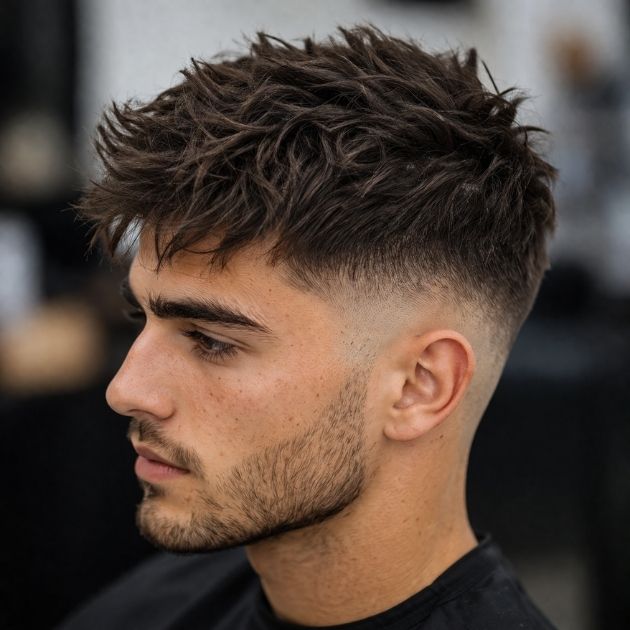
A fade isn’t a standalone style on its own. It’s a finishing technique for the sides and back that pairs with nearly any textured cut above. The fade can be low, mid, high, or skin level depending on how much contrast you want between the sides and the textured top.
Choosing the right fade height changes the entire feel of the haircut, so it’s worth discussing with your barber based on your face shape and how bold you want the contrast to look.
How to Style and Maintain a Textured Haircut?
Getting a great textured cut is only half the job. Styling and upkeep are what keep it looking sharp between barber visits.
- Start with damp, not soaking wet, hair. Product distributes more evenly and holds better on slightly towel-dried hair.
- Use the right product for your hair type. Matte clay works well for thick hair, texture powder is better for fine or thinning hair, and sea salt spray suits wavy or curly textures.
- Apply product with your fingers, not a comb. Fingers preserve the separation and choppiness that a comb would smooth away.
- Blow-dry with direction in mind. Dry hair in the direction you want it to sit, whether that’s forward, up, or back, to train it over time.
- Don’t overload on product. A small amount worked through the ends usually looks more natural than a heavy application at the roots.
- Book regular trims. Textured cuts still need shape maintenance every four to six weeks to avoid looking overgrown or shapeless.
- Let it air dry occasionally. For wavy or curly hair, skipping the blow dryer once in a while helps texture develop naturally.
FAQ’s
What is the best product for a textured haircut?
Matte clay or paste works best for most textured styles since it adds hold and definition without shine or greasiness.
How often should I get a textured haircut trimmed?
Most textured cuts need a trim every four to six weeks to keep the shape from growing out and looking unstructured.
Do textured haircuts work for thinning hair?
Yes, texturizing creates the appearance of volume and density, which helps disguise thinning areas effectively.
Can I texturize curly or coily hair?
Absolutely. Curly and coily hair often shows texture naturally, making it one of the easiest hair types to work with.
Is a textured haircut high maintenance?
No, most textured cuts are designed for quick, low-effort styling and are easier to manage daily than blunt, straight cuts.
Will a textured haircut suit my face shape?
Yes, texture adds movement rather than rigid lines, which makes it flattering across round, square, oval, and heart-shaped faces.
Conclusion
Textured haircuts have earned their popularity because they genuinely solve common hair problems while still looking modern and stylish. Whether you have thick hair that needs thinning out or fine hair that needs a boost, there’s a textured style built for you, from the classic crop to a bold spiky fringe with a low drop fade.
The key to making any textured cut work is choosing the right base style for your hair type and face shape, then sticking to a simple styling routine with the right products. Talk to your barber about your hair’s natural pattern, book regular trims, and you’ll have a low-maintenance style that still turns heads.

Charlotte Aiden is the founder and editor of FaxhionTips.com, where he shares practical insights on the latest haircut trends, hairstyles, grooming tips, and hair care advice. Passionate about modern style and easy-to-follow beauty guidance, Charlotte creates well-researched content to help readers choose the best haircuts and maintain healthy, stylish hair with confidence.