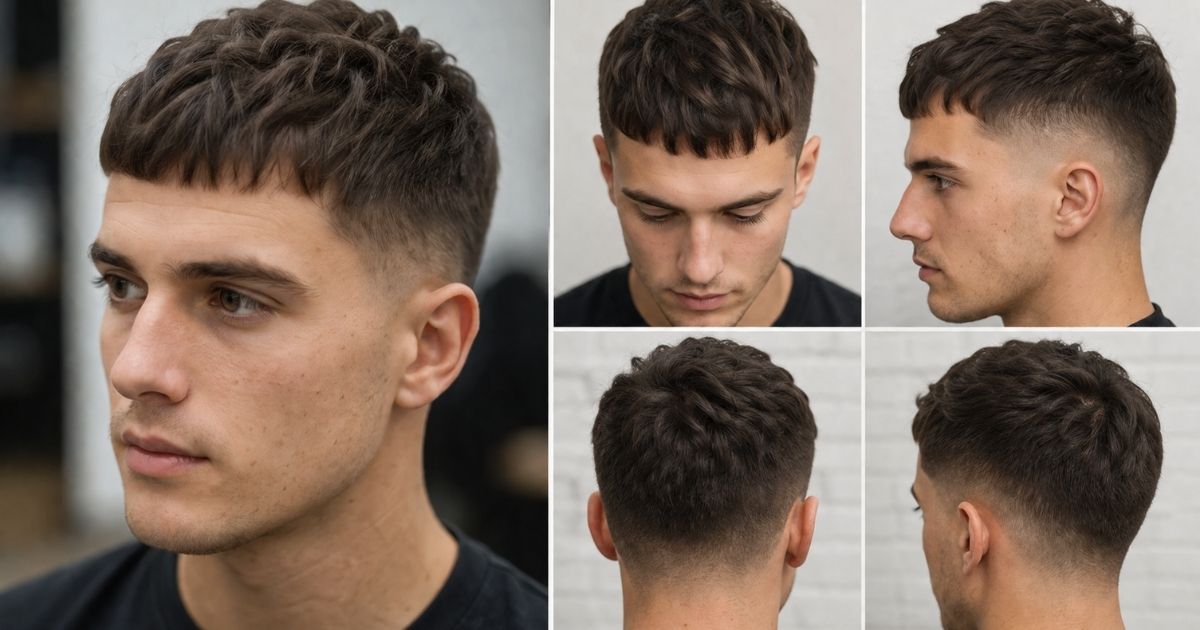
If you want one haircut that looks sharp on a Monday morning and just as good on a Saturday night out, the French crop deserves your attention. It has quietly become one of the most requested men’s cuts of the year, and for good reason. It is short, low maintenance, and flatters almost every face shape and hair type you can think of.
This guide breaks down everything worth knowing about the French crop in 2026. You will find the most popular variations, a clear explanation of what the cut actually is, tips on picking the right version for your hair and lifestyle, and answers to the questions people search for most. Whether you are heading to the barber for the first time or looking to refresh an existing crop, this guide gives you a complete, practical roadmap.
Popular French Crop Haircuts
The French crop is not a single fixed style. It is more like a framework that barbers adapt using fringe length, side treatment, and texture. Below are the most popular variations men are asking for right now, along with what makes each one different.
Textured Crop Hairstyle
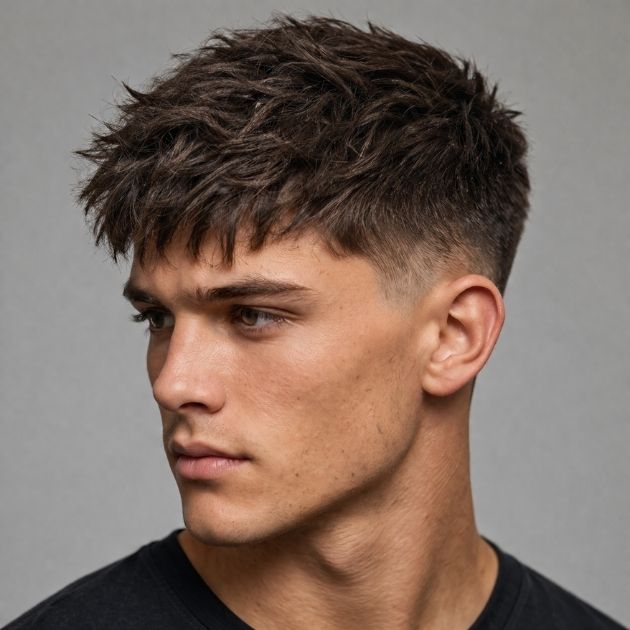
The textured crop hairstyle uses choppy, layered cutting on top to break up flat, uniform hair. Point cutting adds separation between strands, which makes thin or fine hair look noticeably thicker without any extra product. It works especially well for men who want movement without committing to a full fringe.
Classic French Crop
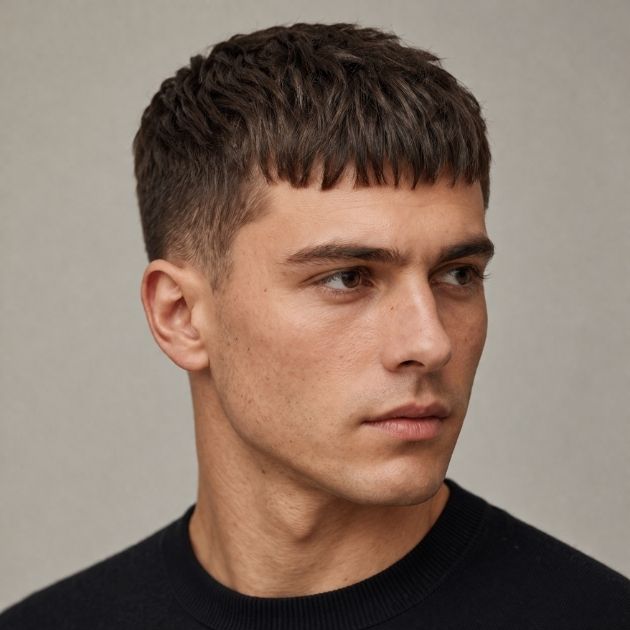
This is the original blueprint. Short back and sides, a neat blunt fringe, and a cropped top that sits close to the head. It requires almost no daily styling effort and still looks intentional, which is exactly why it remains the most requested version at barbershops.
Short French Crop
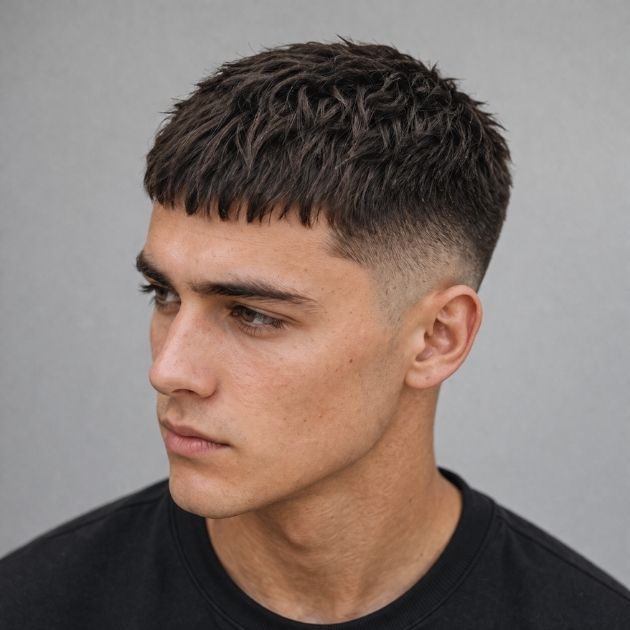
The short French crop keeps everything tight, including the top length and the fringe. It suits men who prefer minimal upkeep and a sharp, controlled silhouette. This version pairs naturally with a tight fade for a clean, no-nonsense finish.
Long French Crop
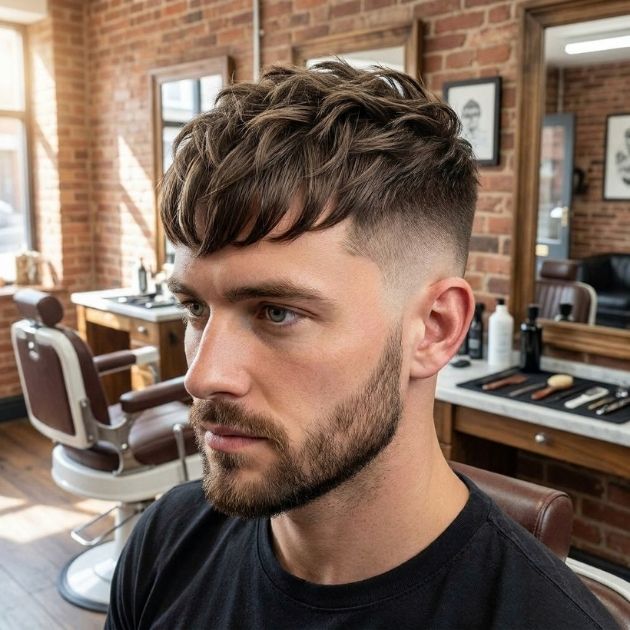
Here, the top is left noticeably longer while the sides stay short. The extra length gives more room to style the fringe forward, add volume, or introduce texture. It suits thicker hair types that can support added length without looking heavy.
Textured French Crop
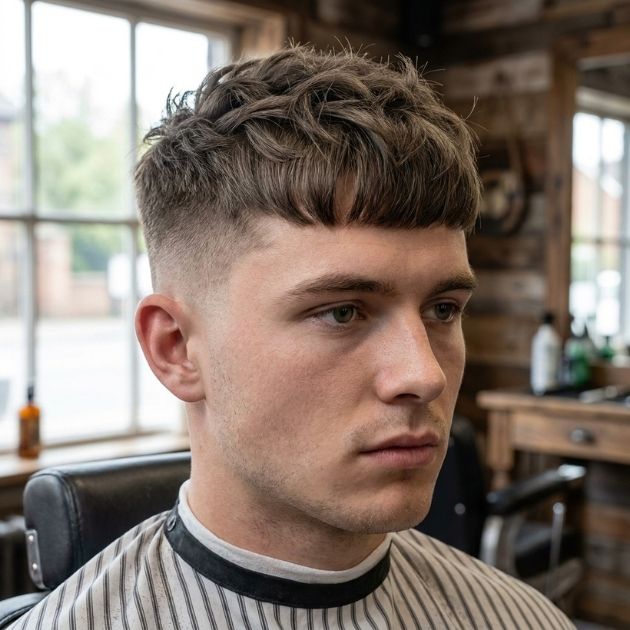
Slightly different from the textured crop hairstyle above, this variation focuses specifically on a thick, wavy fringe combined with textured layers throughout the top. The contrast between the longer, textured front and the shorter back creates a bold, lived-in look.
French Crop Hairstyle
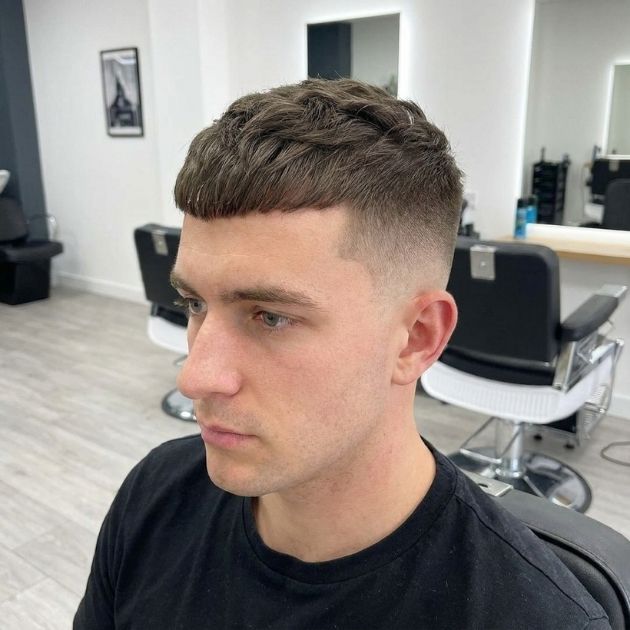
Used as a general term, this covers the entire family of crop cuts featuring short sides, a cropped top, and a forward styled fringe. Barbers often use this phrase when a client wants the overall silhouette without specifying a particular fade or texture level.
Messy French Crop
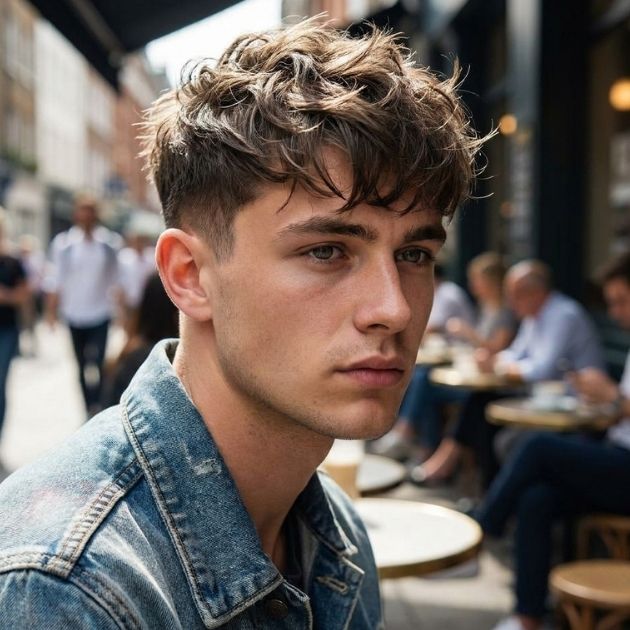
This version embraces a deliberately undone finish. Layers are left slightly disheveled, and the fringe falls forward without being combed into place. A matte clay applied with fingertips, rather than a comb, keeps the texture piecey and natural rather than polished.
French Crop Fade
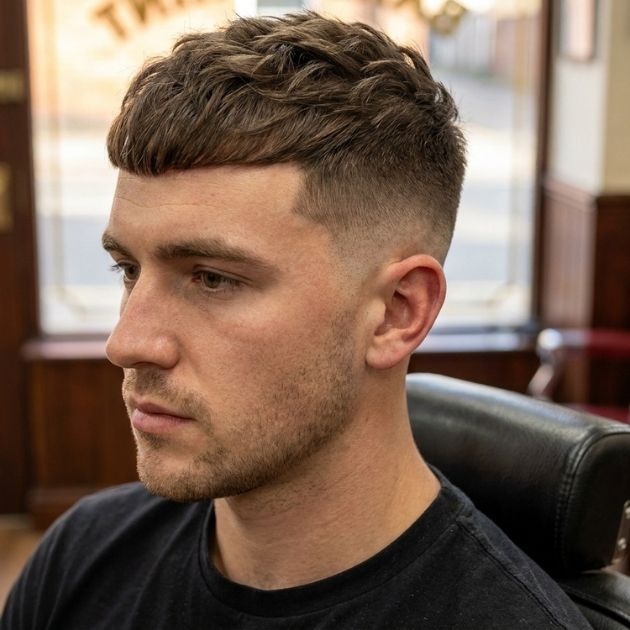
The French crop fade blends the classic top and fringe with a graduated fade on the sides, which can sit high, mid, or low. It adds a modern edge to the traditional shape while keeping enough contrast to make the top appear fuller.
Curly French Crop
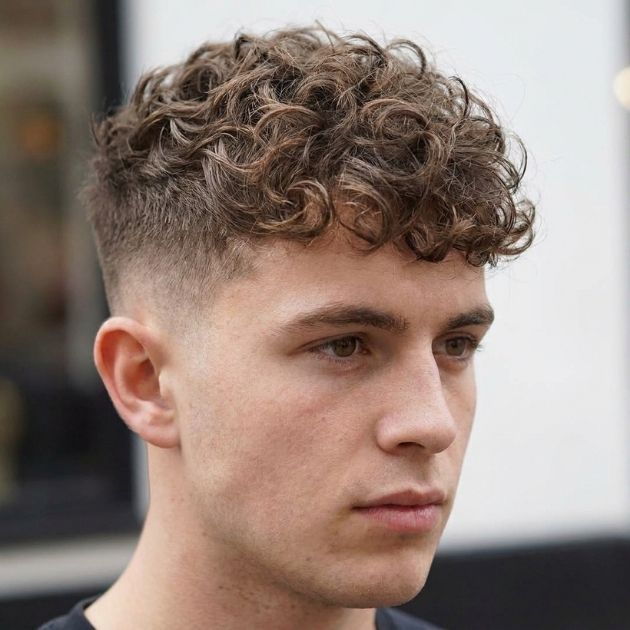
Curly hair actually works beautifully with this cut. The natural curl pattern adds volume and bounce to the fringe, while a clean fade at the sides balances the fullness on top. Barbers usually leave a bit more length here since curls shrink as they dry.
Undercut French Crop
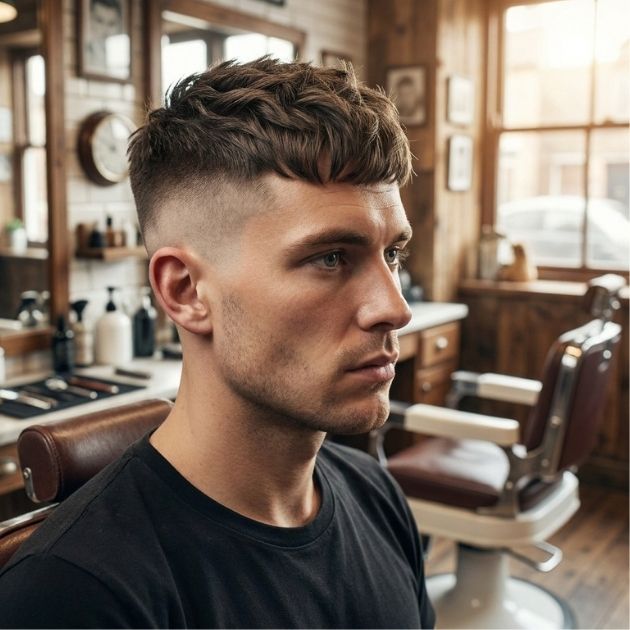
This variation pairs the crop with a disconnected undercut rather than a gradual fade, creating a sharp line between the longer top and the very short sides. It gives a more graphic, high-contrast finish for men who want a bolder statement.
Low Fade French Crop
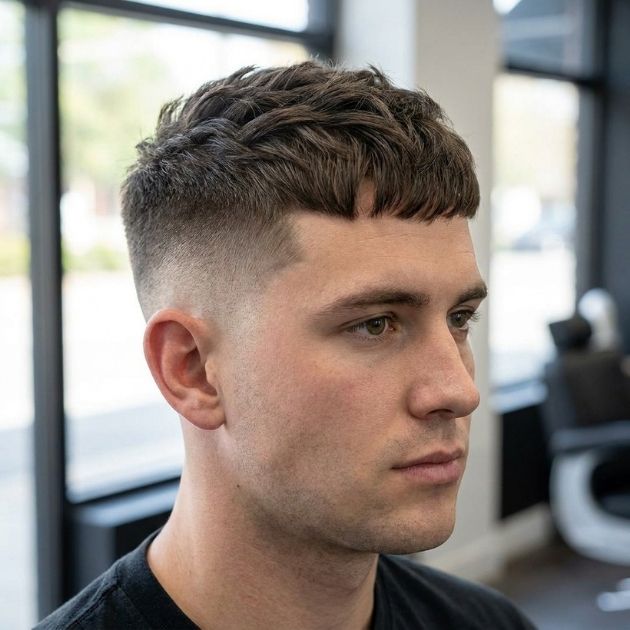
The fade starts lower, near the ears and neckline, producing a soft and subtle transition. This is a strong choice for professional settings since it keeps things sharp without drawing too much attention to the sides.
Mid Fade French Crop
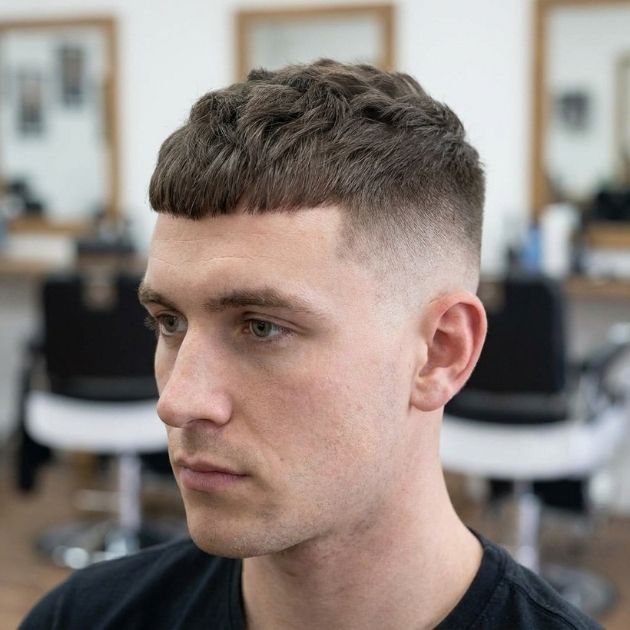
Positioned between the low and high fade, this version starts around the temple area. It creates more visible separation than a low fade while still looking balanced and wearable for everyday life.
Texture Crop Hairstyle
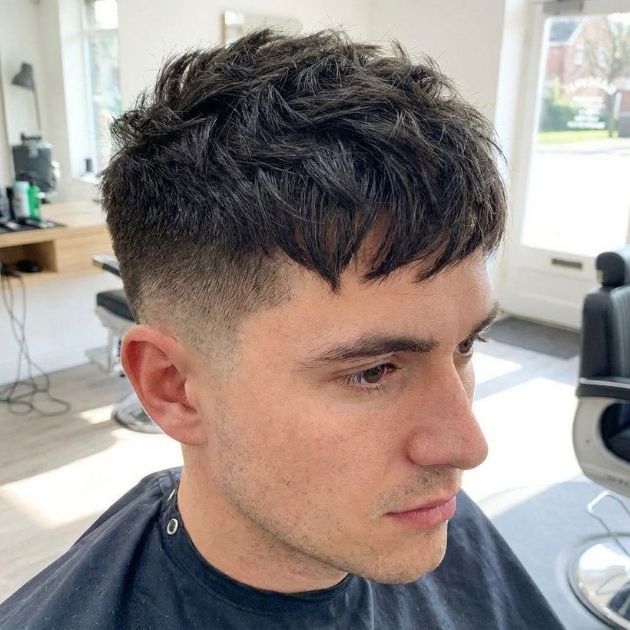
Closely related to the textured crop, this variation emphasizes rough, matte texture across the entire top rather than smooth, defined layers. It is a favorite among men who want a casual, effortless appearance with almost no combing involved.
High Fade French Crop
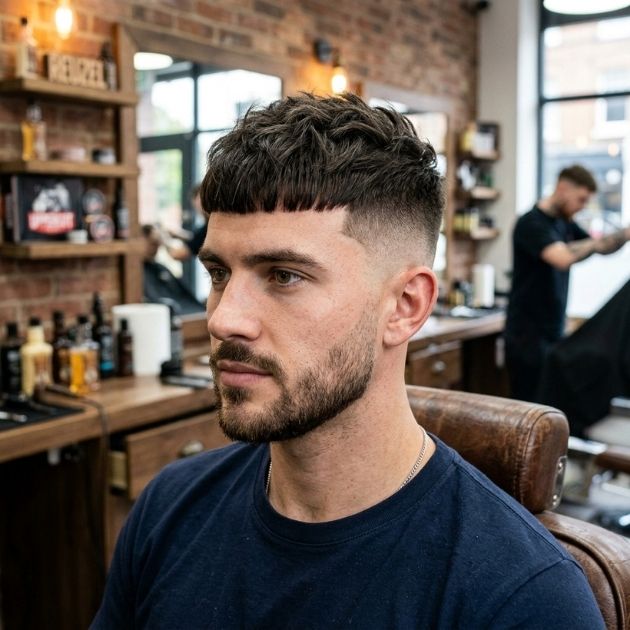
The fade begins much higher on the head, close to the crown, creating dramatic contrast against the longer top. This version looks sharp and modern, and it suits men who want their haircut to feel current and fashion forward.
Skin Fade French Crop
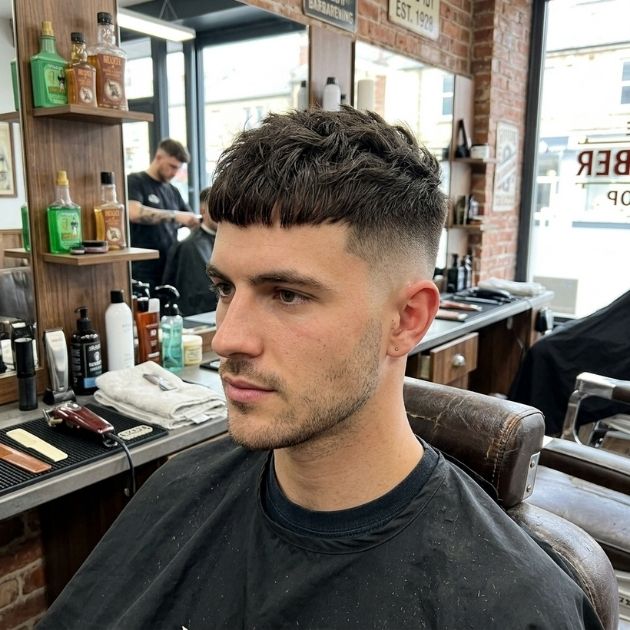
This takes the fade all the way down to bare skin for maximum contrast. It is one of the boldest interpretations of the style and typically needs a touch-up every two to three weeks to keep the clean line intact.
Temple Fade French Crop
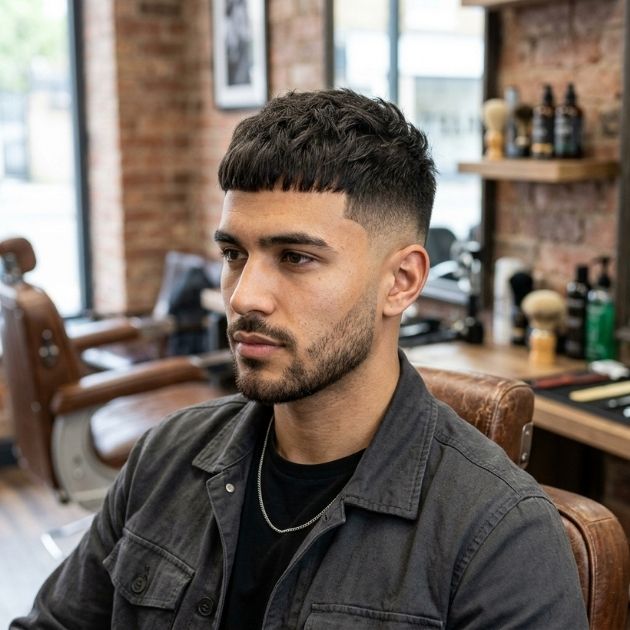
The fade is concentrated specifically around the temples rather than blending across the whole side. This creates a subtle framing effect around the face, which can help balance rounder or fuller face shapes.
Drop Fade French Crop
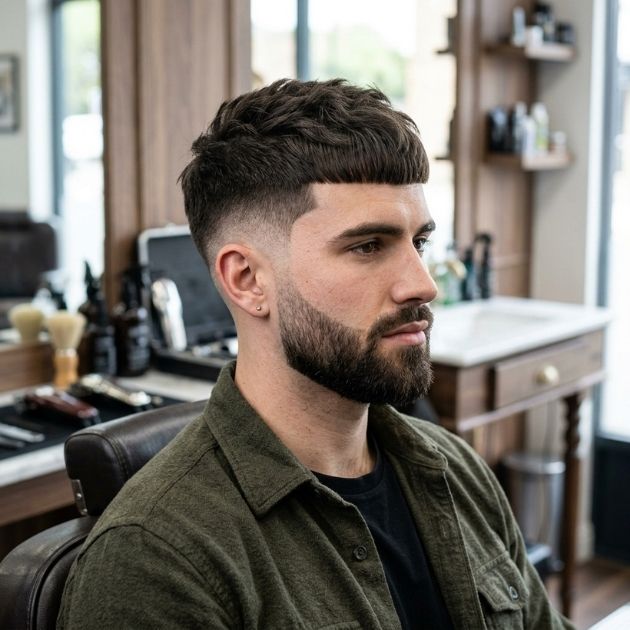
The fade line curves downward behind the ear instead of following a straight path. This adds a bit of visual flair and works particularly well when combined with a longer, textured top.
Tapered French Crop
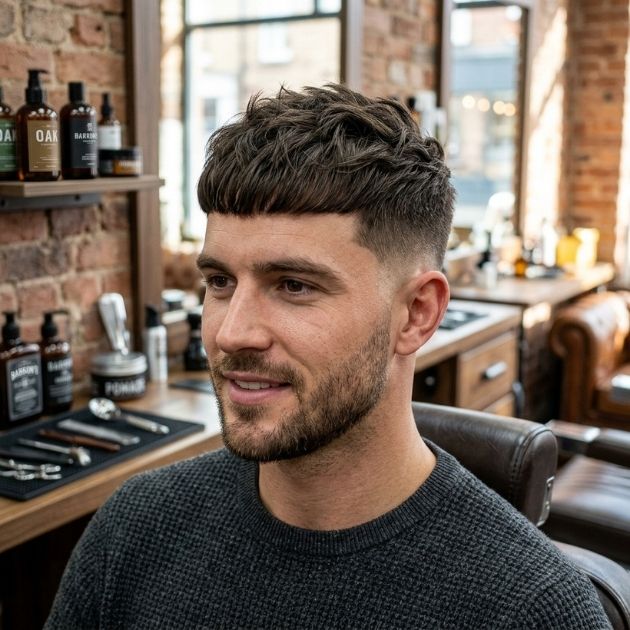
Rather than a hard fade, the sides are gradually tapered using scissors or clippers for a softer transition. This suits men who want a subtler, more classic finish, and it also tends to grow out more gracefully between trims.
Blunt Fringe French Crop
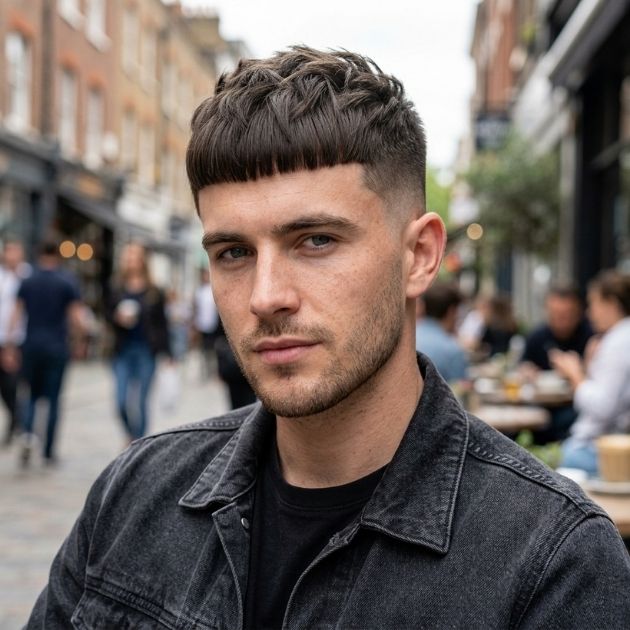
The defining feature here is a straight, sharply cut fringe line across the forehead. It gives the cut a structured, almost architectural look and works best with straight or only slightly wavy hair.
Choppy Fringe French Crop
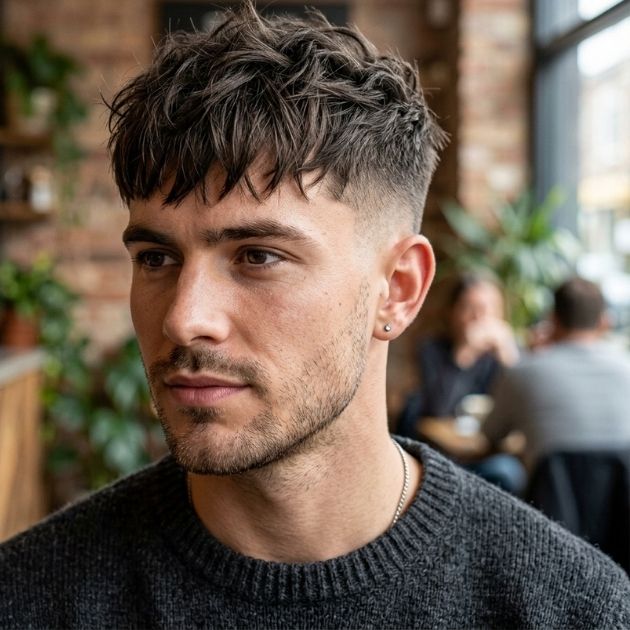
Instead of a clean straight edge, the fringe is cut with jagged, uneven pieces for a more textured and casual finish. It photographs well and suits men who prefer a rougher, less formal aesthetic.
Side-Swept French Crop
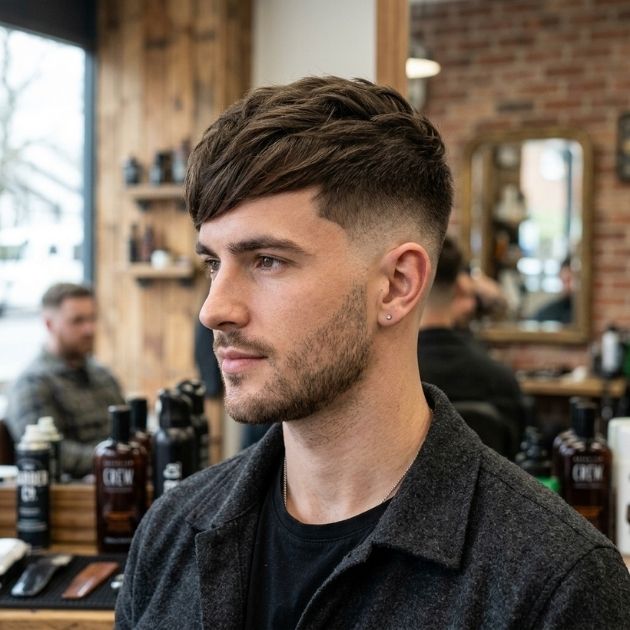
Here the fringe is directed to one side instead of falling straight forward. It softens the overall look and can help balance asymmetrical features or simply offer a fresh variation on the classic forward fringe.
Modern French Crop
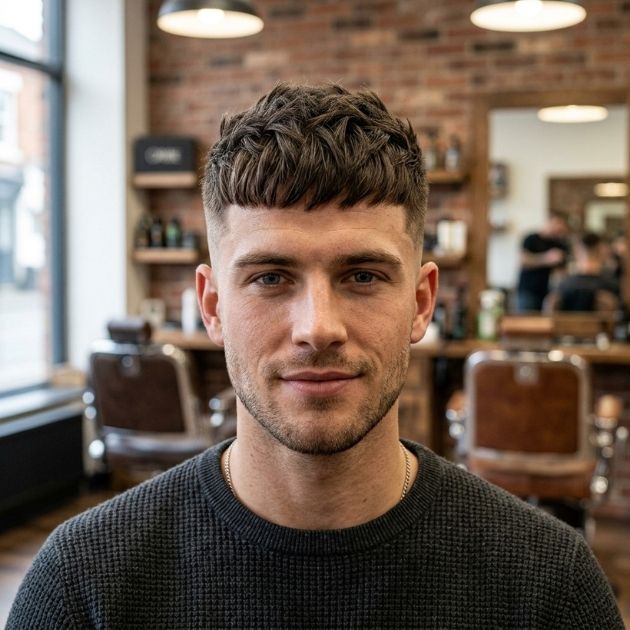
This version leans into bold contrast, pairing dramatic fades or disconnected sides with a longer, choppy top. It is deliberately eye catching and works well for men who want their haircut to stand out rather than blend in.
Disconnected French Crop
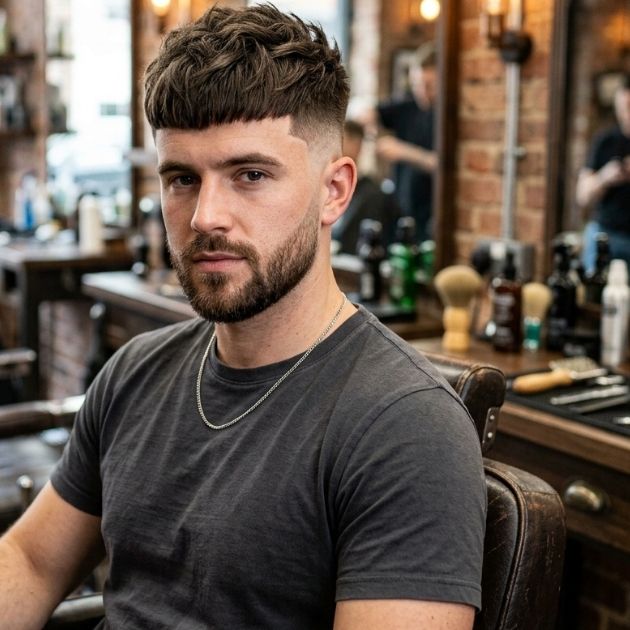
The top and sides are cut with no gradual blending between them, creating two distinct sections. It is one of the sharpest, most graphic takes on the crop and often includes a hard part for extra definition.
Layered French Crop
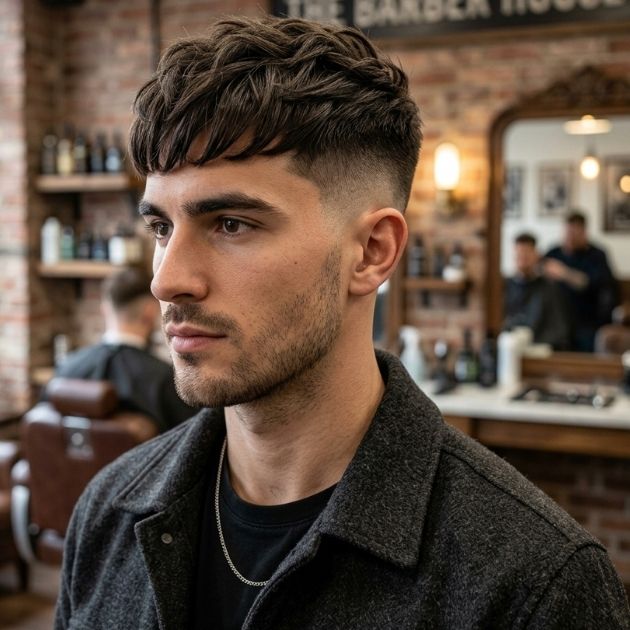
Multiple layers are cut into the top to add depth and dimension, particularly useful for thick hair that needs weight removed. The layers also help the fringe fall more naturally rather than sitting as one dense block.
French Crop with Hard Part
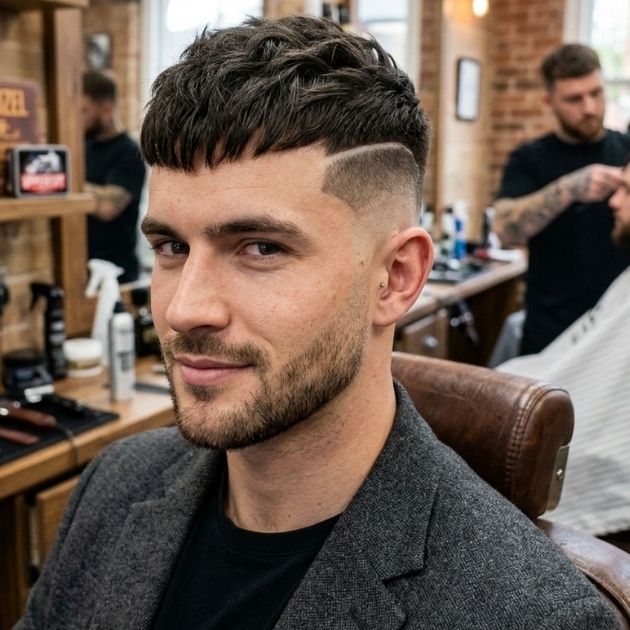
A hard part is shaved directly into the fade line, usually on one side, adding a crisp architectural detail. It works especially well with a low or mid fade and gives the haircut a more finished, deliberate appearance.
French Crop with Beard Fade
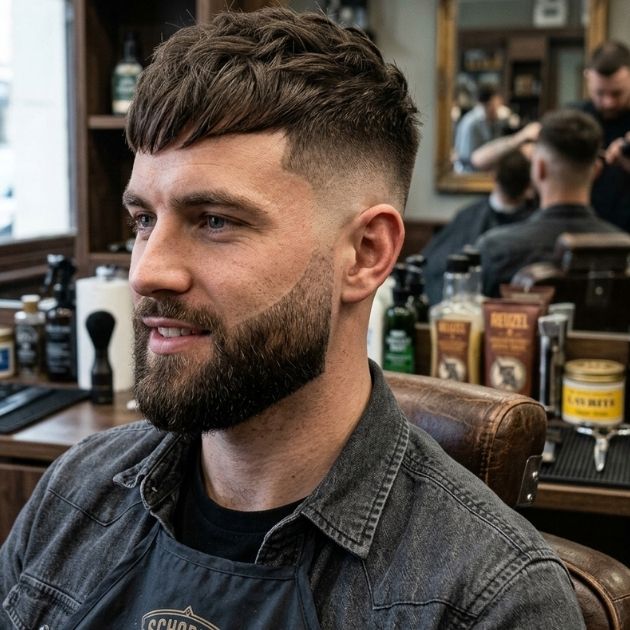
The fade on the sides blends seamlessly into a fade around the beard line, tying the whole look together. This combination has become extremely popular for men who want a coordinated, well groomed appearance from hairline to jaw.
What is the French Crop Haircut?
The French crop is a short men’s haircut defined by three consistent features. It has short, faded or tapered sides, a cropped and often textured top, and a forward styled fringe that sits across the forehead.
Unlike a pompadour or quiff, which are styled up and back, the French crop is always pushed forward toward the face. This forward direction is what gives the cut its signature look, and it is also the detail that separates it from similar short haircuts like the Caesar cut, which tends to be flatter and more uniform in length.
The style traces its roots to early twentieth century military grooming, valued for being practical and easy to maintain. It later crossed into mainstream fashion and gained a significant popularity boost thanks to period dramas that showcased sharp, structured short cuts. Today it sits comfortably in both casual and professional settings, which is a big part of why it has stayed relevant for so long.
Key characteristics of the French crop include:
- Short, tapered or faded sides and back
- A slightly longer, textured top
- A blunt or choppy fringe styled forward
- Compatibility with straight, wavy, curly, and thick hair types
- Minimal daily styling time, usually under five minutes
How to Choose the Right French Crop?
Picking the right version of the French crop comes down to three factors: your hair type, your face shape, and how much daily styling effort you actually want to put in.
Match it to your hair type.
- Straight hair holds a blunt fringe and structured shape well, so classic or short crops tend to look cleanest.
- Wavy hair adds natural texture, making it a great fit for messy or textured crop variations.
- Curly hair benefits from extra length on top, so a curly French crop with a bit more room to move works best.
- Thick hair can carry a longer or layered crop since there is enough density to style, while thin or fine hair usually looks fuller with a textured or texture crop hairstyle.
Match it to your face shape.
- Oval faces suit almost any version of the crop without adjustment.
- Square faces benefit from a structured top and fringe that softens strong jaw angles.
- Round faces look sharper with added height and a fringe that creates visual angles.
- Heart or triangle shaped faces balance well with a fuller fringe that draws attention away from a narrower chin.
Match it to your lifestyle.
- If you want zero fuss, choose a short or classic French crop with a low fade.
- If you enjoy spending a few extra minutes on styling, a messy or textured crop gives more room to experiment.
- If you work in a formal environment, a low fade or tapered French crop keeps things professional while still on trend.
- If you want a bolder, more fashion forward statement, a skin fade or disconnected French crop delivers maximum contrast.
It also helps to bring a reference photo to your appointment. Barbers see dozens of variations of this cut, so a clear picture removes any guesswork about fringe length, fade height, and top texture.
FAQ’s
What is a French crop haircut?
A French crop is a men’s haircut with short, faded or tapered sides, a cropped textured top, and a fringe styled forward across the forehead.
How long does a French crop last between trims?
Most versions need a trim every three to four weeks, though skin fades and curly textures may need touch-ups every two to three weeks.
Is the French crop good for thinning hair or a receding hairline?
Yes, the forward fringe and added texture help disguise thinning areas and soften the appearance of a receding hairline.
Does the French crop work with curly hair?
Yes, curly hair adds natural volume and movement to the fringe, and barbers typically leave slightly more length to allow for shrinkage as curls dry.
What is the difference between a French crop and a Caesar cut?
A French crop allows for fades, texture, and a longer fringe, while a Caesar cut keeps a uniform length with a blunt, minimally styled fringe.
How do I style a French crop at home?
Apply a small amount of matte clay or paste to damp hair, then push it forward with your fingers rather than combing it into place.
Is the French crop suitable for professional workplaces?
Yes, especially versions with a low fade or taper, which look clean and polished without appearing overly edgy.
How much does a French crop haircut typically cost?
Prices generally range from twenty to fifty dollars depending on location and barber experience, with larger cities sitting at the higher end.
Conclusion
The French crop earns its popularity honestly. It works across nearly every hair type and face shape, takes only minutes to style each morning, and can be adjusted from subtle and professional to bold and disconnected depending on your mood. Whether you gravitate toward the classic version with a neat blunt fringe or something sharper like a skin fade with a hard part, the core structure stays reliable and easy to maintain.
The best way to get it right is simple. Know your hair type, understand your face shape, bring a clear reference photo, and stay consistent with trims every three to five weeks. Do that, and the French crop will keep looking sharp no matter which variation you choose in 2026.

Charlotte Aiden is the founder and editor of FaxhionTips.com, where he shares practical insights on the latest haircut trends, hairstyles, grooming tips, and hair care advice. Passionate about modern style and easy-to-follow beauty guidance, Charlotte creates well-researched content to help readers choose the best haircuts and maintain healthy, stylish hair with confidence.