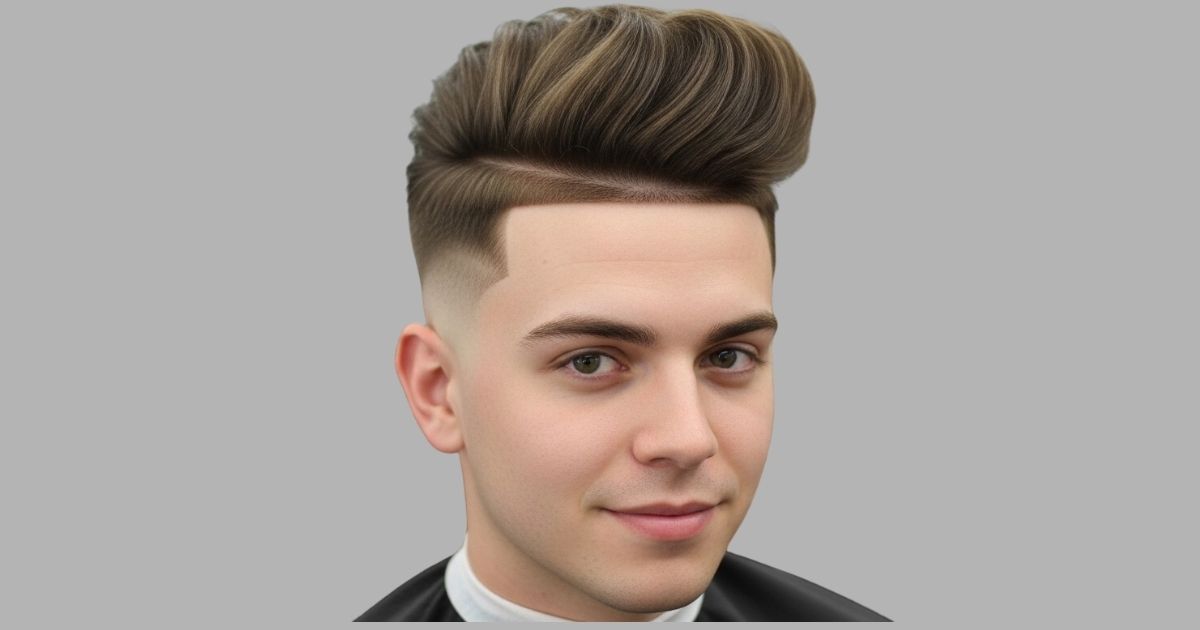
If you have walked past a barbershop lately and done a double-take at someone’s hair, there is a solid chance they were rocking a low taper fade blowout. This cut has gone from a neighborhood staple to a full-blown runway moment, and in 2026, it is showing absolutely zero signs of slowing down.
Whether you are stepping into the barber chair for the first time or looking to sharpen up your current style, this guide covers everything: what the cut actually is, which variation works for your hair type, how to talk to your barber, and how to style it in under seven minutes every morning. Let’s get into it.
What Exactly Is a Low Taper Fade Blowout?
A low taper fade blowout is a men’s haircut that combines two distinct techniques into one cohesive, head-turning style.
The low taper fade refers to the gradual transition of hair length that begins near the ears and neckline, sitting low on the sides of the head. Unlike a mid or high fade, the low taper keeps a more natural, “lived-in” look because the blending zone stays close to the natural hairline. There are no harsh lines or abrupt skin-level cuts unless you specifically ask for them.
The blowout is what happens on top. The hair is lifted, volumized, and styled using a blow dryer, typically with a round brush or pick, creating a full, airy crown that contrasts beautifully with the tight, clean sides below.
Together, the result is bold on top and calm on the sides. It is sharp without being severe, modern without being try-hard, and versatile enough to work in a boardroom or at a backyard cookout.
Low Taper Fade vs Blowout Taper: What’s the Real Difference?
These two terms are often used interchangeably, but they actually describe slightly different styles.
A low taper fade is primarily about the sides. The fade begins low, near the ears and neckline, and the hair blends smoothly upward. The top can be styled in any number of ways.
A blowout taper puts the emphasis on the top. The sides are tapered and clean, but the defining feature is the lifted, voluminous styling on the crown. The blowout is the main event, and the taper is the supporting structure that makes it look polished.
When you combine both, you get the low taper fade blowout: clean, graduated sides with a full, textured top that commands attention.
The Evolution: From Street Corners to 2026 Runways
The blowout taper traces its roots back to urban barbershop culture, where it was a go-to for young men who wanted big style without big maintenance. It gained real momentum in the early 2010s and has only grown from there.
By 2026, the style has evolved. Barbers are now pairing it with modern mullets, textured crops, perms, and even color treatments. What was once considered a youthful, edgy look has crossed into mainstream fashion weeks and editorial shoots. The clean-yet-chaotic energy of the low taper fade blowout fits perfectly with 2026’s broader menswear aesthetic: relaxed on the surface, intentional underneath.
Who Should Get the Low Taper Fade Blowout?
The honest answer is: most men. But let’s break it down properly.
Face Shapes
- Oval faces: Lucky you. Almost any variation of this cut works, from a tight textured crop to a longer layered top.
- Round faces: The volume on top from the blowout works in your favor by adding vertical height and making the face appear longer and more defined.
- Square faces: The soft blowout on top balances a strong jaw. Avoid overly sharp line-ups that add more angles to an already angular face.
- Heart-shaped faces: Keep the sides tight and the top moderate in volume. A textured fringe helps balance a wider forehead.
- Oblong/long faces: A lower blowout with more width on the sides creates the illusion of a broader, more balanced head shape.
Hair Types
- Straight hair: Achieves a sharp, structured blowout with volume product and a round brush. Works especially well for the clean and classic variation.
- Wavy hair: The natural texture adds movement and body to the blowout without much effort. Use a curl cream and diffuser for a messy-but-intentional finish.
- Curly hair: One of the best hair types for this cut. Curls hold shape beautifully at the crown, creating dramatic contrast with the clean fade below.
- Thick hair: The low taper helps remove bulk on the sides while the blowout lets you show off that density on top.
- Fine hair: A volumizing mousse and a round brush can mimic the blowout effect well. Some men with fine hair opt for a light perm to give the style more staying power.
Lifestyle
- Office workers: The clean classic variation or textured crop keeps things polished and professional.
- Students and creatives: The curly perm or broccoli cut variations add personality and individuality.
- Active guys: The blowout holds up well through the day with the right products, but plan for a quick restyle after workouts.
- Low-maintenance guys: This cut actually grows out gracefully because the transition is gradual, meaning you can go three to four weeks between cuts and still look reasonably sharp.
Top 7 Men’s Low Taper Fade Blowout Styles Actually Trending in 2026
These are not just any variations. These are the cuts being requested most in barbershops right now.
Modern Mullet
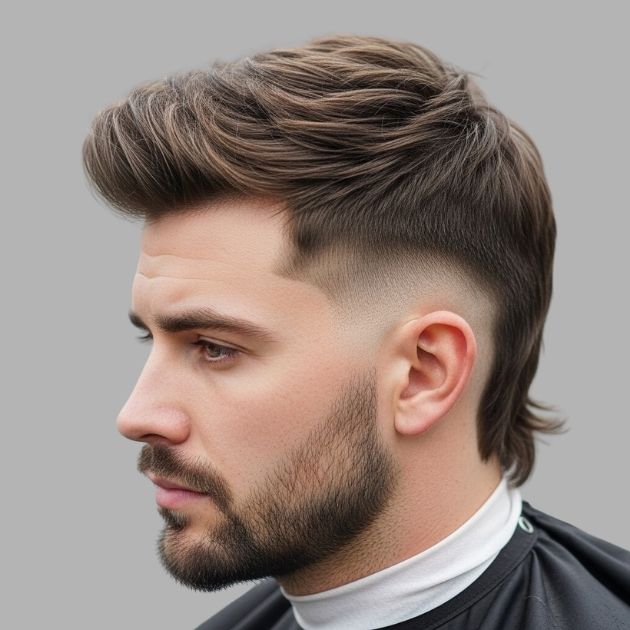
The modern mullet is having a serious comeback and the low taper fade is its best friend. Short on the sides with a clean taper, the top and back grow out into a flowing, layered shape that is equal parts retro and current. The blowout technique adds volume to the crown while the length drops naturally into the neck. Style with a matte paste and let the back air-dry for effortless movement.
Textured Crop with Fringe
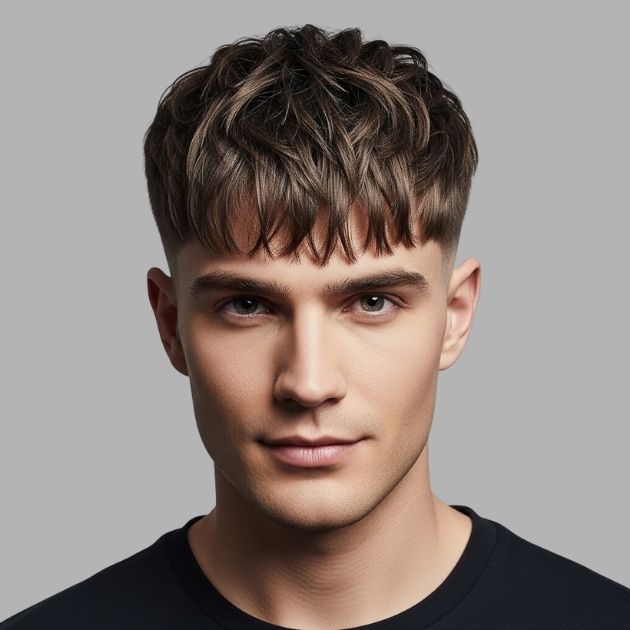
This variation pairs a tight low taper fade with a short, textured top and a soft fringe that falls toward the forehead. It is casual, low-maintenance, and extremely popular among younger men. A small amount of matte clay or texture powder defines the fringe and gives the crop a lived-in finish. Works particularly well on straight and slightly wavy hair.
Low Taper Fade (Clean and Classic)
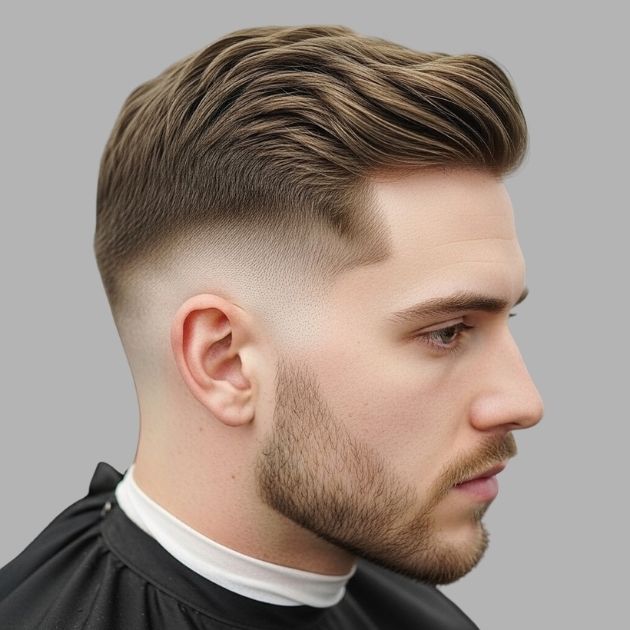
Sometimes the original is the best. The clean and classic low taper fade features a precise, graduated fade starting at the ears with no harsh lines and a polished top. It works in professional environments, suits all hair types, and is the easiest to maintain between cuts. If you are new to fades, this is the version to start with.
Curly Perm / Loose Waves
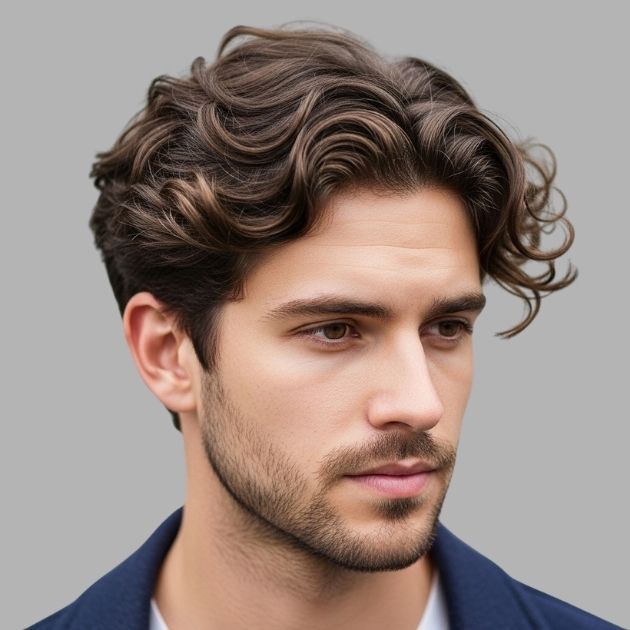
This might be the most requested look of 2026. Men with naturally straight or slightly wavy hair are getting perms to achieve defined, bouncy curls or loose waves that sit dramatically above a crisp low taper fade. The contrast between the textured, voluminous top and the clean sides is striking. Use a curl cream and diffuser, and skip the brush entirely to preserve curl definition.
Broccoli Cut
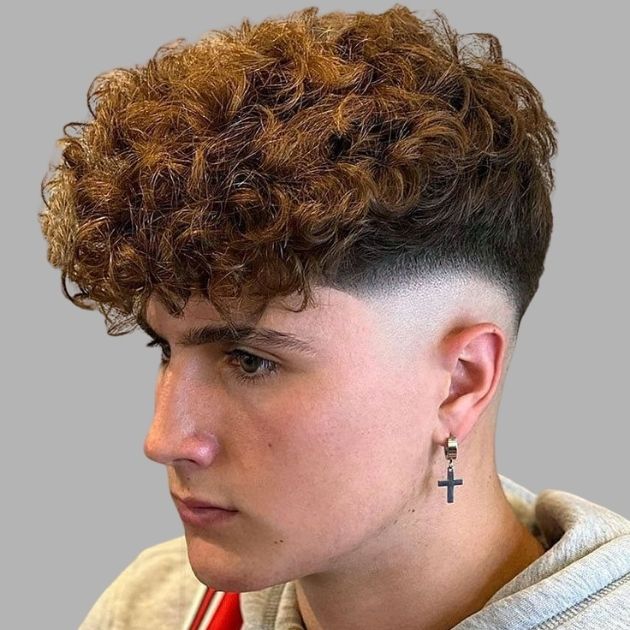
Yes, it has a silly name. No, it does not look silly at all. The broccoli cut is essentially a rounded, full top paired with a low taper fade below. The top hair is dense and curly, creating a shape that resembles (you guessed it) a head of broccoli. On the right face shape and hair type, it looks incredibly stylish. It is especially popular in the 16-to-25 age bracket and is frequently spotted on social media and runways.
Blowout Low Taper Fade
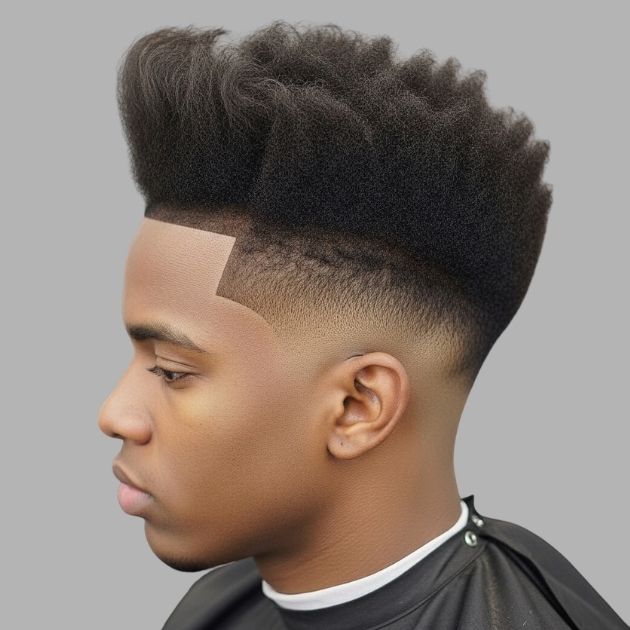
This is the quintessential version of the style: a full, air-lifted top styled straight up and back, combined with a tight, clean low fade on the sides. Volume is the goal here. Use a round brush while blow-drying, work in sections from the root upward, and finish with a light volumizing spray or mousse. Ideal for thick and medium-density hair.
Long Layered Flow
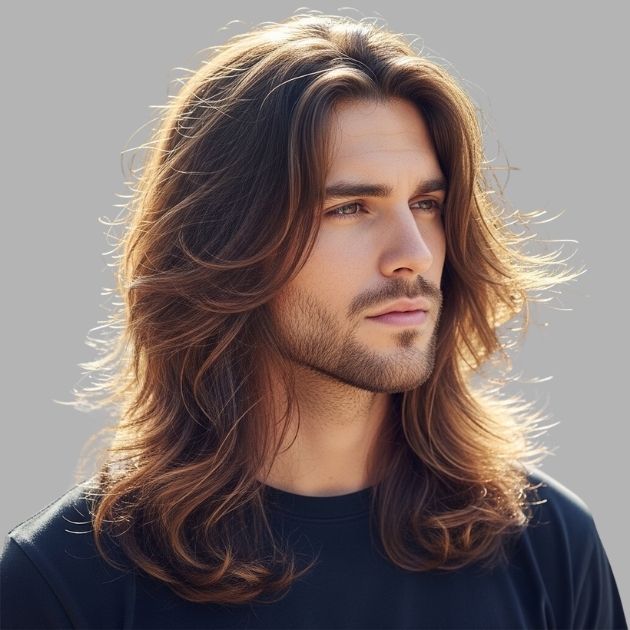
For men growing their hair out, the long layered flow pairs longer, layered top hair with a subtle low taper on the sides and neckline. The blowout technique keeps the top voluminous and shaped rather than flat and heavy. A heat protectant and a lightweight molding paste keep the layers defined without stiffness.
Pros and Cons for Low Taper Fade Blowout
Pros:
- Works on almost every hair type and face shape
- Grows out gracefully with minimal awkwardness
- Looks polished in professional and casual settings
- Highly customizable: change the top style without changing the fade
- Provides excellent contrast between the clean sides and full top
- Relatively low-maintenance once the initial cut is established
Cons:
- The blowout requires a blow dryer and at least five minutes of morning styling
- Fine hair may struggle to hold the volume without heavy product use
- Requires trimming every two to three weeks to keep the fade sharp
- Humidity can flatten the blowout effect, requiring touch-up products
- Not ideal for men who prefer a completely wash-and-go routine
How to Ask Your Barber (Exact Script)
Walking in without a clear description is how you end up with something you did not want. Use this script:
“I want a low taper fade blowout. Keep the fade starting low, right around the ears and neckline, and blend it gradually. No skin fade, just a clean, natural taper. On top, leave enough length for me to blow dry it up for volume. I want [textured/curly/smooth] texture on the crown.”
Then pull out your phone and show a photo. Seriously. A photo eliminates 90 percent of miscommunication. Show both a front and a side view if you can find them.
Additional things to tell your barber:
- Whether you want a hard part or a natural side part
- If you want a line-up (a sharp, defined hairline at the front)
- How much length you want left on top (in inches is clearer than vague descriptors)
- Whether you want the neckline squared off or tapered naturally
Step-by-Step: How to Cut It (Barber Version)
For barbers reading this, here is the standard technical approach:
- Start with a detailed consultation. Identify hair type, density, and the client’s styling habits.
- Section the hair and establish the top length. Work with scissors or shears for the crown, leaving enough bulk for the blowout effect.
- Set the fade line low, just above and around the ears, connecting to the neckline naturally.
- Use clippers with a guard (typically a 1 or 1.5 for the lowest point) and blend upward with increasing guards (2, 3, and blending guard) to create the graduated taper.
- Use scissors over the comb to blend the fade seamlessly into the longer top hair.
- Clean up the neckline. For a more natural look, taper it; for a sharper look, square it off.
- Style the top with a blow dryer and round brush to show the client how the blowout will look.
- Refine any stray hairs, clean the edges, and apply a light finishing product.
At-Home Touch-Up and Daily Styling (5-7 Minutes)
You do not need to be a professional to nail this every morning. Here is the routine:
- Towel-dry your hair until it is damp, not dripping.
- Apply your product of choice (see section below) from root to mid-shaft.
- Turn your blow dryer to medium-high heat. Use a round brush or a pick to lift sections of hair from the roots upward as you dry.
- Work in sections: start at the back, move to the sides, finish at the front.
- Once the shape is set, switch to cool air for 20 to 30 seconds to lock in the volume.
- Use your fingers or a comb to refine the shape and distribute any remaining product.
Total time: five to seven minutes once you are practiced.
Maintenance and Grow-Out
One of the best things about this haircut is how it ages between visits.
- Weeks 1-2: Looking sharp and fresh. The fade is crisp and the top has plenty of volume.
- Weeks 2-3: The fade starts to soften slightly, but the overall shape holds well. A quick touch-up on the neckline with a home trimmer keeps things tidy.
- Weeks 3-4: The fade has grown out noticeably, but the blowout top still looks intentional. Many men find this grown-out version to be one of their favorite stages.
- Week 4 and beyond: Time for a barber visit to restore the fade and trim any split ends on the top.
To extend the life of the fade between cuts, use a small trimmer to clean the neckline once a week. Sleep on a satin or silk pillowcase to reduce friction and prevent the style from getting matted overnight.
Celebrities and Influencers Killing It in 2026
The low taper fade blowout has serious cultural traction right now. While specific celebrity hairstyles change quickly, the cut has been seen dominating across sports, music, and social media in 2026. Athletes are pairing it with sharp line-ups and trimmed beards. Music artists are leaning into the curly perm variation. Style influencers on short-form video platforms are making the broccoli cut and textured fringe crop go viral.
If you want current inspo, search for the style on Instagram or TikTok and you will find thousands of tagged barbershop photos showing exactly what is trending right now in your region.
Low Taper Fade vs Blowout Taper: Clearing the Confusion
Let’s put this debate to rest for good.
| Feature | Low Taper Fade | Blowout Taper | Low Taper Fade Blowout |
| Focus | Gradual sides | Voluminous top | Both combined |
| Fade height | Low (near ears/neck) | Varies | Low |
| Top styling | Any style | Blow-dried volume | Blow-dried volume |
| Best for | All hair types | Medium to thick | Medium to thick |
| Maintenance | Every 3-4 weeks | Every 2-3 weeks | Every 2-3 weeks |
The low taper fade is a base. The blowout taper is a styling approach. The low taper fade blowout is what happens when you apply the blowout styling to a low taper fade foundation. Simple as that.
How to Style Your Low Taper Fade Blowout (7-Minute Routine)
Tools You Need
- A quality blow dryer (at least 1800 watts for enough power)
- A medium round brush for straight and wavy hair, or a wide-tooth pick for curly hair
- A comb or fingers for finishing
- A small handheld mirror for checking the back
- A good product (see below)
Products by Hair Type
Straight hair:
- Volumizing mousse applied to damp hair before drying
- Lightweight matte clay for shaping after drying
- Avoid heavy waxes or oil-based pomades that flatten volume
Wavy hair:
- Curl-enhancing cream or sea salt spray on damp hair
- Let sections air dry slightly before using the blow dryer on a lower heat setting
- Matte paste for light hold and texture definition
Curly hair:
- A quality curl cream or leave-in conditioner to define the curl pattern
- Diffuser attachment on the blow dryer (never use a regular nozzle on curls)
- Light hold gel to reduce frizz without crunching the curl
Thick hair:
- Volumizing spray or lightweight mousse
- Do not skip the heat protectant, thick hair can handle heat but still benefits from protection
Fine hair:
- A thickening spray before drying is essential
- Dry shampoo at the roots can add texture and grip
- Use a firm volumizing foam and avoid anything labeled “heavy hold”
Common Mistakes to Avoid
- Skipping heat protectant: Blow drying without it causes long-term dryness and breakage, especially on curly hair.
- Using too much product: A coin-sized amount of most products is enough. More product does not mean more hold. It usually means a flat, greasy finish.
- Drying hair completely flat: Always work the roots upward while drying. Drying hair flat first and then trying to add volume afterward rarely works.
- Ignoring the neckline: A fuzzy neckline between barber visits makes even a great cut look neglected. A quick clean-up with a home trimmer once a week makes a major difference.
- Going too long between cuts: The low taper is the part of this style that needs the most upkeep. Once the fade blends out completely, the contrast that makes the cut striking is lost.
- Over-styling with heat: Daily blow drying is fine with a protectant, but if you can let your hair air dry partially before finishing with the dryer, your hair will be healthier in the long run.
Frequently Asked Questions
How long does a low taper fade blowout last?
The style typically looks its sharpest for two to three weeks before the fade begins to grow out noticeably.
Is the low taper fade blowout suitable for Black men?
Absolutely. Curly and coily hair textures create stunning contrast with the clean fade, and the blowout adds incredible volume and definition on top.
Can I get this cut on short hair?
Yes, though the blowout effect requires at least two to three inches of length on top to achieve noticeable volume.
Does the blowout style work on fine hair?
It does, but you will need volumizing products and possibly a texture spray to help fine hair hold the lift throughout the day.
How often should I visit the barber for this cut?
Every two to three weeks keeps the fade crisp. If you do not mind a softer grow-out, every three to four weeks is manageable.
Will this cut work for a professional office setting?
Yes. The clean and classic low taper fade variation is one of the most office-appropriate modern haircuts available.
Can I achieve the blowout at home between barber visits?
Absolutely. With a decent blow dryer, a round brush, and the right product for your hair type, the blowout takes under seven minutes once you have the technique down.
Conclusion
The low taper fade blowout is not a trend that appeared overnight and will disappear by next season. It has earned its place as a modern classic because it works: it suits most face shapes, adapts to nearly every hair type, scales from streetwear to formal settings, and gives you that fresh-out-of-the-barber-chair feeling for weeks at a time.
Whether you go for the dramatic curly perm variation, the casual textured crop, or the timeless clean and classic version, the foundation remains the same: clean, graduated sides meeting a full, styled top.
Take this guide to your next barber appointment, show a photo, use the script, and walk out looking like you put in way more effort than you actually did. That is the real magic of a great haircut.

Charlotte Aiden is the founder and editor of FaxhionTips.com, where he shares practical insights on the latest haircut trends, hairstyles, grooming tips, and hair care advice. Passionate about modern style and easy-to-follow beauty guidance, Charlotte creates well-researched content to help readers choose the best haircuts and maintain healthy, stylish hair with confidence.