
The mullet is back, making waves in modern men’s grooming. Once a signature look of the ’80s, the mullet haircut has been reimagined with contemporary styling, combining short sides with a longer back for a bold, versatile style. Whether you’re going for a classic mullet, a modern mullet, or a shaggy mullet, here’s how to achieve the perfect mullet and the best Bullfrog products to keep it looking sharp.
If you’ve scrolled through social media lately, you’ve probably noticed the mullet showing up everywhere: on musicians, footballers, actors, and regular guys who just want a haircut with personality. What was once dismissed as an outdated relic of the ’80s has become one of the most requested cuts in barbershops today. The reason is simple. The mullet gives you the best of both worlds, a neat, controlled front and sides paired with length and movement in the back. It’s expressive without being high maintenance, and it works on far more hair types and face shapes than people expect.
This guide breaks down everything you need to know: what a mullet actually is, how to get one cut right, the different styles you can choose from, and how to maintain it at home using the right Bullfrog grooming products. By the end, you’ll know exactly what to ask your barber for and how to keep the look sharp between appointments.
What Is a Mullet?
A mullet is a haircut defined by one simple contrast: short hair on the top, front, and sides, and noticeably longer hair left at the back and nape. This is often summed up with the classic phrase “business in the front, party in the back.”
The style originally rose to fame in the 1970s and 1980s, worn by rock stars, footballers, and pop icons who wanted a cut that felt rebellious yet easy to manage. It fell out of fashion for years, often mocked as a dated look, but it has made a strong comeback thanks to a new generation of stylists who have refined it with modern techniques.
Today’s mullet isn’t the exaggerated, feathered version from decades ago. Modern barbers combine the traditional shape with fades, tapers, and textured layers, giving the cut a cleaner, more intentional finish. A few defining features set a good mullet apart:
- Short, tapered or faded sides that keep the front polished
- A top section with enough length to add texture and movement
- A distinctly longer back section that creates the signature silhouette
- A gradual, well-blended transition between the short and long areas
The mullet also works across a wide range of hair textures, from straight and fine hair to thick, curly, or wavy hair, which is a big part of why it has stayed popular. Curly hair in particular adds natural volume to the back section, while straight hair gives a sleeker, more defined shape.
How to Achieve the Perfect Mullet
Getting a mullet that actually looks good, rather than just long in the back, comes down to preparation, sectioning, and precision. Here’s how the process typically works, whether you’re sitting in a barber’s chair or attempting a careful DIY version at home.
1. Start With Clean, Detangled Hair
Wash and dry the hair before cutting. Product buildup or tangled strands make it harder to see the natural fall of the hair, which leads to uneven results.
2. Section the Hair Into Zones
A skilled barber will part the hair into three main zones: the top, the sides, and the back. A horizontal line from ear to ear usually separates the top section from the back, and the top is clipped up out of the way while the sides and back are worked on first.
3. Cut the Sides and Fade First
The sides are typically faded or tapered using clippers, moving from a shorter guard near the ear up to a slightly longer length as you move toward the crown. This creates the clean, controlled base that makes the length at the back stand out.
4. Shape the Back Section
This is where the mullet earns its name. The back is left considerably longer than the sides and can be cut straight across for a bold, chunky look or layered for softer, shaggier movement. The length should flow naturally from the faded sides into the longer back without a harsh, choppy line.
5. Blend the Top
The top is cut last and should be slightly longer than the sides but still shorter than the back. Blending is the step that separates a professional-looking mullet from a rough one, so the transition between all three zones should feel seamless, not stepped.
6. Check the Balance
Before finishing, a good barber will check the cut from multiple angles to confirm the proportions look balanced. The goal is a shape that looks deliberate from every angle, not just from the front.
If you’re attempting this at home, take it slow, use a mirror setup that lets you check the back, and remove hair gradually. It’s far easier to cut more off later than to fix a section that’s too short.
Types of Mullets to Try
Not every mullet looks the same, and choosing the right variation depends on your hair type, face shape, and how bold you want the contrast to be.
- Classic mullet: Closely mirrors the original ’80s shape, with fuller sides and a straight, noticeably long back. Best suited to those who want maximum contrast and don’t mind a statement look.
- Modern mullet (fade mullet): Pairs a skin or high fade on the sides with a textured top and a moderately long back. This is the most requested version today because it looks sharp in professional settings while still keeping the mullet’s rebellious edge.
- Shaggy mullet: Uses heavy layering and texture throughout, especially in the back, for a looser, more effortless look. It suits wavy and curly hair particularly well.
- Curly mullet: Leans into natural curl pattern instead of fighting it, with the back left long enough to show off bounce and volume.
- Short mullet: A more subtle take with less dramatic length at the back, ideal for anyone easing into the style or working in a more conservative environment.
Whichever variation you choose, bring reference photos to your barber and be specific about how long you want the back to stay. Vague instructions are one of the most common reasons a mullet doesn’t turn out the way people expect.
How to Maintain and Style a Mullet with Bullfrog

A mullet’s shape depends on regular care. Because the cut mixes two very different lengths, it needs products that can control the shorter sides while still letting the longer back move naturally. Here’s how to build a simple, effective routine using Bullfrog’s grooming lineup.
Start With the Right Wash Routine

Healthy hair styles better. Bullfrog’s Nourishing Restorative Shampoo cleanses without stripping natural oils, which matters for a mullet since dry, brittle ends at the back are harder to shape and prone to looking messy. Washing two to three times a week, rather than daily, also helps preserve natural texture, which benefits the longer sections most.
Build Texture With Bullfrog Sculpting Matt Wax
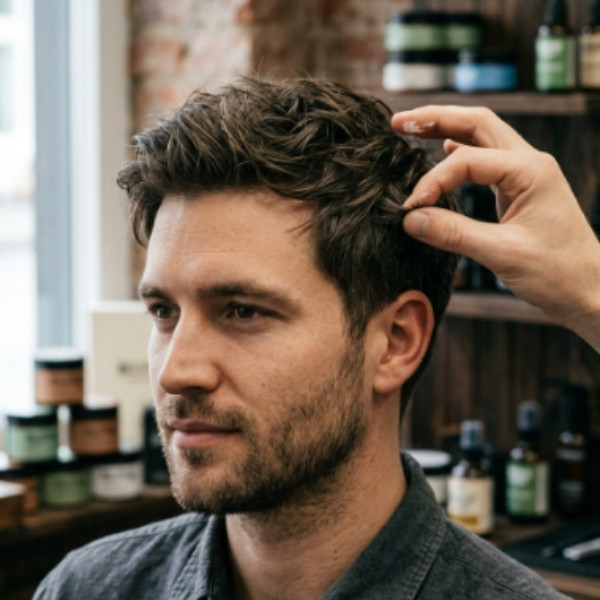
For a modern or shaggy mullet, texture is everything. Bullfrog’s Sculpting Matt Wax offers a firm, matte hold that defines and separates strands without leaving hair stiff or greasy. Warm a small amount between your palms and work it through the top and back to create that lived-in, textured finish that modern mullets are known for.
Add Shine and Control With High Definition Glossy Pomade
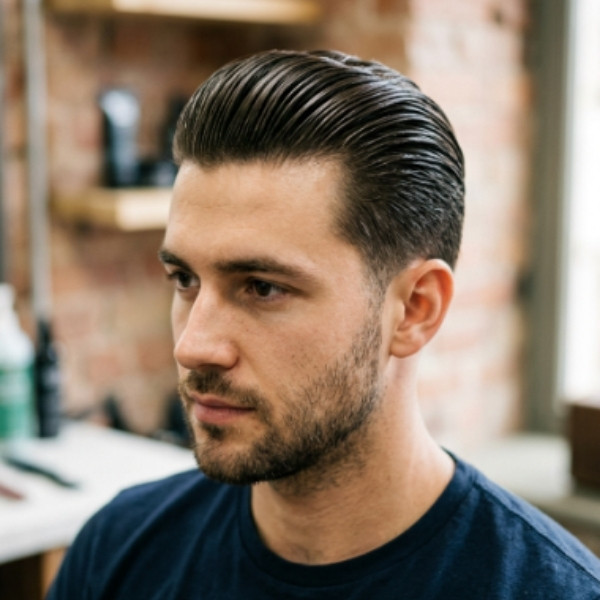
If you’re leaning toward a classic mullet with a sleeker finish, Bullfrog’s High Definition Glossy Pomade delivers strong hold with a glossy, polished look. It’s water-based, so it washes out easily and won’t build up on the scalp, which is useful if you’re styling daily.
Shape Naturally With Natural Effect Molding Paste

For guys who want a softer, more undone finish, especially on the shorter top and side sections, the Natural Effect Molding Paste gives flexible hold without the shine of a pomade. It’s a good middle ground between wax and gel for everyday styling.
Add Grit With Texturising Matt Effect Powder
The back of a mullet often needs a lift to avoid looking flat, particularly on fine or straight hair. Bullfrog’s Texturising Matt Effect Powder adds volume and grip at the root, which helps the longer back hold its shape throughout the day.
Lock In the Look With Super Hold Fixing Spray

Once your mullet is styled, a light mist of Bullfrog’s Super Hold Fixing Spray helps keep everything in place, especially useful for windy days or long shifts where you need the shape to last.
A Simple Daily Routine
- Wash with the Nourishing Restorative Shampoo two to three times a week.
- Apply a small amount of wax or paste to damp or towel-dried hair.
- Style the sides and top first, then shape the back with your fingers for movement.
- Use texturising powder at the roots if you need extra volume.
- Finish with fixing spray to hold the shape through the day.
Keep Up With Trims
Even a low-maintenance mullet needs attention. Getting the sides trimmed or the fade refreshed every three to four weeks keeps the contrast sharp, while the back can be left to grow for months before it needs shaping. Regular light trims on the longer section also prevent split ends, which is where the restorative shampoo and a good conditioning routine make a real difference.
Conclusion
The mullet has earned its place as one of the most versatile and expressive haircuts in modern men’s grooming. It works across hair types, adapts to fades, texture, and curl, and gives you a look that feels personal rather than generic. Getting it right starts with a precise cut that balances the short sides against the longer back, but the real key to keeping it sharp day to day is a consistent styling routine. With the right Bullfrog products, from the Sculpting Matt Wax to the Texturising Matt Effect Powder, you can shape, hold, and maintain your mullet so it looks intentional, not accidental, no matter which version of the cut you choose.
Frequently Asked Questions
Is the mullet a good haircut for beginners?
Yes. A modern faded mullet is one of the easier variations to grow into and maintain, especially with regular trims on the sides.
Does a mullet suit curly hair?
Curly and wavy hair actually works very well with a mullet, since the natural volume adds fullness to the longer back section.
How often should I trim a mullet?
Trim the sides and fade every three to four weeks, while the back can typically go two to three months between shaping trims.
What Bullfrog product is best for a shaggy mullet?
The Sculpting Matt Wax or Natural Effect Molding Paste both work well for building texture without weighing the hair down.
Can I style a mullet without heat tools?
Yes. Most mullets are styled using fingers and the right hold product, such as a wax, paste, or pomade, without needing a blow dryer or straightener.

Charlotte Aiden is the founder and editor of FaxhionTips.com, where he shares practical insights on the latest haircut trends, hairstyles, grooming tips, and hair care advice. Passionate about modern style and easy-to-follow beauty guidance, Charlotte creates well-researched content to help readers choose the best haircuts and maintain healthy, stylish hair with confidence.