Walk into almost any barbershop right now and you will hear the same request over and over: “give me a mid taper, keep it clean.” There is a reason this cut has become the default choice for so many Black men in 2026. It sits in that sweet spot between a low taper’s subtlety and a high taper’s boldness, and it adapts to nearly every hair type, from tight coils to locs to waves.
This guide breaks down exactly what a mid taper fade is, why it works so well for Black hair, and 35 real style variations you can bring to your next barber appointment. You will also find a maintenance plan, a short history of the cut, and answers to the questions people search for most.
What Is a Mid Taper Fade for Black Men and Why Does It Work So Well?
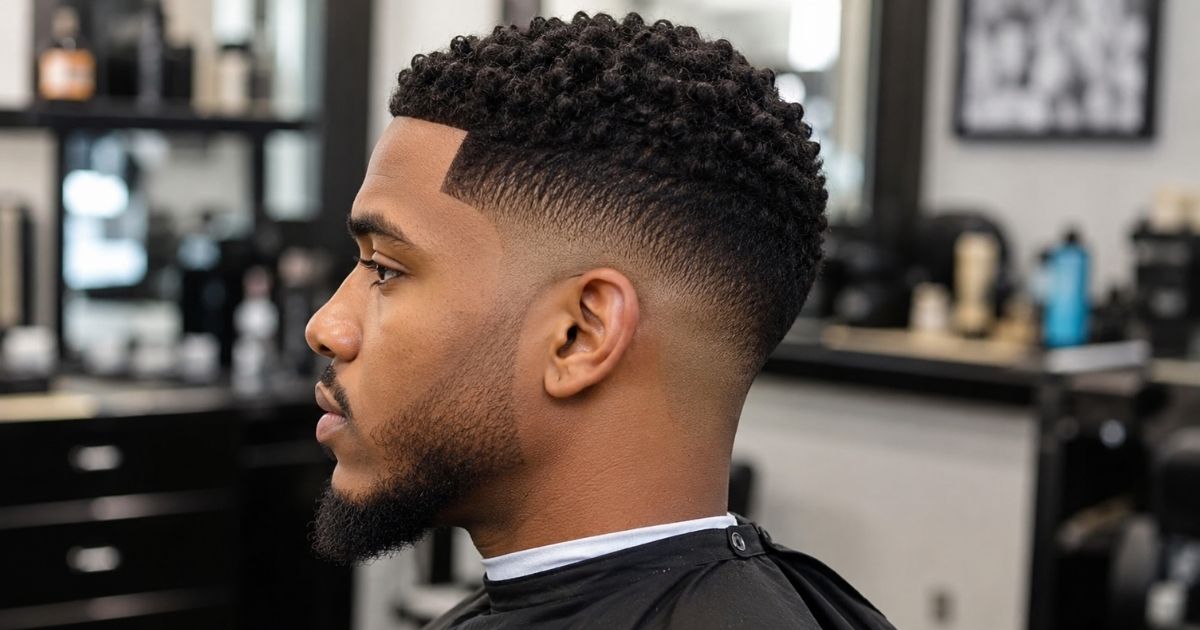
A mid taper fade is a haircut where the hair gradually shortens starting around the midpoint of the head, usually an inch or two above the ear, and blends down into the skin or a very short length at the neckline. It is not as dramatic as a high fade and not as understated as a low fade, which is exactly why so many barbers call it the most balanced option in the chair.
For Black men specifically, the mid taper fade has become a staple because it frames the face without shaving too much of the scalp, keeps enough length on the sides to work with different hair densities, and pairs cleanly with almost any top style, whether that is an afro, twists, locs, or a simple buzzed crop.
What is a mid-taper fade?
In barbering terms, a mid taper fade is defined by where the fading action begins. Instead of starting high on the crown (a high fade) or low near the neckline (a low fade), the transition point sits roughly in the middle of the head, between the temple and the ear. From there, the hair tapers down in stages, shortest at the bottom and gradually longer as it moves up toward the top section, which is left at whatever length the client wants.
This mid-point starting position is what gives the cut its reputation for versatility. It offers enough contrast to look sharp and intentional, but it is not so aggressive that it limits your options for what goes on top.
Mid Taper Fade vs Low Taper vs High Taper: What’s the Real Difference?
People often confuse these three, so here is the simplest way to think about them:
- Low taper fade: The fade starts near the ears and neckline, keeping more length around the sides of the head. Best suited for round or fuller face shapes because it does not add much width.
- Mid taper fade: The fade begins at the midpoint between the ear and temple. This is the balanced, go-anywhere option that suits nearly every face shape and hair texture.
- High taper fade: The fade starts much higher, closer to the temple or above, creating a bolder contrast between the sides and the top. This works well for men who want a sharper, more dramatic look.
If you are unsure which one suits you, the mid taper fade is generally the safest starting point because it is the easiest to adjust in either direction at your next visit.
Why the Mid Taper Fade Works So Well for Black Hair
Black hair, particularly tight coils and kinky textures, tends to shrink and coil close to the scalp, which changes how a fade actually reads once it grows in. A mid taper fade accounts for this in a few important ways.
- It keeps the transition zone in a spot that stays visible even as coily hair shrinks, so the fade does not disappear into the curl pattern.
- It gives barbers room to shape crisp, sharp edges at the hairline and temples, which is a defining feature of many Black grooming traditions.
- It supports natural styles like afros, twist-outs, and sponge curls on top, since the fade does the structural work while the top stays free to express texture.
- It is low maintenance relative to a high fade, since regrowth is less noticeable and touch-ups can typically stretch to two or three weeks.
Which Mid Taper Fade Styles Work Best for Your Hair Type?
Your natural hair type should guide which top style you pair with your mid taper fade.
- Tightly coiled or 4C hair: Afros, sponge twists, and short crops hold shape well and highlight the coil pattern.
- Curly or 3C to 4A hair: Curly pompadours, twist-outs, and defined curl styles let the natural pattern show without excess bulk.
- Wavy hair: 360 waves paired with a mid taper create depth and movement, especially with consistent brushing.
- Longer hair: Locs, braids, and man buns work beautifully with a mid taper because the fade keeps the sides clean while the length does the visual work up top.
35 Best Mid Taper Fade Styles for Black Men
Below are 35 proven variations, grouped by hair length and style category, so you can find the right match for your texture, lifestyle, and maintenance schedule.
Short Hair Mid Taper Fade Styles
1. Buzz Cut with Mid Taper Fade
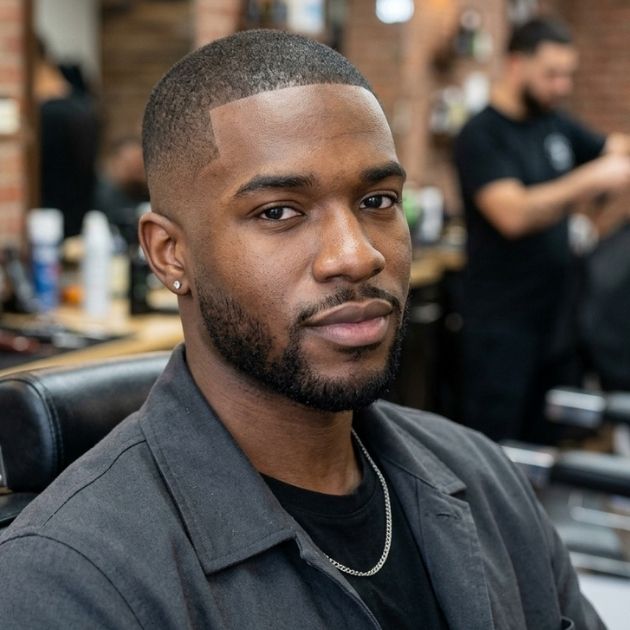
A uniform, short length on top blended into a mid taper on the sides. This is the lowest maintenance option on this list and works for almost any face shape.
2. Low Afro with Mid Taper Fade
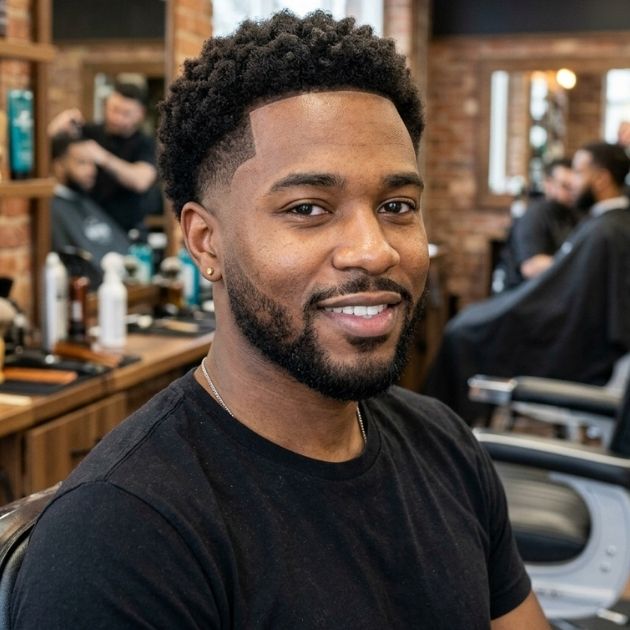
A compact, rounded afro on top with a clean mid taper underneath. It balances a natural look with a groomed finish and requires minimal daily styling.
3. Textured Crop with Mid Taper Fade
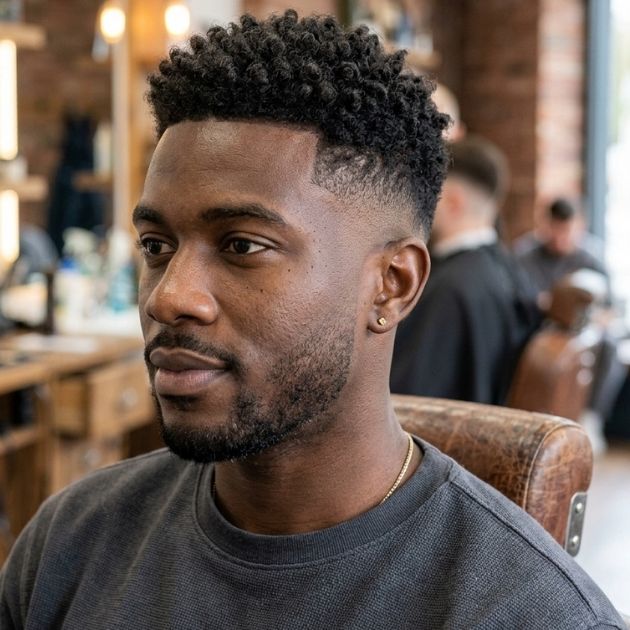
Slightly longer strands on top, styled with a light texturizing product, meet a smooth mid taper for a modern, editorial finish.
4. French Crop with Mid Taper Fade
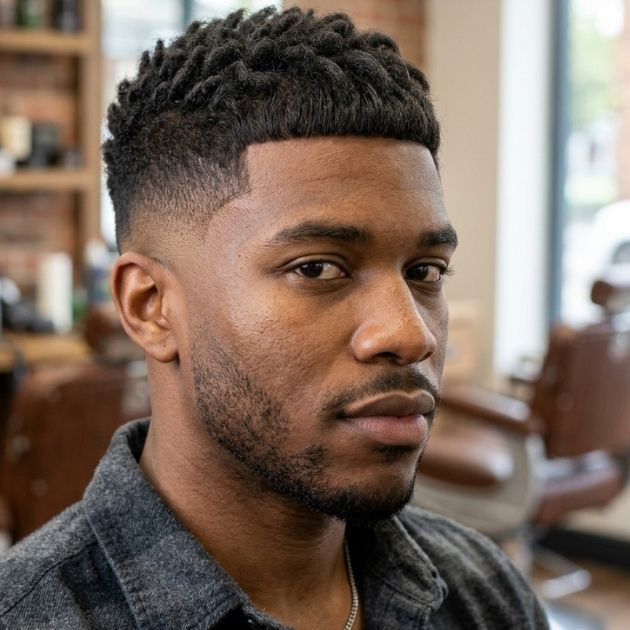
A fringe or forward-styled top paired with a mid taper fade and a hard part. This combination reads polished enough for the office and sharp enough for a night out.
5. Caesar Cut with Mid Taper Fade
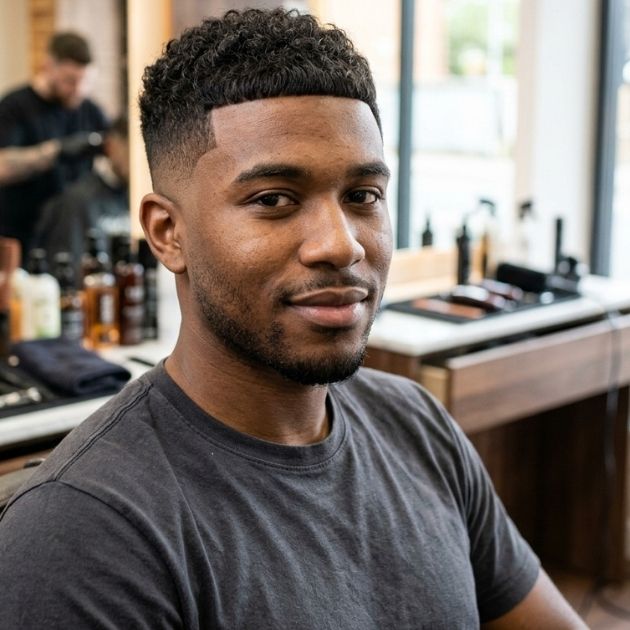
Short, horizontally styled hair on top with a subtle forward fringe, blended into a mid taper. A timeless, low-effort classic.
6. Crop Top Fade with Mid Taper
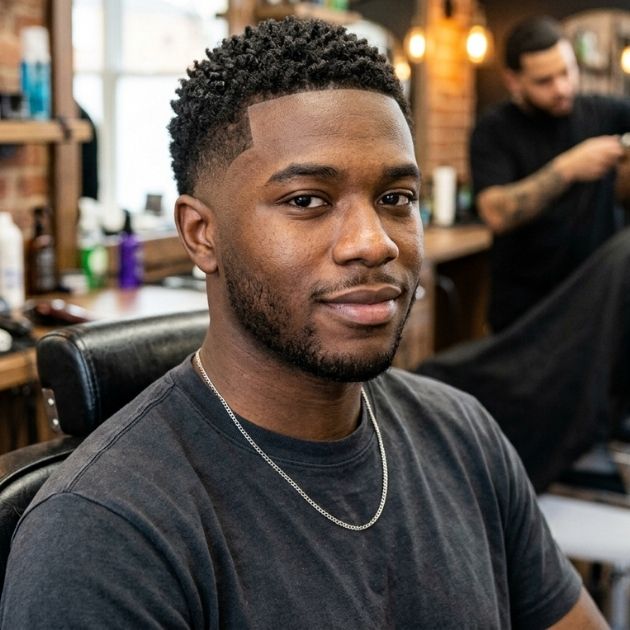
A slightly longer crop with more volume up top, contrasted against the mid taper for added definition around the crown.
7. 360 Waves with Mid Taper Fade
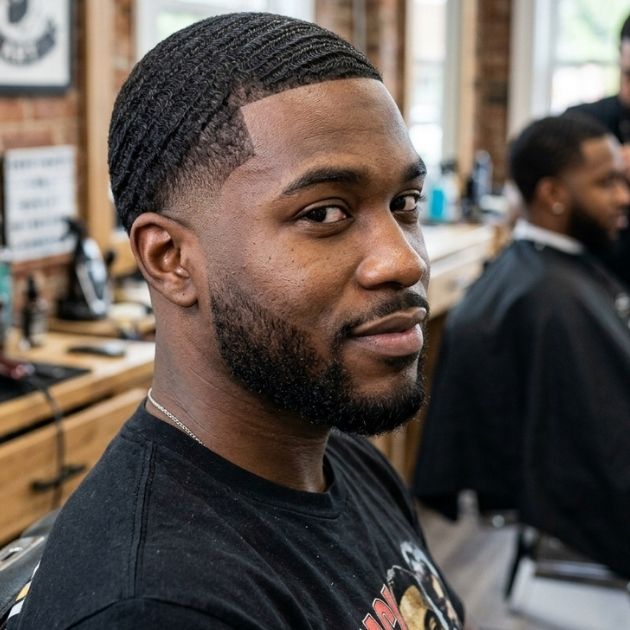
Brushed and trained waves on top combined with a mid taper on the sides. Consistent brushing and a durag at night are essential to keep the wave pattern sharp.
8. Side Part with Mid Taper Fade
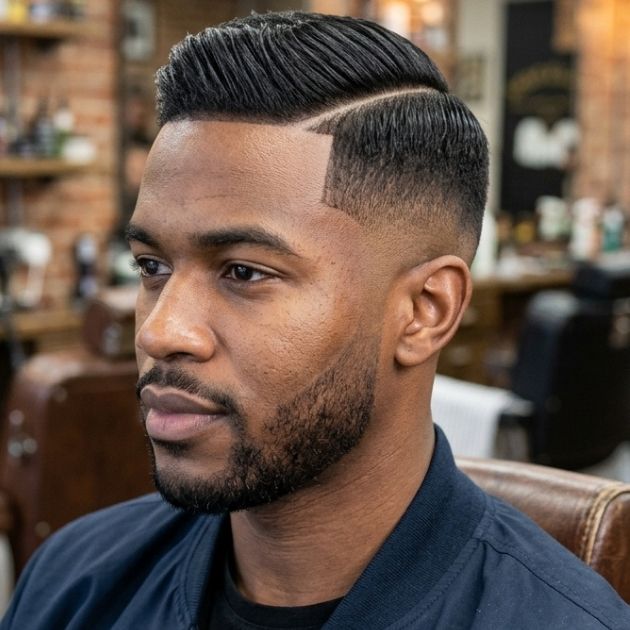
A defined, shaved or combed side part adds a sharp geometric line that contrasts nicely with the soft gradient of a mid taper.
Afro Mid Taper Fade Styles for Black Men
9. Classic Afro with Mid Taper Fade
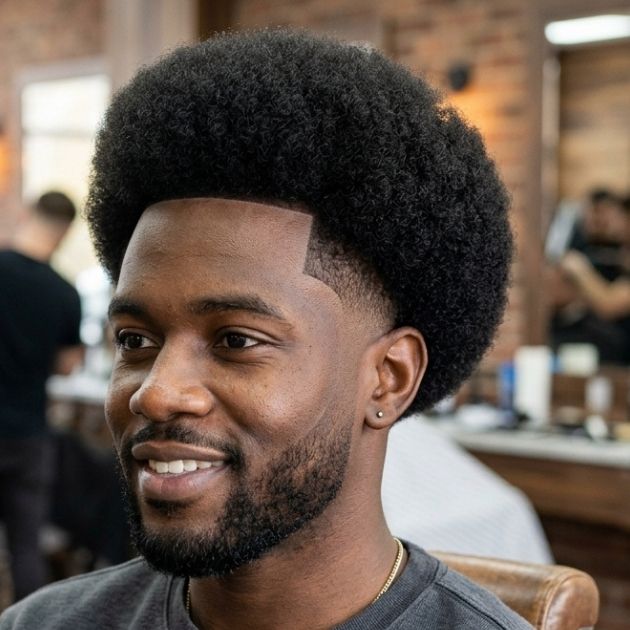
A full, rounded afro on top with a clean mid taper below. This pairing lets the natural texture take center stage while the sides stay sharp.
10. High Top Afro with Mid Taper Fade
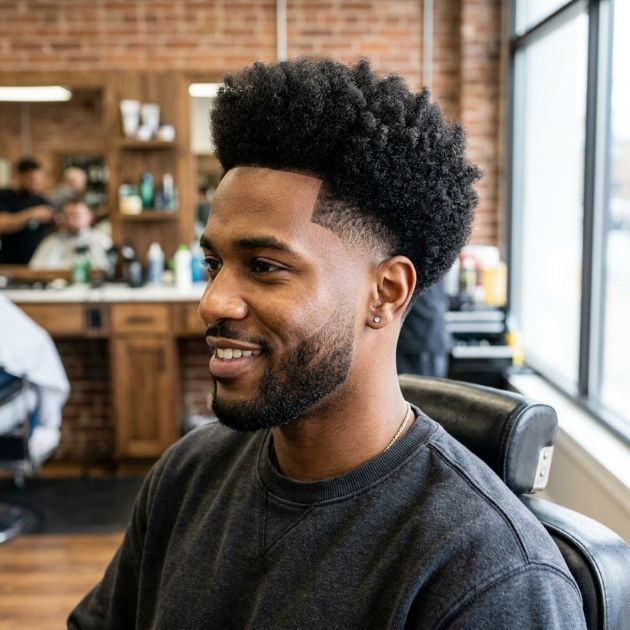
A nod to a 90s-inspired silhouette, this style builds height and volume on top while a mid taper keeps the sides modern and controlled.
11. Mini Afro with Mid Taper Fade
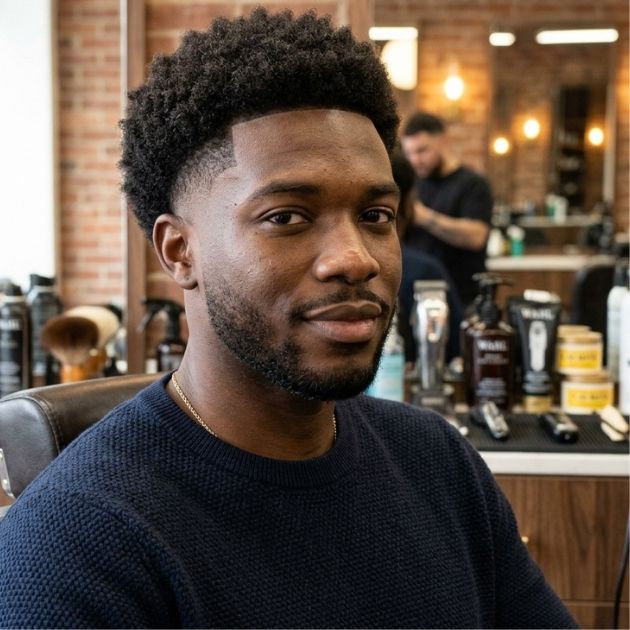
A shorter, more compact afro that requires less daily maintenance while still showing off natural curl definition.
12. Sponged Afro with Mid Taper Fade
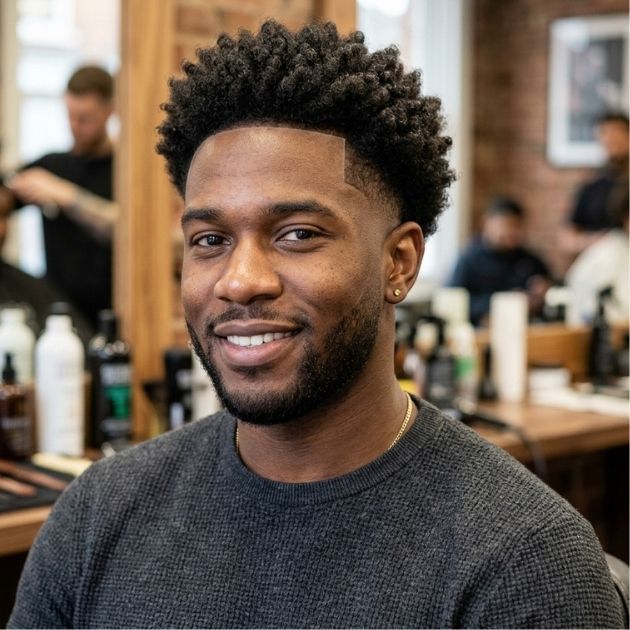
Using a sponge or curl brush to create tighter, more uniform coils on top, this style pairs texture with precision.
13. Afro Hawk (FroHawk) with Mid Taper Fade
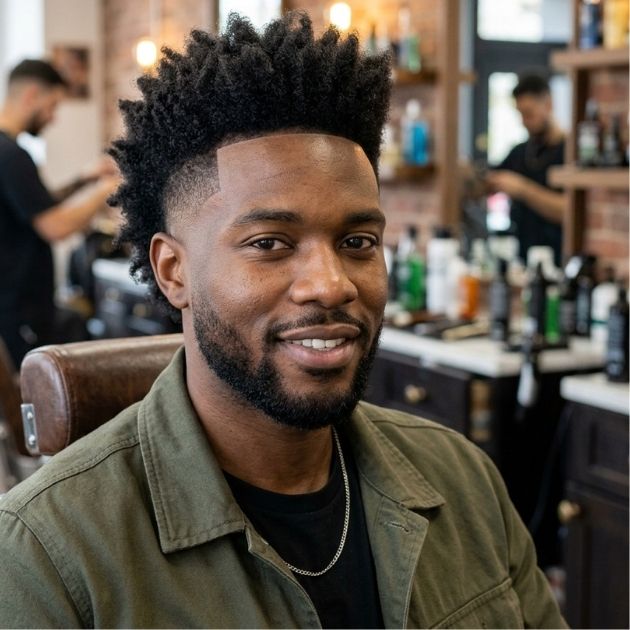
A mohawk-inspired strip of afro hair down the center, tapered on both sides. It is one of the boldest combinations on this list.
14. Blowout Afro with Mid Taper Fade
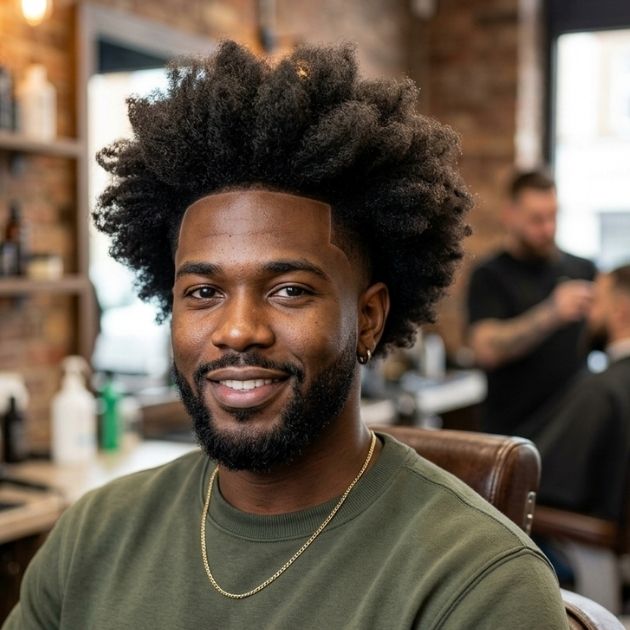
Hair is blow-dried out for extra volume and height before the mid taper is added underneath, creating dramatic contrast.
15. Afro with Edge-Up and Mid Taper
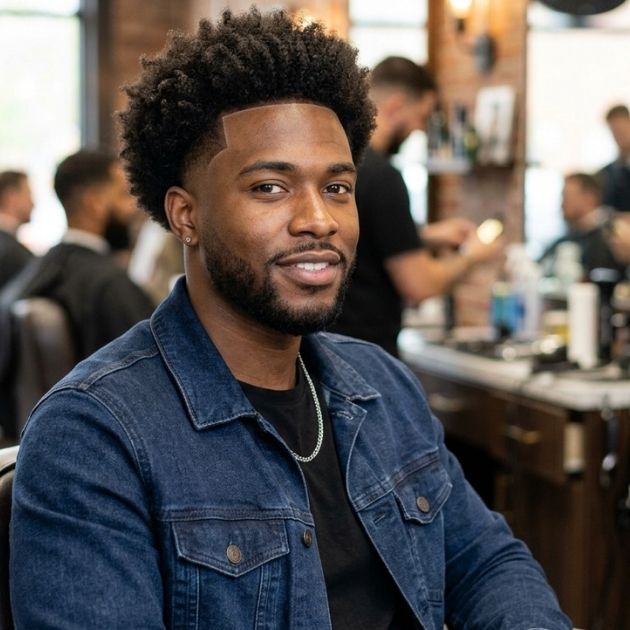
A crisp, freshly lined hairline and temple area paired with a natural afro top and mid taper sides for a polished, barbershop-fresh finish.
16. Short Afro with Beard and Mid Taper Fade
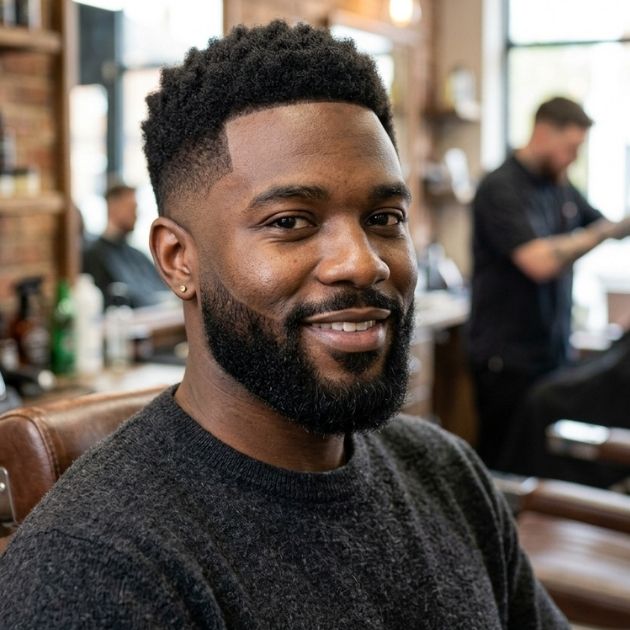
A compact afro combined with a well-groomed beard and a mid taper creates a cohesive, mature look that works for professional settings.
Curly and Textured Top Mid Taper Fades
17. Defined Curls with Mid Taper Fade
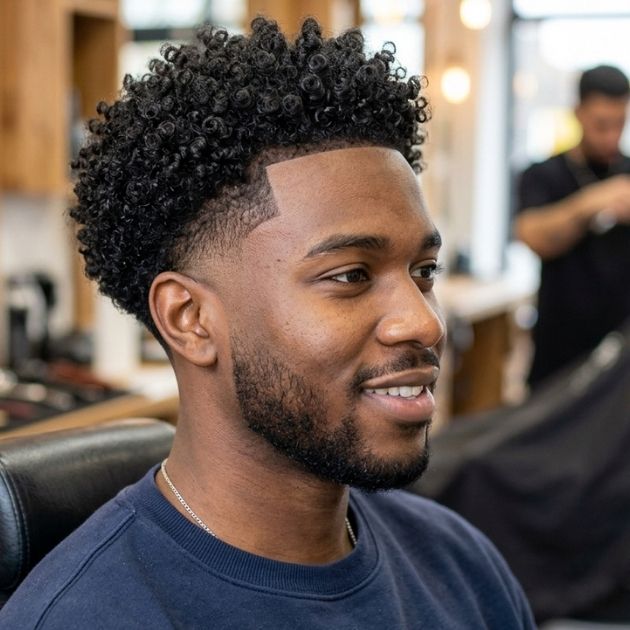
Curl-defining cream or gel is used to separate and shape individual curls on top, contrasted against the smooth gradient of the fade.
18. Finger Coils with Mid Taper Fade
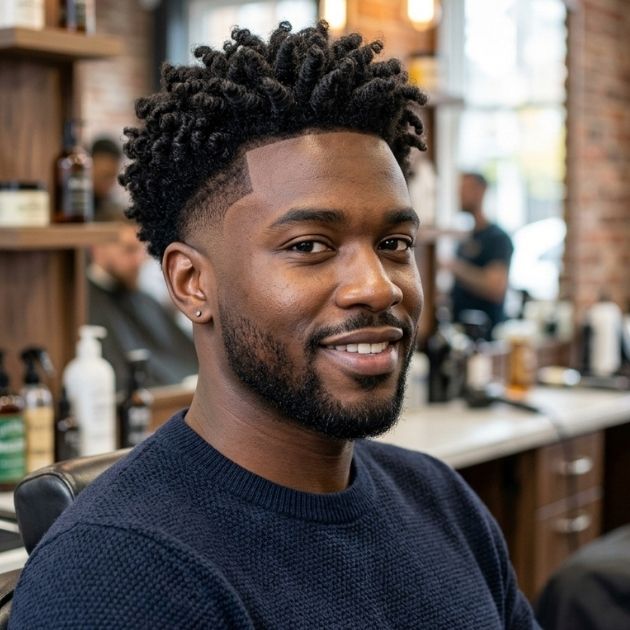
Hand-twisted coils create a neat, uniform curl pattern that pairs well with a shorter mid taper for a refined finish.
19. Twist-Out with Mid Taper Fade
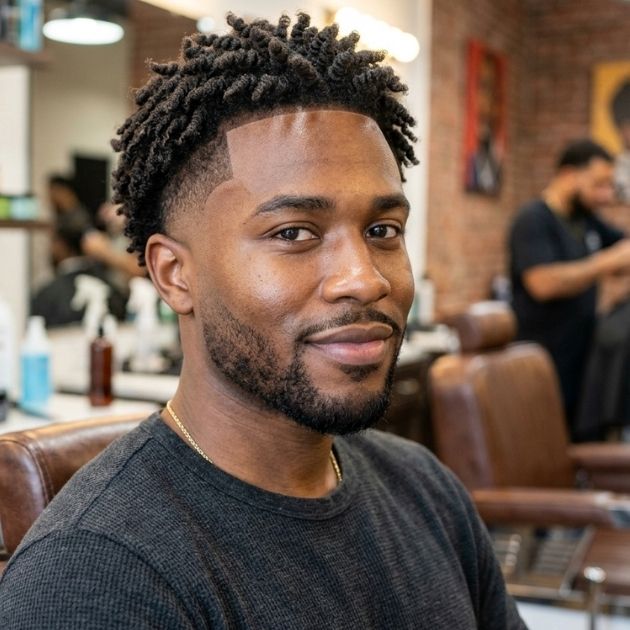
Twists are set and then unraveled to create a soft, defined curl texture on top, offering volume without heavy styling products.
20. Curly Pompadour with Mid Taper Fade
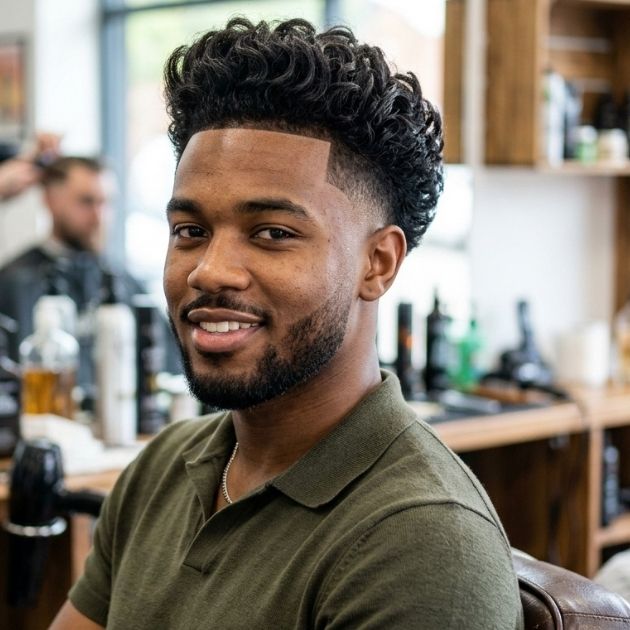
Curls are pushed up and back to build height at the front, styled with a light hold cream, and blended into a mid taper for contrast.
21. Quiff with Mid Taper Fade
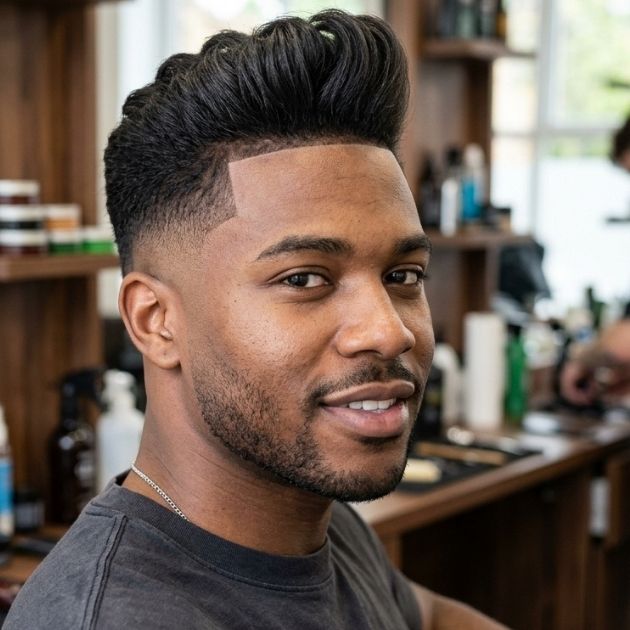
A shorter, forward-swept style with volume at the front hairline, paired with a mid taper for an easy, everyday look.
22. Sponge Twists with Mid Taper Fade
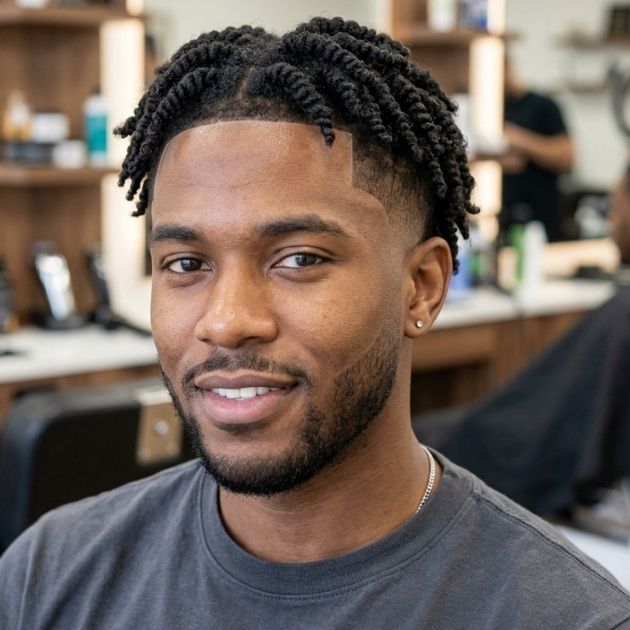
Tight, uniform twists created with a twist sponge give a textured, low-maintenance top that pairs naturally with the fade.
Long Hair and Protective Style Mid Taper Fades
23. Dreadlocks / Locs with Mid Taper Fade
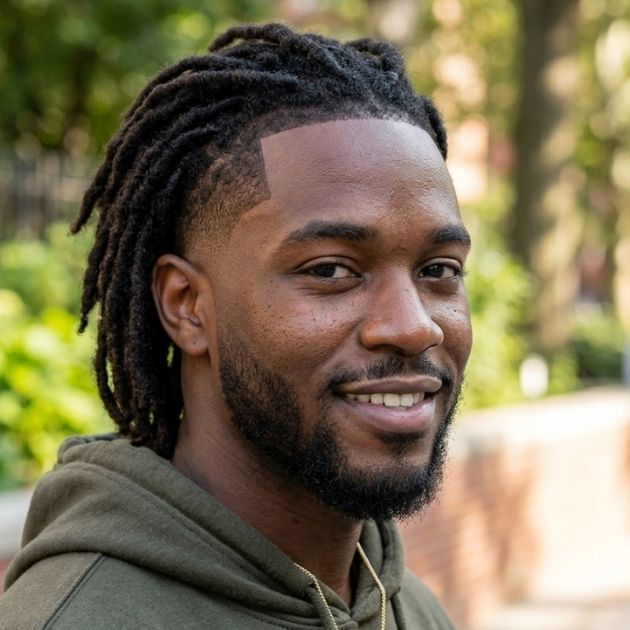
Locs of any length are left full on top while the sides and back are tapered, creating a striking contrast between texture and precision.
24. Loc Bun with Mid Taper Fade
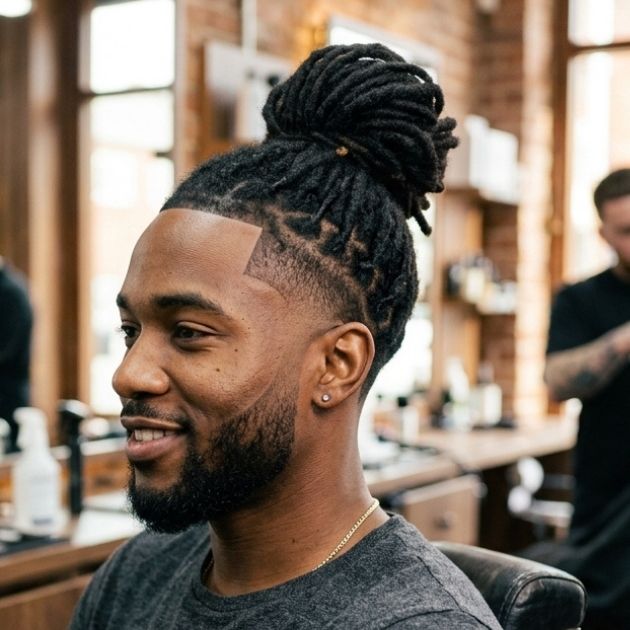
Locs are gathered and tied into a bun, keeping the top neat for work or formal settings while the mid taper handles the sides.
25. Box Braids with Mid Taper Fade
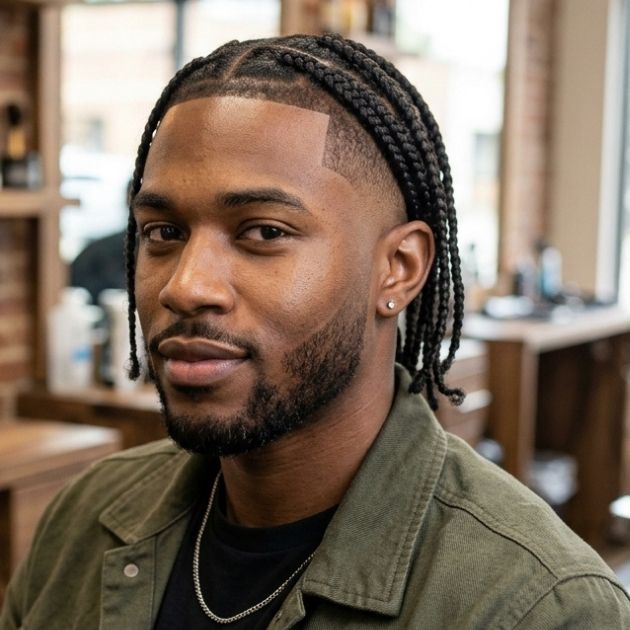
Individual braids are installed on top and left loose or styled into a half-up look, with a mid taper cleaning up the perimeter.
26. Feed-In Braids with Mid Taper Fade
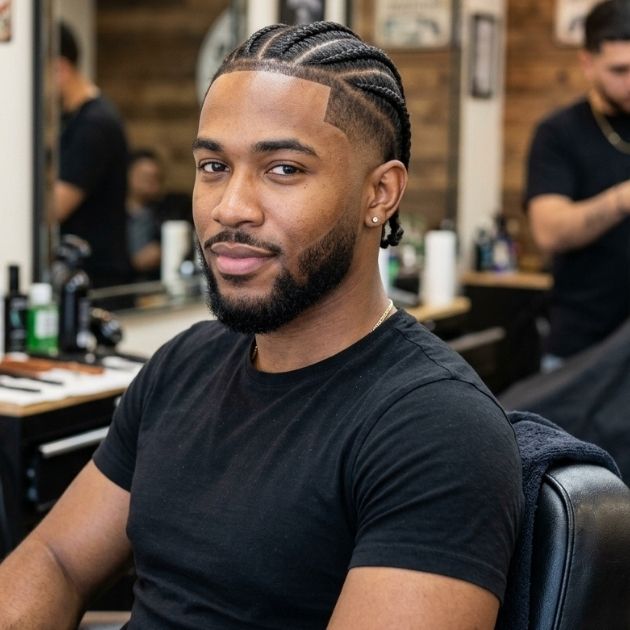
Braids that start thin near the hairline and thicken toward the crown, often styled in patterns, paired with a fresh mid taper.
27. Cornrows with Mid Taper Fade
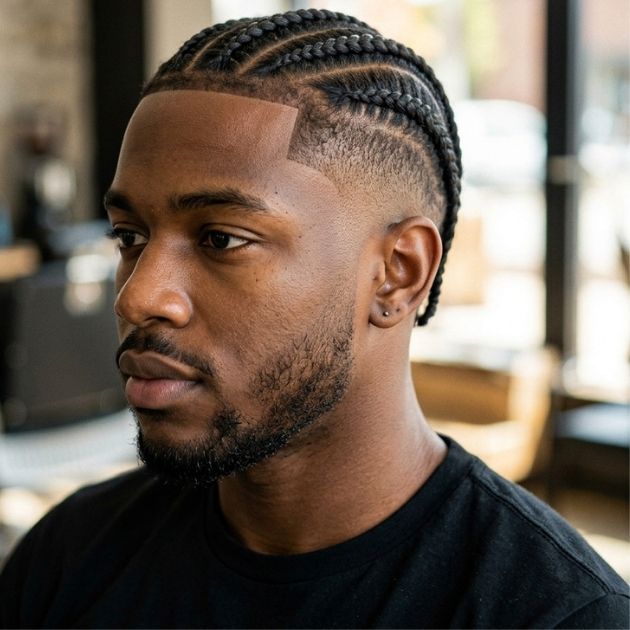
Braids styled close to the scalp in straight or curved rows, combined with a mid taper for a sharp, structured look.
28. Man Bun with Mid Taper Fade
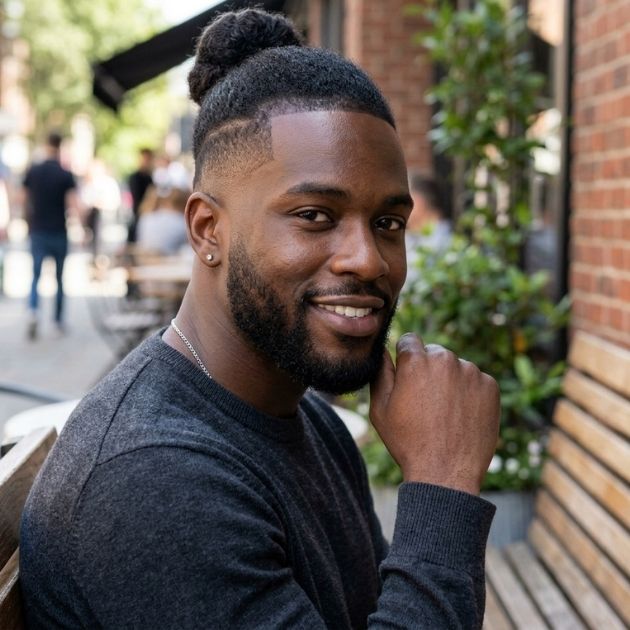
Longer hair on top is gathered into a bun while the sides stay tapered, offering a versatile style that can be worn up or down.
29. Rope Twists with Mid Taper Fade
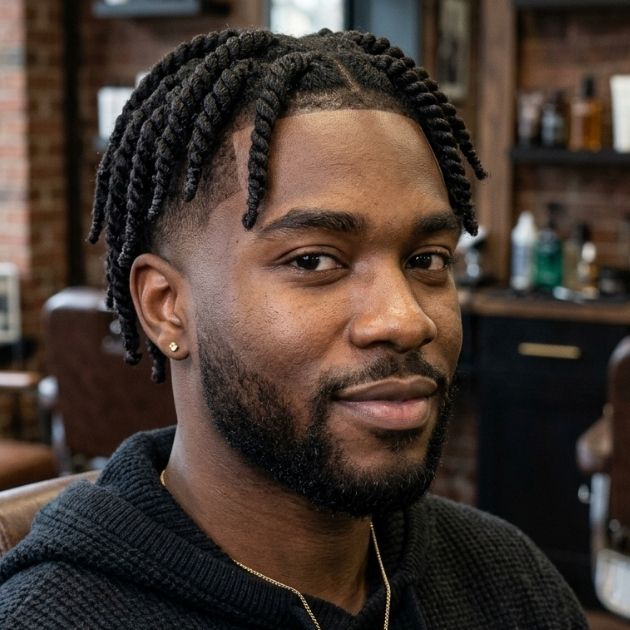
Two-strand twists rolled to create a rope-like texture on top, contrasted with a mid taper for a modern protective style option.
Mid Taper Fade with Beard Styles
30. Mid Taper Fade with Full Beard
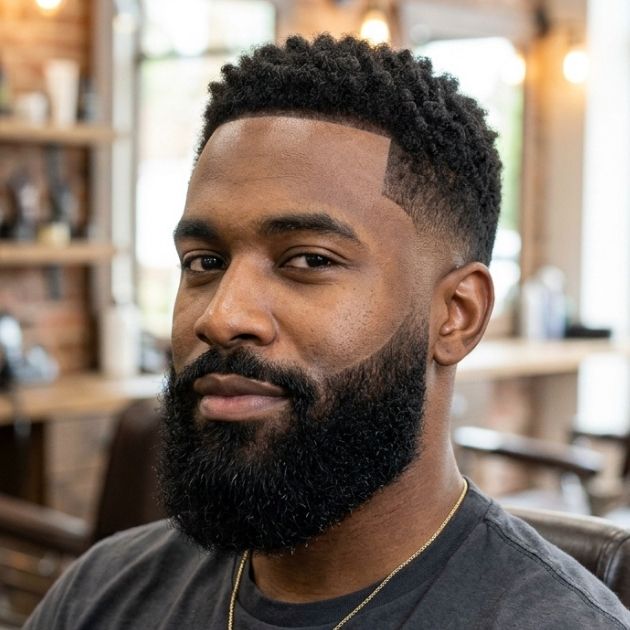
A thick, well-shaped beard balances the tapered sides and adds structure to the jawline, a popular combination for a mature, grounded look.
31. Mid Taper Fade with Short Beard or Stubble
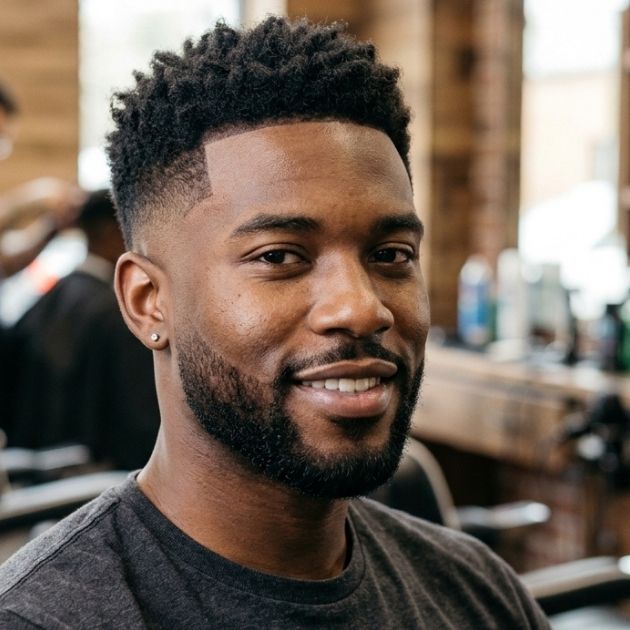
A light layer of stubble softens the sharp lines of the fade while keeping maintenance minimal.
32. Mid Taper Fade with Angular Beard
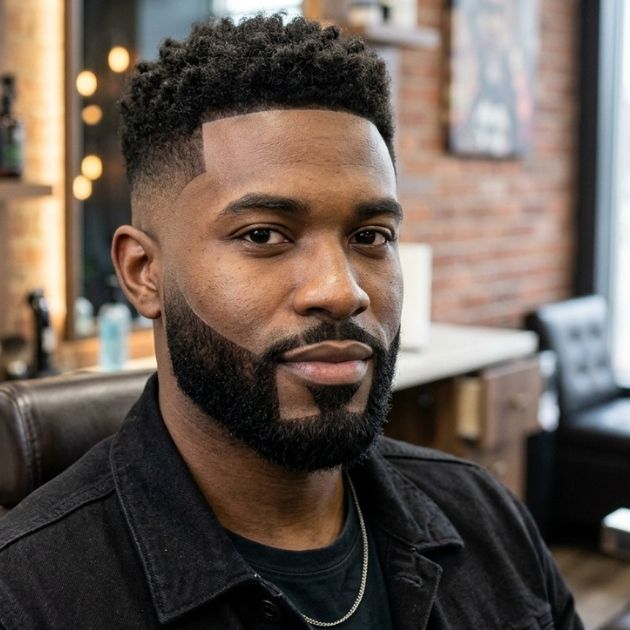
A precisely shaped beard with sharp, geometric lines matches the crispness of the fade for a coordinated, barbershop-precision look.
Mid Taper Fade with Designs and Artistic Details
33. Mid Taper Fade with Shaved Line Design
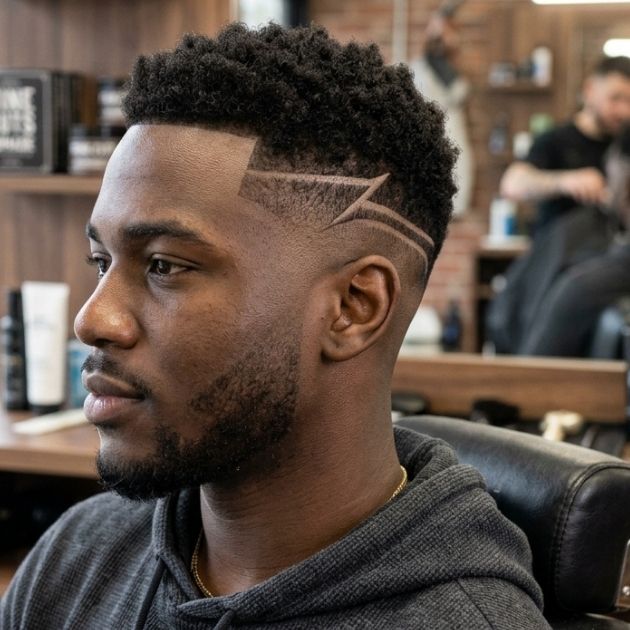
A single shaved line through the fade or part adds a subtle design element without overwhelming the overall style.
34. Mid Taper Fade with Geometric Pattern
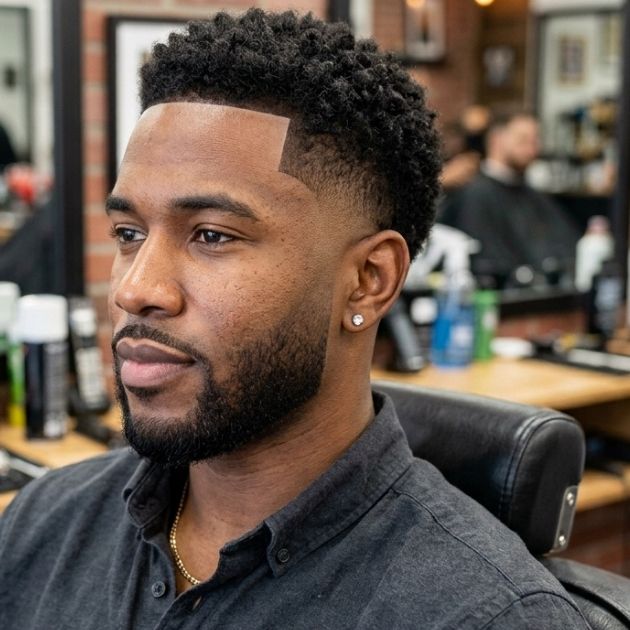
Shapes or patterns shaved into the tapered section for a bold, personalized statement piece.
35. Mid Taper Fade with Full Line-Up and Crisp Edge-Up
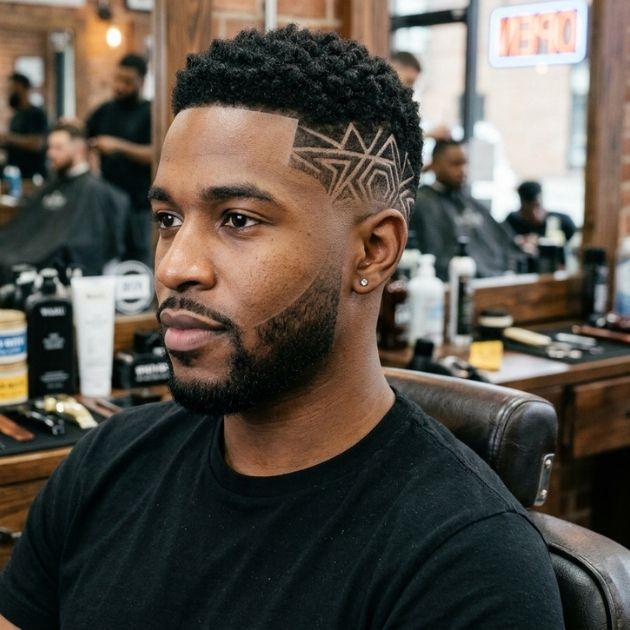
A complete hairline, temple, and neckline shape-up paired with the mid taper for the sharpest, most finished version of the cut.
How to Ask Your Barber for a Mid Taper Fade?
Clear communication is the difference between a great fade and a rushed one. Use these tips at your next appointment:
- Say the words “mid taper fade” and point to your temple to show where you want the fade to begin.
- Bring a reference photo, ideally one showing your own hair texture rather than a very different hair type.
- Specify the top length in fingers or clippers guard numbers if you know them, for example a number 2 or number 3 guard.
- Mention whether you want a hard part, a shaved line, or a natural edge-up.
- Ask for the fade to be blended, not disconnected, unless a sharp disconnection is the look you actually want.
- Bring up any skin conditions like razor bumps or ingrown hairs so the barber can adjust technique accordingly.
Mid Taper Fade Maintenance and Aftercare for Black Men
A mid taper fade looks its best with a consistent routine. Here is what barbers typically recommend:
- Touch-ups every 2 to 3 weeks. The mid taper grows out more gracefully than a high fade, but the line at the temple will soften over time and needs a refresh.
- Moisturize daily. Use a lightweight leave-in conditioner or curl cream to prevent dryness, especially with coily or curly textures.
- Edge-ups between full cuts. A quick line-up at the hairline and neckline every 7 to 10 days keeps the shape crisp without a full appointment.
- Protect at night. A silk or satin durag or bonnet reduces frizz and helps preserve wave patterns, twist-outs, and curl definition.
- Use the right tools for your top style. A wide-tooth comb for curls, a boar bristle brush for waves, or a twisting product for coils will all extend the life of your style between visits.
- Watch for irritation. If you experience razor bumps, ask your barber about clipper-only techniques or aftercare products designed for sensitive, curl-prone skin.
The Cultural Significance of the Mid-Taper Fade in Black Grooming History
Taper fades did not appear overnight. They trace back through decades of Black barbering tradition, where precision cutting and sharp linework became both a craft and a form of personal expression. Barbershops have long served as community spaces within Black neighborhoods, and the skill required to cut tight coils cleanly, especially around curves and fade transitions, became a specialized art passed down through generations of barbers.
The mid taper fade specifically gained mainstream popularity as barbers began refining fade technique through the late 20th century, blending it with cultural staples like the afro, the high top, and later waves and locs. Today it represents both continuity with that history and an ongoing space for personal reinvention, since the cut adapts so easily to new trends without losing its core structure.
Frequently Asked Questions
Is a mid taper fade good for Black hair?
Yes. It works with virtually every Black hair texture, from tight coils to waves to locs, and it keeps the transition line visible even as curly hair shrinks.
How often should I get my mid taper fade touched up?
Most men need a touch-up every 2 to 3 weeks, though a quick edge-up between full cuts can stretch that timeline.
What is the difference between a mid taper and a low taper fade?
A mid taper starts around the midpoint between the ear and temple, while a low taper starts lower, closer to the neckline, leaving more length on the sides.
Can I get a mid taper fade with locs?
Absolutely. Locs of any length pair well with a mid taper, since the tapered sides create contrast with the fuller top.
Does a mid taper fade suit round faces?
Yes, since it is a balanced style that does not add or remove width dramatically, though adding height on top can further slim a rounder face shape.
How much does a mid taper fade cost?
Prices vary by region and barber experience, but most men pay between 25 and 60 dollars for a standard cut, with designs or beard work sometimes priced separately.
Can beginners do a mid taper fade at home?
It is possible with clipper guards and practice, but achieving a clean blend is difficult without training, so most people get better, longer-lasting results from a professional barber.
Final Thoughts
The mid taper fade has earned its place as a go-to cut for Black men because it does something few styles manage: it stays sharp without demanding constant upkeep, and it flexes to fit afros, curls, locs, braids, and waves without losing its structure. Whether you are after something understated like a buzz cut or bold like a frohawk with a geometric design, there is a version of this cut built for your texture, your face shape, and your lifestyle.
The best next step is simple. Save a few styles from this list, bring them to a barber you trust, and be specific about where you want that fade to start. A great mid taper fade is as much about clear communication as it is about skill in the chair.

Charlotte Aiden is the founder and editor of FaxhionTips.com, where he shares practical insights on the latest haircut trends, hairstyles, grooming tips, and hair care advice. Passionate about modern style and easy-to-follow beauty guidance, Charlotte creates well-researched content to help readers choose the best haircuts and maintain healthy, stylish hair with confidence.