Walk into any barbershop in 2026, and one request keeps repeating itself: the French crop low fade. From busy city professionals to university students scrolling through grooming content, this haircut has become the go-to choice for men who want sharp structure without spending an hour in front of the mirror. It looks intentional, it stays fresh between cuts, and it works with nearly every hair type and face shape. If you’ve been curious about this cut, this guide covers everything you need to know, from the basics to the barber chair conversation.
What is a Low Fade French Crop?
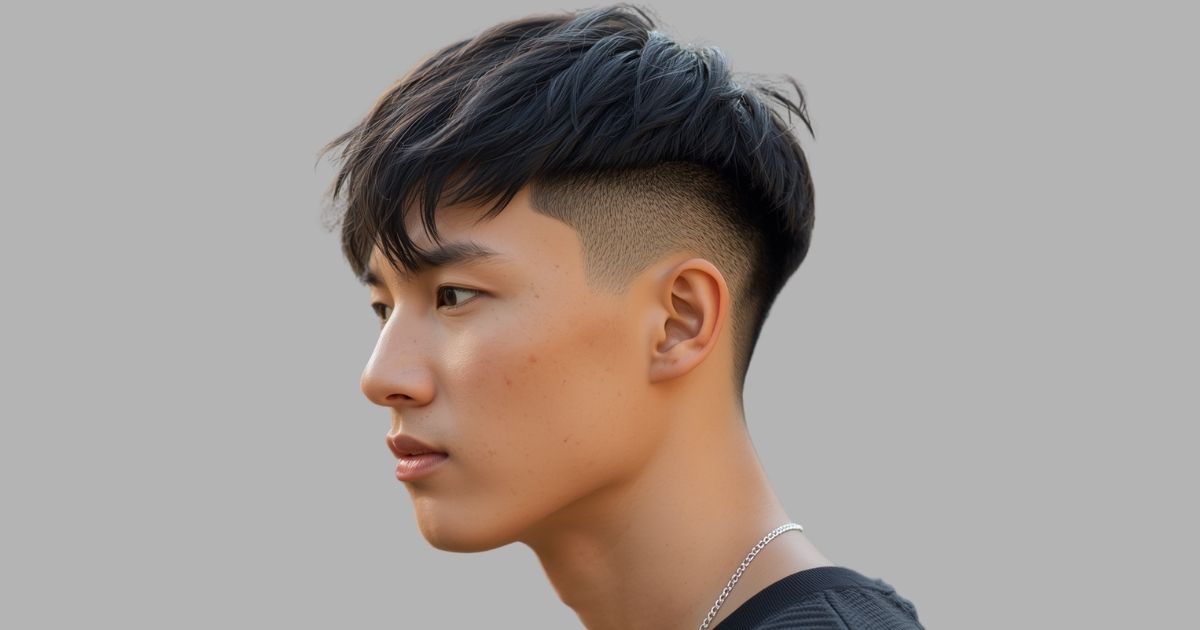
The French crop low fade is a men’s haircut that combines two distinct elements. The top is kept short and textured, with a forward-facing fringe sitting just above the eyebrows. The sides and back feature a low fade, meaning the hair gradually tapers down starting just above the ear, blending cleanly into the skin near the neckline.
What sets this cut apart from a standard crew cut or buzz cut is the fringe. That short, blunt or slightly textured fringe at the front is the signature detail that defines a true French crop. Pair it with a subtle low fade on the sides, and you get a style that is modern, clean, and effortlessly masculine.
The Historical Origins
The French crop draws its roots from postwar European barbering culture, particularly in France and the UK during the 1950s and 1960s. At the time, short, structured cuts with a forward fringe became associated with a certain kind of refined masculinity. The style was popular among artists, intellectuals, and working-class men alike because it required little fuss but always looked put together.
The modern version evolved through decades of barbering innovation. The introduction of fade techniques in American barbershops, originally rooted in military cuts, eventually merged with the European crop tradition. By the 2010s, the combination of a cropped top and faded sides had entered mainstream grooming culture. By 2026, it has become one of the most requested men’s haircuts globally, refined with texture tools, improved blending techniques, and a wider range of personalization options.
Why the Low Fade French Crop is Trending in 2026
There is no single reason this haircut dominates conversations. Several factors are working together to make the French crop low fade the dominant style of the year.
Versatility Across Settings
One of the strongest selling points is how well it transitions between environments. You can wear this cut to a corporate meeting on Monday and look completely comfortable at a rooftop gathering on Friday night. The clean lines read as professional, while the textured top gives it enough personality for casual settings. It does not shout for attention, but it consistently earns it.
Low Maintenance Requirements
Men today want results without an overcomplicated routine. The French crop low fade delivers exactly that. Once cut correctly, the structure largely holds itself. A small amount of matte clay or styling cream applied in the morning is all it takes to keep the fringe in position and the top looking textured. Compared to longer styles that require heat tools and multiple products, this cut is a significant time saver.
Universal Face Shape Compatibility
Very few haircuts genuinely flatter every face shape. The French crop low fade comes close. The fringe can be adjusted for length and angle to balance wider foreheads, narrow jawlines, or angular features. The low fade adds definition without dramatically altering the proportions of the face. Most experienced barbers consider this one of the most forgiving cuts to customize.
Economic Efficiency
The low fade grows out more naturally than a high or skin fade, meaning you can stretch appointments slightly longer without the cut looking obviously overgrown. Many men find that a well-executed French crop low fade maintains a presentable appearance for three to five weeks, which is more cost-effective over the course of a year compared to cuts that require more frequent maintenance.
Social Media Influence
Grooming content on platforms like Instagram, TikTok, and YouTube has played a massive role in pushing this style forward. Barbers showcase their work, men share transformations, and the algorithm rewards clean, high-contrast haircut content. The French crop low fade photographs exceptionally well because of its defined lines and textured top, making it ideal content for both barbers and their clients.
Different Variations of Low Fade French Crop Explained
The French crop low fade is not a single rigid look. It is a framework that supports dozens of variations, each suited to different preferences and lifestyles.
Textured French Crop Low Fade
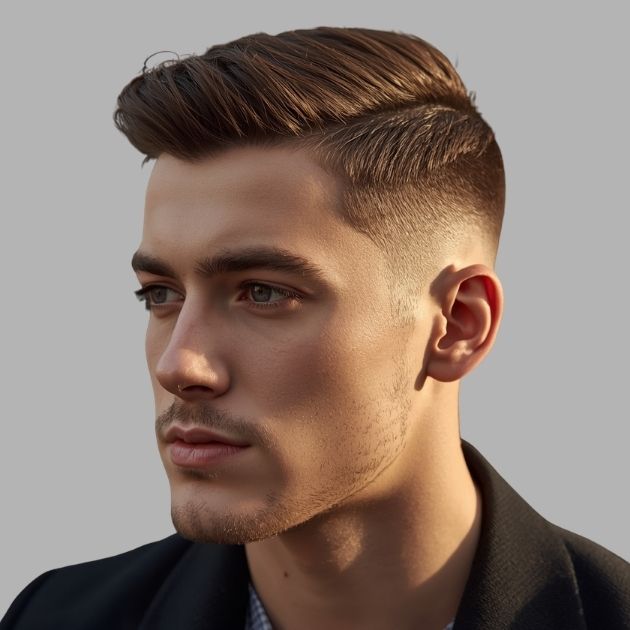
This is the most popular variation in 2026. The top is cut with point-cutting or texturizing shears to create movement and volume. The fringe has a slightly choppy finish rather than a blunt line, and the overall look feels effortless but intentional. It works especially well for men with naturally thick or wavy hair who want to enhance what they already have.
Messy French Crop Low Fade Variations

The messy version leans into a deliberately undone aesthetic. The top is longer than a classic crop, styled with fingers rather than a comb, and the fringe falls loosely rather than sitting in a precise line. Sea salt spray is the product of choice here. Despite the casual appearance, the low fade on the sides keeps the overall look grounded and clean.
Low Taper Fade French Crop
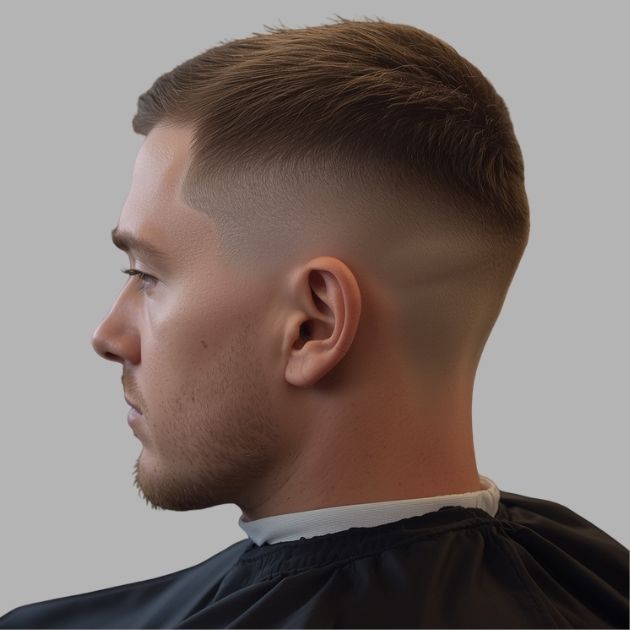
The taper fade is a softer transition than a traditional fade. Instead of blending fully to skin, it gradually shortens the hair while leaving some length throughout the sides. This variation is ideal for professional environments where a more conservative aesthetic is preferred. It also grows out more gracefully, giving it an edge in terms of long-term maintenance.
Low Skin Fade French Crop

This is the most precise and defined variation. The sides taper all the way down to the skin, creating a sharp contrast with the textured top. It requires a skilled barber and more frequent touch-ups, but the result is visually striking. Men with head tattoos often choose this variation specifically to display their ink.
Low Drop Fade French Crop

The drop fade curves down behind the ear rather than running in a straight horizontal line. This shape follows the natural contour of the skull, creating a more organic and modern silhouette. It pairs well with wavy or curly tops because the soft fade complements natural texture beautifully.
French Crop Top Low Fade
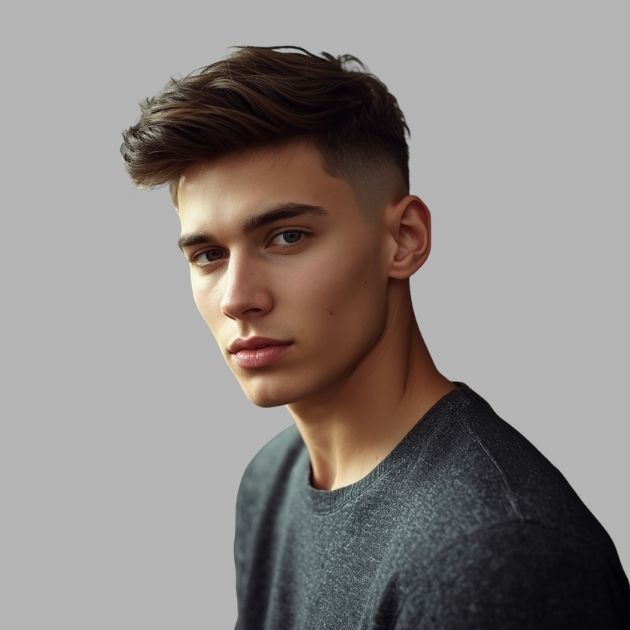
In this version, the emphasis is placed on the top. The hair on the crown is kept longer, with noticeable volume and movement. The fringe is still present but may be styled more loosely. The low fade keeps the sides clean without competing with the top for attention.
French Crop Fade Low with Design Elements
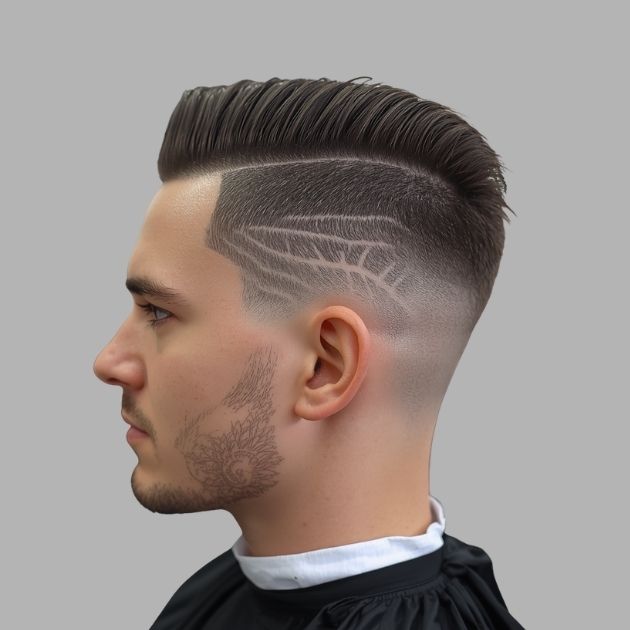
Adding a hard part, geometric line, or shaved detail into the fade area elevates the cut into personal expression territory. These design elements are typically cut into the fade zone above the ear or along the temple line. They require a steady-handed barber and more regular maintenance to stay sharp.
French Crop with a Low Fade Placement Guide

Understanding where the fade starts matters more than most men realize. A true low fade begins just above the ear, typically around the 1 to 2 o’clock position on the head. It gradually shortens as it moves down toward the neckline. This placement preserves density in the upper sides, which keeps the head shape looking balanced and avoids the unintentionally wide appearance that a higher fade can create on certain skull shapes.
Hair Type Compatibility Guide
Straight Hair Variations
Straight hair is arguably the easiest to work with for a French crop low fade. The blunt fringe sits clean and flat, lines stay sharp, and the textured top maintains its shape throughout the day. A light matte clay provides just enough hold without making the hair look stiff or greasy.
Curly Hair Adaptations
Curly hair adds natural volume and character to a French crop. The key is keeping the top trimmed short enough so that the curls form a compact, defined shape rather than spreading outward. The low fade on the sides controls the volume below, letting the curls be the focal point. A light curl cream or defining mousse works better than wax for this hair type.
Wavy Hair Solutions
Wavy hair sits between straight and curly in terms of behavior, and it responds beautifully to the French crop low fade. The natural S-shape of the waves creates movement in the fringe and texture on the crown without any additional product. Sea salt spray enhances this effect for men who want a more casual, beachy finish.
Long Hair on Top
Men with longer growth on top can still wear a French crop aesthetic by requesting a longer fringe and more length at the crown. The fade on the sides remains the defining feature, while the top retains enough length for styling options like a side sweep or more textured finish.
Short Hair Variations
For men who prefer minimal length overall, the short French crop is a clean and sharp option. The fringe sits tight against the forehead, the top is trimmed close to the scalp, and the low fade blends seamlessly. This version requires almost no styling product and suits active men who prioritize function over fashion.
Face Shape Compatibility Guide
Oval Face Shapes
Oval faces work with virtually every variation of the French crop low fade. The balanced proportions of this face shape mean almost any fringe length and fade height will look natural. Classic, textured, or messy versions all complement an oval face without needing adjustment.
Round Face Shapes
Round faces benefit from added height and vertical emphasis. A textured top that has been styled with volume upward creates the illusion of a longer face. The fringe should be kept shorter to avoid adding width to the forehead area. The low fade enhances definition along the sides, which further slims the overall appearance.
Square Face Shapes
Square faces have strong, angular jawlines that the French crop complements well. Softening the fringe slightly, either by adding texture or letting it fall loosely, prevents the cut from making the jaw look too harsh. The low fade frames the face without competing with the natural angular structure.
Heart-Shaped Faces
Heart-shaped faces have wider foreheads and narrower chins. A slightly fuller fringe helps balance the upper and lower portions of the face. Keeping the sides relatively close with a low fade and adding some width at the crown through texture creates proportion across the full facial structure.
Oblong Face Shapes
Oblong or long face shapes need width more than height. Keeping the fringe longer and avoiding excessive volume on the crown helps prevent the face from looking even longer. A low fade with enough density remaining on the upper sides adds the horizontal weight that balances this face shape.
Diamond Face Shapes
Diamond faces have defined cheekbones with narrower foreheads and chins. Adding volume at the crown balances the prominent cheeks, while the low fade prevents the sides from becoming too full. A textured or slightly fuller fringe adds width at the forehead level to balance the overall silhouette.
How to Ask Your Barber for the Perfect Cut
Essential Information to Provide
Before sitting in the chair, be ready to share the following details with your barber:
- Your preferred fringe length (blunt, textured, or loose)
- How short you want the sides
- The type of fade (low skin, low taper, or low drop)
- Any design elements you want added
- How much time you spend styling each morning
Sample Barber Consultation Scripts
Use one of these scripts to start the conversation confidently:
For a classic version: “I’d like a French crop with a low fade. Keep the top around one to two inches with a blunt fringe just above my eyebrows. Fade the sides low, blending clean around the ear.”
For a textured version: “Can you do a textured French crop with a low taper fade? I want the fringe choppy, not blunt, and some movement on top. Keep it easy to style in the morning.”
For a skin fade version: “I want a French crop with a low skin fade. Take the sides down to skin starting just above the ear. Keep the top textured and the fringe sharp.”
Reference Photo Strategy
Bring more than one photo. Show your barber two or three images that represent different aspects of the cut you want. One photo for the top, one for the fringe, and one for the fade. This approach gives your barber flexibility to combine elements rather than replicating a single look that may not suit your hair type or growth pattern.
Questions to Ask Your Barber
- Does this fade height work well with my head shape?
- How often should I come back to maintain this fade?
- Which styling product would you recommend for my hair texture?
- Can the fringe be adjusted to suit my forehead shape?
Red Flags When Choosing a Barber
Watch for these warning signs before committing to a barber for this cut:
- No portfolio or visible examples of French crop work
- Does not ask about your hair type before starting
- Skips the consultation and goes straight to the clippers
- Uses only one clipper guard without blending between sizes
- Cannot explain where the fade will start or end
What to Expect During the Cut
A skilled barber will begin by assessing your natural growth pattern and hair density. They will typically start with the top, using scissors and possibly texturizing shears. Then they will move to the sides, establishing the fade line before blending downward. The fringe will be shaped last. The full process takes between 20 and 45 minutes depending on the complexity of the variation.
Complete Styling Tutorial
Daily Styling for Different Variations
Classic French crop low fade:
- Start with towel-dried, slightly damp hair
- Apply a pea-sized amount of matte clay to your fingertips
- Work it through the top from roots to ends
- Push the fringe forward with your fingers or a wide-tooth comb
- Allow it to air dry or use a blow dryer on low heat for 30 seconds
Textured variation:
- Spray sea salt spray onto damp hair and scrunch lightly
- Blow dry forward while using fingers to separate and lift the top
- Finish with a small amount of texture clay for definition
Messy variation:
- Apply a light mousse to damp hair
- Rough-dry with a towel or diffuser
- Run fingers through the top loosely and let it set naturally
Product Recommendations by Goal
- Volume and texture: Matte clay or texture powder
- Clean structured hold: Medium-hold styling cream
- Natural finish: Sea salt spray
- Shine and control: Light pomade (use sparingly)
- Fine or thin hair: Volumizing mousse before heat drying
Application Mistakes to Avoid
- Applying product to dry hair, which causes clumping and uneven distribution
- Using too much product, which weighs the fringe down and kills texture
- Choosing a high-shine gel, which creates a wet or stiff look incompatible with this cut
- Combing the fringe back instead of forward, which removes the signature detail of the style
Maintenance Schedule and Tips
Optimal Haircut Frequency
For a low skin fade, visit your barber every two to three weeks to keep the blend looking sharp. For a low taper fade, three to four weeks is the standard recommendation. Men who prefer a softer, grown-out appearance can stretch appointments to five weeks without the cut looking neglected.
Money-Saving Strategies
- Request a taper rather than a skin fade to extend the time between visits
- Ask your barber to take the top slightly shorter so it takes longer to lose shape
- Learn to clean up your own neckline with a trimmer between appointments
- Book standing appointments to avoid last-minute pricing or waiting
Between-Haircut Maintenance
Use a trimmer to tidy the neckline and around the ears every ten to fourteen days. Brush the fringe forward daily to train it in the right direction. Use a lightweight product consistently rather than switching products, which helps the hair respond more predictably to styling.
Seasonal Adjustments
In warmer months, consider a slightly shorter fade and less product to avoid the sides feeling heavy in humidity. In cooler months, leaving a little more length on the sides provides warmth and the cut looks fuller against heavier clothing.
Average Pricing Guide
Pricing varies significantly by location and barber experience. As a general benchmark:
- Budget barbershops: $15 to $25 per cut
- Mid-range barbershops: $25 to $45 per cut
- Premium or specialist barbers: $45 to $80 or more
Geographic Variations
Major cities like London, New York, and Sydney tend to command higher prices due to higher operating costs. Suburban and regional markets offer the same quality cut for significantly less. Research local barbers through review platforms and look specifically for portfolios showing French crop and fade work.
Value Assessment
Consider the cost per month rather than per visit. A $30 cut every four weeks costs $90 per month. A $20 cut every two to three weeks costs between $40 and $60 per month. Choosing the right fade type and cut length can optimize both your look and your budget simultaneously.
Hidden Costs to Consider
- Styling products: $10 to $30 per item, lasting one to three months
- Trimmer for home neckline maintenance: $30 to $80 one-time investment
- Tips for your barber: typically 15 to 20 percent in most markets
Celebrity Inspirations and Style Icons
The French crop low fade has been worn by men across every entertainment and sport category. Its adaptability means it looks equally convincing on a Premier League midfielder and a Hollywood leading man.
Modern Celebrity Examples
In 2026, the textured French crop low fade has become a consistent choice among athletes and entertainers who need a haircut that photographs well under professional lighting and holds up across long shoot days or match days without constant restyling.
What Makes Celebrity Versions Different
Celebrity cuts are executed by highly experienced barbers using premium tools in controlled environments. The precision of the blending, the customization of the fringe angle to the individual’s face, and the use of professional finishing products all contribute to a level of polish that is harder to replicate in a standard barbershop. That said, the same cut is entirely achievable with a skilled barber and the right reference photos.
Translating Celebrity Styles for Regular Life
The key is not to replicate the exact cut but to take the elements that work for your face and hair. If a celebrity’s textured French crop inspires you, bring the photo to your barber and ask them which aspects can be adapted for your specific head shape and hair density. A good barber will translate that inspiration into something genuinely suited to you.
Common Mistakes to Avoid
Mistake #1: Choosing the Wrong Fade Height
Asking for a high fade when you wanted a low fade will dramatically change the proportions of your head and face. Always confirm the starting point of the fade with your barber before any clippers touch your head.
Mistake #2: Neglecting Hair Type Consultation
A French crop on coarse, thick hair requires different cutting techniques than the same cut on fine or straight hair. Skipping this conversation leads to a fringe that sits incorrectly or a top that does not hold its shape by midday.
Mistake #3: Over-Styling with Too Much Product
More product does not mean more hold. Excess product weighs down the fringe, eliminates texture, and leaves hair looking greasy. Start with a small amount, assess the result, and add more only if needed.
Mistake #4: Inconsistent Maintenance
Missing appointments leads to an overgrown fade that blurs the clean lines defining this cut. Set a regular schedule and stick to it. Even if the top still looks fine, the sides will betray the neglect first.
Mistake #5: Wrong Product Type for Your Hair
Using a high-shine pomade on thick, coarse hair creates a heavy, slick look that clashes with the natural texture this cut is designed to showcase. Match your product to your hair type and the finish you want, whether matte or low-shine.
Mistake #6: Ignoring Face Shape Compatibility
Not every fringe length and fade combination flatters every face. A long fringe on a round face adds width where it is not needed. A very short fringe on an oblong face creates more vertical emphasis than is flattering. Discuss proportions with your barber before committing to a specific look.
Mistake #7: Unrealistic Styling Expectations
Your hair at home, styled with standard products and no professional tools, will not look exactly like the barbershop result immediately after the cut. Learn to work with your natural texture and growth direction rather than fighting them. The French crop low fade is forgiving, but it still requires a consistent routine.
Frequently Asked Questions
How often should I get a French crop low fade?
Visit your barber every three to four weeks for a taper version, or every two to three weeks if you prefer a clean skin fade.
Does the French crop low fade work for receding hairlines?
Yes. The forward fringe covers the hairline effectively, making this one of the most recommended cuts for men experiencing early recession.
What is the difference between a low fade and a taper fade?
A low fade blends down to skin near the neckline, while a taper fade leaves some hair length throughout the sides and simply shortens gradually without reaching skin.
Can I get a French crop low fade with curly hair?
Absolutely. Curly hair adds natural volume and texture to the top, which enhances the overall shape of the cut. A barber experienced with curly hair will adjust the cutting technique accordingly.
What products work best for a French crop low fade?
Matte clay, texture cream, or sea salt spray are the most recommended products. Avoid heavy waxes and high-shine gels, which create a look that conflicts with the natural texture of this cut.
Is the French crop low fade suitable for older men?
Yes. The clean lines and structured fringe create a sharp, groomed appearance that works across all age groups. Many older men find it flattering because the fringe draws attention to the eyes rather than the hairline.
How do I find a barber who specializes in this cut?
Search for barbers who showcase French crop work in their portfolio on social media. Look for clean fringe lines, smooth fade blending, and evidence of working with different hair types before booking.
Does the French crop low fade suit thin or fine hair?
Yes. Texturizing techniques and choppy fringe styling create the illusion of volume and fullness, making this a strong choice for men with thinner hair who want a cut that looks full.
Conclusion
The French crop low fade is not a trend chasing its fifteen minutes of attention. It is a practical, stylish, and endlessly customizable haircut that has earned its position at the top of men’s grooming in 2026. Whether you want a clean boardroom look, a casual textured finish, or something in between, this cut adapts without demanding much in return.
The key to getting it right is simple: choose the right variation for your hair type and face shape, communicate clearly with an experienced barber, and commit to a consistent maintenance routine. Do those three things, and the French crop low fade will deliver exactly what it promises every single time.
Ready for the chair? Bring your reference photos, use the consultation scripts from this guide, and let your barber help you build a look that actually works for your life.

Charlotte Aiden is the founder and editor of FaxhionTips.com, where he shares practical insights on the latest haircut trends, hairstyles, grooming tips, and hair care advice. Passionate about modern style and easy-to-follow beauty guidance, Charlotte creates well-researched content to help readers choose the best haircuts and maintain healthy, stylish hair with confidence.