The low taper fade has quietly become the most requested haircut at barbershops across the world. It is clean, adaptable, and works across every lifestyle from corporate offices to streetwear culture. Whether you are stepping into a barbershop for the first time or looking to refine your current cut, this guide covers everything you need to know about the low taper fade in 2026.
What Is a Low Taper Fade? (Core Definition + Visual Breakdown)
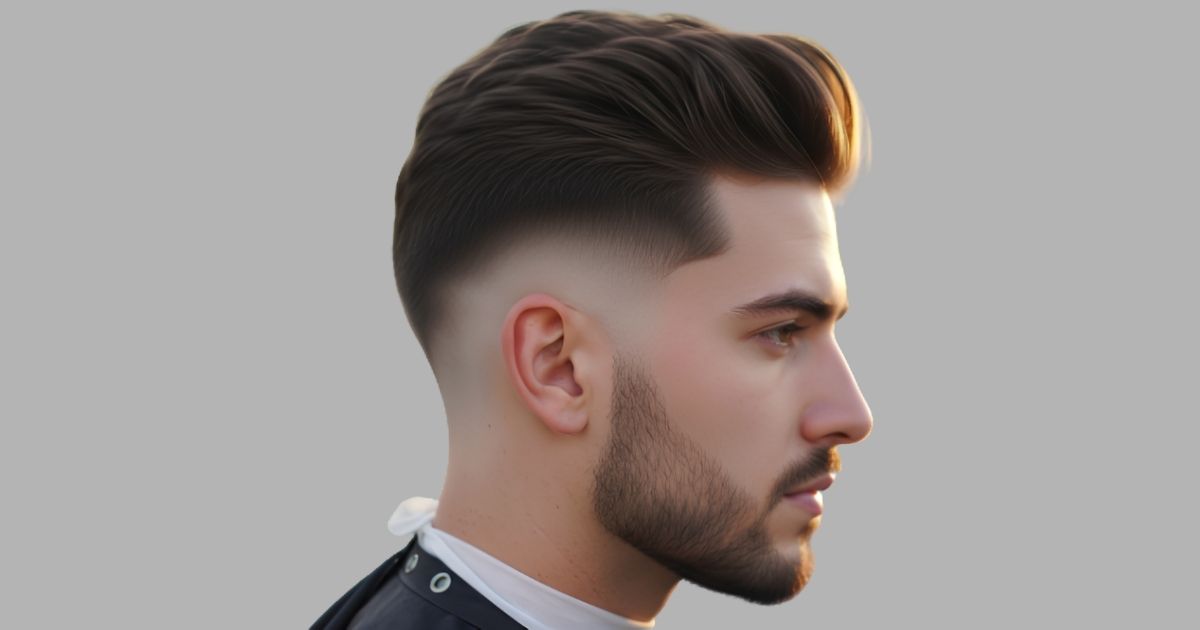
A low taper fade is a men’s haircut where the hair on the sides and back gradually transitions from longer at the top to very short or skin-level at the neckline. The word “low” tells you exactly where the fade begins: just above the ears and around the hairline, in the lowest third of the sides.
Unlike a mid or high fade that climbs higher on the head, the low taper keeps most of the side hair intact. The transition is subtle and controlled, which gives it a polished, professional look without looking overdone.
Key Visual Markers:
- The fade begins just above the ear level
- Hair blends smoothly down to the skin at the neckline
- The sides retain more length compared to higher fade variations
- A clean, defined line frames the ears and nape
- The top remains longer, providing contrast and styling room
This seamless gradient between long and short hair is what separates a great fade from a mediocre one. The lower the starting point, the softer the overall look.
Low Taper Fade vs. Other Fades: Quick Comparison Chart (2025 Edition)
Understanding where each fade starts is the key to choosing the right one for your face and lifestyle.
| Fade Type | Where It Starts | Contrast Level | Best For | Touch-Up Frequency |
| Low Taper Fade | Just above the ear | Subtle | Most face shapes, offices | Every 3 to 4 weeks |
| Mid Taper Fade | Around the temple | Moderate | Oval and square faces | Every 2 to 3 weeks |
| High Taper Fade | Near the top of the head | Bold | Round faces needing length | Every 1 to 2 weeks |
| Drop Fade | Curves behind the ear | Dramatic | Creative styles, curly hair | Every 2 weeks |
| Skin Fade | Any height, down to zero | Maximum | Bold statements | Every 1 to 2 weeks |
The low taper fade wins on versatility. It ages gracefully between visits, requires the least maintenance, and suits virtually every face shape and hair type.
Why the Low Taper Fade Dominates in 2026
The low taper fade is not trending by accident. Several factors have pushed it to the top of the barbershop request list this year.
It works everywhere. You can wear a low taper fade to a job interview in the morning and a night out in the evening. It does not scream for attention the way a high fade or shaved design does.
It grows out well. Because the fade starts low, the transition is gradual even as hair grows back. You can go three to four weeks between appointments without looking unkempt.
Social media has amplified it. The low taper fade mullet and the broccoli cut with a low fade have both gone viral across TikTok and Instagram in 2025 and 2026, introducing the style to younger audiences.
Barbers love it too. The low taper fade is the foundation cut that works as a base for dozens of top styles, from textured crops to pompadours. It makes their job more creative, not more restrictive.
Who Should Get a Low Taper Fade? (Face Shape + Hair Type Guide)
Choosing the right haircut means matching the cut to your natural features. Here is how to figure out if the low taper fade is the right move for you.
Best Face Shapes
- Round faces: The low taper fade with added height on top creates the illusion of a longer, more oval face. Pair it with a quiff or textured fringe lifted upward.
- Oval faces: The most balanced shape. Nearly every variation of the low taper fade works beautifully.
- Square faces: Strong jawlines benefit from the softer contrast of a low fade. It frames without overwhelming the jawline.
- Heart-shaped faces: Keeping some weight around the ear area balances a wider forehead. Avoid fading too dramatically on the sides.
Consider Alternatives If
- You have a very long or oblong face: a high-volume top with a low fade adds more vertical length, which may not be ideal. Opt for a mid fade with a flatter top style instead.
- Your lifestyle demands very minimal upkeep: a simple taper without a skin fade may suit you better.
Hair Type Compatibility
- Straight hair: Creates the cleanest, most visible gradient. Holds side parts and slick-back styles extremely well.
- Wavy hair: Adds natural texture and movement on top. The fade keeps the sides sharp while the waves do the work above.
- Curly hair: One of the most popular combinations in 2026. The contrast between a tight fade and a voluminous curly top is visually striking.
- Thick hair: The fade removes bulk from the sides, making the overall look feel lighter and more structured.
- Fine hair: Works well with a low taper. Avoid removing too much volume from the top, as it can make fine hair appear even thinner.
What Is a Low Taper Fade Variations Trending in 2026
The real power of the low taper fade is how many different top styles it supports. Here are the six most popular variations dominating barbershops and social feeds this year.
Low Taper Fade with Textured Crop
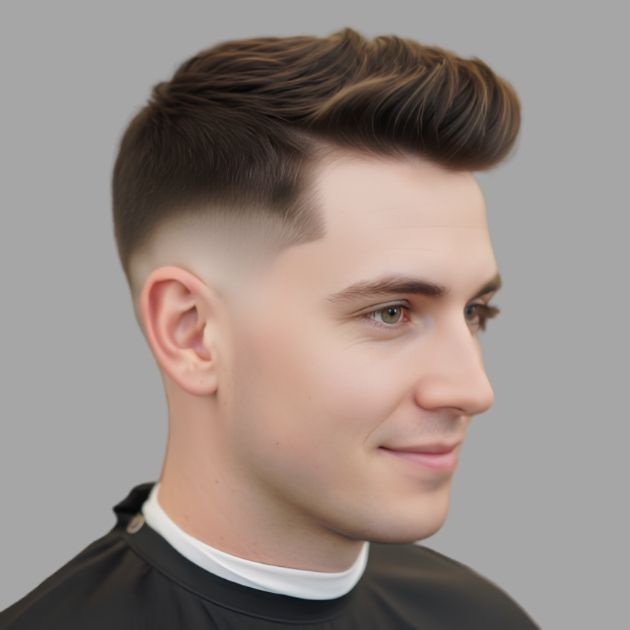
The textured crop sits short on top with choppy, defined ends that create natural-looking movement. Paired with a low taper fade, the contrast between the textured top and clean sides is sharp and modern. This combination works across all hair textures and is especially popular among men who want a low-maintenance style that still looks intentional. A small amount of matte clay or paste on damp hair is all you need to pull this look together.
Low Taper Fade with Messy Fringe
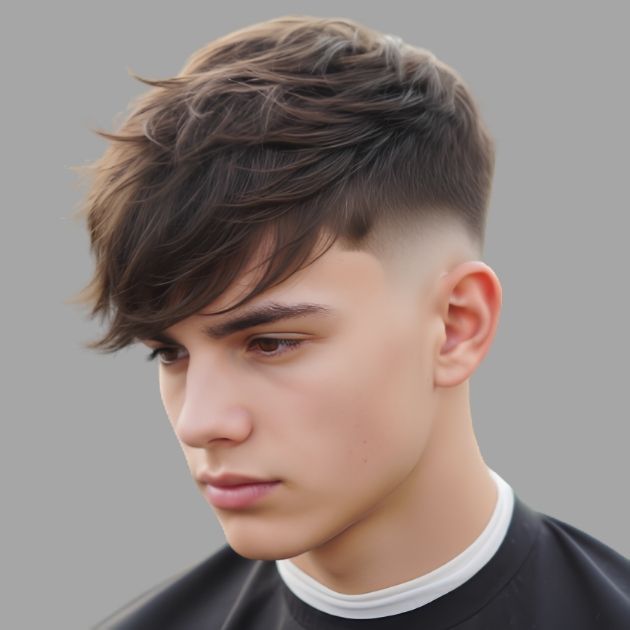
The messy fringe is deliberately undone, with hair pushed forward or to the side in a casual sweep. The low taper fade keeps everything anchored below while the fringe adds a relaxed, lived-in feel on top. This style works especially well with wavy or naturally textured hair. A lightweight sea salt spray gives the fringe that effortless finish without making it look stiff or overdone.
Low Taper Fade with Pompadour
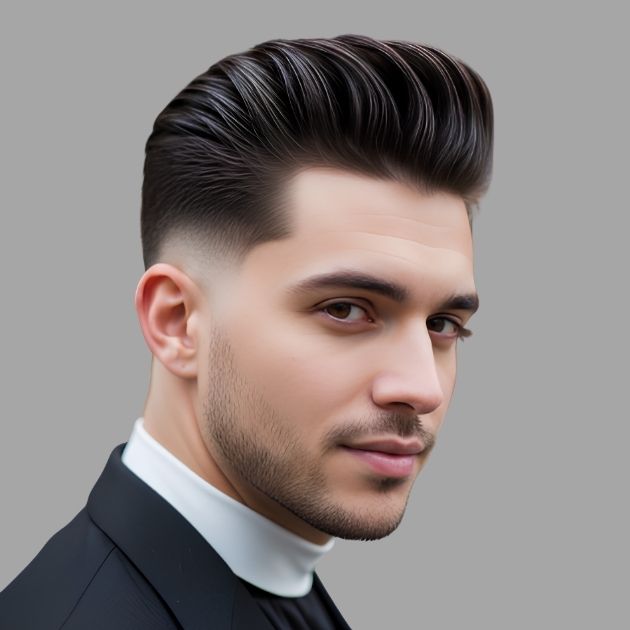
The pompadour sweeps the hair back and up from the forehead, creating volume and height at the front. When paired with a low taper fade, the result is a hybrid of retro style and modern barbering. This look suits oval and square faces best and works better with straight to slightly wavy hair. Use a medium-hold pomade with a light shine for that classic finish.
Low Taper Fade with Curly Top (Broccoli Cut)
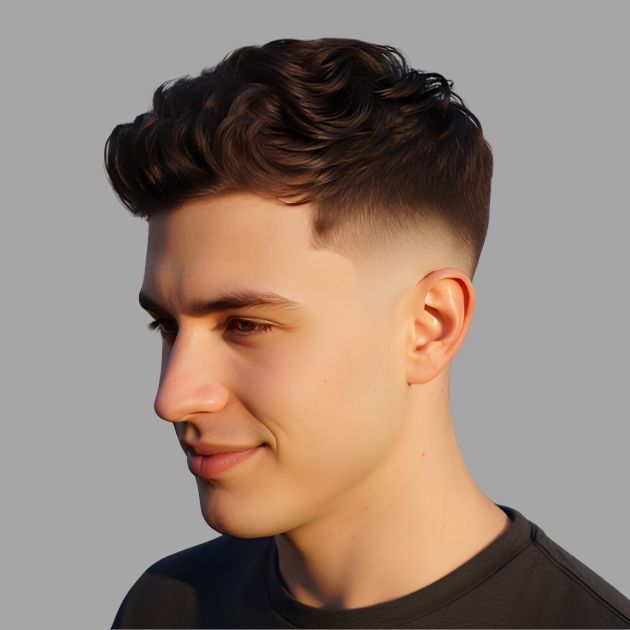
The broccoli cut, named for its resemblance to the vegetable’s shape, pairs a round, voluminous curly top with tight, faded sides. The low taper fade version keeps the base subtle while still showcasing the contrast between the tight curls and clean sides. This cut has exploded in popularity with Gen Z and is one of the most-requested styles at urban barbershops in 2026. It works best with natural curl patterns in the 3A to 4A range.
Low Taper Fade Mullet
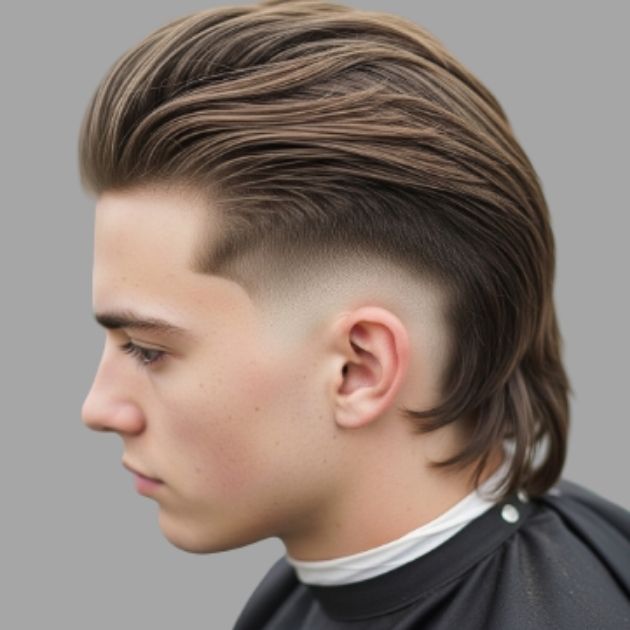
The modern mullet is nothing like its 1980s predecessor. The 2026 version features a textured top, clean sides with a low taper fade, and slightly longer hair at the back that flows naturally rather than being unkempt. This style sits at the intersection of edgy and polished, which is exactly why it keeps gaining ground in barbershops. It works best with straight to wavy hair and takes minimal product to maintain.
Low Taper Fade with Hard Part
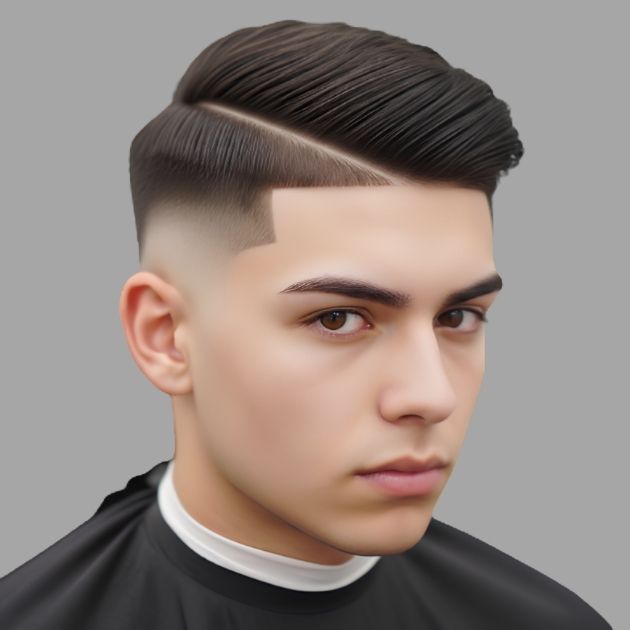
The hard part is a razor-cut line shaved into the hair to create a defined parting. When combined with a low taper fade, it adds sharp geometric structure to what is already a clean cut. This look is popular among men who want maximum precision from their haircut. It requires a steady barber hand and a comb to style properly, but the result looks intentional and polished every single time.
How to Ask Your Barber for a Low Taper Fade (Scripts Included)
Knowing how to communicate with your barber is half the battle. Here are three scripts to use depending on your comfort level.
Script 1 (Beginner-Friendly)
“I would like a low taper fade, please. Keep the sides natural but fade them down to the skin near the neckline and around the ears. Leave the top at its current length so we can work with it.”
Script 2 (Specific)
“Can I get a low taper fade starting just above the ear, fading down to skin at the neckline? On top, I want a textured crop about two inches long. Keep the line-up clean and square.”
Script 3 (Visual Reference)
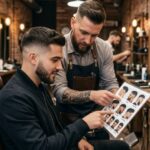
“I have a reference photo here. I want this exact low taper fade on the sides and back. The top I would like styled like this. Can you also give me a clean line around the ears?”
Always show a photo when possible. Even experienced barbers appreciate a clear visual reference because it removes ambiguity.
Step-by-Step: DIY Low Taper Fade at Home (Proceed with Caution)
Attempting a fade at home carries real risk. A blending mistake is very difficult to fix without shaving everything down. That said, here is a cautious approach if you have clippers and some experience.
- Gather your tools: A quality clipper set with multiple guard sizes (0, 0.5, 1, 1.5, 2), a trimmer for the neckline, a handheld mirror, and a comb.
- Start with the longest guard: Use a size 2 guard to trim the sides below the ear. Work upward in the direction of hair growth.
- Step down your guards: Switch to a size 1 about halfway up the ear area, then a 0.5 closer to the neckline.
- Blend the transition zones: Use the clipper tilted at an angle (flicking outward as you go up) to blend between guard sizes. This is the most skill-dependent step.
- Tighten the neckline: Use a trimmer without a guard to create a clean, defined edge at the nape.
- Check your work: Use two mirrors to see the back. Make adjustments carefully with a half-guard size.
If the blend looks uneven, it is always better to go to a barber to fix it than to keep trimming and deepen the mistake.
Styling Products for What Is a Low Taper Fade
The right product transforms an average result into something that looks intentional all day.
- Matte clay: Best for textured crops and messy fringes. Provides hold without shine. Ideal for thick or wavy hair.
- Pomade (water-based): Great for pompadours and slick-back styles. Provides a light to medium shine and washes out easily.
- Sea salt spray: Perfect for enhancing natural waves and giving that effortless, beachy texture.
- Styling cream: A lightweight all-rounder for curly tops and natural styles. Defines without crunch.
- Light hairspray: Use as a finisher to lock the style in place for longer-lasting results.
Avoid using heavy wax or gel products on a low taper fade, as they can dull the clean lines and make the fade area appear patchy.
Maintenance Schedule: Keep Your Low Taper Sharp
A low taper fade needs consistent upkeep to stay looking its best. Here is a simple schedule to follow.
- Every 3 to 4 weeks: Full barbershop visit for a complete re-fade and top trim.
- Every 1 to 2 weeks: Optional neckline touch-up with a trimmer at home to keep the edge defined between appointments.
- Daily: Apply your chosen styling product to the top while hair is slightly damp. This gives you the best hold and finish.
- Weekly: Wash hair two to three times with a quality shampoo. Over-washing can strip natural oils that help the fade look healthy and defined.
Common Low Taper Fade Mistakes (And Fixes)
Even experienced barbers run into issues. Here are the most frequent problems and how to address them.
- Uneven blending: One side fades higher than the other. Fix: Ask your barber to re-blend the higher side. Do not let them fade the lower side up to match.
- The fade is too high: The transition started above the ear, turning a low fade into a mid fade. Fix: This is a reset situation. Let it grow out slightly and clarify your starting point at the next visit.
- Hard lines instead of a blend: The clipper was not feathered properly, leaving visible stripes. Fix: Ask for a second blending pass using a smaller guard tilted outward.
- Neckline grows out too fast: Natural necklines vary. Fix: Ask your barber to shape it slightly higher than your natural hairline so growth is less noticeable between visits.
- Top style does not match the fade: The top was cut too short to contrast with the low fade. Fix: Communicate clearly about the length you want on top before any cutting begins.
What Is a Low Taper Fade for Different Ages and Lifestyles
The low taper fade works across generations and environments, which is a big part of why it has stayed so popular.
Teens and students: The broccoli cut and messy fringe variations are the most requested. They look current without being high-maintenance.
Young professionals: The textured crop and pompadour pairings strike the right balance between sharp and approachable, making them ideal for workplace environments.
Men over 40: The classic low taper fade with a side part or slick-back is clean, timeless, and requires no trend-chasing. It simply looks good.
Athletes and fitness-focused men: The low taper fade with a buzz cut top is the go-to. It stays out of the way during workouts and cleans up instantly.
Creative professionals: The mullet variation and hard part combinations add personality without crossing into unprofessional territory.
Seasonal Low Taper Fade Updates
Your low taper fade can shift slightly with the seasons to stay relevant and practical.
Spring and Summer: Go shorter on top to stay cool. The textured crop and broccoli cut shine in warmer weather. Lighter styling products like sea salt spray and cream work best.
Fall: Let the top grow out slightly. A messy fringe or longer pompadour transition naturally as temperatures drop.
Winter: Add more length on top for warmth and volume. The pompadour and slick-back work well under hats without getting crushed. A good clay holds the style even when a beanie comes off.
Frequently Asked Questions
What is the difference between a low taper and a low taper fade?
A low taper shortens the hair gradually around the neckline but does not reach skin level, while a low taper fade goes all the way down to the skin for a sharper, more modern finish.
How long does a low taper fade last?
A low taper fade looks crisp for three to four weeks. The skin line at the neckline grows out first, so a quick touch-up every two weeks keeps it sharp.
Does a low taper fade work on all hair types?
Yes. It works on straight, wavy, curly, and coily hair. The key is pairing it with the right top style for your specific texture.
Is a low taper fade good for professional settings?
Absolutely. It is one of the most office-appropriate cuts available because of its subtle contrast and clean, controlled appearance.
How much does a low taper fade cost at a barbershop?
Prices vary by location and barber experience, but most low taper fades in the US range from $25 to $60 in 2026.
Can I get a low taper fade with a beard?
Yes. A low taper fade pairs exceptionally well with a short, defined beard or clean-shaven look. Ask your barber to blend the fade into your beard line for a seamless finish.
What clipper guard is used for a low taper fade?
Most barbers use guards 0 through 2, stepping down gradually from the top of the ear to the neckline. The exact numbers depend on the desired skin level and the individual’s hair density.
Conclusion
The low taper fade earns its place as the top haircut of 2026 for one simple reason: it works for nearly everyone. It suits every face shape, adapts to every hair type, and pairs with enough top styles to keep your look fresh no matter how your tastes evolve. Whether you are after the clean lines of a textured crop or the bold personality of a modern mullet, the low taper fade is the foundation that makes it all come together. Take this guide with you to your next appointment, use one of the barber scripts, and walk out looking sharper than when you walked in.

Charlotte Aiden is the founder and editor of FaxhionTips.com, where he shares practical insights on the latest haircut trends, hairstyles, grooming tips, and hair care advice. Passionate about modern style and easy-to-follow beauty guidance, Charlotte creates well-researched content to help readers choose the best haircuts and maintain healthy, stylish hair with confidence.