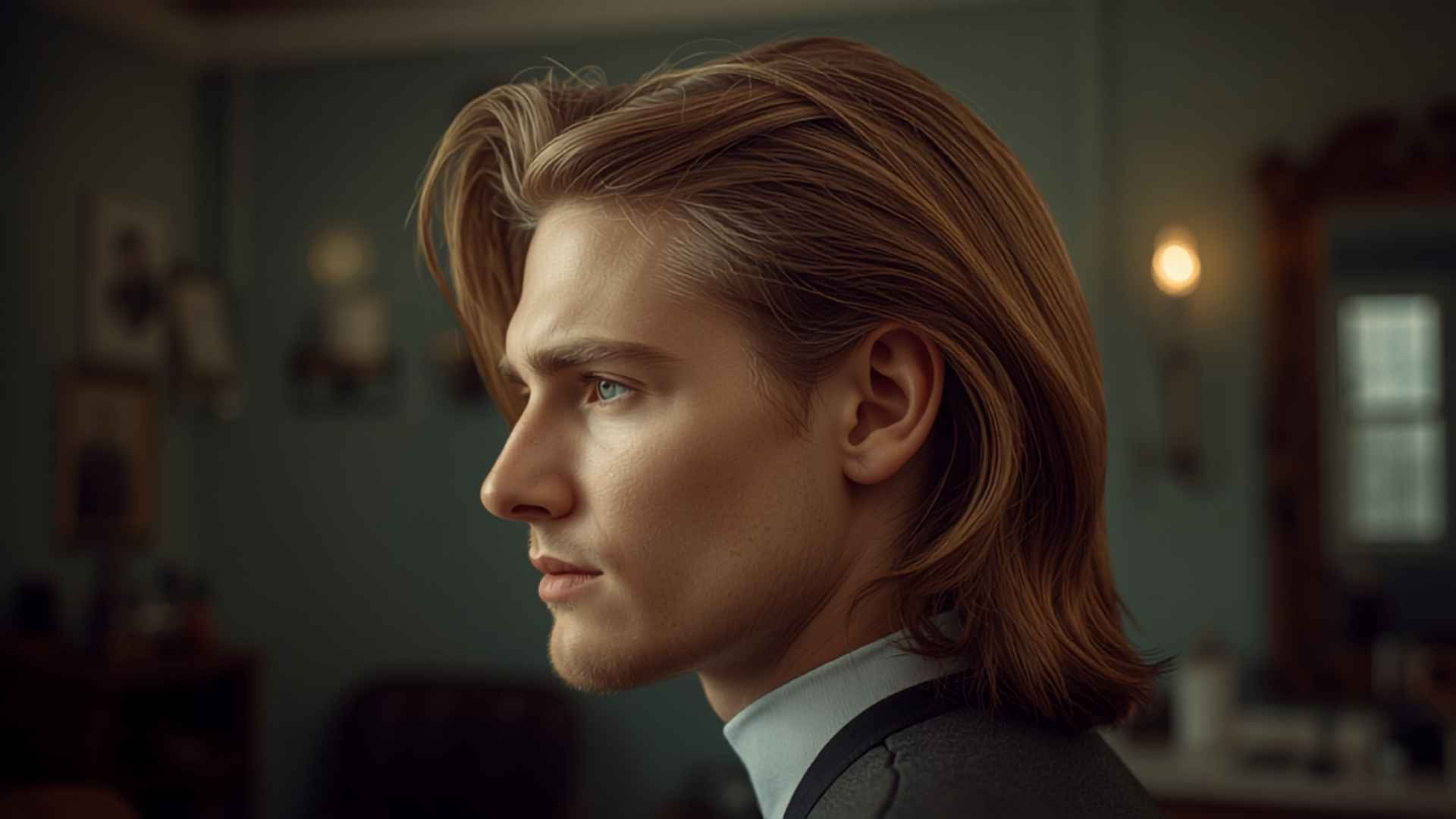
If you’ve spent any time scrolling barbershop pages or men’s grooming reels lately, you’ve probably noticed the same haircut popping up again and again: short, clean sides that fade low near the ears, paired with long, flowing hair up top. It’s called the low taper fade with long hair, and in 2026 it has become the go to cut for men who want length without looking unkempt.
This guide walks through everything you need to know. You’ll find 25+ style variations, advice on matching the cut to your face shape and hair texture, the exact wording to use with your barber, product recommendations, and a maintenance plan that keeps the look sharp between visits. Whether you’re growing your hair out for the first time or refining a cut you already love, there’s something here for you.
What Is a Low Taper Fade with Long Hair, and Who Does It Work Best For?
A low taper fade with long hair pairs a subtle, gradual fade around the ears and neckline with hair on top that’s left long enough to style, sweep, curl, or tie back. It’s a middle ground between a full buzz cut and an all-over long mane. The sides stay tidy, but the top does all the talking.
This cut works for nearly everyone. Because the fade sits low, it’s forgiving of different head shapes and hairlines, and it flatters straight, wavy, curly, and coily textures alike. It suits students, creatives, and office professionals equally well, since the clean sides read as polished even when the top is left loose and natural.
What Is a Low Taper Fade with Long Hair?
At its core, this style keeps the top section completely untouched in length while the sides and back are gradually blended shorter using clippers. Unlike a buzz cut or crew cut, nothing on top gets trimmed down, so curls, waves, and length are preserved in full. The fade simply frames that length and keeps things from looking overgrown.
How Is a Low Taper Fade Different from a Regular Taper?
A regular taper can start anywhere on the head, often blending down from mid-scalp or higher. A low taper keeps that blend confined to a narrow band near the ears and nape, which means more of your natural hair length is visible from every angle. It reads as subtler and less dramatic than a mid or high fade, making it a safer choice if you want a low maintenance transition between haircuts.
Where Exactly Does a Low Taper Fade Start?
The fade typically begins just above the ear, roughly at or slightly below the temple line, and blends down toward the hairline at the neck. Because it starts so close to the natural hairline, there’s very little bare scalp on display, which is part of why this cut feels more conservative than a skin fade or high fade.
Why Is the Low Taper Fade Long Hair So Popular in 2026?
A few things are driving this trend. Barbering has shifted toward craftsmanship over the last few years, with more shops investing in precise blending tools and techniques, so a clean low fade is easier to get right than ever before. At the same time, celebrities and athletes have been photographed with longer, textured hair on top paired with tidy sides, which has pushed the look into the mainstream.
There’s also a practical side. Growing your hair out can look messy during the in-between stage, but a low taper keeps the sides controlled while the top grows, so the cut looks intentional at every length. It’s flexible enough to move from the office to the gym to a night out without needing a different haircut for each occasion.
35 Best Low Taper Fade Long Hair Styles for Men
Below are the most requested variations of this cut right now, organized so you can find one that matches your hair type, face shape, or lifestyle.
Low Taper Fade with Long Hair (The Classic)
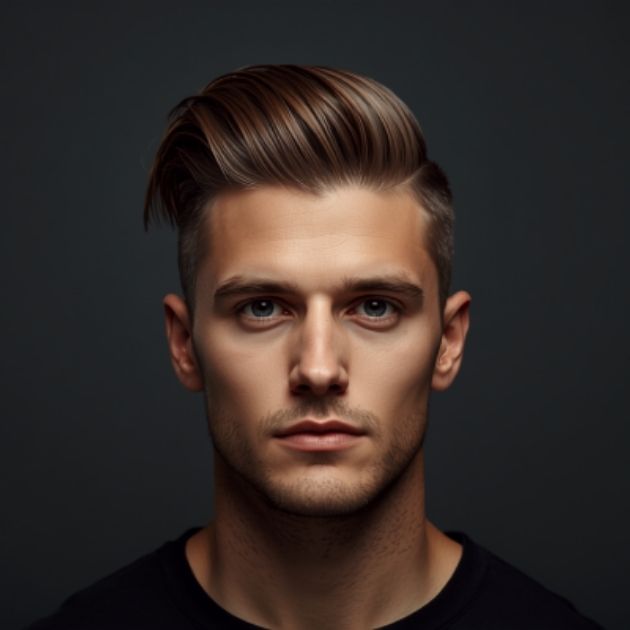
The original version: sides fade low and tight, top is left at full, natural length with no additional layering. It’s the easiest style to describe to a new barber and the most versatile starting point if you’re not sure which direction to take the cut.
Low Taper Fade with Long Slicked Back Hair
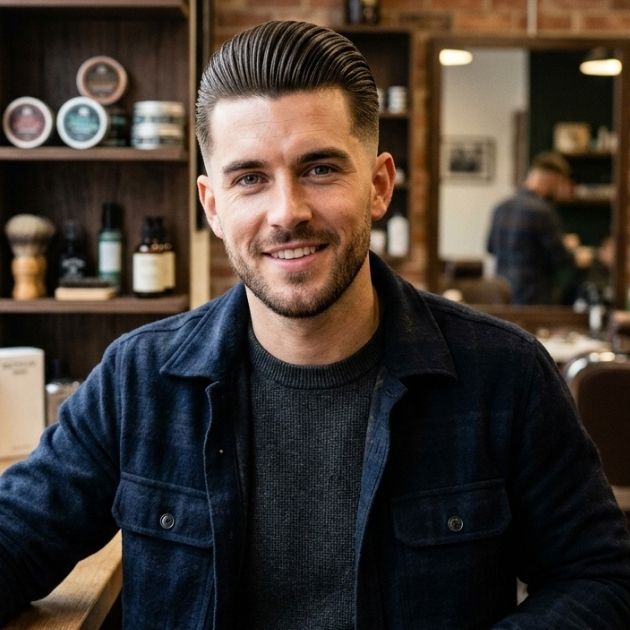
The top is combed straight back using a strong hold pomade or gel, creating a sleek, polished finish. This variation reads more formal and works especially well for business settings or events where you want a put together look.
Low Taper Fade with Long Wavy Hair

Natural waves are left to move freely on top, often enhanced with a light sea salt spray or texturizing cream. The low fade keeps the sides from competing with the wave pattern, so the texture stays the focal point.
Low Taper Fade with Long Straight Hair

Straight hair on top can be worn loose, center parted, or side swept. Because there’s no curl pattern to manage, this version tends to be the lowest maintenance of the bunch, needing little more than a comb and light cream.
Low Taper Fade with Long Curly Hair
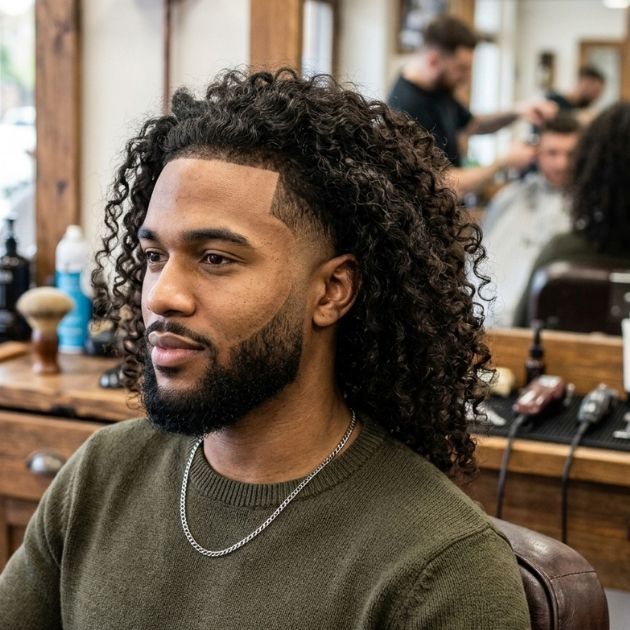
Curls are left to form naturally on top, sometimes defined with curl cream or a diffuser. The low fade adds contrast at the sides without disturbing the curl pattern, which helps the curls look fuller by comparison.
Low Taper Fade with Man Bun
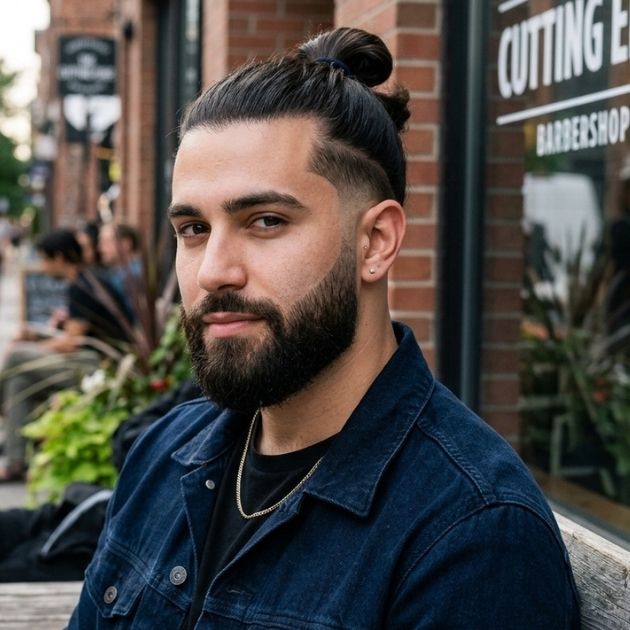
Length is pulled back and tied into a bun at the crown, while the low taper keeps everything below it neat. This is a practical option for men who want long hair without it falling into their face during the day.
Low Taper Fade with Half-Up Long Hair

Only the top section is tied back, leaving the rest of the length loose. It’s a middle ground between a full man bun and wearing hair completely down, popular with men transitioning through a longer growth phase.
Low Taper Fade with Curtain Hair

Hair is center parted and swept to either side, framing the face like curtains. This style has strong Gen Z appeal and pairs naturally with a low fade because the fade keeps the sides from bulking up the overall silhouette.
Low Taper Fade with Center-Parted Long Hair
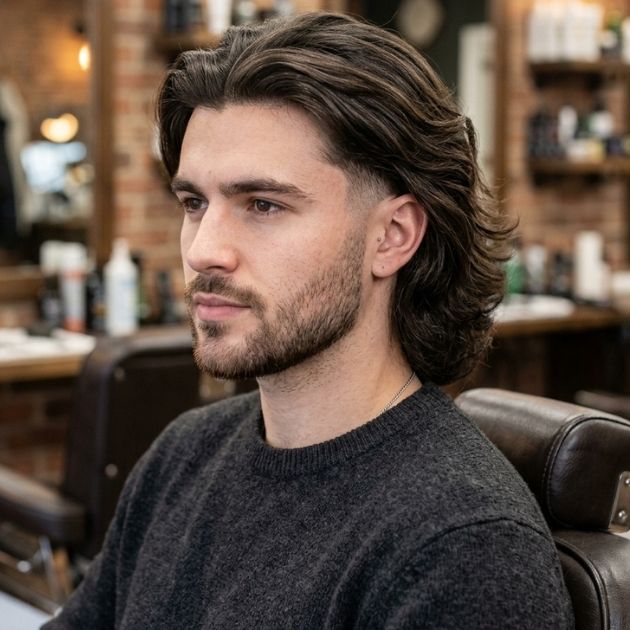
Similar to curtains but styled with less separation, this look keeps a clean line down the middle of the scalp with length falling evenly on both sides.
Low Taper Fade with Side Part
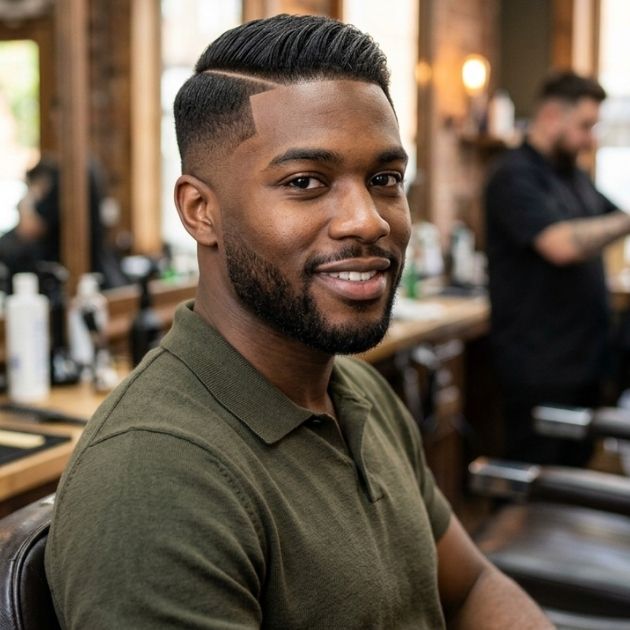
A defined side part adds structure to longer hair, giving it a more classic, put together appearance. Works well when paired with a light hold pomade to keep the part crisp through the day.
Low Taper Fade with Long Fringe
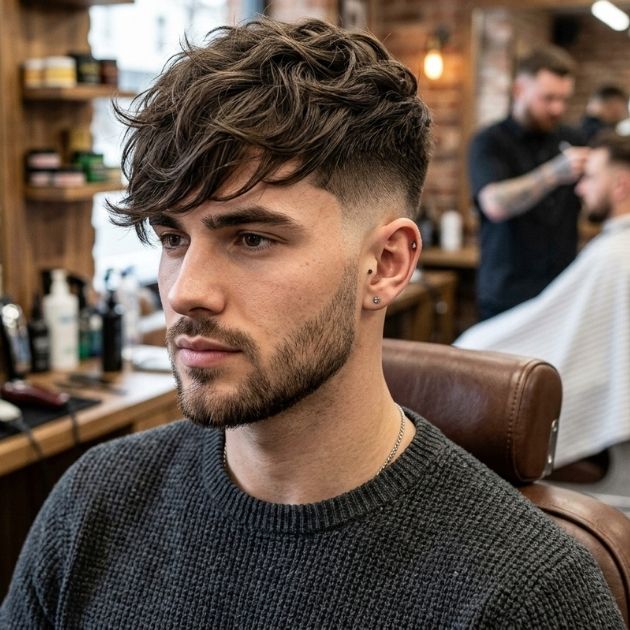
The front section is left long and worn forward over the forehead, while the low fade keeps the back and sides tidy. This creates strong contrast between the soft fringe and the sharp taper.
Low Taper Fade with Long Pompadour
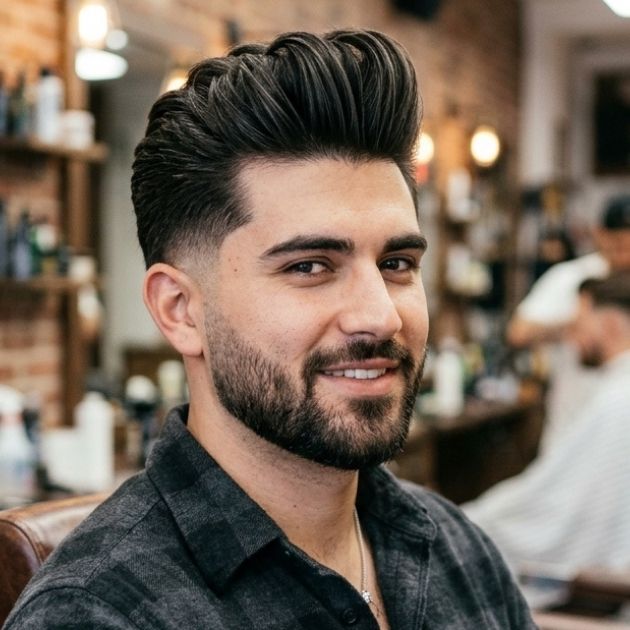
Height and volume are built at the front using a blow dryer and strong hold product, then swept back. The low fade balances the volume up top so the style doesn’t look top heavy.
Low Taper Fade with Quiff
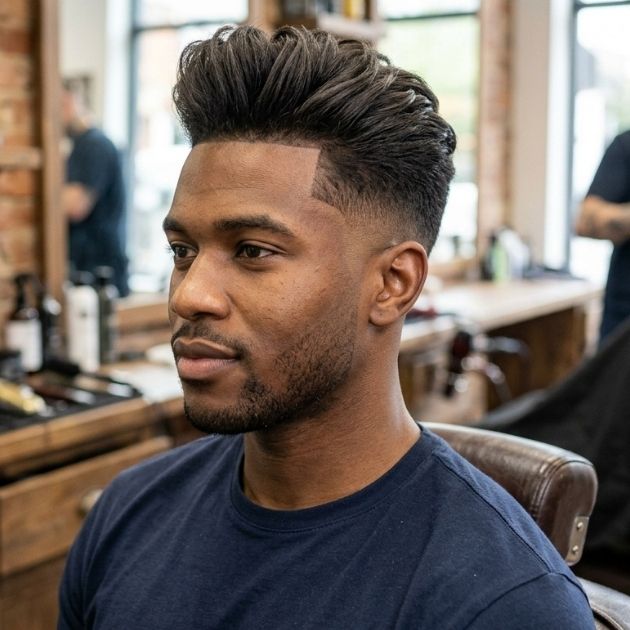
A shorter cousin of the pompadour, the quiff lifts hair at the front into a soft peak without the same height or heavy backward sweep. It’s an easy everyday style that still photographs well.
Low Taper Fade with Messy Long Hair

Texture is left deliberately undone using a matte paste or clay, giving a lived-in, effortless finish. This is one of the most requested casual variations because it looks good with minimal daily styling.
Low Taper Fade with Blowout Long Hair

Hair is blow dried upward and outward for maximum volume, then set with a light mousse. It suits thick or wavy hair best and creates a fuller silhouette than most other variations on this list.
Low Taper Fade with Long Wolf Cut
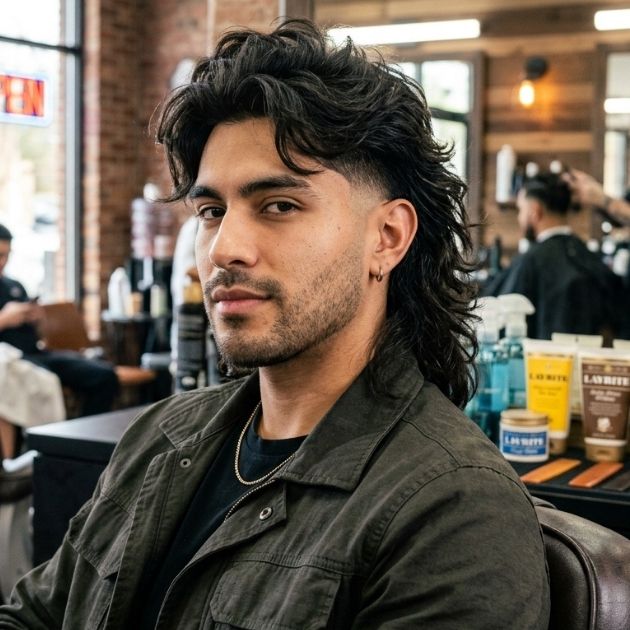
The wolf cut brings shaggy, heavily layered movement to the top while the low fade cleans up the sides. It’s currently one of the most photographed long hair trends because it blends edgy texture with a controlled base.
Low Taper Fade with Braided Top
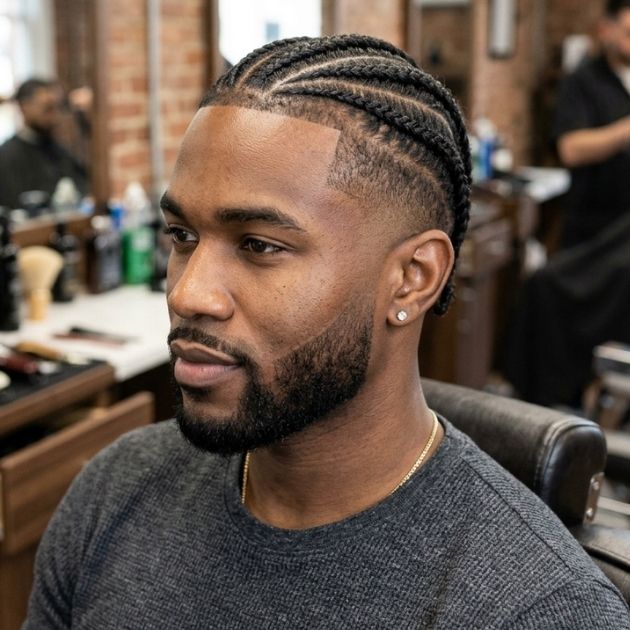
Braids, twists, or cornrows are added to the long top section, while the fade keeps the perimeter sharp. This variation is popular for its low daily maintenance and its ability to protect longer hair between styling sessions.
Low Taper Fade with Long Afro-Textured Hair

Natural curl pattern is preserved and shaped on top, often with a rounded or free form silhouette, while the fade at the sides adds definition and contrast.
Low Taper Fade with Fluffy Long Top

A soft, rounded, voluminous top is achieved with a diffuser and light cream, giving a boyish, casual look that pairs well with the sharp low fade underneath.
Low Taper Fade with Textured Long Top
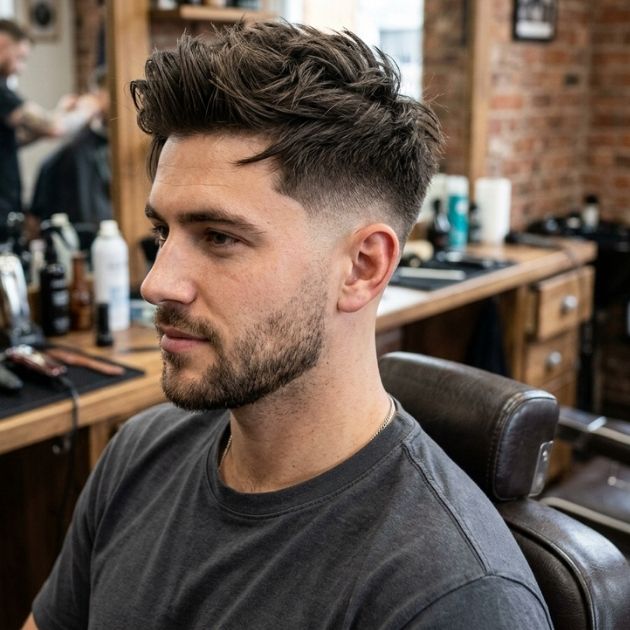
Choppy, piece-y layers are cut into the top for added texture and movement, finished with a matte paste. This works especially well for fine or thin hair that needs help looking fuller.
Low Taper Fade with Ponytail
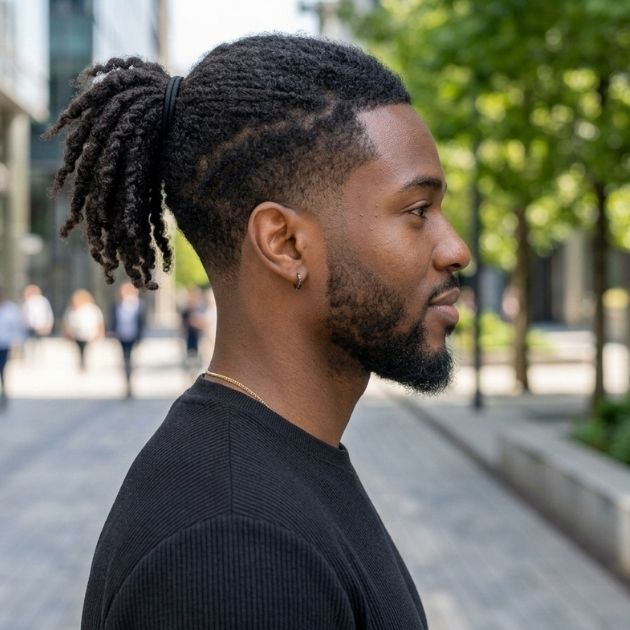
Longer hair is pulled fully back into a low or high ponytail, which is practical for workouts or hot weather while still showing off the clean taper underneath.
Low Taper Fade with Beach Waves
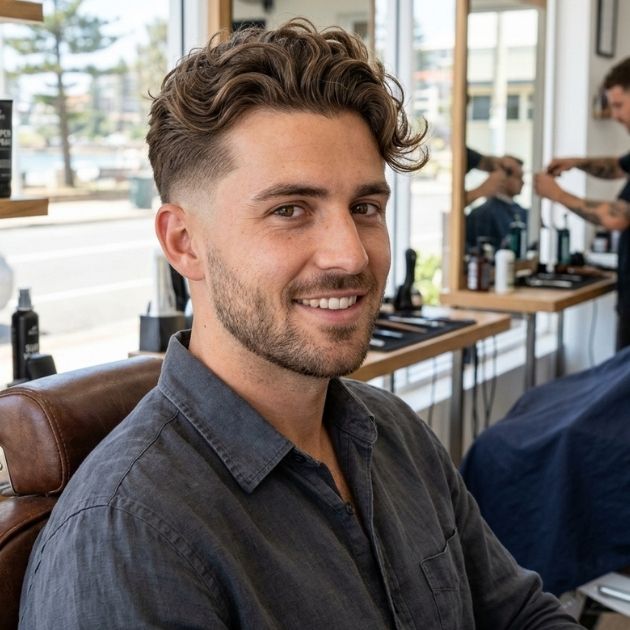
A relaxed, tousled wave pattern is created using a texturizing spray, giving off a lived-in, sun-kissed look that pairs naturally with the low, understated fade.
Low Taper Fade with Flow Hairstyle
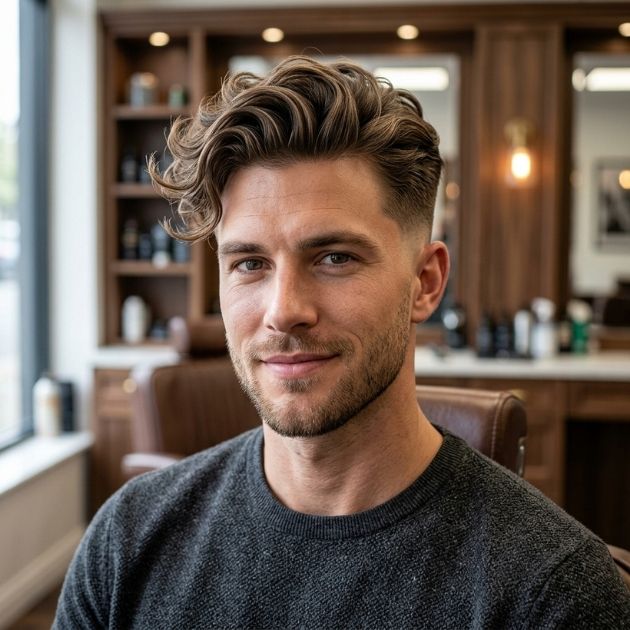
Popular among athletes, this look lets mid to long hair move naturally without a hard part or heavy product, while the low fade keeps things from looking unkempt around the ears.
Low Taper Fade with Long Faux Hawk
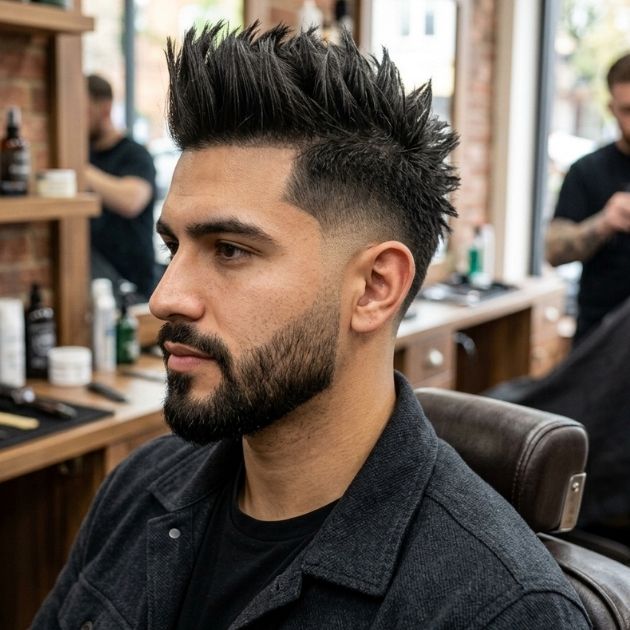
The center section is styled upward into a subtle ridge while the sides are left flatter, creating a faux hawk silhouette that’s softer than a traditional mohawk.
Low Taper Fade with Long Natural Texture
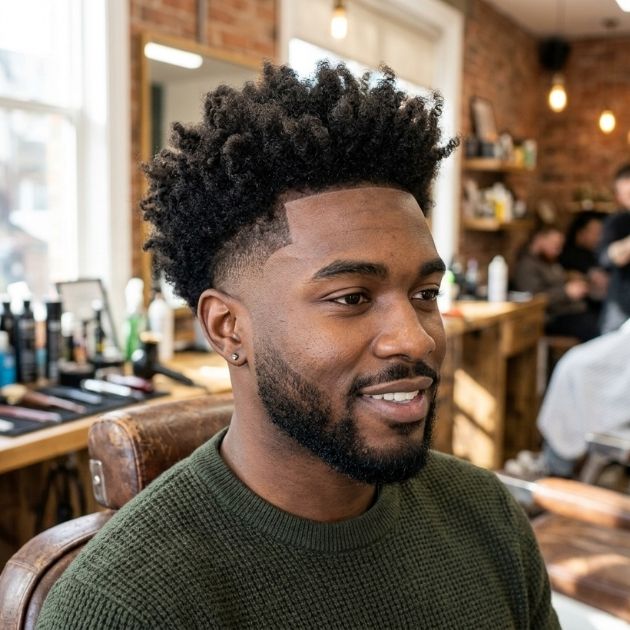
No forced styling here. The top is left to dry and settle into its natural shape and pattern, whatever that happens to be, while the low fade provides just enough structure at the sides.
Which Low Taper Fade Long Hair Style Suits Your Face Shape?
What Hairstyle Works Best for Oval Face Shape?
Oval faces are considered the most balanced shape, so nearly every variation on this list works, including slicked back styles and center parts that would overwhelm other face shapes.
What Hairstyle Works Best for a Square Face Shape?
Softer, textured tops like the wolf cut, messy long hair, or beach waves help soften strong jawlines, while side parts add a nice diagonal line to break up angular features.
What Hairstyle Works Best for a Round Face Shape?
Height at the crown, like a pompadour or quiff, helps elongate a round face. Avoid styles that add width at the sides, since that can emphasize roundness.
What Hairstyle Works Best for a Heart Face Shape?
Curtain hair or a long fringe helps balance a wider forehead by softening the hairline, while keeping volume lower and closer to the jaw rather than piled up top.
What Hairstyle Works Best for Diamond Face Shape?
Textured or fluffy tops add width near the forehead and jaw, which helps balance out prominent cheekbones. A side part also works well here.
What Hairstyle Works Best for a Long or Oblong Face Shape?
Avoid excess height on top. Flatter, side swept, or fringe forward styles help shorten the visual length of the face, while a low fade keeps things proportional at the sides.
How Does the Low Taper Fade Work for Different Hair Types?
Low Taper Fade Long Hair for Straight Hair
Straight hair holds a part cleanly and slicks back easily, making it one of the more flexible textures for this cut. It typically needs a light pomade or gel to hold shape through the day.
Low Taper Fade Long Hair for Curly Hair
Curly hair benefits from a low fade because the tight sides create contrast against the curl volume up top. A curl-defining cream or leave-in conditioner helps prevent frizz.
Low Taper Fade Long Hair for Coily or Afro-Textured Hair
Coily hair can be worn in its natural rounded shape, twisted, or braided on top. Regular moisture is essential, since coily textures are more prone to dryness than other hair types.
Low Taper Fade Long Hair for Fine or Thin Hair
Fine hair benefits from texturizing products and layered cutting techniques that create the illusion of density, since a totally flat top can look thin against a sharp fade.
What Should You Tell Your Barber for a Long-Hair Low-Taper Fade?
What Is the Exact Script to Ask for This Cut?
Tell your barber: “I’d like a low taper fade, starting just above my ears, blending down to the skin or a very short guard at the neckline. Please leave the top completely untouched in length.” Mentioning where you want the fade to start and confirming the top stays long removes most of the guesswork.
Which Clipper Guard Sizes Are Used for a Low Taper Fade?
Most barbers blend from a #0 or #0.5 near the hairline up through a #1 and #2 as they move toward the top of the fade, using half guards and taper lever adjustments to keep the transition smooth rather than stepped.
What Reference Photos Should You Bring to the Barber?
Bring at least two photos: one showing the fade height and blend from the side, and one showing how you want the top styled. A front-facing photo helps too, since barbers work off the whole silhouette, not just one angle.
When Is the Best Time to Book a Barber Appointment?
Book every two to three weeks if you want the fade to stay crisp, or stretch to four weeks if you don’t mind a softer, slightly grown out taper between visits.
How to Pair a Low Taper Fade Long Hair and a Beard
A well-groomed beard adds balance to the length on top and gives the whole look a finished, intentional feel. The key is keeping the beard’s edges as clean as the fade itself so the two elements match in precision.
Which Beard Style Complements a Low Taper Fade with Long Hair?
Stubble or a short boxed beard pairs well with softer, textured tops, while a fuller beard suits slicked back or pompadour styles that already lean more polished. Whichever length you choose, a defined cheek line and neckline keep the beard from looking disconnected from the fade.
How to Style Low Taper Fade Long Hair: Step-by-Step
How to Style Long Straight Hair with a Low Taper Fade
- Apply a dime-sized amount of pomade or light gel to damp hair.
- Comb into your preferred part or sweep hair straight back.
- Let air dry or blow dry on a low, cool setting to lock the shape in place.
How to Style Long Wavy Hair with a Low Taper Fade
- Work a texturizing spray or sea salt spray through damp hair.
- Scrunch gently with your hands to encourage the natural wave pattern.
- Finish with a small amount of matte cream to control frizz without weighing the waves down.
How to Style Long Curly Hair with a Low Taper Fade
- Apply curl cream or leave-in conditioner to soaking wet hair.
- Use a diffuser on low heat to dry curls without disturbing their shape.
- Once fully dry, separate curls gently with your fingers for extra volume.
Best Products for Low Taper Fade Long Hair
- Matte clay or paste: Ideal for textured, messy, or wolf-cut styles that need hold without shine.
- Pomade: Best for slicked back, side part, or pompadour looks that need a polished finish.
- Sea salt or texturizing spray: Great for wavy or beach wave styles that need natural-looking texture.
- Curl cream or leave-in conditioner: Essential for curly and coily hair to define curls and fight frizz.
- Light hold mousse: Useful for blowouts and volume-focused styles that still need to feel movable.
- Beard oil or balm: Keeps facial hair soft and helps it blend cleanly with the fade at the jawline.
How to Maintain a Low Taper Fade with Long Hair
How Often Should You Get a Low Taper Fade with Long Hair?
Most men need a fade touch-up every two to four weeks. Because the top is left long, you don’t need to trim it nearly as often, so visits are really about keeping the sides and neckline crisp rather than cutting length.
At-Home Maintenance Tips Between Barber Visits
- Use a neck trimmer to clean up stray hairs at the nape between full appointments.
- Wash with a gentle, sulfate-free shampoo to protect length and texture on top.
- Deep condition weekly if you have curly or coily hair, since longer strands are more prone to dryness.
- Sleep on a silk or satin pillowcase to reduce friction and frizz overnight.
Common Mistakes to Avoid with a Low Taper Fade Long Hair
What Are the Most Common Mistakes Men Make with This Haircut?
- Waiting too long between fade touch-ups, which causes the blend to grow out unevenly and lose its shape.
- Using too much product on top, which weighs down length and flattens natural texture.
- Skipping barber communication, then being disappointed when the fade starts higher or lower than expected.
- Neglecting scalp and hair health, especially with curly or coily textures that need consistent moisture.
- Choosing a style that ignores face shape, which can make certain cuts look unbalanced rather than flattering.
Is the low-taper fade with long hair suitable for professional settings?
Yes. Because the fade stays low and subtle, it reads as tidy and controlled even with significant length on top, making it appropriate for most office and client-facing environments as long as the top is kept neat.
How to Style Low Taper Fade Long Hair for Different Occasions
For work, a slicked back or side part finish looks the most polished. For casual days, messy texture or natural waves feel more relaxed. For formal events, a defined pompadour or clean side part elevates the look without needing a haircut change.
The Low Taper Fade Long Hair in 2026: History, Culture & Modern Influence
Taper fades trace back to military grooming standards from the 1940s, when short, controlled sides became a practical necessity. Over the decades, the taper evolved from a purely functional cut into a style statement, with barbers refining blending techniques to create smoother, more seamless transitions between lengths.
The long hair pairing is a more recent shift. As barbering has embraced more craftsmanship and precision over the last several years, more men have felt confident growing out the top without losing the clean, groomed look a fade provides. Musicians, athletes, and actors wearing longer, textured hair alongside tight sides have helped normalize the combination, and the result is a style that now feels equally at home in a boardroom or on a festival lineup.
Low Taper Fade vs. Mid Taper Fade with Long Hair: Which Is Better?
A low taper fade starts near the ears and stays subtle, which makes it more versatile for professional settings and lower maintenance since regrowth is less noticeable. A mid taper fade starts higher, around the temple, creating more visible contrast and a bolder look, but it also requires more frequent touch-ups to keep the higher blend line sharp. If you want a safe, adaptable cut, go low. If you want more definition and don’t mind extra barber visits, mid is worth considering.
Expert Barber Tips for the Perfect Low Taper Fade Long Hair
- Always communicate the exact fade height using the ear as a reference point rather than vague terms like “short” or “not too much.”
- Ask your barber to check the fade from multiple angles, including a mirror check at the back of the neck, before you leave the chair.
- Comb hair in the direction of natural growth when styling, since fighting against it causes styles to collapse faster during the day.
- Book your next appointment before you leave the shop to stay ahead of regrowth rather than catching up on a fade that’s already grown out.
- If you’re growing your hair out from a shorter cut, be patient through the awkward stage. Keeping the fade tight during this period is what makes the transition look intentional.
Frequently Asked Questions
Does a low taper fade work with thick hair?
Yes, thick hair actually helps create strong volume and contrast against the low fade, especially in blowout or pompadour styles.
Can I get a low taper fade with long hair at home?
It’s possible with clipper guards and a mirror setup, but professional barbers are recommended for the blending precision this cut requires.
How long does hair need to be on top for this style?
Most variations work once the top reaches at least three to four inches, though some styles like man buns need more length.
Will a low taper fade suit a receding hairline?
Yes, since the fade sits low near the ears rather than at the crown, it doesn’t draw extra attention to a receding hairline.
Is this haircut good for hot weather?
Yes, tying hair back into a ponytail or half-up style keeps you cool while the fade keeps the sides light and breathable.
How do I stop my long top from looking greasy?
Wash every two to three days with a gentle shampoo and use lightweight, non-greasy styling products rather than heavy oils.
Can women get a low taper fade too?
Yes, this cut isn’t gender specific and has grown in popularity among women who want short sides with longer length on top.
Final Thoughts
The low taper fade with long hair earns its popularity because it solves a real problem: how to grow your hair out without looking messy along the way. The tight, low fade keeps things controlled at the sides while giving you total freedom to experiment on top, whether that means curls, waves, a man bun, or a shaggy wolf cut.
Bring a couple of reference photos to your next barber visit, use the exact script from this guide, and be consistent with touch-ups every two to four weeks. Do that, and you’ll have a cut that looks deliberate at every stage of growth, no matter which of the 25+ variations above you choose to make your own.

Charlotte Aiden is the founder and editor of FaxhionTips.com, where he shares practical insights on the latest haircut trends, hairstyles, grooming tips, and hair care advice. Passionate about modern style and easy-to-follow beauty guidance, Charlotte creates well-researched content to help readers choose the best haircuts and maintain healthy, stylish hair with confidence.