
A haircut can look sharp on top and still feel unfinished around the edges. That’s usually a taper problem, not a texture problem. The low taper fade black male cut fixes it by cleaning up the hairline, ears and neckline while leaving your natural texture, whether that’s waves, curls, an afro, twists or locs, completely intact on top.
This guide breaks down what a low taper fade actually is, how it compares to other fades on Black hair, the best variations for every hair type, which cut suits your face shape, and exactly how to describe it to your barber so you don’t leave the chair disappointed. Everything here reflects current 2026 barbershop trends and real cutting techniques, not just stock photos.
What Is a Low Taper Fade for Black Men?
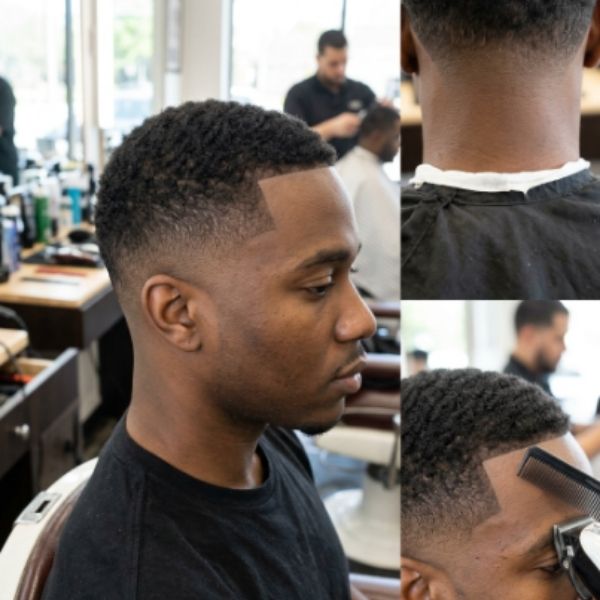
A low taper fade is a haircut where the clippers start blending just above the ears and around the nape, using guard sizes that shrink gradually as they move down toward the skin. Instead of a hard line between long and short hair, the transition is smooth, almost invisible, so the top length flows naturally into shorter sides.
The barber typically starts with a #2 or #3 guard on the upper sides and works down to a #1, #0.5 or a bare blade near the neckline and sideburns. Because the taper sits low on the head, most of the hair’s natural density stays untouched. That matters a lot for Black hair, since 3C to 4C textures rely on volume and shape to hold their pattern.
Key traits that define this cut:
- The fade begins near the ear and nape, not up at the temple.
- The blend is gradual rather than a sharp, visible line.
- Top length stays flexible, from a tight buzz to a full afro.
- It works on straight, wavy, curly, coily and kinky hair types alike.
- Very little scalp shows, which keeps the look understated and grow-out friendly.
Low Taper Fade vs Other Fades on Black Hair
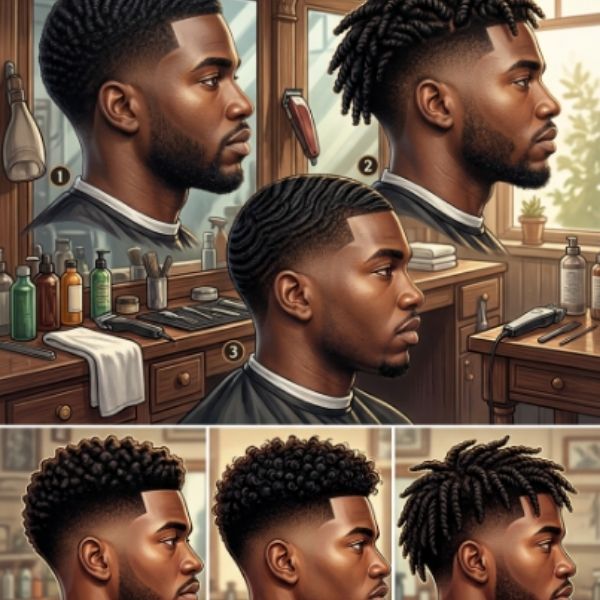
Not every fade sits at the same height, and that height changes how much contrast, upkeep and boldness you end up with. Here’s how the low taper stacks up against the alternatives.
| Fade Type | Where It Starts | Skin Shown | Best For |
| Low Taper Fade | Just above the ears and nape | Minimal | Everyday wear, job interviews, first-time fades |
| Low Fade | Slightly higher than a taper, same general area | Light to moderate | A cleaner look that still stays subtle |
| Mid Taper Fade | At the temple | Moderate | More visible contrast, still office appropriate |
| High Taper Fade | Upper third of the head | High | Bold, statement haircuts |
| Skin Fade / Bald Fade | Any height, fades to bare skin | Maximum | Sharp, edgy, high-maintenance styles |
If you want the safest entry point into fades, or you simply prefer a fuller, more natural silhouette, the low taper is the one to ask for.
Why Low Taper Fades Work So Well for Black Hair
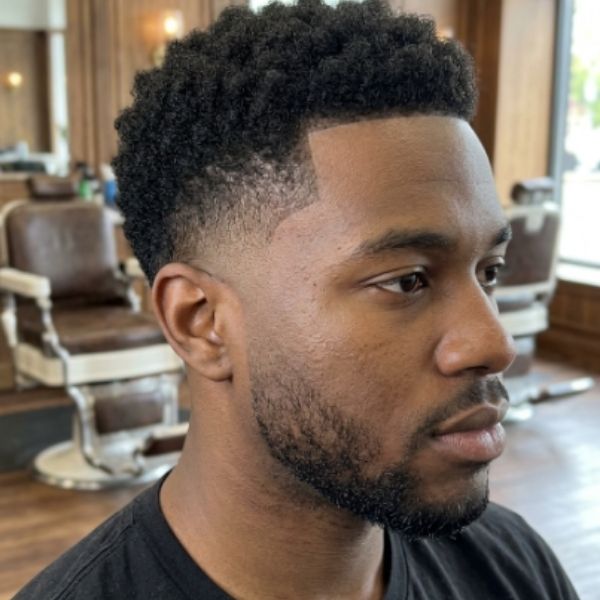
Black hair textures, especially 3B through 4C, hold shape best when there’s still bulk left on the sides. A high or mid fade removes a lot of that supporting hair, which can make curls, coils and afros look thinner or lopsided. A low placement protects that bulk while still giving a clean, groomed edge.
There are a few practical reasons this cut has become the most requested style in Black barbershops right now:
- It flatters coily and curly patterns instead of flattening them.
- It grows out evenly, so you’re not rushing back for a touch-up every week.
- It reads as professional and polished, which makes it a safe choice for workplaces and interviews.
- It pairs with almost any top length or texture, from a buzz cut to shoulder-length locs.
- It hides a receding hairline or uneven temples better than higher fades do.
Top Variations of Low Taper Fade Black Male Hairstyles
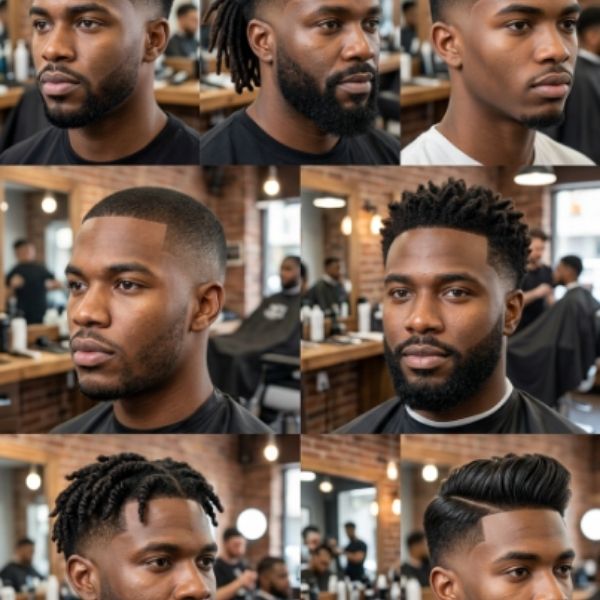
Short & Buzz-Cut Low Taper Fades
This version keeps the top cropped close, usually a #1 or #2 guard, without shaving it down completely. The low taper stops the silhouette from turning into a square block around the ears, adding shape to what would otherwise be a flat buzz. It’s the lowest-maintenance option on this list and a good starting point if you’ve never had a fade before.
Waves, 360 Waves & Coils
For wavers, the sides need enough length left for the wave pattern to actually show. The taper only touches the very bottom of the hairline, so the brushing pattern stays intact instead of getting chopped into. Combined with a durag or wave cap routine and regular brushing, this cut produces that deep, connected 360 wave look barbers are known for.
Looser curls and coils get similar treatment: texture stays visible on top and the upper sides, with a soft taper underneath. The curls keep their shape instead of making the head look wider than it is.
Afro Tops & Shaped Afros
Here the afro is left tall, rounded, or slightly angular depending on personal style, while the taper hugs the base around the ears and neck. Because the fade is low, almost none of the afro’s density gets removed, so it reads as full rather than thinned out at the edges. A sculpted outline or hard part adds definition for anyone who wants more structure than a free-form round shape.
Long Hair, Braids, Locs & Dreads
Longer styles benefit the most from a low taper because it keeps the visual weight up top where the braids, twists or locs live. Cornrows, box braids and two-strand twists all flow cleanly into a tapered sideburn and neckline instead of stopping abruptly. For locs and dreads, the low fade keeps the base neat between retwist appointments without disturbing the length.
Sponge Twists & Hybrid Textures
Sponge curls, coily fringe styles and mixed-texture tops pair naturally with this cut because the taper does the heavy lifting on the sides while the sponge tool defines curls on top. This combination has become popular for men who want a shorter, denser curl pattern without committing to twists or braids.
Beards, Line-Ups & Designs
A crisp beard blend and a sharp line-up turn a good low taper into a great one. Barbers typically connect the sideburn taper directly into the beard line for a seamless finish, then finish the front hairline with a straight razor for photo-ready sharpness. Some clients add a part line, a zig-zag, or a small design above the ear for extra detail, though a soft, natural corner works just as well for a subtler result.
Mohawk, FRO Hawk & Mid Low Taper
For a bolder take, the sides get tapered low while the center strip is left long, either as a straight mohawk or a curlier frohawk. Because the taper stays low instead of climbing up the sides, the contrast between the strip and the sides feels intentional rather than harsh. This variation works particularly well for oval and square face shapes that can handle extra height through the crown.
Best Low Taper Fade Black Male for Different Face Shapes
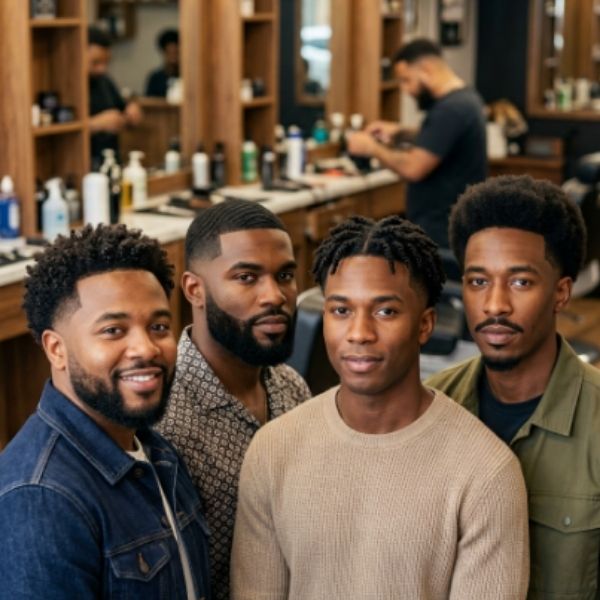
The right top length and shape can adjust how your face reads, whether you want more height, more width, or softer lines around the jaw.
| Face Shape | What to Add | Best Style Match |
| Round | Height, not width | Tall afro, frohawk, high-volume waves |
| Long / Oblong | Side fullness, lower taper | Short afro, coils, side-swept braids |
| Square | Softened edges on top | Curly top, waves, textured twists |
| Oval | Almost anything works | Any variation, including a buzz cut |
| Heart | Width at the jaw, softer crown | Curls or twists with a rounded top |
| Diamond | Balance at the cheekbones | Goatee combo with a low taper |
As a quick rule of thumb, round faces benefit from vertical height, long faces need width on the sides, and oval faces have the freedom to try almost any variation without worry. A skilled barber will also nudge the taper’s starting point slightly higher or lower based on your jawline and hairline shape, so don’t hesitate to ask for small adjustments instead of accepting a one-size-fits-all cut.
How to Ask for Low Taper Fade Black Male at the Barber
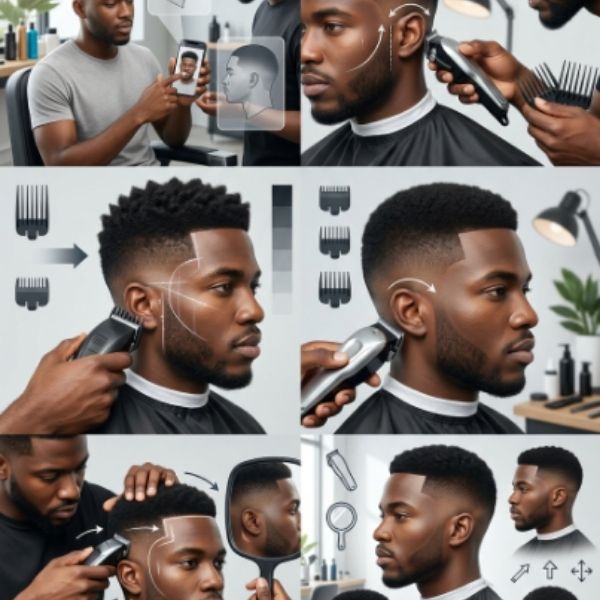
Barbershop language matters. Walking in and saying “low taper” is a start, but giving a clear reference makes the outcome far more predictable.
- Bring a photo, ideally of someone with a similar hair texture and face shape to yours.
- Specify where you want the fade to start, for example, “right at the ear, not up at the temple.”
- Tell the barber how much top length you want to keep, in inches if possible.
- Mention your texture goal, whether that’s showing wave pattern, curl definition, or afro volume.
- Decide on the line-up: sharp and razor-defined, or soft and natural.
- If you have a beard, ask for it to connect with the taper for one continuous line.
A good barber will also ask about your hairline shape and any thinning spots before they pick up the clippers, since that changes exactly where the taper should begin.
How to Maintain Low Taper Fade Black Male Cuts
A low taper is one of the easier fades to maintain, but it still needs a routine to stay sharp between visits.
- Book touch-ups every two to three weeks. The low placement grows out slower than a mid or high fade, but the edges soften first.
- Moisturize daily. Shea butter, curl cream or a leave-in conditioner keeps coils and curls defined and prevents dryness at the roots.
- Sleep with a durag or bonnet. This protects wave patterns and curl definition overnight and keeps edges laid.
- Use a wide-tooth comb or afro pick on textured tops. This avoids breakage that a fine-tooth comb can cause on coily hair.
- Clean up the neckline and sideburns at home between visits with a trimmer if your hair grows quickly, so the taper doesn’t look overgrown before your next appointment.
- Protect the fade in the shower. Hot water can dry out both the scalp and the top texture, so lukewarm water with a light conditioner works better.
Common Mistakes & How to Avoid Them
- Going in without a reference photo. “Low taper” means different things to different barbers, so a picture removes the guesswork.
- Choosing too much contrast for your texture. A skin-level taper can look harsh on thinner curl patterns; ask for a softer blend instead.
- Skipping moisture on top. Dry curls and coils lose shape faster than the fade itself grows out.
- Letting the neckline grow out unevenly. A shaggy neckline makes even a clean top look unfinished.
- Ignoring face shape. The same taper can look completely different depending on whether the top is tall, wide, or cropped, so match the top length to your face shape rather than copying a photo blindly.
- Ignoring the beard. An unblended beard against a crisp taper creates an obvious mismatch; ask your barber to connect the two lines.
Frequently Asked Questions
What is a low taper fade for Black men?
It’s a haircut where the sides fade gradually starting just above the ears and nape, leaving most of the natural texture on top untouched.
Is a low taper fade good for 4C hair?
Yes, it’s one of the best choices for 4C hair because it preserves volume and density while still cleaning up the edges.
How often should I get a low taper fade touched up?
Most men book a refresh every two to three weeks, depending on how fast their hair grows.
Can I get a low taper fade with braids or locs?
Absolutely. The taper works underneath cornrows, box braids, twists and locs without disturbing the length on top.
What’s the difference between a low taper and a low fade?
A low taper uses a gradual clipper blend with little to no skin showing, while a low fade can expose slightly more skin near the base for extra contrast.
Does a low taper fade suit round faces?
Yes, as long as extra height is added on top, such as a tall afro or frohawk, to balance the width of a round face.
Do I need a line-up with a low taper fade?
A line-up isn’t mandatory, but a sharp edge-up gives the cut a more finished, photo-ready look.
Conclusion
The low taper fade black male cut has earned its place as one of the most reliable haircuts in Black barbershops because it does one thing extremely well: it cleans up the parts of your hair that need cleaning up while leaving everything else, your waves, curls, afro, twists or locs, exactly as full and expressive as you want it. It suits nearly every face shape with a small adjustment in top length, it’s forgiving on grow-out, and it gives you room to go simple with a buzz cut or bold with a frohawk and design.
Whatever texture or length you’re working with, the formula stays the same: start the fade low, protect the volume on top, and communicate clearly with your barber. Bring a reference photo, describe your texture goals, and don’t be afraid to ask for small tweaks based on your own hairline and face shape. That’s how a good low taper fade turns into the best haircut you’ve had in years.

Charlotte Aiden is the founder and editor of FaxhionTips.com, where he shares practical insights on the latest haircut trends, hairstyles, grooming tips, and hair care advice. Passionate about modern style and easy-to-follow beauty guidance, Charlotte creates well-researched content to help readers choose the best haircuts and maintain healthy, stylish hair with confidence.