If there is one haircut dominating barbershop chairs, TikTok feeds, and red carpet photos right now, it is the low burst fade. Clean on the sides, versatile on top, and subtle enough to work anywhere from a job interview to a festival, this cut has earned its status as the defining men’s style of 2026.
Celebrities like Michael B. Jordan, Bruno Mars, and Chris Brown have all rocked variations of the burst fade, putting it firmly in the mainstream. The low version has exploded in popularity because it delivers that sculpted shape without going too aggressive. This complete guide covers everything you need to know.
What Is a Low Burst Fade?
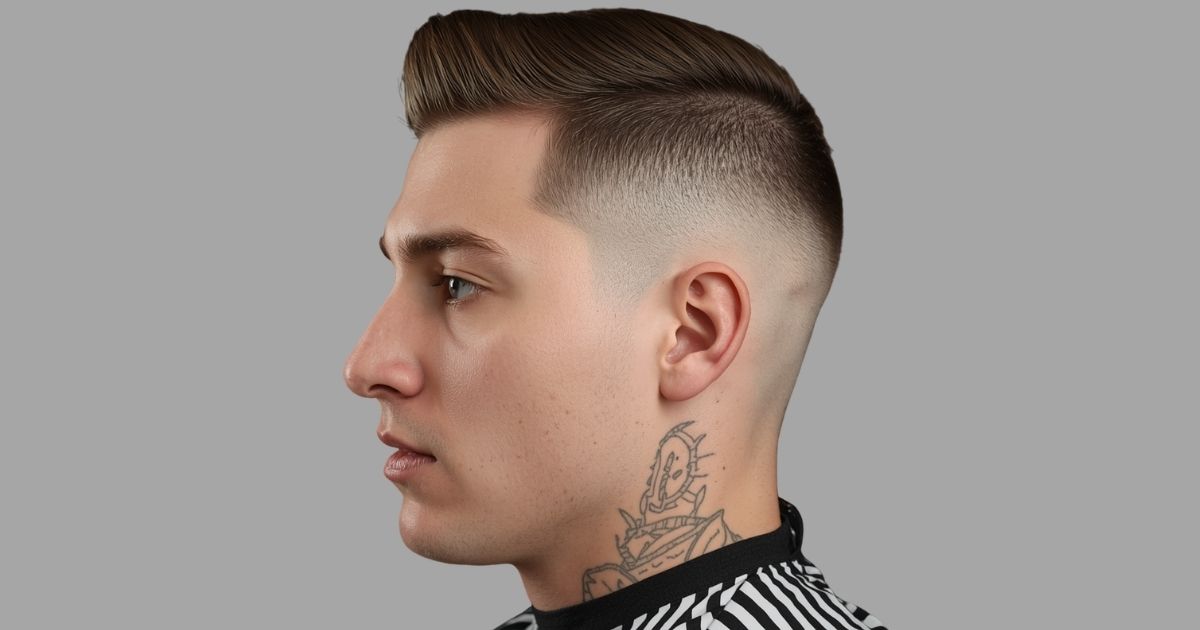
A low burst fade is a haircut where the fade wraps around the ear in a smooth, semi-circular arc, starting low near the sideburn and blending seamlessly into the hair above. The word “low” refers to where the fade begins: it stays close to the ear and neckline rather than climbing high up the sides.
The result is a clean, polished look with a soft but defined contrast. It is one of the most wearable fade styles available, suitable for school, the office, and social events alike.
Understanding the Low Burst Fade
The low burst fade originated in Southern U.S. barbershops in the early 2000s and has since become one of the most requested haircuts globally. Its appeal comes from the way the fade radiates outward from the ear in a curved pattern, almost like a half-sun, creating what barbers call the “burst” effect.
Unlike a standard taper or drop fade, the burst fade has a distinctive rounded outline that frames the ear and adds structure to the entire haircut. This curved architecture gives the face more definition and makes the top portion of the hair, whether it is textured, curly, or sleek, look more intentional and styled.
What Makes It Different?
The key difference between a low burst fade and other fades comes down to shape and placement. Here is a quick breakdown:
- Drop fade: The hairline curves downward behind the ear, creating a steep, dramatic drop.
- Standard low fade: The fade runs in a relatively straight horizontal line across the sides and back.
- Low burst fade: The fade forms a rounded arc specifically around the ear, creating that signature burst shape.
The burst fade’s curved outline gives barbers creative freedom. It blends naturally with a wider variety of top styles and works on more face shapes than most other fade variations.
Cost, Maintenance, and Who Should Get It
How Much Does a Low Burst Fade Cost?
The cost of a low burst fade varies based on location, the barber’s experience, and the complexity of the cut.
- Basic low burst fade: $25 to $50 in most mid-sized cities
- With added design or line work: An additional $10 to $20 per visit
- Premium barbershop or specialist: $60 to $90+
Hair thickness and length also affect pricing. Thicker, denser hair takes more time to blend cleanly, which may increase the cost. Touch-ups are needed every two to four weeks to keep the fade looking sharp.
Who Should Get a Low Burst Fade?
The low burst fade works for almost everyone, but it is particularly well suited for:
- Men trying a burst fade for the first time (it is the safest, most forgiving option)
- Professionals who need a clean, work-appropriate look
- Students who want something stylish but not too bold
- Men with oval or round face shapes (the curved fade adds jawline definition)
- Anyone who prefers a haircut that grows out gracefully
If you want something with more contrast and visual impact, a mid or high burst fade may be a better fit. But for everyday versatility, the low version is hard to beat.
Hair Types and Textures
One of the biggest reasons the low burst fade has maintained its popularity is its ability to adapt to any hair type. The cut does not just work universally, it actually improves with the right texture.
Curly Hair Variations
Curly hair and the low burst fade are a natural pairing. The fade on the sides creates a clean contrast that lets the natural curl pattern on top take center stage. For men with tight coils or Afro-textured hair, this cut enhances volume without looking overgrown.
Popular curly variations include a curly fringe (leave length at the front for a textured fringe that falls forward naturally), an Afro top (keep the crown rounded and full while the sides stay crisp), and curl definition styling (use a curl-defining cream to give the top defined, bouncy coils). Barbers typically use clipper guards 1 through 3 around the ear and blend upward with scissors for a seamless transition into the curl pattern.
Straight Hair Styles
Straight hair responds beautifully to a low burst fade because the clean lines of the fade contrast sharply with the smooth texture on top. Best pairings include a sleek pompadour, a side-parted comb-over with a hard part, or a crew cut with a clean low burst along the ear. For straight hair, matte clay or pomade gives the best hold without unwanted shine.
Wavy Hair Options
Wavy hair sits in the sweet spot between curly and straight, giving it natural movement that works perfectly with the low burst fade’s soft gradient. The fade reduces bulk on the sides while the waves on top add dimension and texture.
Great combinations include a wavy textured crop, a messy fringe with soft definition, and a flow style for men with medium-length wavy hair. A light sea salt spray enhances the wave pattern and keeps the look effortless throughout the day.
Popular Style Combinations of Low Burst Fade
The low burst fade works as a foundation for dozens of different top styles. Here are the most popular combinations trending in 2026.
The Mullet Trend Revival
The low burst fade mullet has become one of the most requested styles in barbershops across the U.S. and Europe. It pairs the clean, curved sides of the burst fade with longer hair at the back, giving you that classic “business in the front, party in the back” silhouette with a modern, polished edge. It works best for men with medium to long hair, curly or wavy textures, and anyone who wants a statement cut that still looks intentional. For extra personality, some barbers incorporate shaved designs into the burst fade portion of the mullet.
Textured and Fringe Styles
A low burst fade with a textured fringe is one of the most fashion-forward combinations right now. The fringe falls forward across the forehead, adding structure and a youthful energy to the cut. The burst fade on the sides keeps everything clean and modern.
This style is especially popular among younger men and works as a clever solution for those wanting to cover a higher forehead. Apply a lightweight wax or texture clay to damp hair, then blow dry forward to train the fringe in place.
Buzz Cut Variations
For men who prefer ultra-short hair, combining a buzz cut with a low burst fade delivers a clean, sharp result that is low-maintenance but still visually interesting. The buzz cut top is cut to a uniform length while the burst fade adds architectural detail around the ears.
A skin-level burst fade beneath a buzz cut is one of the crispest combinations in modern barbering and requires minimal daily styling.
Edgar Cut Adaptations
The Edgar cut has gained enormous traction in recent years, and pairing it with a low burst fade takes it to another level. The Edgar features a blunt, straight-across fringe with a flat top, and the rounded burst fade underneath provides a contrasting softness that balances the sharp horizontal lines.
This combination is especially popular in Latino communities and among men who want a structured, bold haircut with clean geometric lines.
Additional Popular Styles
Beyond the main combinations, the low burst fade also pairs well with mohawk variations where the burst accentuates the central strip, side parts and comb-overs for a professional yet modern edge, faux hawks with a small central spike for bold definition, and 360 waves where the curved fade provides clean contrast while daily brushing maintains the wave pattern.
Low Burst Fade Design Elements and V-Cut Variations
V-Cut Designs
A V-cut adds geometric interest to the neckline. Instead of a rounded or squared-off hairline at the back, the barber shaves a pointed V into the nape area, creating a striking visual from behind. It pairs especially well with mullets, mohawks, and textured crops.
Creative Designs
For men who want to push creativity further, custom designs can be incorporated directly into the burst fade area. Popular choices include geometric shapes along the temple, logos or initials carved into the fade, curved lines that enhance the natural arc, and wave or spider web patterns. These designs need a refresh every one to two weeks and cost an additional $10 to $20 per session.
Low Burst Fade Length Considerations
Short Hair Applications
Short hair and the low burst fade are a natural match. The contrast between the faded sides and the short top is clean and masculine without being too dramatic. It is also the most low-maintenance option since there is less hair to style daily.
A short low burst fade works well for active men, athletes, and anyone who wants a cut that looks good with minimal effort.
Long Hair Combinations
Longer hair on top creates a more striking contrast with the low burst fade. Styles like the mullet, pompadour, or flow all benefit from the clean side structure the fade provides.
For long hair combinations, regular barber visits are important because as the top grows, it needs to be shaped and maintained to prevent the overall look from becoming unbalanced.
Medium Length Balance
Medium-length hair gives you the most styling flexibility with a low burst fade. You can push it back into a quiff, let it fall forward as a fringe, or style it with texture for a casual, lived-in look. It also grows out more gracefully between visits than shorter options.
Low Burst Fade Technical Comparisons
Height Variations Explained
Understanding fade height helps you communicate clearly with your barber:
- Low burst fade: Starts just above the ear, stays close to the sideburn. Subtle and professional.
- Mid burst fade: Starts at temple level. More contrast, bolder appearance.
- High burst fade: Starts near the parietal ridge. Maximum contrast, very dramatic.
Start low if you are new to burst fades. You can always go higher on the next visit.
Taper Distinctions
A burst taper is a softer version of the burst fade. Instead of fading down to the skin or a very short guard, the taper maintains more length throughout, creating a gentler gradient ideal for men who want the curved burst shape without strong contrast.
Skin and Drop Fade Options
A skin burst fade goes all the way down to bare skin around the ear for maximum contrast and a very sharp look. It requires touch-ups every one to two weeks. A drop burst fade combines the curved burst shape with a line that drops behind the ear, blending elements of both styles into a unique hybrid.
Low Burst Fade Demographic Considerations
Black Hair Specialties
The low burst fade has deep roots in Black barbering culture. For men with Afro-textured or coily hair, this cut is especially transformative. The fade creates defined structure around the ears while allowing the natural curl pattern on top to flourish. Popular combinations include the natural top, 360 waves, and the high-top shape. Barbers use guards 0 through 2 to create smooth gradients that work with coily hair’s natural density.
Asian Hair Applications
Asian hair tends to be thick, straight, and dense, which can make blending difficult. However, a skilled barber can create a crisp low burst fade that works beautifully with these natural characteristics. Pairing it with a textured crop, undercut, or side part gives the cut a sharp, modern finish. Thinning shears on the top reduce bulk and add texture for easier daily styling.
Blonde Hair Styling
Blonde hair benefits from the low burst fade because the contrast between the faded sides and the lighter top creates a visually distinctive look. Frosted tips or highlights on the top amplify the contrast even further. Since blonde hair can be prone to dryness, use a moisturizing conditioner regularly and avoid over-washing to keep color vibrant between cuts.
How to Ask Your Barber for a Low Burst Fade
Clear communication is the key to getting exactly the cut you want. Follow these steps for a perfect barber consultation:
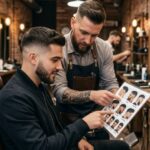
- Bring a reference photo: Find a photo from Instagram or TikTok showing the exact fade height and top style you want. Include front, side, and back angles if possible.
- Specify the fade height: Say “low burst fade” clearly and point just above your ear to indicate where you want it to sit.
- Mention the top style: Tell your barber whether you want a textured top, fringe, mullet, buzz cut, or another crown style.
- Ask about guard numbers: A low burst fade typically uses clipper guards 1 to 3 around the ear, which ensures consistency on future visits.
- Discuss design options: If you want a V-cut, hard part, or shaved design, mention it upfront.
- Talk about maintenance frequency: Ask how often you should return based on your hair growth rate.
Low Burst Fade Styling Guide
Daily Styling Routine
Maintaining your low burst fade at home takes less than five minutes once you have the right products in place.
- Wash your hair every other day to prevent over-drying, which is especially important for coily or textured hair types.
- Apply your chosen styling product to damp hair and work it through with your fingers or a comb.
- Use a blow dryer on medium heat to shape the top. For curly hair, use a diffuser attachment to preserve curl definition.
- Use a light trimmer around the edges every three to four days to keep the sideburns and neckline fresh between visits.
- Finish with a light-hold hairspray if you need extra control throughout the day.
Product Recommendations
Choosing the right product makes a significant difference in how your style holds and looks:
- Matte clay: Best for straight hair wanting a natural, textured finish with medium hold.
- Pomade: Ideal for wavy hair or styles needing shine and strong hold like a pompadour or side part.
- Curl cream or defining gel: Essential for curly and coily hair to maintain definition without frizz.
- Sea salt spray: Adds volume, movement, and lived-in texture to wavy or textured styles without heaviness.
- Light leave-in conditioner: Recommended for Afro-textured hair to keep the top hydrated and frizz-free.
Low Burst Fade Common Mistakes to Avoid
Even a great barber cannot fix poor habits at home. Here are the most common mistakes men make with their low burst fade and how to avoid them.
Mistake 1: Wrong Fade Height
Choosing a fade height that does not suit your face shape can undermine the entire haircut. A mid or high burst fade on someone with a very round face can exaggerate its width. Always discuss face shape with your barber before deciding on height. When in doubt, start low.
Mistake 2: Skipping Maintenance
A burst fade that has grown out for five or six weeks without a touch-up stops looking like a burst fade. The curved line becomes blurry and the whole cut loses its structure. Most burst fades need a barber visit every two to four weeks to stay sharp.
Mistake 3: Wrong Products
Using a gel that leaves a crunchy, wet finish on a burst fade textured top kills the look. Similarly, using a heavy wax on curly hair weighs down the curl pattern. Match your product to your hair type and the style you are trying to achieve.
Mistake 4: Poor Communication
Vague instructions lead to vague results. Saying “just clean it up” when you want a specific fade height and top style leaves too much open to interpretation. Always bring a photo and be specific about every element of the cut.
Mistake 5: Ignoring Hair Health
A burst fade looks best on healthy, hydrated hair. Neglecting scalp health, skipping conditioning, or over-processing the hair with heat or color can make even the best haircut look dull. Use a moisturizing conditioner regularly and protect your hair from excessive heat styling.
Frequently Asked Questions
How is a low burst fade different from a regular low fade?
A regular low fade runs horizontally across the sides, while a low burst fade curves around the ear in a rounded arc, creating the signature burst shape.
How long does a low burst fade last before needing a touch-up?
Most men need a touch-up every two to four weeks, depending on how fast their hair grows and how sharp they want the fade to look.
Can women get a low burst fade?
Yes, the low burst fade is gender-neutral and works well for women with short to medium hair who want a structured, modern look.
Does a low burst fade work on thinning hair?
Yes. The curved fade draws attention to the sides rather than the top, which can actually create the illusion of fuller hair on the crown.
Is the low burst fade suitable for professional environments?
Absolutely. The low burst fade is one of the most office-appropriate fade styles because its subtle gradient does not create excessive contrast.
What is the difference between a low burst fade and a low drop fade?
A drop fade curves steeply downward behind the ear, while a burst fade wraps around the ear in a more rounded, semi-circular shape.
Can I add a beard to my low burst fade?
Yes. A well-maintained beard complements the low burst fade beautifully. Ask your barber to blend the fade into the beard line for a seamless, cohesive look.
Conclusion
The low burst fade has earned its place as one of the most versatile, wearable, and genuinely stylish haircuts of 2026. It works on every hair type, suits nearly every face shape, and pairs with an enormous range of top styles from mullets to buzz cuts to textured fringes.
What makes it stand out is how it manages to feel both subtle and intentional at the same time. It is clean enough for a job interview, sharp enough for a night out, and interesting enough to turn heads without screaming for attention. Find a skilled barber, bring your reference photos, and get ready to see why this cut has taken over TikTok, barbershops, and celebrity style pages all at once.

Charlotte Aiden is the founder and editor of FaxhionTips.com, where he shares practical insights on the latest haircut trends, hairstyles, grooming tips, and hair care advice. Passionate about modern style and easy-to-follow beauty guidance, Charlotte creates well-researched content to help readers choose the best haircuts and maintain healthy, stylish hair with confidence.