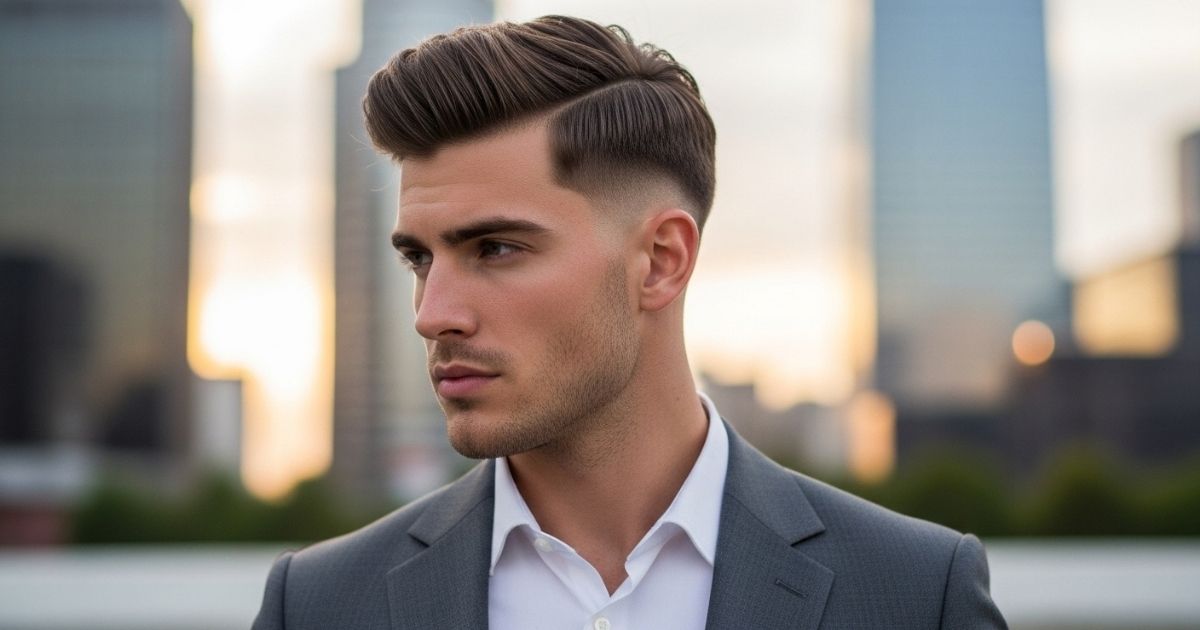
The side part haircut has been a go-to style for decades, and in 2026, it is stronger than ever. Whether you are heading into the boardroom, stepping out on a Friday night, or just want a sharp everyday look, the side part adapts to any situation without missing a beat.
What makes it so popular? It works across hair types, face shapes, and personal styles. From sleek and polished to textured and relaxed, there is a side part variation for every man. This guide breaks down the best options available right now, with practical tips on how to communicate your vision to your barber and keep the style looking fresh for weeks.
A. Best Side Part Hairstyles Men
These are the foundational styles that started it all. If you appreciate clean lines, natural texture, and a cut that never goes out of fashion, start here.
1. The Classic Side Part
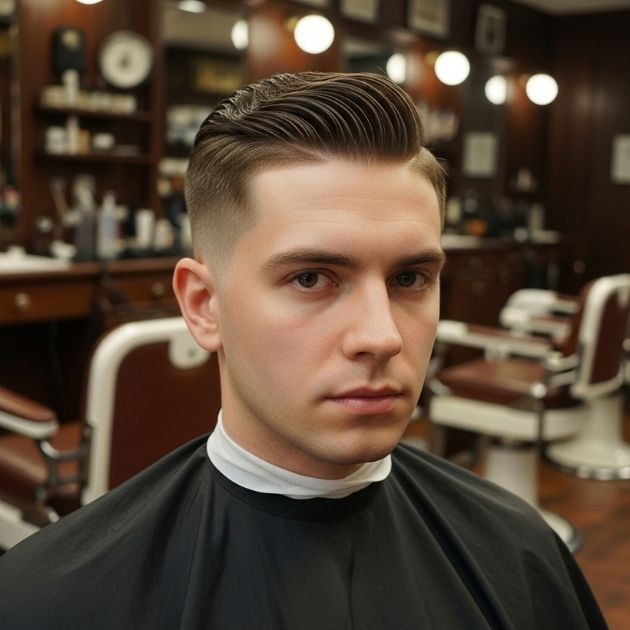
The classic side part is the one that defined generations of sharp-dressed men. Hair is neatly combed to one side from a defined parting line, with shorter, tapered sides and a longer top that sits flat with control. The finish is polished and intentional, never overdone.
This cut pairs perfectly with a suit or a smart-casual outfit. It is the top choice for professionals, job interviews, and formal occasions where the goal is to look put-together without trying too hard.
Best for: Straight to slightly wavy hair, oval and square face shapes. Styling tip: Use a medium-hold pomade or cream and a fine-tooth comb for that clean, structured finish.
2. The Old School Side Part
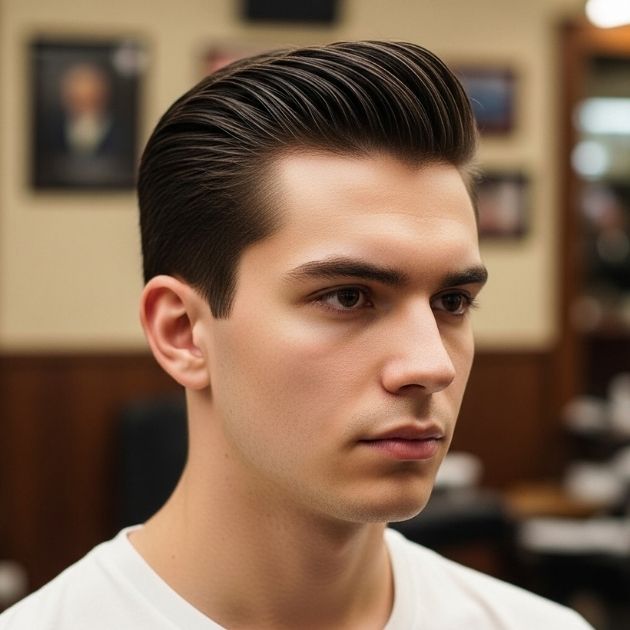
Think 1950s barbershop energy. The old school side part is a throwback style with a high shine finish, heavy product hold, and a deep, intentional part that commands attention. The sides are kept short and tight, while the top carries enough length to comb fully to one side.
This style rewards commitment. It looks best when styled daily with a water-based pomade and a wide-tooth comb. It has a bold, retro personality that works brilliantly for men who love vintage aesthetics.
Best for: Thick, straight hair with a strong natural part. Styling tip: Reuzel or similar water-based pomade gives you the authentic wet shine this look demands.
3. The Don Draper Style
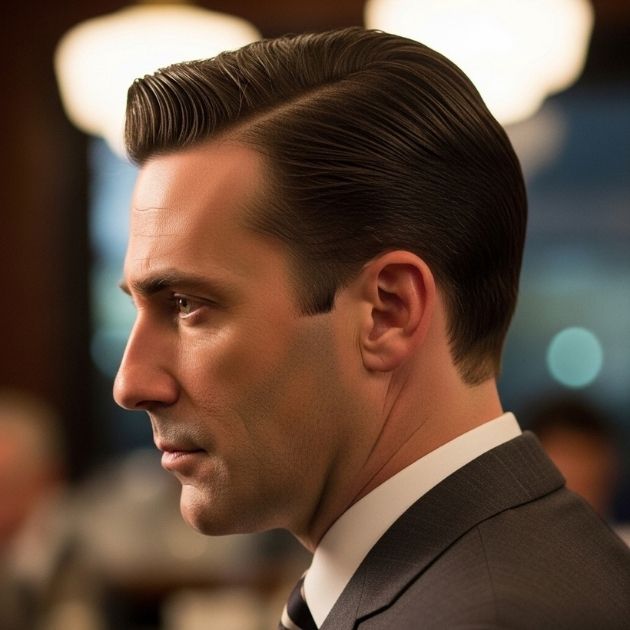
Mad Men gave an entire generation a new reference point for masculine grooming. The Don Draper style is a side-swept, high-volume look that sits somewhere between a pompadour and a classic side part. The top is styled upward and back, with a clean part and a polished, confident finish.
It is not an everyday casual look. It is a statement cut for men who want to carry themselves with a certain kind of authority. Think client dinners, weddings, and any event that calls for a step above the average.
Best for: Medium to thick hair, rectangular and oval face shapes. Styling tip: Blow-dry with a round brush for volume, then lock it in with a firm-hold gel or pomade.
4. The Side Part Ivy League
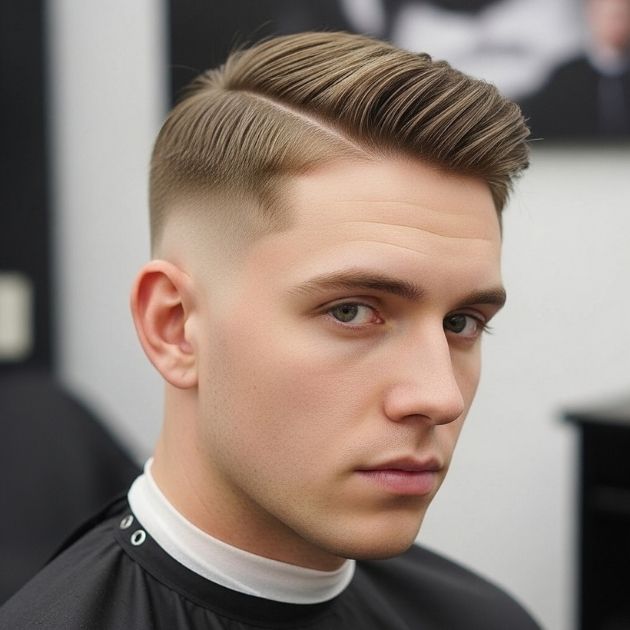
The Ivy League cut is the smarter, more understated sibling of the classic side part. It is shorter across the top, has a gradual scissor taper on the sides, and carries a clean, campus-ready polish. There are no harsh lines or dramatic contrasts here, just a tidy, intelligent-looking haircut.
This is one of the most versatile options in the lineup. It works just as well in a professional office as it does at a weekend brunch. Low maintenance and consistently sharp, it suits men who want a reliable go-to cut.
Best for: All hair types, especially those who prefer minimal daily styling. Styling tip: A matte styling cream applied to towel-dried hair gives natural hold and a clean finish.
B. Fade and Taper Variations
Adding a fade to any side part instantly modernizes the look. The fade level you choose changes the overall vibe from subtle and office-friendly to bold and barbershop-fresh.
1. Low Fade Side Part
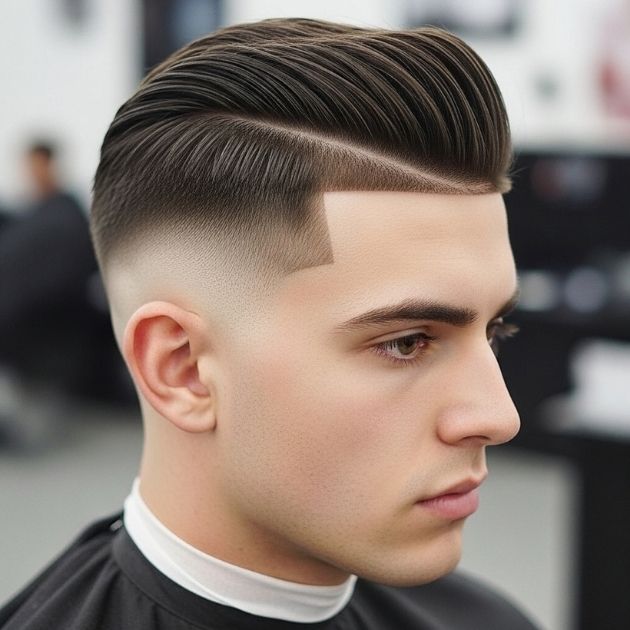
The low fade begins just above the ear and at the neckline, creating a clean, subtle transition from short to shorter. It adds structure without making the cut feel too aggressive. This is the fade of choice for professionals who want a modern edge without crossing into street-style territory.
Best for: Men in corporate environments who want a contemporary update on the classic.
2. Mid Fade Side Part
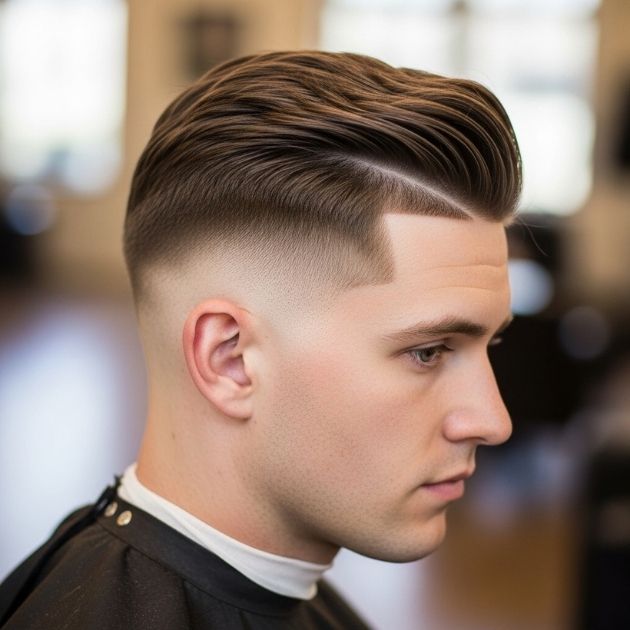
The mid fade splits the difference between subtle and bold. It starts around the temple area and creates a smooth, graduated blend that enhances the contrast between the longer top and cropped sides. This is the most popular fade level for a reason: it flatters almost every face shape and works across casual and semi-formal settings.
Best for: Oval and round faces looking to add visible structure and definition.
3. High Fade Side Part
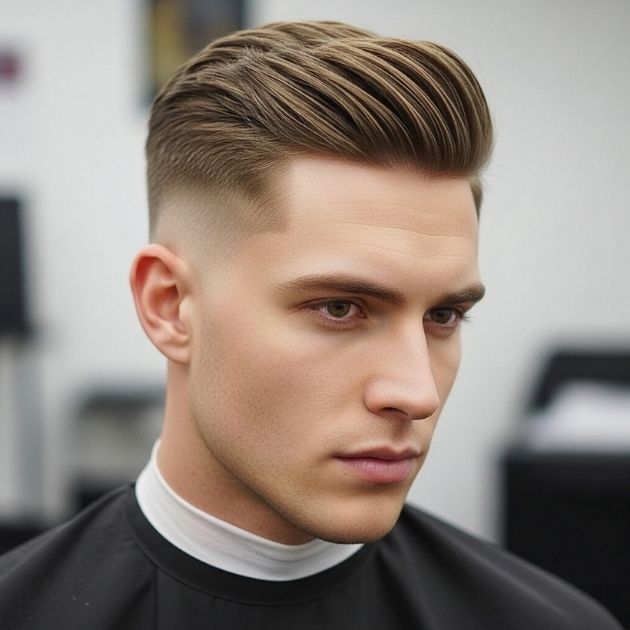
For maximum contrast, the high fade rises well above the temples, leaving the sides nearly bare while the top carries all the volume and length. The result is a dramatic, eye-catching look that suits men who are not afraid to stand out. Styling is actually easier because the cropped sides eliminate bulk.
Best for: Men with thick hair who want a bold, high-contrast style.
4. Taper Fade Side Part
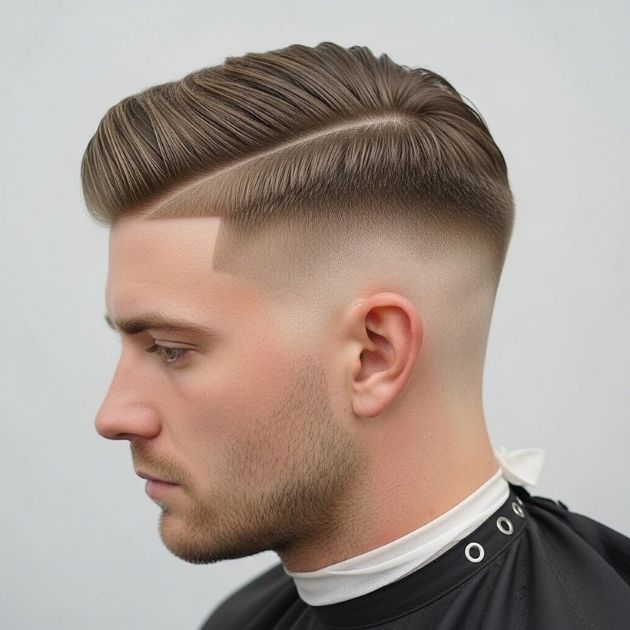
The taper fade is the most gradual and natural-looking option. Instead of a sharp skin fade, the hair blends smoothly from longer to shorter as it moves down toward the neck. It delivers a refined, controlled finish that sits comfortably between polished and relaxed.
Best for: First-timers and men who prefer a softer, less drastic look.
C. Undercut and Disconnect
These styles push the contrast further, creating a more architectural, high-impact result.
1. Side Part Undercut
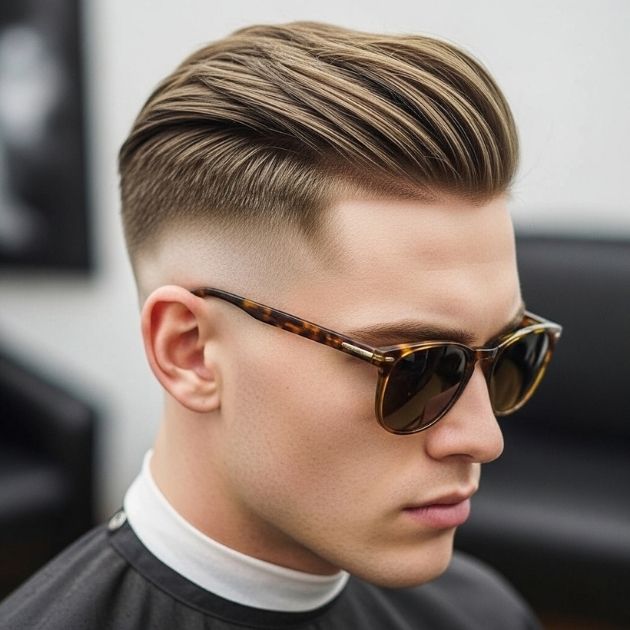
The undercut removes all the hair beneath a defined line while keeping the top long and full. When styled into a side part, this combination delivers serious volume and movement on top, with clean, shaved sides that frame the look with precision. It is a bold choice that works especially well for men with thick or wavy hair.
Best for: Thick and wavy hair, men who want serious volume and drama. Styling tip: Use a volumizing mousse before blow-drying, then finish with a medium-hold clay for texture.
2. Disconnected Side Part
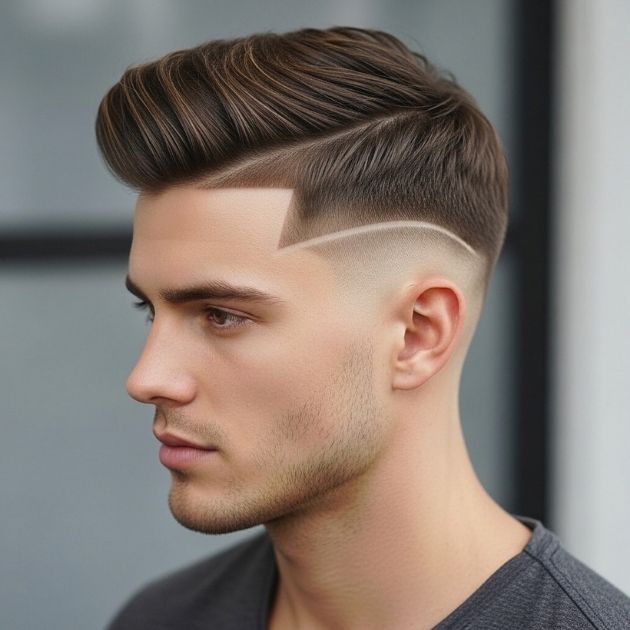
The disconnected side part takes the undercut concept even further. There is no blending at all. The long top meets the shaved sides with a sharp, abrupt line that creates a dramatic, artistic contrast. It is a barbering statement piece and a favorite in creative industries.
Best for: Men in fashion, design, or any field where a bold personal style is an asset. Styling tip: A strong matte clay helps you control the top while keeping that sharp disconnected line as the visual focal point.
D. Textured and Casual
Not every side part needs to be slick and structured. These styles bring a relaxed, lived-in energy that works perfectly for modern men who prefer effortless style.
1. Textured Side Part
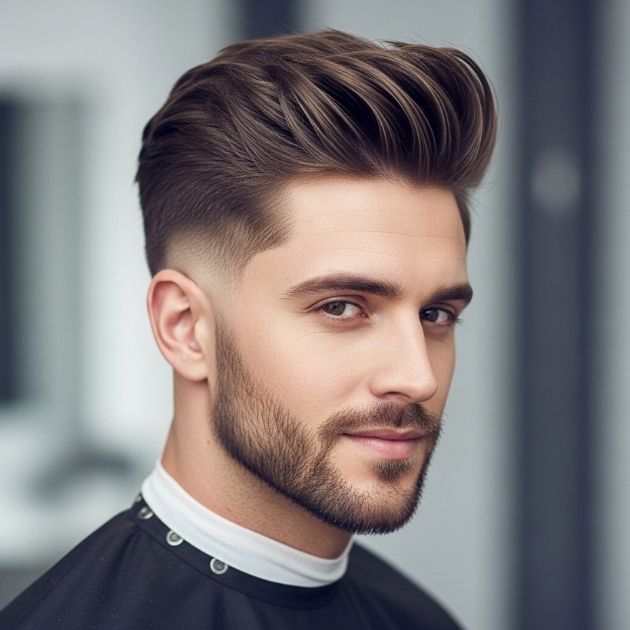
The textured side part keeps the parting visible but replaces the comb-smooth finish with natural, piece-y separation. The top has movement and dimension rather than rigid structure. It is a modern interpretation of the classic that suits a wider range of casual and smart-casual settings.
Best for: Wavy and naturally textured hair types. Styling tip: Work a matte paste through damp hair using your fingers rather than a comb.
2. Messy Side Part
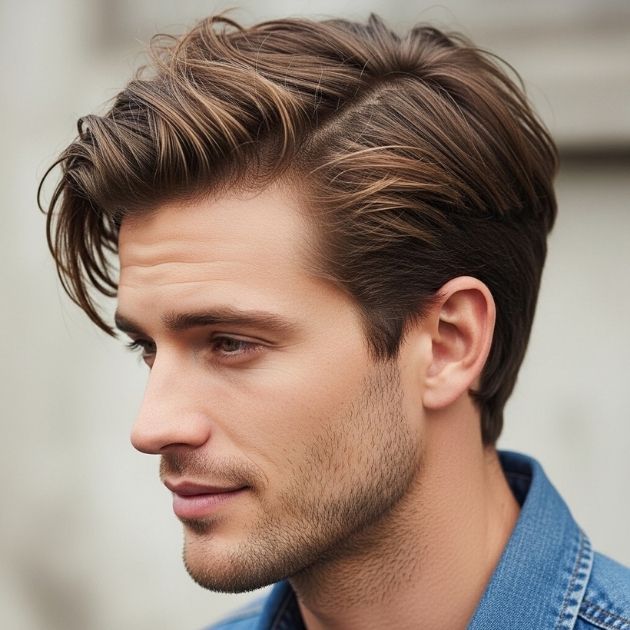
The messy side part is intentionally imperfect. The part is visible but the styling is loose, with hair falling naturally in slightly disheveled waves or layers. It reads as relaxed confidence, the kind of look that says you made an effort without making it obvious.
Best for: Wavy and medium-length hair, weekend and casual occasions. Styling tip: Sea salt spray on damp hair, then air dry for that natural, effortless finish.
3. Textured Quiff Side Part
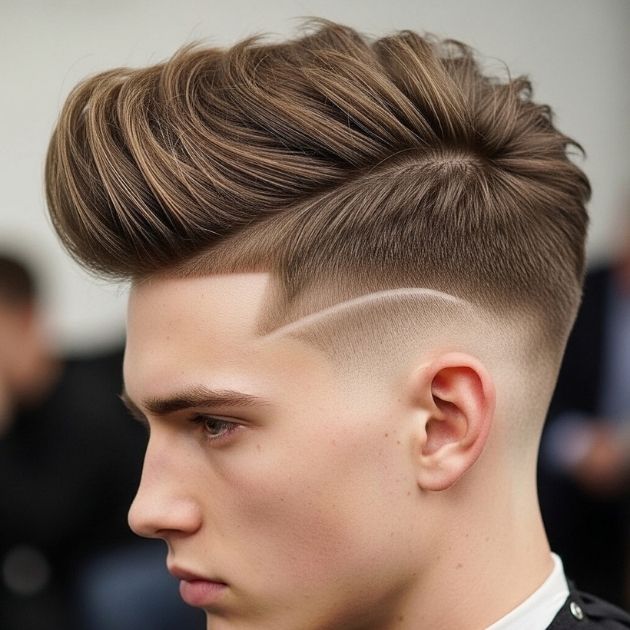
This hybrid style combines the lifted front volume of a quiff with the direction and structure of a side part. The result is a modern, energetic look with height at the front and a clean part running through the side. It works beautifully for men who want more personality from their haircut without committing to a full pompadour.
Best for: Medium to thick hair, oval and heart-shaped faces. Styling tip: Blow-dry upward at the front to build volume, then use a light wax or clay to define and hold.
E. Modern and Trendy
These styles represent where the side part is heading in 2026, blending classic structure with today’s most popular haircut trends.
1. Wolf Cut Side Part
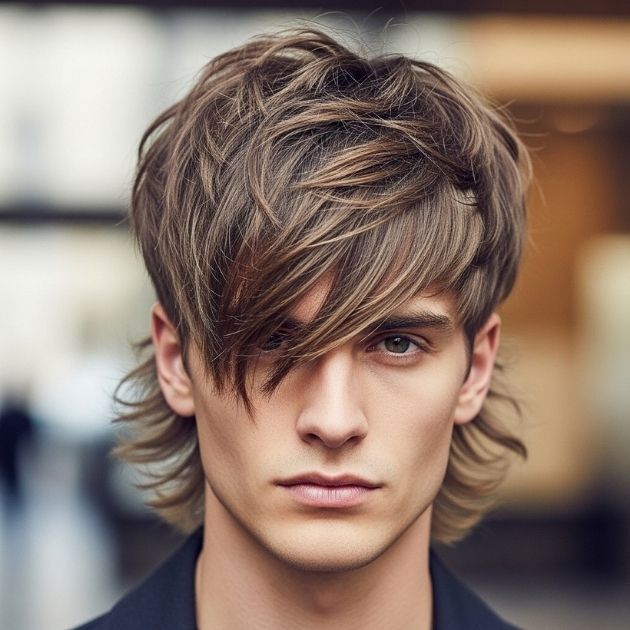
The wolf cut brought shaggy, layered texture back into mainstream men’s grooming, and the side part version channels that energy into a more structured direction. Layers create movement and volume while the part adds a grounding element that keeps the look intentional rather than unkempt.
Best for: Men growing out their hair or those with naturally wavy, voluminous hair. Styling tip: Diffuse or air dry, then scrunch in a small amount of light hold cream for definition.
2. Side Part Mullet
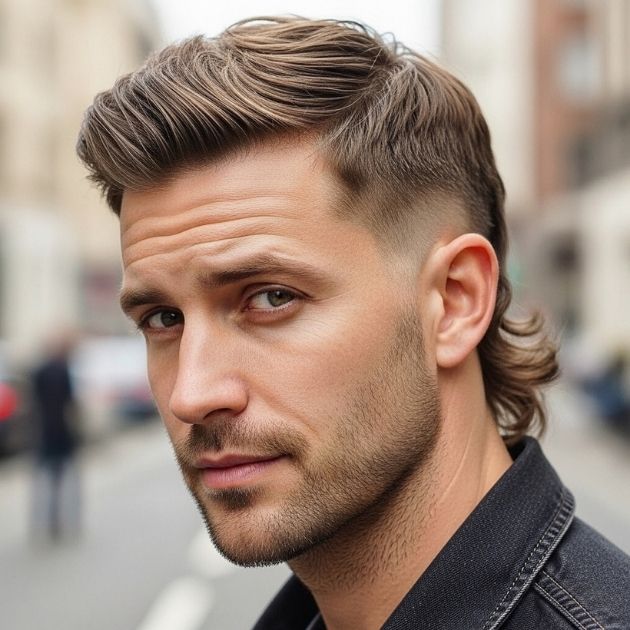
The modern mullet is nothing like its predecessor. In 2026, the side part mullet pairs a clean, defined parting with tapered sides and elongated length at the back. The contrast between the structured front and the flowing back creates a genuinely cool, retro-forward look that has earned serious respect in contemporary barbershops.
Best for: Men who want to make a style statement while keeping some classic structure. Styling tip: Use a medium-hold product at the front to keep the part clean and let the back sit naturally.
3. Deep Side Part
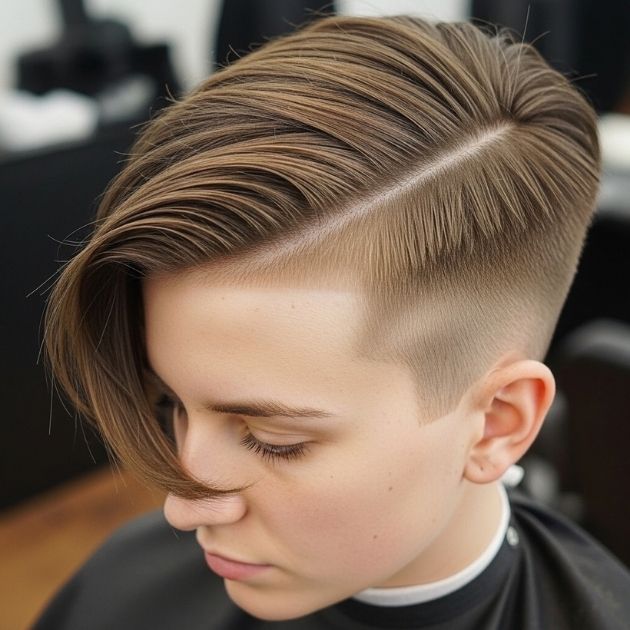
The deep side part takes the traditional parting and moves it closer to one ear, creating a dramatic, swooping effect across the top of the head. More hair falls across the face on one side, adding a bold, asymmetrical quality that feels fresh and modern without being difficult to pull off.
Best for: Men with longer tops, rectangular and oval face shapes. Styling tip: Blow-dry in the direction of the deep part to encourage the hair to fall naturally, then set with a light hold spray.
How to Ask Your Barber for a Side Part?
Walking into a barbershop and saying “I want a side part” will get you results, but being specific gets you the right results. Here is how to communicate effectively and walk out with exactly what you wanted.
1. Share a Visual Reference First
Barbers are visual professionals. Bringing a photo on your phone is the single most effective thing you can do before a word is spoken. Save two or three images that show different angles of the style you want, and point out specific details you like, such as the height of the fade, the length on top, or how the part sits.
When showing references, be clear about what specifically appeals to you in each image. Is it the fade level? The texture? The tightness of the part? The more specific you are about which elements you want, the better your barber can customize the cut to your hair type and head shape.
2. Communicate With Precise Language
Once your barber has seen the reference, reinforce it with clear verbal cues. Mention:
- Which side you naturally part your hair on
- Whether you want a low, mid, or high fade, or a scissor taper
- The clipper guard numbers on the sides (for example, a number two fading into a number one)
- How much length you want on top in inches
- The finish you prefer, whether slick, matte, or textured
Ask your barber to note the guard numbers used so you can repeat the look at your next visit. Good communication is how a one-time great haircut becomes your signature style.
How to Maintain a Side Part?
Getting the cut is only half the work. Keeping it sharp between visits requires a small but consistent effort.
1. Establish a Simple Daily Routine
A great side part does not need an elaborate morning ritual, but it does benefit from a consistent one.
- Wash your hair two to three times a week to avoid product buildup without stripping natural oils
- Apply your styling product (pomade, clay, or cream) while hair is slightly damp for the best distribution
- Use a medium-tooth comb to define the part and direct the hair in place
- Finish with a light hold spray if your hair tends to fall flat throughout the day
Investing in quality styling products makes a genuine difference. A matte clay gives texture and control for casual looks, while a water-based pomade delivers a cleaner, more polished finish for professional settings.
2. Commit to Regular Professional Trims
Even the sharpest side part looks overgrown within four to six weeks. Regular trims are what keep the fade tight, the part defined, and the overall shape clean.
Schedule barber appointments every three to four weeks if you wear a fade, and every five to six weeks for taper-based styles that grow out more gracefully. Between visits, a simple touch-up of the neckline using a trimmer can extend the life of your cut by another week or two.
FAQ’s
What face shape suits a side part best?
Oval faces suit all variations. Round faces benefit from a high fade or deep part to add length and structure.
Is the side part hairstyle professional?
Yes, the classic and Ivy League side part are among the most office-appropriate hairstyles available for men.
What hair type works best with a side part?
Straight and wavy hair hold a side part most easily, though textured and curly hair can also rock it with the right length and product.
How long does my hair need to be for a side part?
At least two to three inches on top gives you enough length to create a visible, styled part.
What product should I use for a side part?
Use pomade for a sleek, shiny finish or a matte clay for a modern, textured result. Choose based on the specific style you are going for.
Can I get a side part with thin hair?
Yes. A low or mid fade with a textured top works well for thinner hair, adding the illusion of volume and density.
How often should I get a side part haircut trimmed?
Every three to four weeks for fade-based styles and every five to six weeks for taper styles.
Conclusion
The side part is more than a haircut. It is a grooming foundation that has proven its staying power across decades, trends, and dress codes. In 2026, it continues to evolve with modern textures, bold fades, and fresh hybrid styles that give classic structure a contemporary edge.
Whether you are drawn to the timeless sophistication of the Don Draper look, the sharp contrast of a high fade side part, or the effortless cool of a messy textured finish, there is a version of this cut built for your lifestyle. Use this guide to find your ideal style, communicate it clearly to your barber, and maintain it consistently so you always look your sharpest.
The right side part does not just change your hair. It sharpens your entire image.

Charlotte Aiden is the founder and editor of FaxhionTips.com, where he shares practical insights on the latest haircut trends, hairstyles, grooming tips, and hair care advice. Passionate about modern style and easy-to-follow beauty guidance, Charlotte creates well-researched content to help readers choose the best haircuts and maintain healthy, stylish hair with confidence.