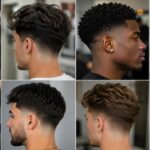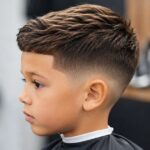
Getting a fresh haircut that turns heads without requiring an hour of daily styling sounds like a dream. For men with straight hair, the low taper fade makes that dream real. It is clean, structured, and versatile enough to wear in a boardroom or on a weekend out. In 2025, this cut dominates barbershop request lists and TikTok feeds for good reason. Whether you are stepping into a barbershop for the first time or looking to refine your signature look, this guide covers everything you need to know, from the basics of the cut to trending variations, styling products, and expert maintenance advice.
What Is a Low Taper Fade Straight Hair?
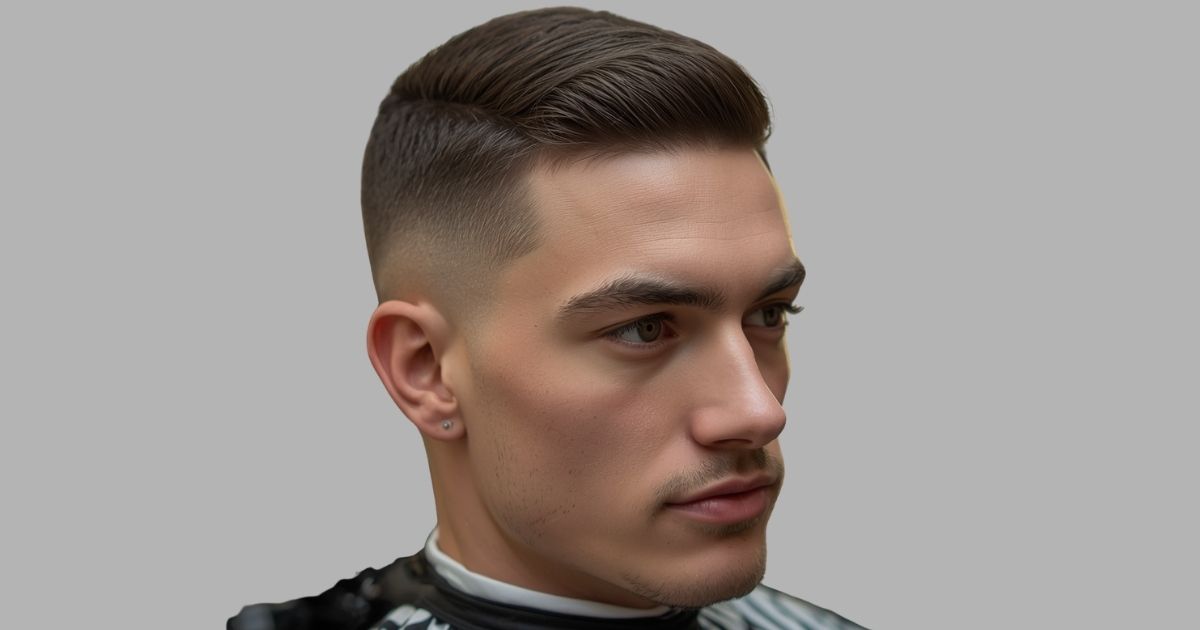
A low taper fade is a barbering technique where the hair gradually gets shorter along the sides and back, starting just above the ears and blending smoothly down toward the neckline. The word “taper” refers to that slow, controlled shortening. The word “low” tells you where the fade begins, which is near the bottom of the head rather than the mid-scalp or temples.
When applied to straight hair, this technique produces especially clean results. Straight strands lie flat and cooperate naturally with clipper work, which means the blending appears more seamless and precise compared to curly or coily textures. The top is left longer to contrast beautifully with the tapered sides, giving the overall silhouette a sharp, intentional shape.
This haircut traces its roots to military grooming culture and has been adapted over decades into one of the most requested modern men’s hairstyles. It suits professionals, students, and athletes equally, which is a huge part of why it has never really gone out of style.
Low Taper Fade vs. Other Fades
Understanding how a low taper fade differs from other popular cuts helps you walk into any barbershop with confidence and communicate clearly what you want.
Low Taper Fade vs. Mid Fade
A mid fade starts blending around the temples, which is roughly the halfway point of the head. It creates more contrast than a low taper but less than a high fade. The low taper fade starts closer to the ear and neckline, offering a more subtle and understated graduation.
Low Taper Fade vs. High Fade
The high fade starts near the crown area, leaving very little hair on the sides. It is bold and dramatic. The low taper fade is the more conservative, workplace-friendly option that still looks sharp without being too extreme.
Low Taper Fade vs. Skin Fade
A skin fade, also called a bald fade, blends all the way down to bare skin. A taper fade maintains some hair throughout and ends with a natural finish rather than bare skin. The result is softer and less aggressive, which many men prefer for everyday wear.
Low Taper Fade vs. Drop Fade
A drop fade curves downward behind the ear, following the natural hairline. A standard low taper runs more horizontally along the sides. The drop variation adds a curved, artistic element that works especially well on oval and round face shapes.
Benefits of Low Taper Fade Straight Hair
There are strong practical and aesthetic reasons this cut has become a staple for men with straight hair.
- Defined structure with natural flow: Straight hair naturally lies smooth, and the taper reinforces that linear quality. The result is a very polished, put-together finish.
- Adds dimension to fine or flat hair: One common frustration with straight hair is that it can look limp. The volume on top against closely tapered sides creates visual weight and fullness where it counts.
- Works across settings: From job interviews to weekend outings, the low taper fade transitions effortlessly. It never reads as too edgy or too bland.
- Lower maintenance than high fades: Because the fade sits low, you get more growing room before the shape starts to deteriorate. High fades can look overgrown within two weeks. A low taper stays clean for three to four weeks easily.
- Pairs well with virtually any top style: Whether you want a slicked-back look, a textured quiff, or a classic side part, the low taper on the sides complements almost any top style you choose.
- Flatters most face shapes: The subtle graduation around the lower perimeter keeps proportions balanced without dramatically altering the face shape, making it universally flattering.
Why Low Taper Fade Is Trending in 2025
The low taper fade has been around for decades, but 2025 is arguably its biggest year yet. A 2025 men’s grooming trend analysis from leading barbering communities showed taper-based cuts were among the most requested styles globally, particularly among men aged 18 to 34.
Several forces are driving this surge:
Social media and barber culture: Barbershop content on TikTok and Instagram Reels generates millions of views each week. The low taper fade is one of the most filmed haircuts because its before-and-after transformation is visually satisfying. This kind of content turns viewers into clients at a remarkable rate.
Celebrity influence: High-profile athletes and entertainers have been photographed consistently wearing taper fade styles, putting the cut in front of enormous mainstream audiences. When a style is associated with aspirational public figures, demand follows naturally.
The rise of “clean and effortless” grooming: Today’s grooming culture prizes looking polished without appearing to try too hard. The low taper fade nails this balance. It communicates care and attention without looking overly styled or high-maintenance.
Minimalist aesthetics dominating fashion: The broader move toward clean-line, minimalist style in menswear finds a perfect match in the low taper fade. The haircut echoes that same “less is more” philosophy.
Practical lifestyle fit: Remote work, hybrid schedules, and active lifestyles have made men less likely to visit a barbershop every two weeks. The low taper fade accommodates a more relaxed upkeep schedule better than more aggressive fades.
How to Get a Low Taper Fade Straight Hair: Step-by-Step Guide
Whether you are visiting a barber or attempting a basic cleanup at home, understanding the process helps you get the best result.
Step 1: Start with clean, dry hair Washed and blow-dried hair shows the natural fall and texture most accurately. This gives the barber or stylist a realistic working canvas.
Step 2: Establish the top length Before working on the fade, the barber determines how much length to leave on top. For most low taper fades on straight hair, the top ranges from 1.5 to 3 inches depending on the desired style.
Step 3: Define the fade line Using clippers, the barber marks where the fade will start, typically just above the ear line and around the neckline. On straight hair, this line can be drawn very precisely.
Step 4: Work in guards from short to long Starting with a shorter guard near the neckline (typically a 0 or 1) and moving up with guards 1.5, 2, and 3, the barber creates a smooth gradient. Each guard blends into the next, creating that seamless transition.
Step 5: Blend the top into the sides Using scissors or a longer guard, the barber blends where the top length meets the faded sides. This transition point is critical and is where the skill of the barber truly shows.
Step 6: Clean up the edges A razor or detail trimmer is used to sharpen the neckline and define the sideburns. Clean edges make the entire cut look intentional and finished.
Step 7: Style and finish The barber applies a pomade, clay, or matte paste to complete the look and demonstrate how it sits when styled.
What to tell your barber: Say “I want a low taper fade with the fade starting just above the ears and blending into the neckline. Leave [X inches] on top and keep it [slicked back / textured / cropped].”
Popular Styles and Variations for Straight Hair
The low taper fade is really a foundation. On top of that foundation, you can build dozens of different looks. Here are the most popular combinations for straight hair in 2025.
Classic Side Part with Low Taper Fade
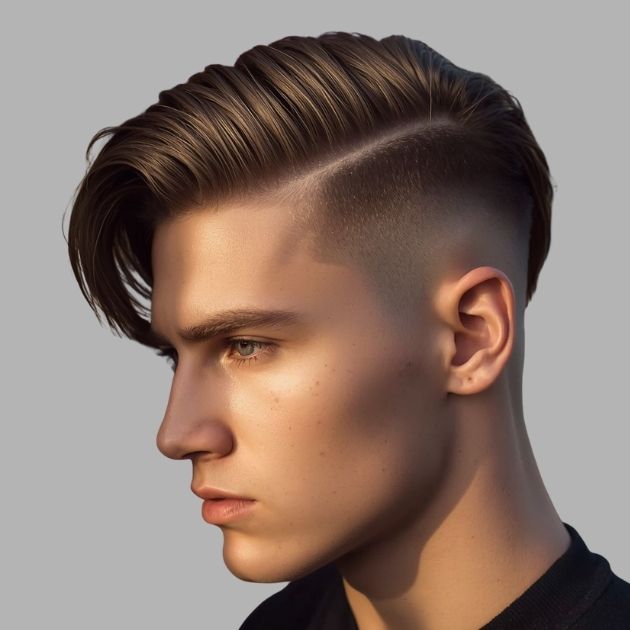
This pairing is timeless. A clean side part on straight hair with tapered sides communicates professionalism and style. Light pomade or matte clay finishes the look without making it appear greasy.
Textured Crop with Low Taper Fade
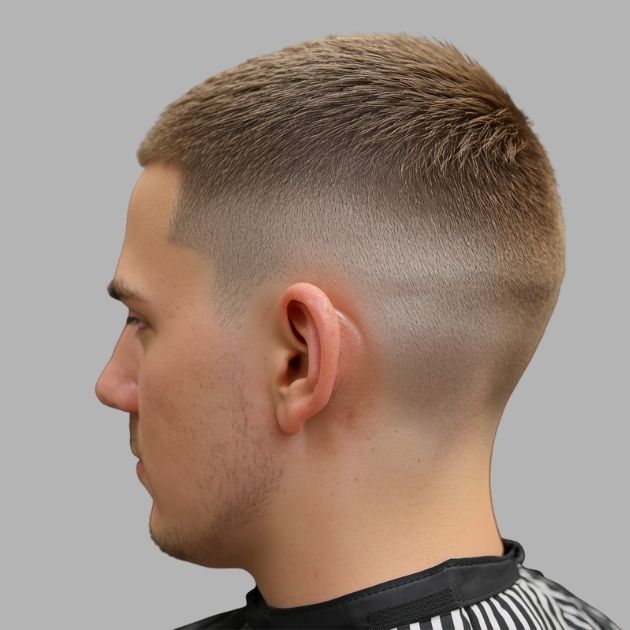
The textured crop keeps the top short but lifts it with choppy, defined layers. On straight hair, this style adds visual interest that fine or flat hair types especially benefit from. A matte clay or styling paste is ideal here.
Pompadour with Low Taper Fade
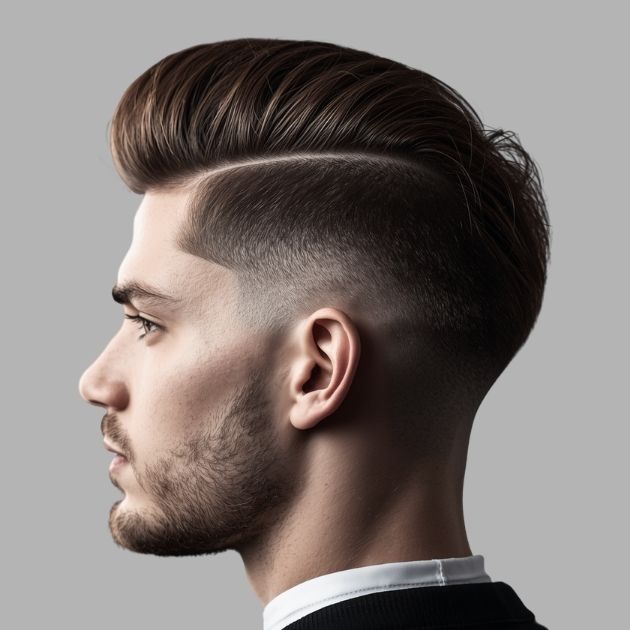
The pompadour lifts hair upward and back at the front, creating dramatic volume. Straight hair actually holds pompadour shapes beautifully because of its natural body. A medium-to-high hold pomade is the right product choice.
Comb Over with Low Taper Fade
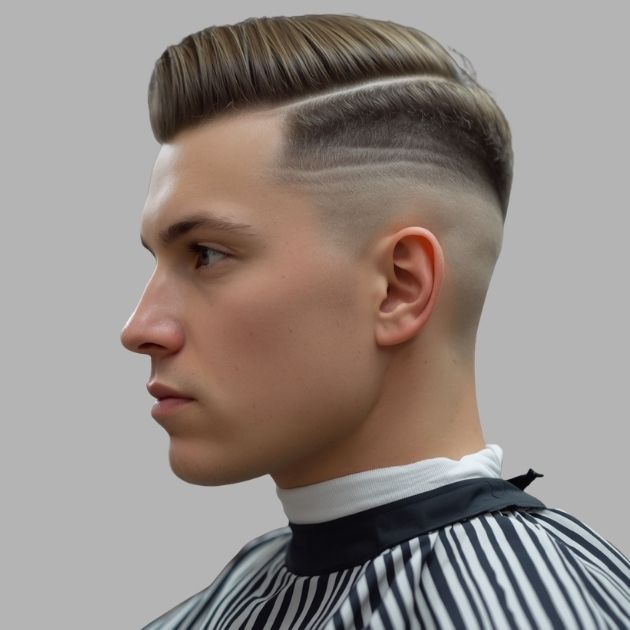
One of the most requested styles in 2025. The comb over sweeps straight hair across the top, usually with a subtle or hard part. The low taper on the sides keeps it neat without competing with the elegance of the top.
Slick Back with Low Taper Fade
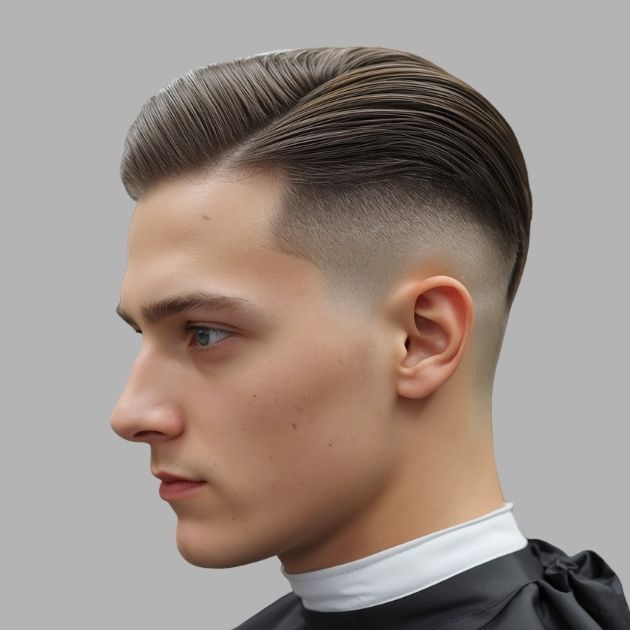
Straight hair is perfectly designed for slicking back. Apply a light or medium hold product, sweep everything back, and the low taper sides frame the style cleanly. This works especially well for more formal or evening occasions.
French Crop with Low Taper Fade
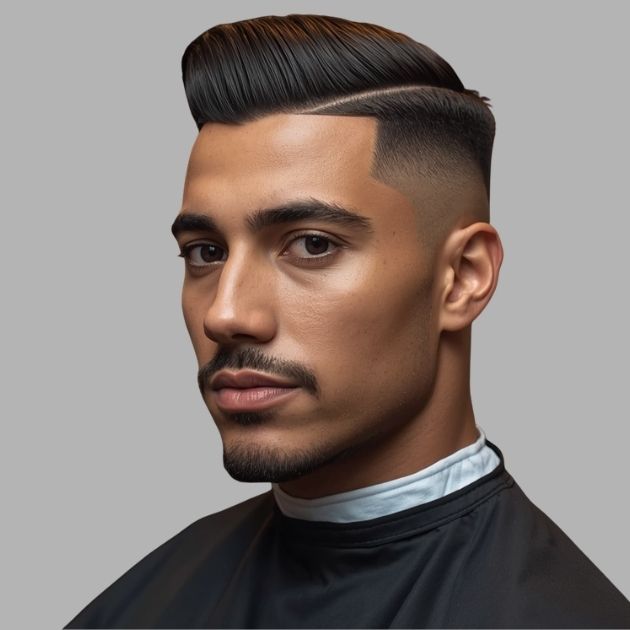
The French crop features a blunt fringe cut forward across the forehead paired with tapered sides. On straight hair, the fringe lies flat and sharp, creating a modern, effortless look. Works well with matte clay or curl-defining cream.
Edgar Cut with Low Taper Fade
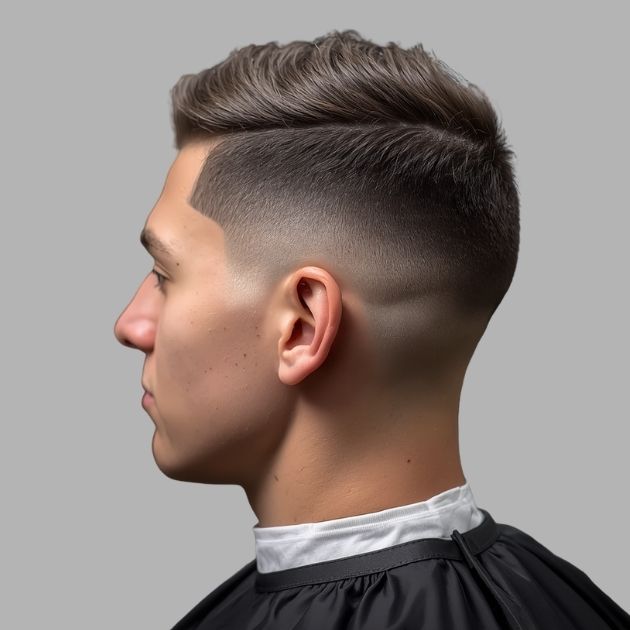
The Edgar keeps the top hair blunt and horizontal, cut straight across like a shelf. It is bold, angular, and highly photogenic. Straight hair executes this style with maximum precision because of its natural flatness.
How to Style a Low Taper Fade for Straight Hair
The haircut does most of the heavy lifting, but the right styling routine keeps it looking its best every day.
Tools you need:
- A round brush or paddle brush
- A quality blow dryer with a concentrator nozzle
- A fine-tooth comb or rat-tail comb for parting
Recommended products for straight hair:
- Matte clay or paste: Ideal for textured crops and casual looks. Provides hold without shine, which looks more natural on straight hair.
- Pomade (water-based): Best for slick backs, side parts, and pompadours. Offers a controlled, polished finish. Choose water-based for easy washout.
- Texturizing spray or sea salt spray: Excellent for adding body and grip to fine straight hair before styling. Apply before blow-drying.
- Light holding spray: Locks your style in place without stiffness. Best for men who do not want heavy product in their hair.
Daily styling routine:
- Wash hair every one to two days to prevent product buildup at the roots.
- Towel dry gently and apply a small amount of texturizing spray at the roots for volume.
- Blow-dry using the concentrator nozzle, directing airflow in the direction of your intended style.
- Apply a pea-sized amount of your product of choice, working it through the hair with your fingers or a comb.
- Finish with a small amount of holding spray if needed.
Low Taper Fade Straight Hair Upkeep Strategies & Maintenance
Keeping a low taper fade looking fresh requires a consistent but manageable routine.
Barbershop visits: Visit your barber every three to four weeks. The low taper grows out more gracefully than a high fade, but once the neckline starts looking fluffy and the sides lose their shape, the cut no longer works at its full potential. Neckline touchups can sometimes be done at home with a small trimmer between full appointments.
Home maintenance tips:
- Use a small clipper or detail trimmer to clean the neckline between barbershop visits.
- Keep the top moisturized. Straight hair can become brittle or prone to split ends if not conditioned regularly.
- Avoid over-washing. Washing every day strips the scalp of natural oils, which causes both dryness and excess oil production. Two to three times per week is optimal for most men with straight hair.
Product buildup prevention: If you use pomade or heavy clay daily, incorporate a clarifying shampoo into your routine once per week to remove residue from the scalp and hair shaft.
Scalp care: A healthy scalp is the foundation of great hair. Use a lightweight scalp serum or conditioning treatment monthly, particularly if you live in a dry climate or use heat styling tools regularly.
Suitability for Face Shapes and Hair Types
One of the most practical questions men ask before committing to a haircut is whether it will suit their face shape. Here is a straightforward breakdown.
Oval face: Works with nearly any variation of the low taper fade. The balanced proportions of an oval face are flattering with almost any top style.
Square face: The structured lines of a low taper fade naturally complement the strong jawline of a square face. A side part or comb over on top works especially well.
Round face: Add height on top to elongate the face. A pompadour, quiff, or tall textured crop on top with a low taper on the sides achieves this balance well.
Heart or triangle face: Keeping the top fuller and the sides tightly tapered balances a wider forehead or narrower chin. The low taper fade helps draw attention downward rather than emphasizing width at the top.
Diamond face: A clean, moderate-length top reduces focus on prominent cheekbones and creates symmetry across the face.
Hair type suitability: Straight hair is genuinely one of the best matches for a low taper fade because its smooth texture makes blending cleaner and the overall shape more precise. Fine straight hair gains volume and definition from the contrast created by the tapered sides. Thick straight hair benefits from reduced bulk on the sides while the top remains full and manageable.
Avoid These Common Mistakes
Even a great haircut can fall flat if these common errors are made.
- Not communicating clearly with your barber: Bring a reference photo. Words like “low” and “taper” can mean different things to different barbers. A visual reference removes all ambiguity.
- Going too short too fast: If you are getting your first taper fade, ask for a conservative version first. You can always go shorter next time. You cannot undo a cut that went further than you wanted.
- Skipping the blowout step at home: Straight hair that air-dries flat can look lifeless. A quick one to two-minute blow dry routine makes a significant difference in how the style holds during the day.
- Using the wrong product for your hair density: Heavy waxes can weigh down fine straight hair and make it appear greasy and flat. Match your product weight to your hair density.
- Waiting too long between visits: When a low taper fade grows out past four to five weeks without a touchup, the shape breaks down and the clean lines that make it work disappear. Regular maintenance is non-negotiable.
- Neglecting the neckline: The neckline is the first place people see from behind. A fuzzy, undefined neckline undermines the entire cut. Keep it clean between visits with a trimmer.
FAQ’s
What is a low taper fade straight hair?
It is a haircut where the hair gradually shortens from just above the ears down to the neckline, leaving longer hair on top, and it looks especially sharp on straight hair due to its natural smooth texture.
How often should I get a low taper fade touched up?
Most men with straight hair should visit a barber every three to four weeks to maintain clean lines and a sharp neckline.
What products work best for styling a low taper fade on straight hair?
Matte clay or paste suits textured everyday looks, while water-based pomade is ideal for sleeker styles like slick backs and comb overs.
Does a low taper fade work for thin or fine straight hair?
Yes, the contrast between longer hair on top and the tapered sides actually creates the illusion of more volume and fullness for fine straight hair.
What is the difference between a low taper fade and a low skin fade?
A skin fade blends all the way down to bare skin, while a low taper fade leaves a natural hair finish and does not go completely bald at the base.
Can I maintain a low taper fade at home between visits?
You can use a small trimmer to clean up the neckline and sideburns between barbershop visits, though the main fade blending should be left to a professional.
What face shape is best for a low taper fade?
The low taper fade works across all face shapes. Oval and square faces suit it most naturally, while round face shapes benefit from adding height on top to balance proportions.
Conclusion
The low taper fade for straight hair is not just a trend. It is a long-standing, expertly balanced haircut that keeps evolving because it genuinely delivers on every front. It is clean without being severe, structured without being rigid, and low-maintenance without looking effortless in a sloppy way. In 2025, it sits at the crossroads of classic barbering and modern grooming culture, and men across every age group and lifestyle are choosing it for those exact reasons.
Whether you prefer a pompadour on top, a textured crop, or a simple side part, the low taper fade on straight hair gives you a reliable, professional foundation that you can personalize in dozens of ways. Walk into your next barbershop appointment with a clear idea of what you want, use the right products to maintain it at home, and commit to regular touchups. Do those three things and you will have one of the sharpest, most consistent looks in any room you walk into.

Charlotte Aiden is the founder and editor of FaxhionTips.com, where he shares practical insights on the latest haircut trends, hairstyles, grooming tips, and hair care advice. Passionate about modern style and easy-to-follow beauty guidance, Charlotte creates well-researched content to help readers choose the best haircuts and maintain healthy, stylish hair with confidence.