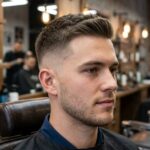
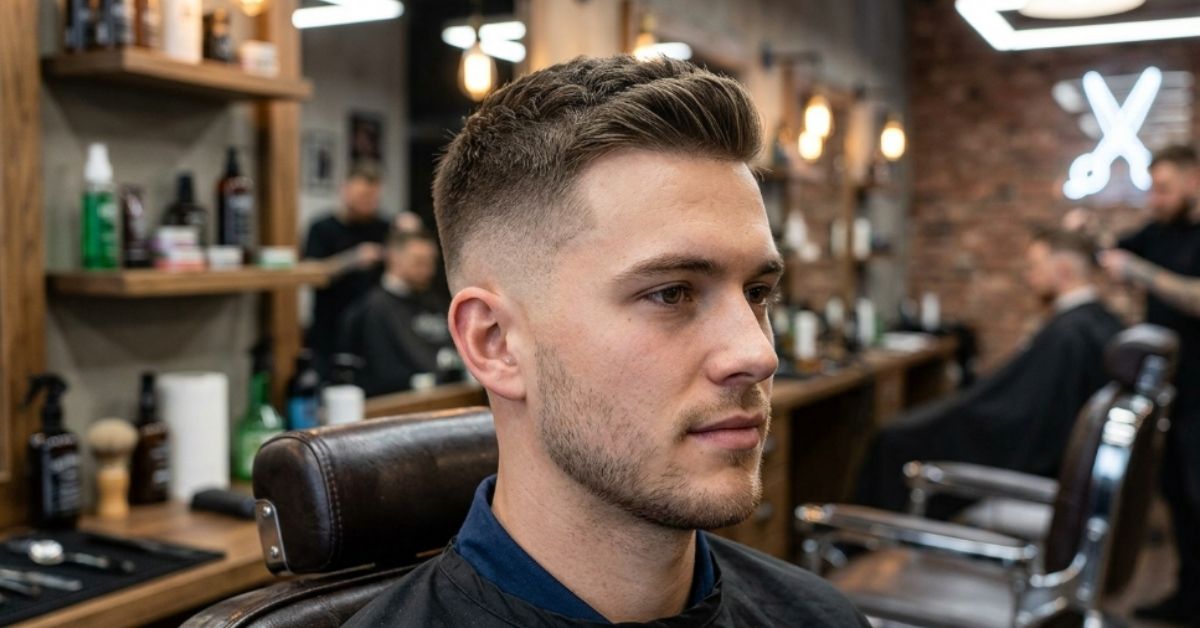
A low fade crew cut is one of the easiest ways to look sharp without spending extra time in front of the mirror. The top stays short and manageable, the sides taper down smoothly near the ear, and the whole style holds its shape for weeks between visits. It works at the office, on a job site, at school, and in every photo in between.
This guide breaks down what a low fade crew cut actually is, who it suits, how it adapts to different face shapes and hair types, and twelve variations you can bring straight to your barber. You’ll also find a ready-to-use barber script, simple styling steps, and answers to the questions men ask most before booking the chair.
What Is a Low Fade Crew Cut
A crew cut is a short, tidy hairstyle with a slightly longer top and tightly cut sides, a style that traces back to military grooming standards and stuck around because it simply works. A low fade takes those sides and blends them gradually, starting an inch or so above the ear and fading down toward the nape, instead of stopping at a hard, visible line.
The result reads as controlled and understated. There’s no sharp contrast jumping out at people across a room. Barbers build this blend with clippers, a sequence of guard lengths, and scissor-over-comb work around the temple, sideburns, and neckline, so the transition from short to shorter looks like one continuous line rather than a series of steps.
Because the fade sits low on the head, it’s also the most forgiving fade type to grow out. There’s no obvious ring around the skull waiting to reappear after ten days, which is a big part of why this cut has stayed a go-to choice for men who want a wash-and-go routine.
Who It Suits
The low fade crew cut is close to a universal cut. It suits thick hair by trimming down bulk at the sides, and it suits fine or thin hair by giving it visible shape and structure it wouldn’t otherwise hold.
It fits into almost any dress code, from a suit-and-tie office to a trade job that demands a hard hat all day. Because the finished look doesn’t rely on precise styling or product, it also travels well. A low fade crew cut still looks neat after a flight, a swim, or a long shift, which is exactly why it shows up so often as a default recommendation for men who don’t want to fuss with their hair every morning.
Face Shapes and Hair Types
A good barber adjusts the top length and the fade height slightly based on face shape. Here’s a quick reference:
| Face Shape | Best Approach |
|---|---|
| Oval | Nearly any top length works well. Add light texture for natural movement. |
| Square | A low fade softens the temple area and lets the jawline stand out without overpowering it. |
| Round | A little extra height at the crown adds length to the face and balances out fuller cheeks. |
| Oblong | A shorter top paired with calm, close sides keeps proportions even. |
Hair type shapes the outcome just as much as face shape does:
- Straight hair looks its cleanest with a small amount of texturizing on top, since a completely flat surface can look stiff.
- Wavy hair benefits directly from the fade, because trimming down the sides stops waves from puffing outward.
- Curly hair holds its shape best when the crown isn’t cut too long, letting curls sit close instead of expanding upward.
Edges and Details
The details around the hairline are what separate an average haircut from one that actually looks finished. A line up along the forehead and temple sharpens the front edge and gives the whole cut a crisp, just-left-the-barber look. A hard part cut into the side adds a defined styling line for men who want more structure, while a side part gives a softer, more classic finish.
At the back, you can choose between a natural, rounded neckline or a squared-off shape, depending on how sharp you want the cut to read. If you’re growing or maintaining a beard, ask your barber to blend the fade into the cheek line so the whole look feels connected rather than like two separate styles stitched together.
12 Variations Low Fade Crew Cut Hairstyle
Classic Low Fade Crew Cut
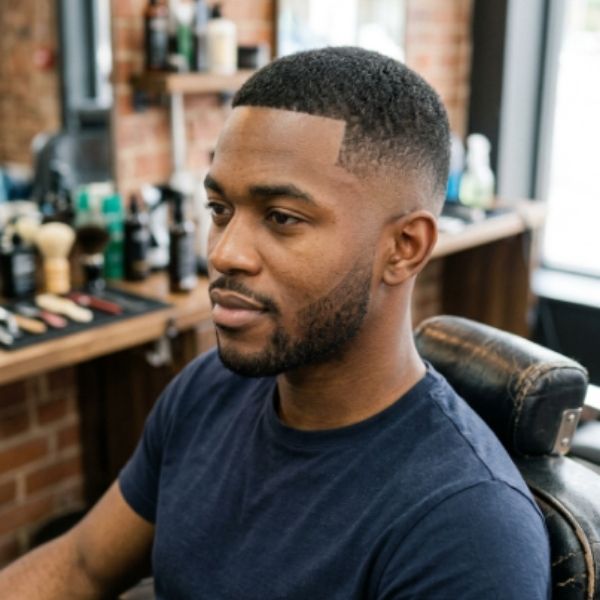
This is the baseline version and the safest choice for a first appointment. The top stays short and even, the sides fade cleanly near the ear, and the neckline is left natural. It requires almost no daily styling and grows out evenly, which makes it a strong pick for anyone who wants a low-effort routine.
Textured Low Fade Crew Cut
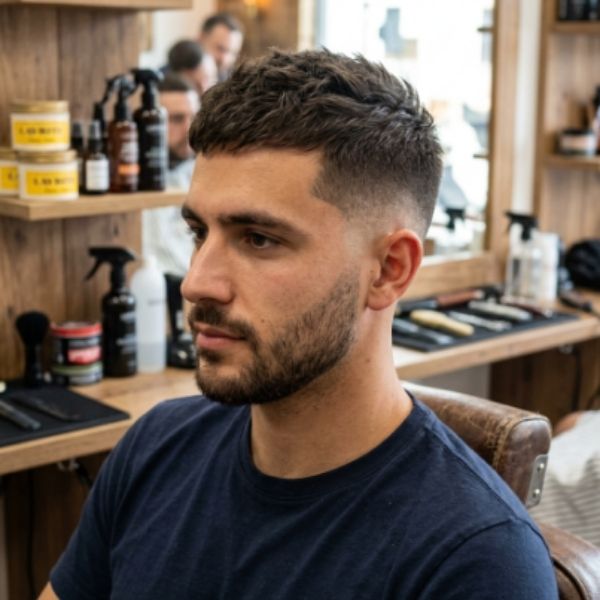
Here the top is cut with a texturizing technique that breaks up the hair into slightly uneven pieces instead of one flat plane. A small amount of matte clay worked through damp hair brings out that texture and adds subtle volume, while the low fade underneath keeps the overall shape tidy.
Messy Low Fade Crew Cut
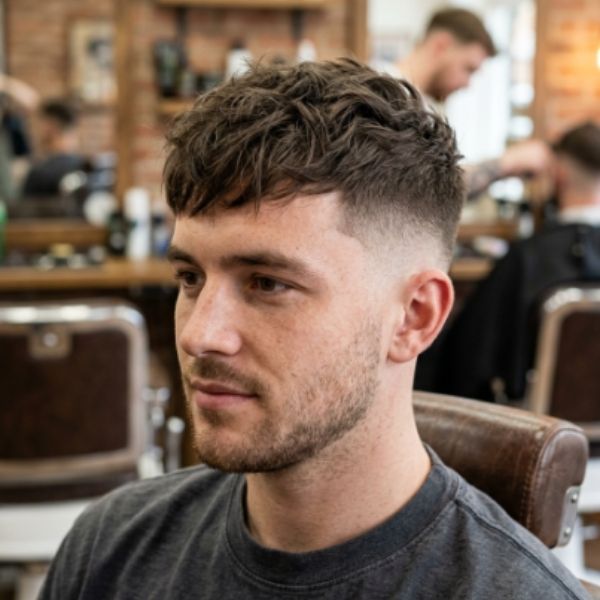
This version takes the textured top further, roughing up the strands with fingers rather than a comb for a lived-in, undone finish. It pairs well with a light matte paste and works especially well on wavy or slightly curly hair, which naturally holds that tousled shape longer.
Skin Low Fade Crew Cut
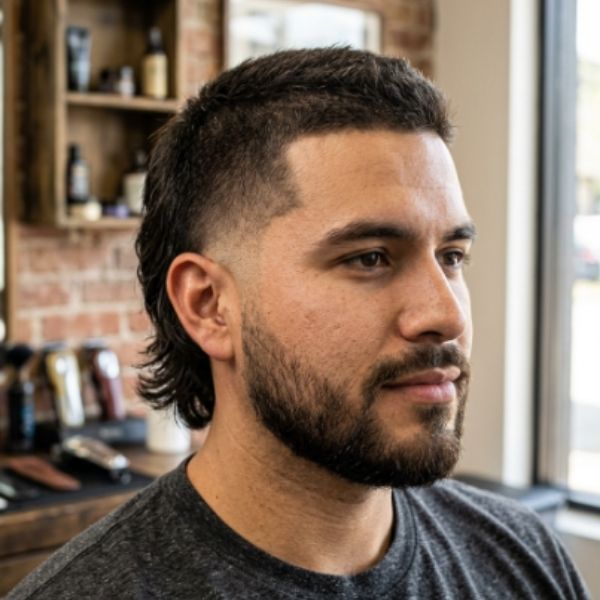
Also known as a bald fade, this variation takes the sides all the way down to skin at the lowest point before blending up into the top. It creates more visual contrast than a standard low fade and needs a touch-up every two to three weeks to stay sharp, since bare skin grows in to visible stubble faster than a guard-length trim.
Drop Low Fade Crew Cut
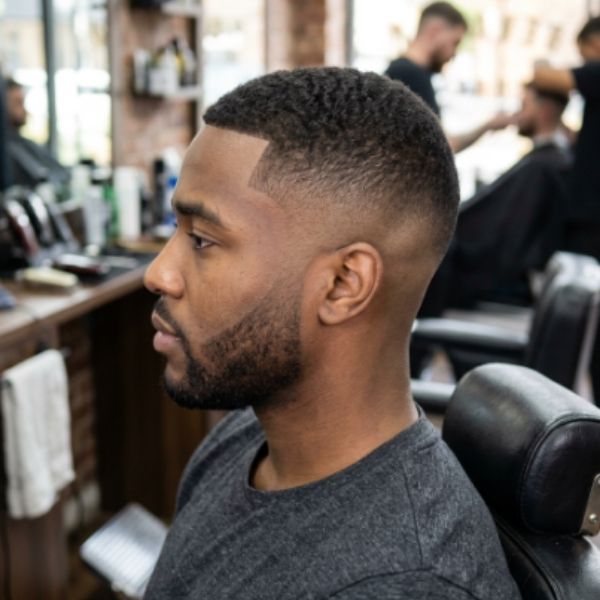
Instead of curving straight around the ear, the fade line dips slightly lower behind the ear before rising again toward the back of the head. This subtle drop adds a more dynamic, custom look and pairs especially well with a rounder head shape or a fuller top.
Buzz Crew Cut Low Fade
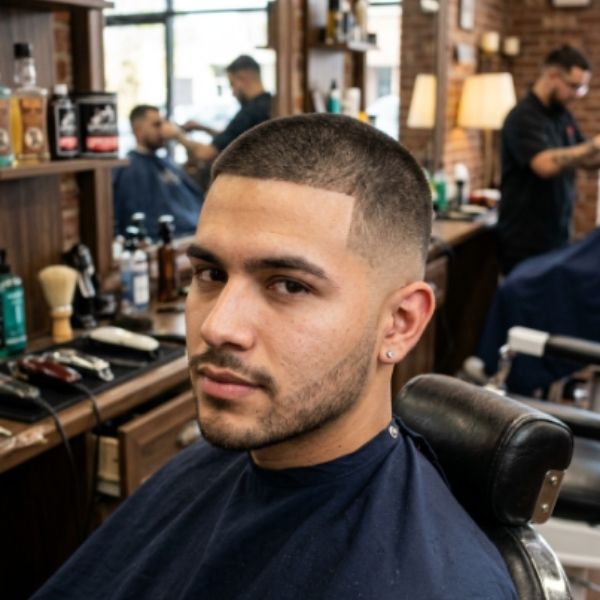
This variation shortens the top down to a buzz length, close to the fade itself, so the whole head reads as nearly one continuous length with just enough of a fade to add dimension. It’s the lowest-maintenance option on this list and holds its shape the longest between barber visits.
Low Fade Crew Cut with Beard
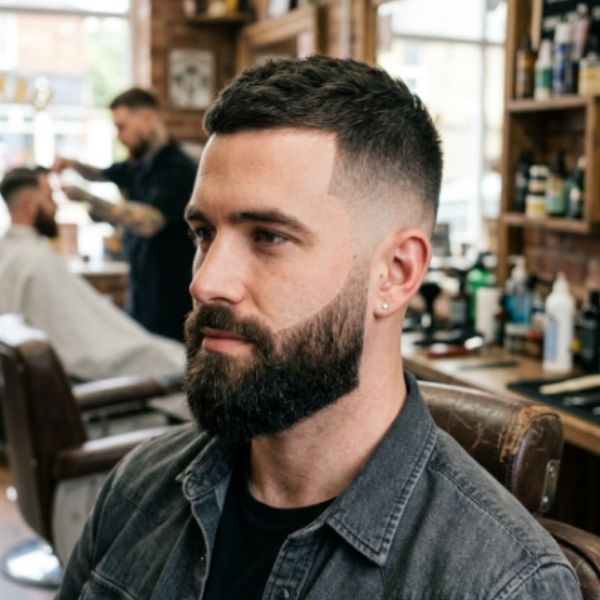
Pairing this cut with a well-groomed beard creates a balanced, put-together look, especially when the barber tapers the beard’s cheek line to match the fade’s angle. This combination is popular with men who want their haircut and facial hair to look like one cohesive style rather than two separate decisions.
Low Fade Crew Cut with Line Up
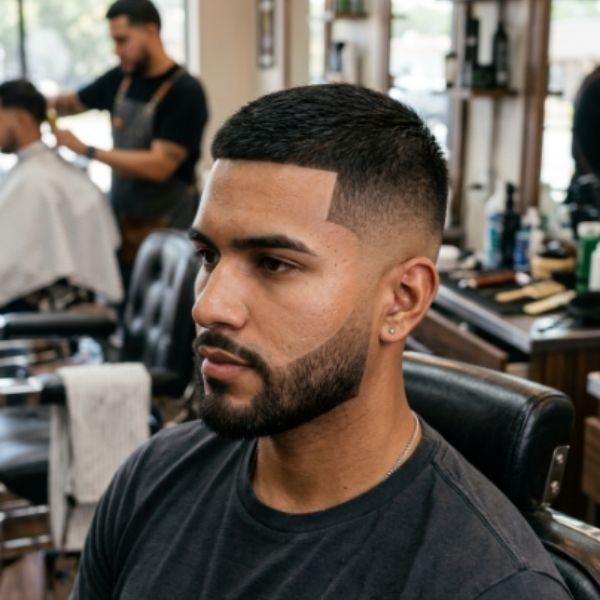
A line up adds a crisp, straight edge along the front hairline and around the temples using a straight razor or edger. It sharpens the entire cut and is a common finishing touch before an event, an interview, or simply a fresh weekend look.
Low Fade Crew Cut with Hard Part
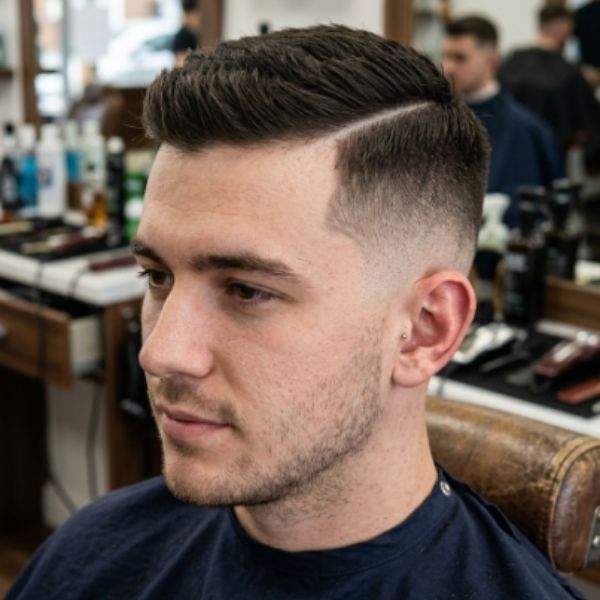
A hard part is a thin shaved line cut directly into the hair on one side, separating the top from the fade with a visible, intentional stripe. It gives the style a bolder, more graphic edge and works well for men who like a defined part without relying on a comb every morning.
Straight Hair Low Fade Crew Cut
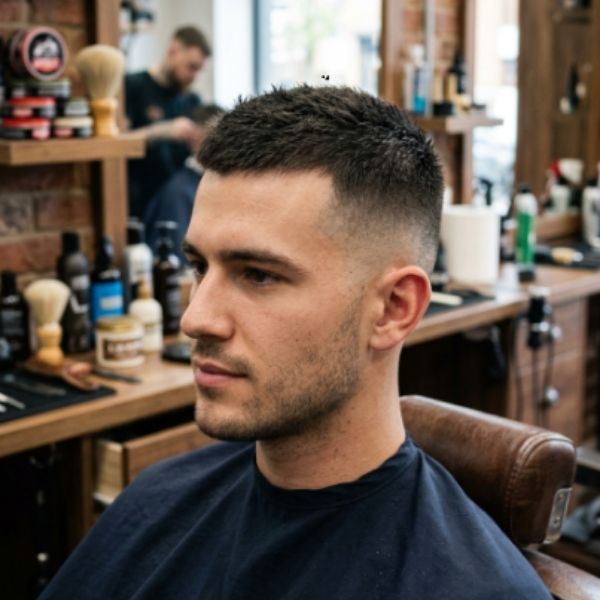
On straight hair, this cut looks cleanest with a slightly textured top rather than a completely smooth one, since texture keeps a flat hair type from looking too stiff or helmet-like. A light cream applied to damp hair and combed forward gives a controlled, natural finish.
Wavy Low Fade Crew Cut
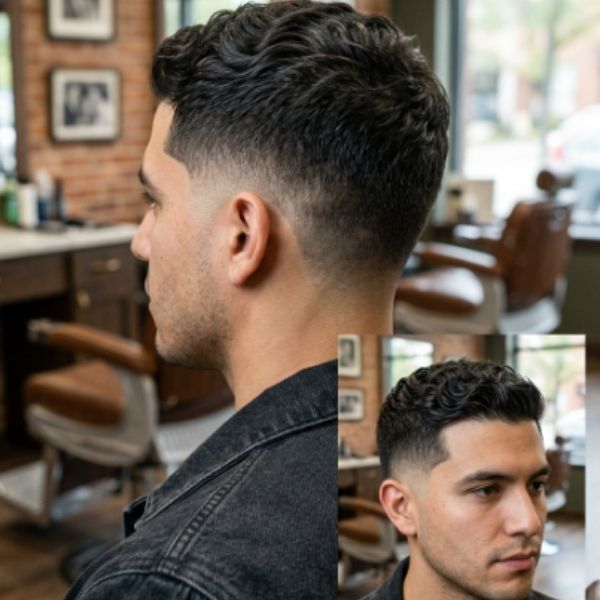
Wavy hair pairs naturally with this cut because removing weight from the sides lets the waves on top show through instead of getting weighed down. A sea salt or texturizing spray enhances the natural wave pattern without adding stiffness.
Curly Low Fade Crew Cut
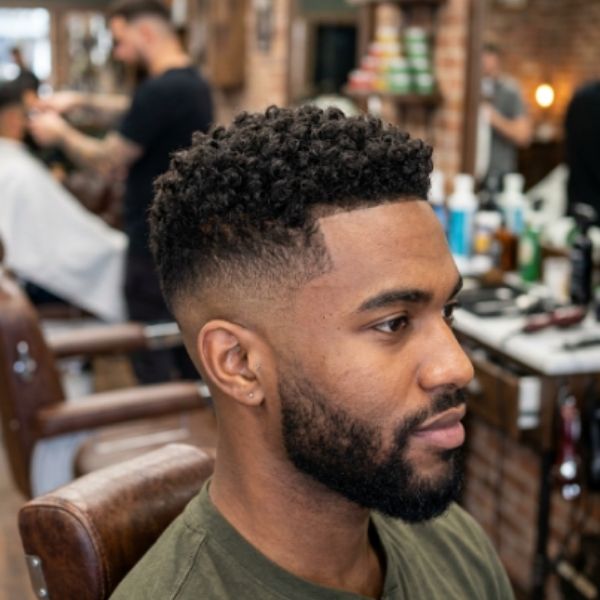
For curly hair, keeping the crown a little flatter and letting the sides fade low prevents the classic triangle shape that curls can create when left too long on top. A curl-defining cream applied to damp hair helps each curl hold its form through the day.
Barber Script
Walking in with the right wording saves time and avoids a haircut you didn’t ask for. Try this:
“I’d like a low fade crew cut. Keep the top short with a bit of texture, and take the sides down to a true low fade starting about an inch above my ear. Keep the crown relatively flat, blend the sideburns into the fade, and leave the neckline natural. I’d like [a line up / a hard part / no extra detailing] as a finishing touch.”
Swap in specifics based on your face shape, hair type, and whichever of the twelve variations above caught your eye.
Quick Styling Steps
- Start with damp, towel-dried hair, not soaking wet.
- Apply a small, dime-sized amount of cream, clay, or paste depending on your hair type.
- Work the product through the top using your fingers to build texture and direction.
- Use a blow dryer on a low, cool setting to set the shape if you want extra lift.
- Finish by smoothing the sides down with your palm so the fade reads clean against the styled top.
The entire routine takes under three minutes once you know your hair, which is one of the biggest reasons this cut stays popular with men who don’t want a long morning routine.
Photos and Description
When you’re showing your barber a reference photo, pick one that clearly shows the fade height near the ear and the top length and texture. A close-up angled shot tells a barber far more than a distant, full-body photo. If you can, bring two or three photos from slightly different angles, including one from the back, so the neckline shape is just as clear as the front.
Conclusion
The low fade crew cut earns its popularity honestly. It suits nearly every face shape and hair type, adapts to twelve distinct finishes without losing its clean foundation, and asks for very little daily upkeep in return. Whether you want the classic version, a textured or messy top, a skin fade for extra contrast, or a beard-blended finish, the core formula stays the same: short on top, a smooth low blend at the sides, and edges sharp enough to photograph well. Bring the barber script above to your next appointment, pick the variation that matches your hair type, and you’ll walk out with a cut that holds its shape long after you leave the chair.
Frequently Asked Questions
How long does a low fade crew cut last before it needs a trim?
Most low fade crew cuts look sharp for three to four weeks. The low placement of the fade means regrowth is far less noticeable than with a high or skin fade.
Is a low fade crew cut good for thinning hair?
Yes. The short, uniform top and tapered sides make thinning hair look fuller and denser than longer styles would.
Can I get a low fade crew cut with curly hair?
Yes. Keeping the crown slightly flatter and letting the sides fade low prevents curls from ballooning outward on top.
Does a low fade crew cut work for a receding hairline?
Yes. A shorter top with a low fade draws less attention to the hairline than longer, heavier styles do.
How much does a low fade crew cut typically cost?
Pricing varies by barbershop and location, but expect a similar price to any standard fade haircut, usually somewhere between a basic trim and a premium design cut.
Do I need a line up with a low fade crew cut?
No, it’s optional. A line up sharpens the front hairline for a crisper look, but a natural edge works just as well for a softer, everyday style.

Charlotte Aiden is the founder and editor of FaxhionTips.com, where he shares practical insights on the latest haircut trends, hairstyles, grooming tips, and hair care advice. Passionate about modern style and easy-to-follow beauty guidance, Charlotte creates well-researched content to help readers choose the best haircuts and maintain healthy, stylish hair with confidence.