
A fresh fade can change the way a man carries himself. It sharpens the jawline, cleans up the hairline, and gives almost any hairstyle on top a finished, put together look. That’s exactly why the fade has stayed at the top of barbershop request lists year after year, and 2024 is no exception.
But “fade” isn’t one haircut. It’s a whole family of cuts that differ in where the taper starts, how sharp the contrast is, and how much hair is left at the top. Ask for “a fade” without specifics, and you might walk out with a completely different look than the one you had in mind.
This guide breaks down every major fade style, explains which one actually deserves the title of “best,” and covers the everyday styling problems that trip up modern men once they leave the barber’s chair. By the end, you’ll know exactly what to ask for, and how to keep it looking sharp between appointments.
Different Styles of Fade Cuts
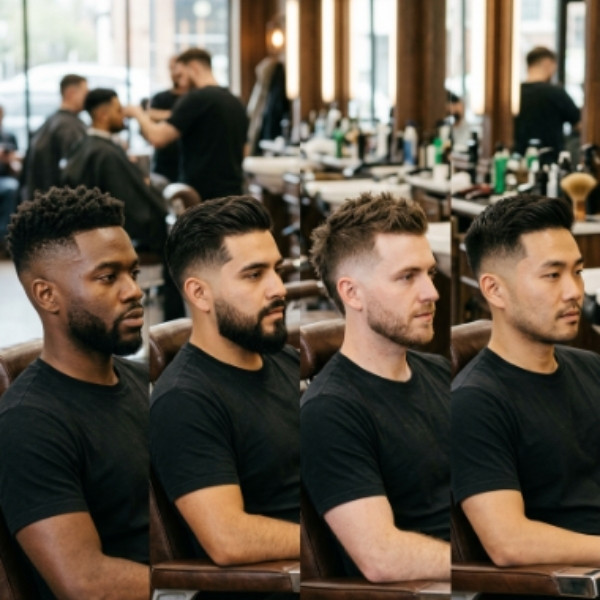
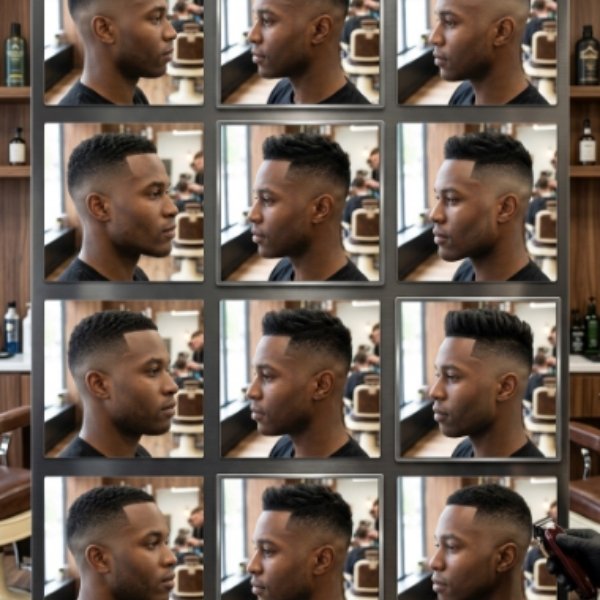
Every fade follows the same basic idea: hair gradually shortens from the top down to the skin or a very short guard length. What separates one fade from another is where that transition begins and how it’s shaped around the head. Here are the styles worth knowing.
Low Fade
The low fade starts just above the ears and along the natural hairline, roughly one to two finger widths up. It’s the most conservative option on this list, which makes it a favorite for office environments, client meetings, and first time fade wearers who don’t want too dramatic a change. Because the fade sits close to the hairline, it keeps more length overall and requires slightly less frequent touch ups than higher styles.
Mid Fade
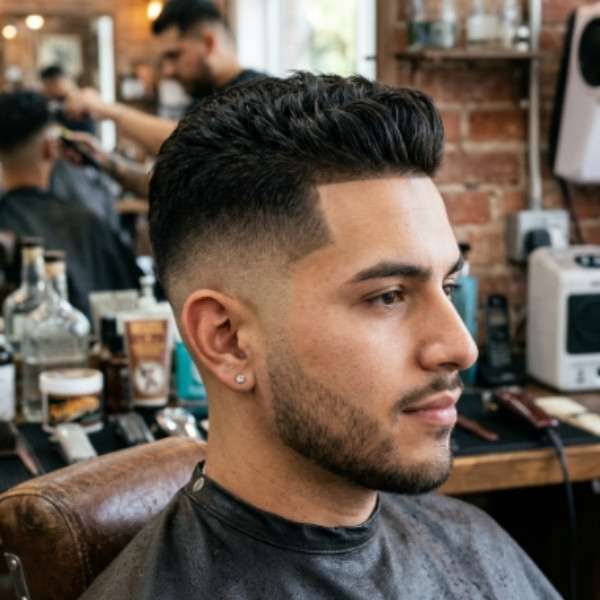
Sitting between the low and high fade, the mid fade begins around the middle of the side of the head. It offers a noticeable but balanced contrast, which is why so many barbers recommend it to clients who want a modern look without committing to a bold statement. A mid fade pairs especially well with textured crops, side parts, and comb overs.
High Fade
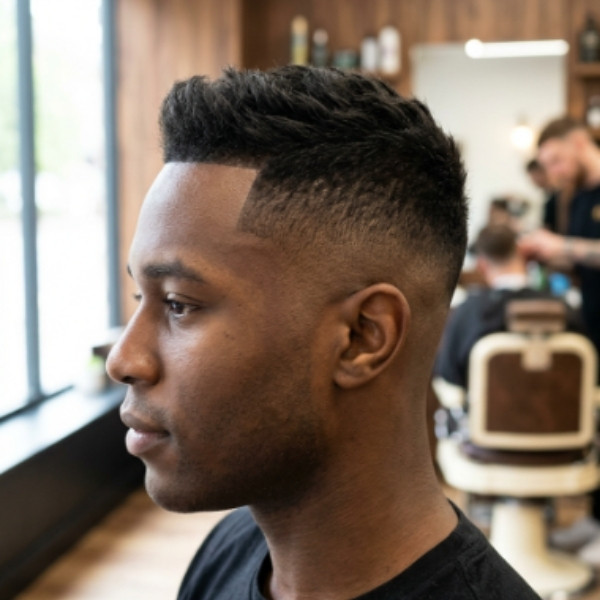
The high fade starts above the temples, sometimes close to the top of the head, creating a sharp, high contrast line between the short sides and the longer top. It’s bold by design and tends to suit shorter, structured styles like faux hawks, pompadours, and spiky textured tops. Because the faded area is larger, high fades typically need a barber visit every two to three weeks to hold their shape.
Skin Fade (Bald Fade)
A skin fade, sometimes called a bald fade or zero fade, takes any of the heights above and fades the hair all the way down to bare skin. It creates the sharpest, most dramatic contrast of any fade style and works particularly well for men who want their beard line or hairline to stand out. Skin fades demand precise clipper work, so it’s worth choosing a barber with a strong reputation for clean blending.
Taper Fade
A taper fade is more subtle than a true fade. It focuses on gradually shortening the hair around the neckline and sideburns rather than fading the whole side of the head. This makes it a safe, classic option for professional settings and for men who prefer their hair to stay longer overall while still looking neat and tidy.
Drop Fade
The drop fade follows the natural curve of the skull, dipping lower behind the ear before continuing around the back of the head. That curved line adds extra dimension and pairs particularly well with curly or textured hair, since the drop shape complements natural volume instead of fighting it.
Burst Fade
A burst fade fades in a circular pattern around the ear rather than running in a straight line down the side. It’s a favorite for mohawks, curly textured tops, and creative or edgy styles because it adds visual flair without disrupting the overall structure of the cut.
Undercut Fade
The undercut fade combines a disconnected, longer top with clippered sides that fade smoothly into a very short or skin length finish. The sharp contrast between the long top and closely faded sides gives this style a bold, edgy character that works well for men who want their haircut to make a statement.
What is the Best Type of Fade?
Here’s the honest answer: there isn’t a single “best” fade that works for every man. The right choice depends on three things: your face shape, your hair texture, and your lifestyle. That said, here’s how to narrow it down.
Match the Fade to Your Face Shape
- Oval face: Considered the most balanced shape, so almost any fade height works. Low, mid, and high fades all look great, which means you can choose based purely on style preference.
- Round face: A low or mid fade with more length left on top tends to elongate the face and reduce roundness. Very tight, high fades can sometimes emphasize width, so proceed carefully.
- Square face: A mid fade paired with a slightly textured or messy top softens strong, angular features without hiding the jawline.
- Heart or diamond face: A low fade helps keep proportions balanced, especially for men with a narrower chin, since it avoids drawing extra attention upward.
- Long or rectangular face: A high or skin fade with shorter length on top helps balance vertical proportions instead of adding more height.
A simple way to check your own face shape is to pull your hair back, stand in front of a mirror with good lighting, and trace the outline of your face with a finger or a washable marker. Compare what you see to the shapes above.
Factor In Hair Texture
Straight hair tends to show clean, sharp fade lines more clearly, which is why skin fades and high fades are popular among men with straight or fine hair. Curly and coily hair often pairs beautifully with drop fades and burst fades, since the curved shape works with the natural volume instead of against it. If your hair is thick or wavy, a mid fade usually offers the easiest balance between control and low maintenance styling.
Think About Maintenance and Lifestyle
- Low fades and taper fades: need a touch up roughly every 3 to 4 weeks.
- Mid fades: hold their shape for about 2 to 3 weeks before regrowth becomes noticeable.
- High fades and skin fades: look sharpest with a barber visit every 2 weeks, sometimes sooner.
If you’re not the type to book frequent barber appointments, a low fade or taper fade is the more realistic “best” choice, even if a high skin fade looks more dramatic in photos.
Quality Fades, and Modern Men Styling Troubles
Getting a great fade at the barbershop is only half the job. Keeping it looking sharp, and avoiding the common mistakes that make an otherwise good haircut look messy, is where a lot of men struggle.
Finding a Barber Who Can Actually Blend
A fade lives or dies on the quality of the blend. Visible lines, patchy transitions, or an uneven gradient are usually signs of rushed clipper work rather than a bad haircut idea. When you’re trying a new barbershop, ask to see recent examples of fades they’ve done, and don’t be afraid to describe exactly what you want using clipper guard numbers rather than vague terms like “short on the sides.”
Communicating Clearly With Your Barber
Miscommunication is the number one reason men leave the chair disappointed. To avoid it:
- Name the fade type you want (low, mid, high, or skin).
- Specify the guard number for the sides, such as a #1 or #2.
- Bring a reference photo, even a rough one, to remove any guesswork.
- Mention your face shape and hair type if you’re unsure what will suit you.
- Ask how often you’ll need touch ups so the style fits your schedule.
Everyday Maintenance Between Visits
A skin fade in particular exposes fresh skin along the hairline, which needs a little extra care.
- Moisturize the faded skin with a lightweight, fragrance free lotion to prevent dryness and irritation.
- Exfoliate once or twice a week to reduce the risk of ingrown hairs.
- Avoid touching the freshly faded area often, since hand oils can contribute to breakouts.
- Use a light pomade or clay for the top rather than heavy products that weigh hair down and make the top look flat against the crisp sides.
The Growing Out Problem
Every fade eventually grows out, and the awkward in between stage is a common complaint. The fix is simple: book your next appointment before the current fade fully grows out, ideally at the two to three week mark for most styles. Waiting until the line has completely disappeared means starting from scratch instead of maintaining shape.
Choosing Products That Actually Match the Cut
Many men use the wrong product for their top length, which undercuts an otherwise great fade. Shorter, textured tops usually respond best to a matte clay or light paste, while longer tops styled into a pompadour or comb over hold better with a stronger pomade. Matching product to hairstyle, not just to “what’s on sale,” makes a noticeable difference in how sharp the whole look reads day to day.
Conclusion
The best fade cut in 2024 isn’t a single trending style. It’s the one that fits your face shape, works with your natural hair texture, and matches how often you’re realistically willing to sit in a barber’s chair. Low and taper fades reward men who want a low maintenance, professional look. Mid fades offer the most balanced, all around choice. High and skin fades deliver bold, sharp statements for men ready to keep up with regular touch ups. Whichever style you choose, clear communication with your barber and a bit of consistent maintenance are what turn a good fade into a great one.
FAQs
What is the most popular fade haircut right now?
The mid fade remains the most requested style, since it balances a modern, sharp look with manageable upkeep for most face shapes and hair types.
How often should I get my fade touched up?
Most fades need a refresh every 2 to 4 weeks, with higher and skin fades on the shorter end of that range.
Does a skin fade work with curly hair?
Yes, skin fades work well with curly and coily hair, and pairing them with a drop or burst shape often looks even more natural.
Which fade is best for a round face?
A low or mid fade with extra length left on top tends to elongate a round face and create a more balanced look.
Can I switch fade styles at each barber visit?
Yes, but keep in mind that moving from a low fade to a high or skin fade usually requires extra cutting time to remove more length and reshape the gradient.
Is a taper fade the same as a regular fade?
No, a taper fade focuses on gradually shortening the neckline and sideburns, while a true fade creates a broader gradient across the entire side of the head.

Charlotte Aiden is the founder and editor of FaxhionTips.com, where he shares practical insights on the latest haircut trends, hairstyles, grooming tips, and hair care advice. Passionate about modern style and easy-to-follow beauty guidance, Charlotte creates well-researched content to help readers choose the best haircuts and maintain healthy, stylish hair with confidence.