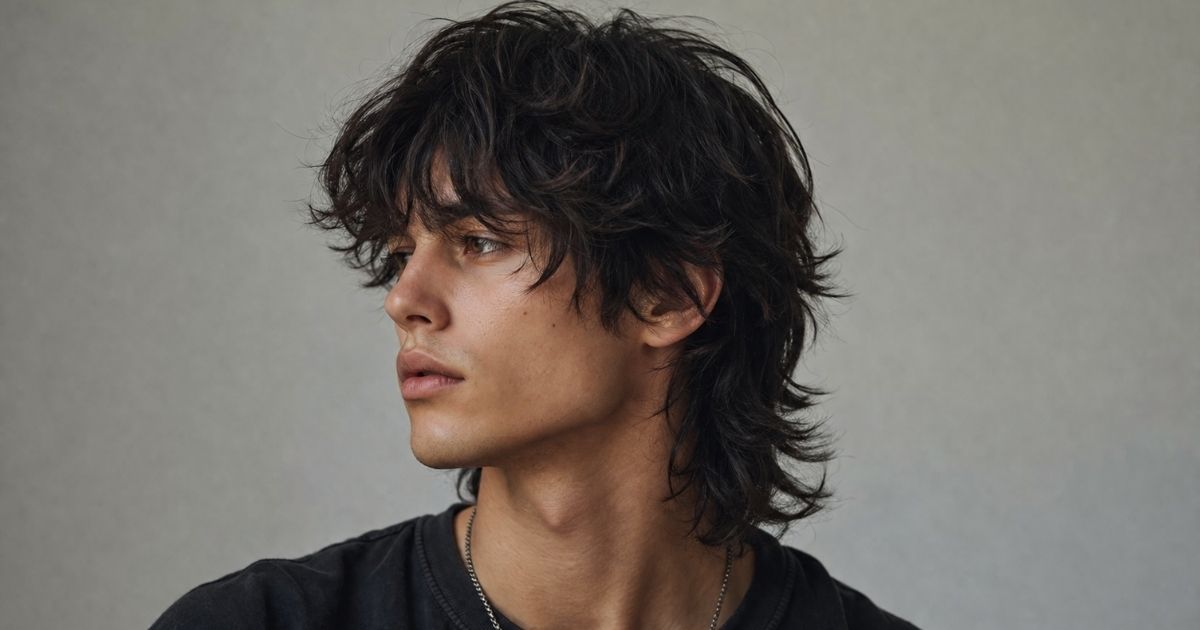
The wolf cut has moved from a niche TikTok trend to one of the most requested men’s haircuts at barbershops worldwide. Part shag, part mullet, this layered style builds volume at the crown while letting the ends flow loose and textured at the back. It suits nearly every hair type, straight, wavy, curly, or coily, and works across most face shapes with the right adjustments.
If you’re tired of predictable fades and want a cut with real personality, the wolf cut delivers texture, movement, and an effortless “just rolled out of bed” vibe that still looks intentional. This guide breaks down 25 trendy wolf cut variations for 2026, along with styling advice, maintenance tips, and the full history of how this haircut became a global phenomenon.
What makes the wolf cut different from a standard shag or mullet is its construction. A skilled barber builds short, broken layers through the crown, then lets the length gradually increase toward the nape, so the shape reads as intentional rather than unfinished. This technique gives the hairstyle its low maintenance reputation, since the layers are designed to fall into place with minimal product or blow drying. Below, you will find the most popular core variations, along with texture based and styling based versions that stylists are recommending this year.
Wolf Cut Men Hairstyles: Core & Classic Variations
Before picking a barber reference photo, it helps to understand the foundational versions of the wolf cut. Each variation below adjusts length, texture, or finishing technique while keeping the signature shaggy silhouette intact.
Classic Wolf Cut
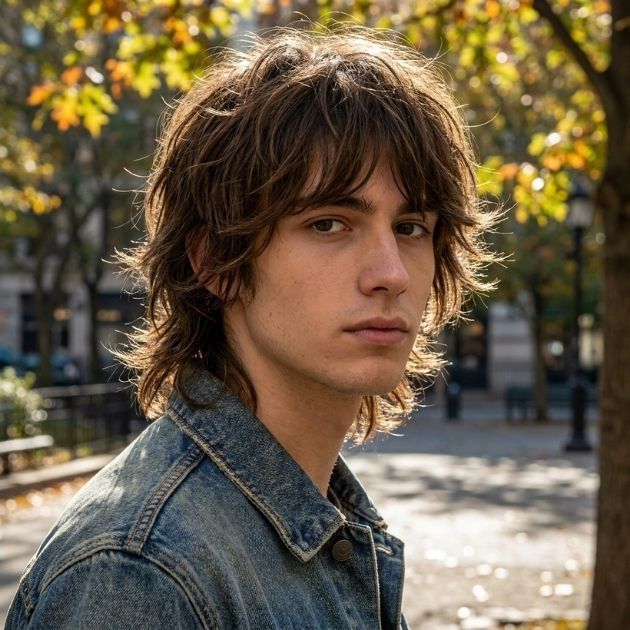
The original wolf cut pairs long, choppy layers on top with shorter, textured pieces underneath, creating natural volume without heavy styling. It’s the go to reference photo for barbers because it captures the balance between a mullet’s length and a shag’s movement. This version works best on medium to thick hair and needs almost no daily upkeep.
Short Wolf Cut

A short wolf cut trims the back and sides while keeping the crown layered and full. It’s a practical option for guys who want the trend without committing to long hair, and it’s tidy enough to wear in professional settings. Ask your barber to keep the nape short and add texture through the top for movement.
Long Wolf Cut

The long wolf cut extends the back length significantly, giving off a bold, confident look reminiscent of 70s rock stars. Layering through the crown prevents the length from looking flat or heavy. This variation suits men who already have longer hair and don’t want to lose much length in the transition.
Layered Wolf Cut

This version leans fully into the technique that defines the entire style, heavy, choppy layering from root to tip. It adds serious volume and works especially well for thin or fine hair, since removing weight through layering creates the illusion of density.
Korean Wolf Cut

Popularized by K-pop idols and Korean dramas, this softer take blends gentle waves with layered shaping for a tousled, controlled look. It typically features longer layers at the crown and a subtle taper near the neck, and it adapts well to naturally wavy Asian hair textures or can be styled with a curling wand on straighter hair.
No-Mullet Wolf Cut

For men who like the volume and texture of a wolf cut but want to avoid the dramatic long back associated with mullets, this variation keeps the back length modest. It’s a softer, more office friendly version of the trend that still delivers a layered, lived in finish.
Wavy Wolf Cut
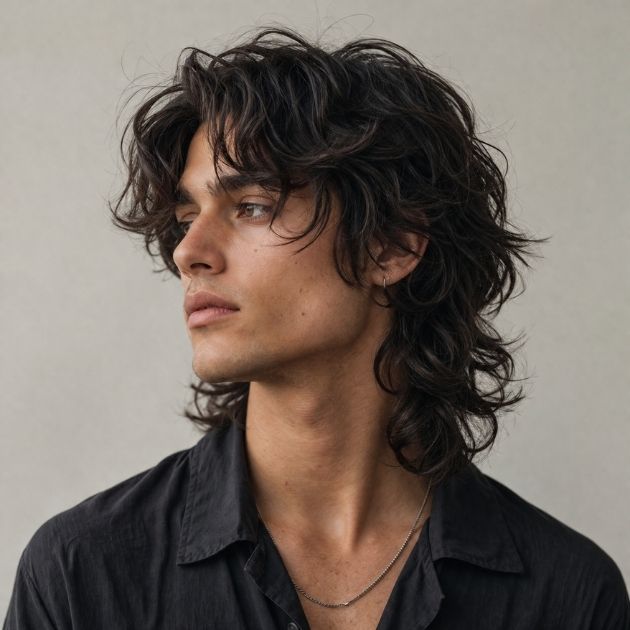
Natural waves and the wolf cut are a near perfect match. The layered cutting technique enhances existing wave patterns, creating a beachy, undone texture. A light sea salt spray on damp hair helps define the waves without weighing them down.
Curly Wolf Cut
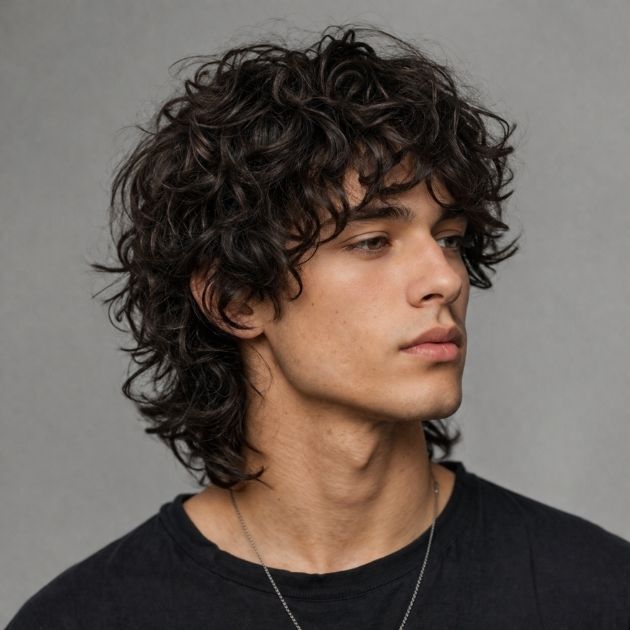
Curly hair adds natural volume and definition that suits the wolf cut’s chaotic, textured energy. Barbers typically cut this style dry so each curl falls into place naturally, releasing bulk at the crown while keeping shape and bounce intact.
Wolf Cut with Curtain Bangs
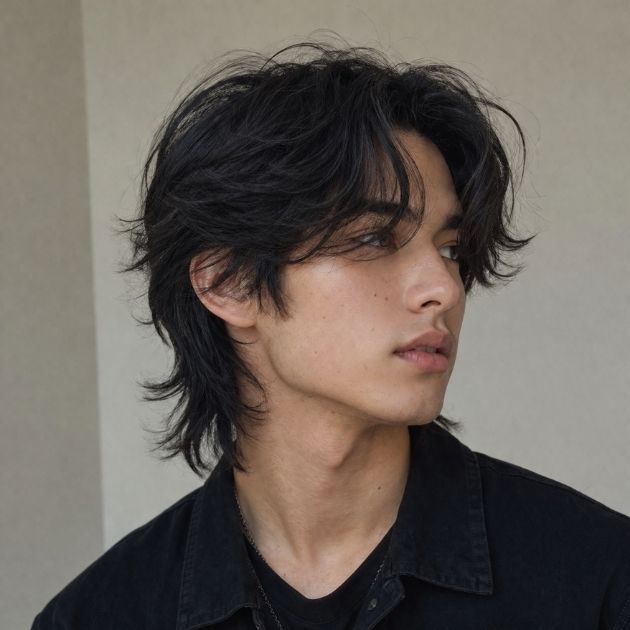
Curtain bangs part naturally down the middle and frame both sides of the face, softening sharp features and balancing rounder ones. Paired with a wolf cut, they create one of the most flattering combinations for straight to wavy hair types.
Shaggy Wolf Cut
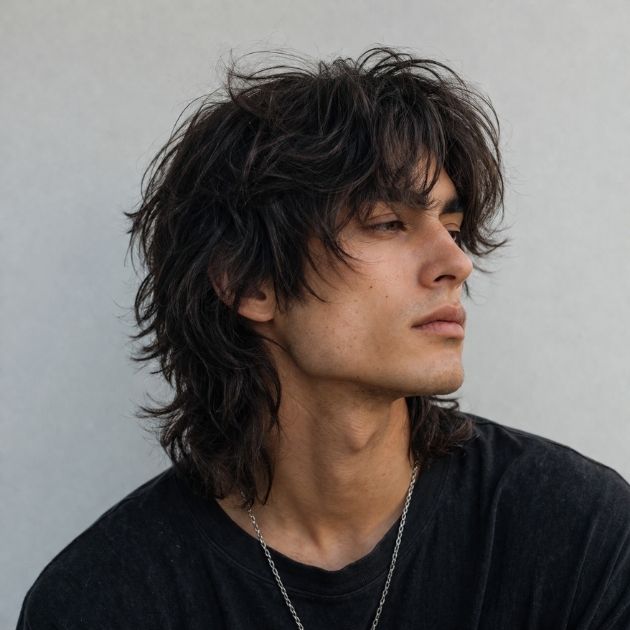
This is the wolf cut at its most textured, deep, choppy layers throughout with a deliberately messy finish. Razor cutting is often used to remove bulk and add movement, making this version ideal for thick or coarse hair that tends to hold too much weight when left blunt.
Textured Wolf Cut
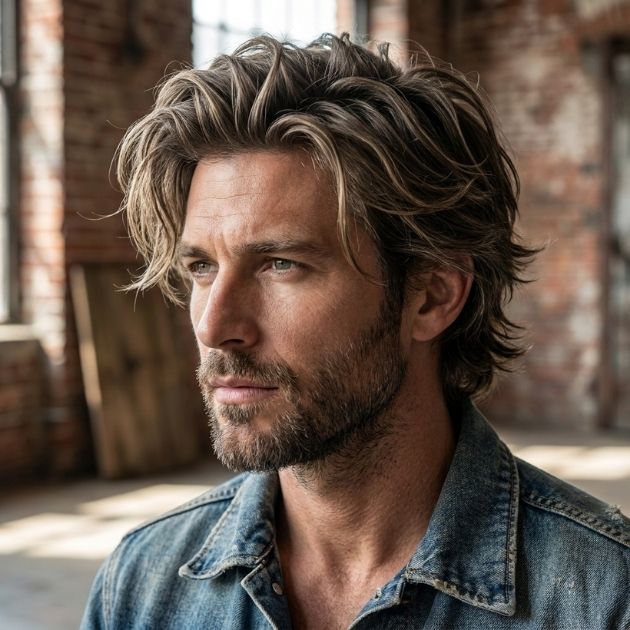
A textured wolf cut relies on point cutting and thinning techniques to break up uniform sections of hair. The result is a piecey, broken up look that photographs well and styles easily with just a texturizing paste.
Feathered Wolf Cut

Feathering softens the ends of each layer so they blend smoothly rather than ending abruptly. This creates a lighter, airier finish that works particularly well on fine or straight hair that needs help holding shape.
Soft Wolf Cut

Rather than sharp, choppy edges, the soft wolf cut uses seamless blending between layers for a rounded, gentle silhouette. A nourishing hair serum enhances shine and keeps flyaways under control, giving this version a polished finish.
Wolf Cut with Undercut

Combining an undercut with a wolf cut removes bulk from the sides while keeping maximum texture and length on top. This pairing works especially well for men with thinning hair, since it concentrates visual density where it matters most.
Pixie Wolf Cut

Though less common on men, a cropped, pixie inspired wolf cut keeps things extremely short while still layering the crown for texture. It’s a low maintenance option for men who prefer minimal length overall but still want the wolf cut’s signature volume.
Wolf Cut Mullet

This variation leans directly into the mullet side of the wolf cut family, keeping the sides trimmed close while leaving significant length at the back. It’s bold, retro inspired, and pairs well with a fade for extra contrast, making it one of the most attention grabbing versions on this list.
Wolf Cut with Fade
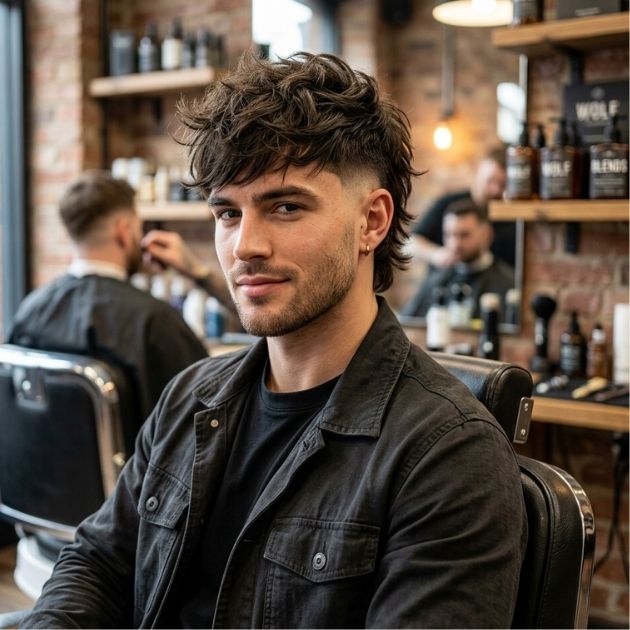
Adding a skin fade or taper fade to the sides sharpens the overall shape and creates strong contrast against the voluminous top and back. This combination gives the wolf cut a cleaner, more modern edge and suits men who want a bit more structure without losing the shaggy silhouette up top.
Bleached Wolf Cut
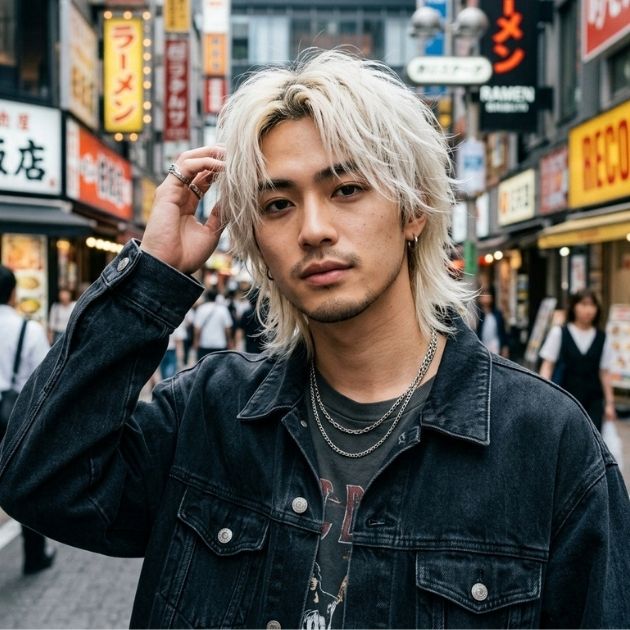
Bleaching the top layers, or the entire head, adds dimension and highlights the movement created by the layering technique. Pair it with a purple or silver toning shampoo to keep brassy tones under control and maintain a crisp, cool finish.
Wolf Cut with Highlights

Subtle highlights woven through the crown catch the light differently across each layer, drawing attention to the texture without committing to a full color change. This is a lower maintenance alternative to a full bleach job.
Medium Length Wolf Cut

Sitting between the short and long variations, the medium length wolf cut offers dramatic layering and plenty of versatility. It suits men who want noticeable volume and movement without growing their hair out fully.
How to Style a Wolf Cut?
Styling a wolf cut is meant to be simple, which is part of its appeal. Follow these steps for a salon quality finish at home:
- Start with damp, towel dried hair and apply a lightweight mousse or sea salt spray for texture.
- Blow dry using your fingers or a diffuser to lift the roots at the crown, focusing on volume rather than smoothness.
- Apply a small amount of texturizing paste or clay to the mid lengths and ends, scrunching upward.
- Use a round brush on straight hair to add movement, or simply air dry curly and wavy textures.
- Finish with a light hold hairspray or a few drops of serum to control frizz without flattening the layers.
Most wolf cuts require less than five minutes of daily styling, which is a major reason the trend has stayed popular.
How to Maintain a Wolf Cut?
Because the wolf cut relies on healthy, well defined layers, a consistent maintenance routine keeps it looking sharp between salon visits.
- Schedule trims every four to eight weeks to keep the layers from growing out unevenly.
- Deep condition once a week, especially if you have curly or wavy hair, since moisture keeps texture looking defined rather than dry.
- Use a sulfate free shampoo to protect color treated or bleached strands.
- Apply a heat protectant before using any hot tools to prevent split ends.
- Sleep on a satin pillowcase to reduce friction and preserve layer definition overnight.
- Book a bond repair treatment monthly if you regularly use bleach, texturizers, or heat styling.
The Evolution of Wolf Cut
The wolf cut’s roots trace back nearly five decades, and understanding its history explains why the style feels both nostalgic and current.
- 1970s: Shaggy, layered haircuts became a symbol of rock and roll culture, favoring loose movement over structured shape.
- 1980s: The mullet emerged, exaggerating the short front and long back contrast that would later influence the wolf cut’s silhouette.
- 2000s: Cleaner, more structured cuts dominated mainstream fashion, pushing shaggy and mullet inspired styles out of the spotlight.
- Early 2020s: The style resurfaced through TikTok and Korean pop culture, where stylists blended shag layering with mullet length to create what we now call the wolf cut.
- 2026: Barbers have refined the cut further, adapting it for a wider range of face shapes, hair densities, and textures than any earlier version of the trend.
This constant reinvention is exactly why the wolf cut has held its place as one of the most searched men’s hairstyles year after year.
Frequently Asked Questions
Is the wolf cut still trending in 2026?
Yes, the wolf cut remains one of the most requested men’s haircuts in 2026, with barbers continuing to adapt it through softer fringes and refined layering techniques.
How do I ask my barber for a wolf cut?
Bring two or three reference photos and mention your hair texture and density so the stylist can adjust the layering technique to suit your hair.
How long does a wolf cut last between trims?
Most wolf cut styles hold their shape for four to eight weeks before the layers need refreshing.
Does a wolf cut work on curly or coily hair?
Yes, curly and coily hair actually enhances the wolf cut’s texture, and barbers typically cut it dry to see how the curls fall naturally.
Is a wolf cut the same as a mullet?
No, a wolf cut blends a mullet’s longer back with a shag’s all over layering and softer blending, making it less dramatic than a traditional mullet.
Can a wolf cut help thinning hair look fuller?
A wolf cut’s layered structure can visually add volume and density, though it does not treat or reverse hair loss.
What face shapes suit a wolf cut best?
Oval, square, and heart shaped faces tend to suit the wolf cut most naturally, while round faces benefit from added face framing layers for balance.
Conclusion
The wolf cut earns its popularity by being genuinely versatile. Whether you have straight, wavy, curly, or coily hair, there’s a variation on this list built to flatter your texture and face shape. It requires minimal daily styling, adapts easily to length changes, and offers plenty of room for personalization through color, fades, or bangs. If you want a haircut that feels current without following a rigid formula, bring one of these 25 wolf cut styles to your next barber appointment and let your natural texture do the rest of the work.

Charlotte Aiden is the founder and editor of FaxhionTips.com, where he shares practical insights on the latest haircut trends, hairstyles, grooming tips, and hair care advice. Passionate about modern style and easy-to-follow beauty guidance, Charlotte creates well-researched content to help readers choose the best haircuts and maintain healthy, stylish hair with confidence.