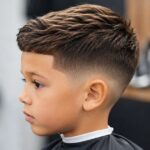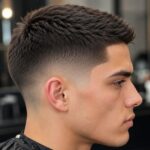
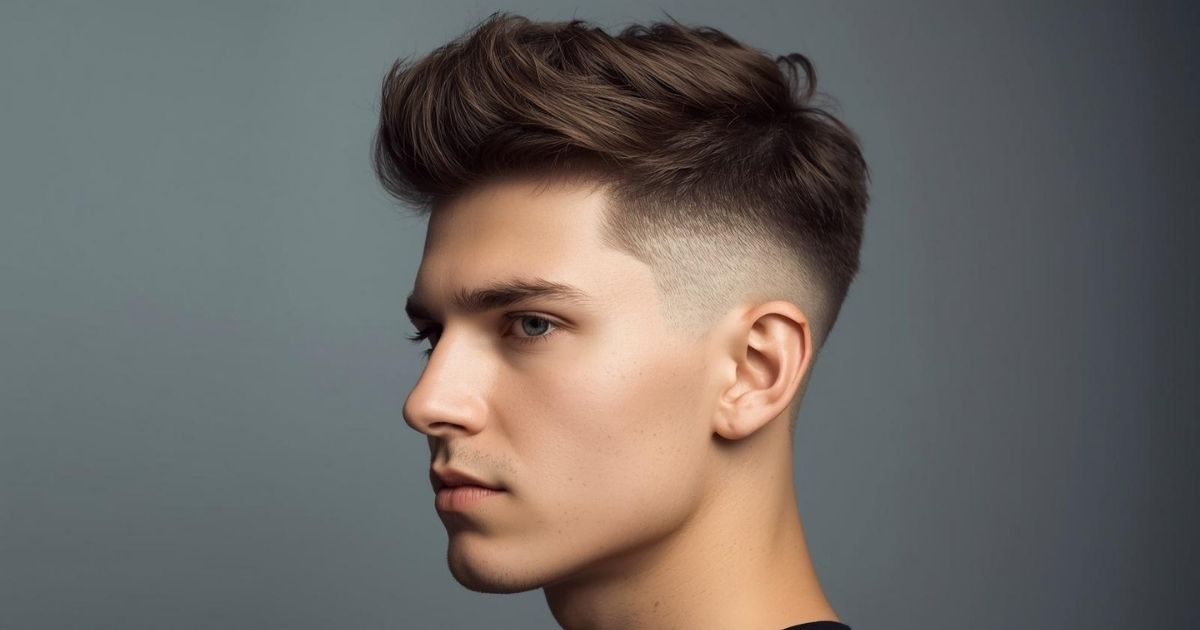
You want great hair. But every morning feels like a battle you keep losing. Sound familiar? The low taper fade fluffy hair look has taken over barbershops, social feeds, and school hallways for a reason. It’s clean on the sides, voluminous on top, and works for almost every guy out there. Whether your hair is curly, straight, or somewhere in between, this style adapts to you. It doesn’t demand hours in front of the mirror. Just the right cut, a few good products, and some simple know-how.
This guide gives you everything. From the barber chair to your bathroom shelf, you’ll walk away knowing exactly how to get, style, and maintain this look without second-guessing yourself.
What Is Low Taper Fade Fluffy Hair?
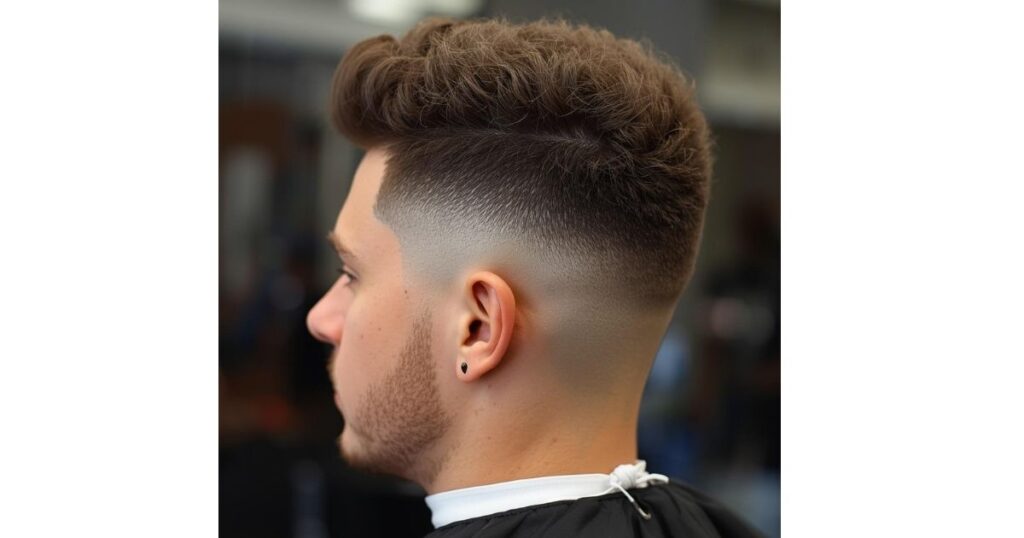
Think of it as two great things working together. The low taper fade is a gradual blend that starts just above the ear and fades down toward the neckline. It’s subtle. It’s sharp. And it doesn’t go all the way to the skin like a traditional skin fade. The “fluffy” part refers to the soft, lifted, cloud-like volume on top. It’s not slicked back. It’s not flat. It’s textured, airy, and full of life.
Together, they create a contrast that looks intentional and polished. The sides stay tidy while the top carries all the personality. This is why the low taper fade fluffy hair combination has become a staple in modern men’s hairstyle culture. It’s versatile enough for the office and bold enough for a night out.
Read More: The Ultimate Low Taper Fade Middle Part 2026 Guide to Effortless Style
Why Low Taper Fade Fluffy Hair Dominates 2026 Modern Men’s Haircut Trends
In 2026, men want hairstyles that are low-effort but high-impact. That’s exactly what this cut delivers. The cloud texture hairstyle trend exploded across barbershops worldwide, and the fluffy taper fade sits right at the center of it. Guys are moving away from stiff, over-gelled looks. Softness, movement, and natural volume are winning.
Social media played a huge role. When barbers started posting before-and-after videos of fluffy taper fades, the requests tripled overnight. And it’s not just aesthetics. Men’s layered haircuts and textured top hairstyles are also easier to manage day-to-day. You don’t need a professional blowout every morning. A little mousse, a diffuser, and some product knowledge go a long way.
Face Shape Compatibility Matrix (Updated for All Hair Texture Types)
Here’s the honest truth: this cut flatters almost everyone. But the way it’s customized matters.
If you have an oval face, you’re in luck. Almost any variation works, so don’t overthink it. Square faces benefit from slightly longer tops to soften the jawline. The added height creates visual balance. Round faces do well with more volume pushed upward and less width on the sides. Rectangular or oblong faces look great with moderate top length, nothing too tall.
For hair texture, curly hair naturally adds volume, so the fluffy top requires less product. Fine or straight hair needs a bit more work but responds beautifully to the right volumizing routine. Thick or coarse hair gives the most dramatic fluffy results but needs regular shape maintenance. The low taper haircut for all face shapes truly earns that title.
The Ultimate Clipper Maintenance Schedule and The Perfect Cut Breakdown
Phase 1: The Consultation
Before any clippers touch your head, talk to your barber. This step gets skipped way too often. Tell them you want a low taper fade, not a skin fade or drop fade. Show a photo if you can. Mention your hair type, how often you style it, and whether you want a hard part or a natural flow on top. A good barber asks questions. If yours doesn’t, guide the conversation yourself.
Discuss the top length. For the fluffy effect, you generally want at least two to three inches on top. Less than that and the fluff factor diminishes quickly. Also ask about fade graduation speed. A slower, more gradual fade looks softer and suits beginners well.
Phase 2: Execution (45–60 mins)
Your barber starts with the top, cutting and texturizing to build that lifted shape. Layering is key here. Choppy cuts at varying lengths allow hair to stand up naturally and hold volume without looking forced. Then comes the fade. Starting just above the ear, the clipper guard size gradually decreases as it moves downward. A soft shadow fade haircut effect is achieved by blending guards carefully, usually from a 3 or 4 down to a 0.5 near the baseline.
Scissor work over the comb refines the top. A good barber uses a diffuser or blow dryer to preview how the fluffy texture sits before finishing. That extra step separates a great cut from a good one.
Fluffy Hair Styling Tips by Hair Texture Types
Curly/Wavy (2C–4C)
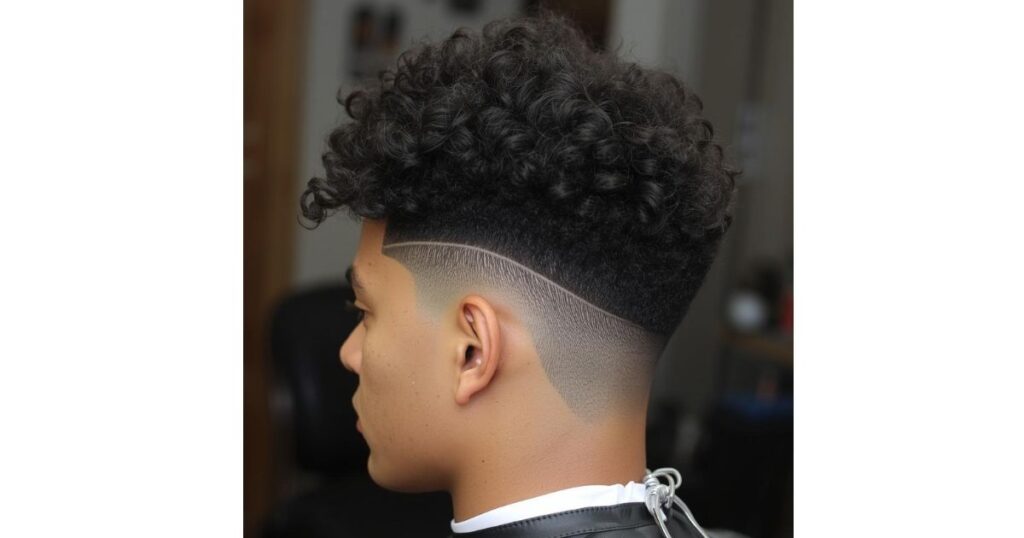
Curly and wavy hair types have a natural advantage here. Your coils already want to expand. Work with them. Apply a curl-defining cream or light mousse on damp hair. Scrunch upward, never press down. Use a diffuser on low heat to encourage volume without disturbing the curl pattern. Avoid towel rubbing. It creates frizz and collapses your natural shape. A microfiber towel or an old cotton t-shirt works far better.
Straight/Fine (1A–2A)
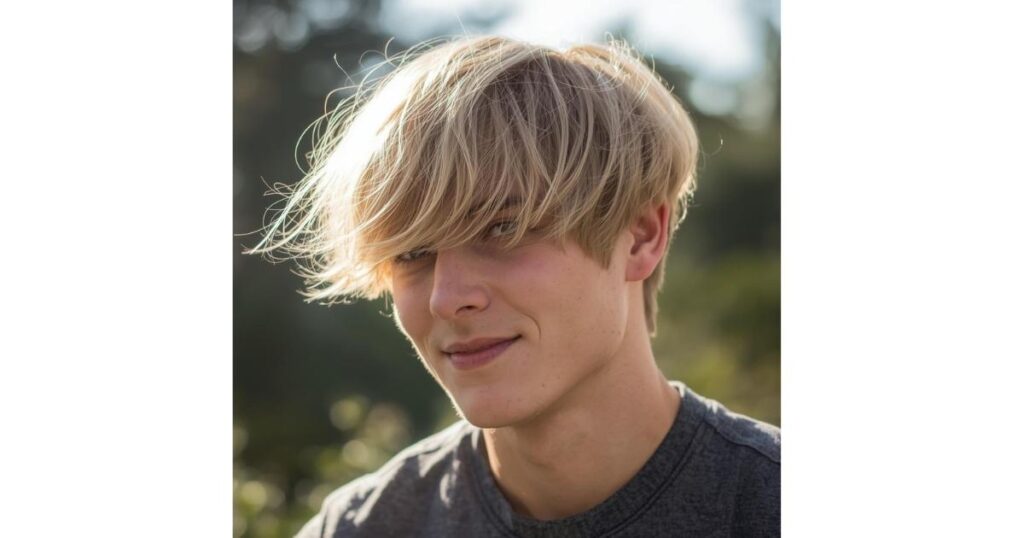
Straight hair needs a strategy. Start with a volumizing mousse on damp roots. Blow dry upward with a round brush or your fingers, pushing roots away from the scalp. This lifts the base and prevents the dreaded flat-top look. A light texturizing spray or sea salt spray adds grip and movement. Avoid heavy creams. They weigh fine hair down and undo all your work fast.
Thick/Coarse (3A+)
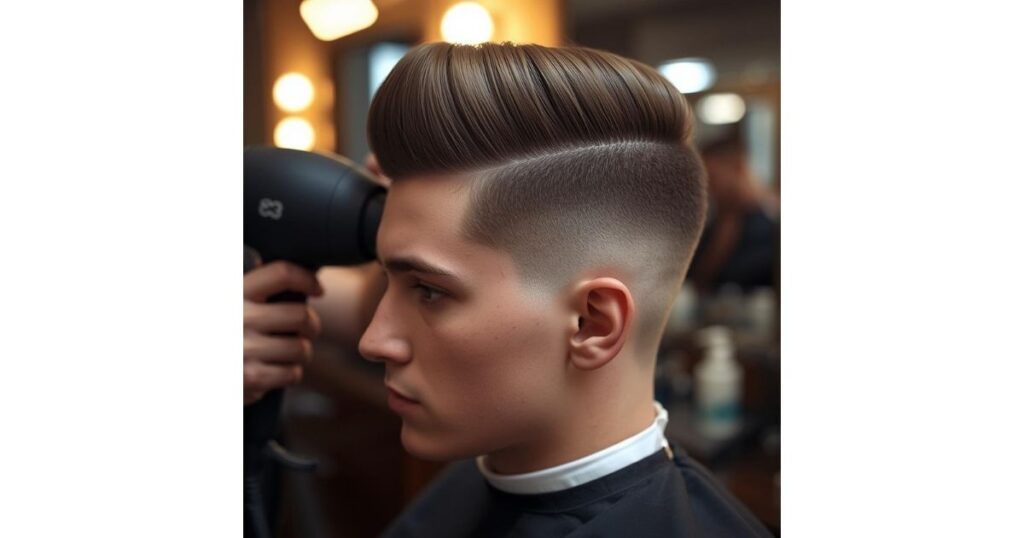
Thick hair gives you volume automatically. Your challenge is controlling it. Use a medium-hold styling cream to define the shape without puffing it out too much. Blow dry with a paddle brush to smooth while still maintaining height. Finish with a light pomade or matte clay to seal the style and reduce excess bulk. A little goes a long way with thick hair.
Product Laboratory: 2026’s Top Volumizing Hair Routine Performers
The best products for fluffy hair men in 2026 focus on hold without heaviness. Here’s what’s performing well:
Volumizing mousses from brands like Kenra and Not Your Mother’s have earned loyal followings for giving straight hair real lift. Sea salt sprays add texture and grip to any hair type. They’re especially useful if you want that effortless, just-off-the-beach fluffy look. Lightweight pomades and matte clays from American Crew and Layrite offer shape without stiffness. And for curly types, Cantu’s curl-activating cream remains a go-to for definition and moisture balance.
Avoid anything labeled “maximum hold” unless you want your fluff to turn into a helmet. The goal is movement, not sculpture.
Barbershop Maintenance Schedule (Never Let Fluff Collapse)
The fade haircut maintenance routine is simple but non-negotiable. Fades grow out fast. Within two weeks, the clean contrast between sides and top starts to blur. For a sharp, fresh look, aim for a barber visit every two to three weeks. If you’re on a budget, stretch it to four weeks max. Beyond that, the style loses its structure.
Between visits, keep the top moisturized and styled daily. A dry scalp kills volume. Use a lightweight leave-in conditioner or hair oil on the ends two to three times a week. Trim split ends if needed. The sides will look grown-out before the top does, so keep that in mind when scheduling.
Taper Fade vs Drop Fade vs Skin Fade: The 2026 Comparison
Understanding the difference saves you from leaving the barber with the wrong cut.
The taper fade blends gradually and ends above the natural hairline. It’s the most versatile and suits nearly every face shape and occasion. The drop fade follows the curve of the head downward behind the ear, creating a more dramatic, rounded silhouette. It works beautifully with curly hair and bold top styles. The skin fade goes all the way to the scalp, creating a stark contrast. It’s bold, edgy, and requires more upkeep.
For the fluffy cloud look, the low taper fade wins. The softer graduation lets the top volume shine without competing with an aggressive side contrast.
Cultural Impact & Evolution of Modern Men’s Haircut Trends
The fluffy taper fade didn’t appear from nowhere. It evolved through decades of barbershop culture, influenced by Black and Latino communities who pioneered textured fade techniques. In the early 2000s, waves and tapers dominated. By the 2010s, undercuts and pompadours took over. Then texture arrived. The push for natural, voluminous, identity-driven hairstyles brought the fluffy fade into the spotlight.
Today, it crosses cultural and generational lines. You’ll spot it on K-pop artists, NBA players, TikTok creators, and high school kids all in the same week. The style communicates something without words: effortless confidence.
Advanced Variations for 2026 Modern Men’s Haircut Trends
The Low Taper Fluffy Edgar: Mexican Forward Fringe + Cloud Crown
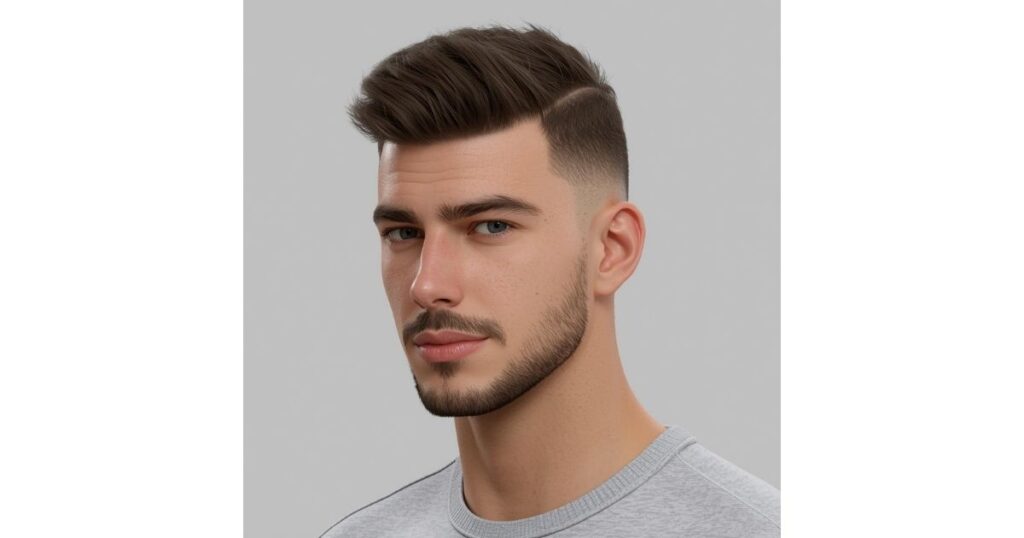
The Edgar combines a blunt, straight-across fringe with a fluffy crown. It’s sharp in the front and airy on top. Mexican barbershop culture gave birth to this look, and it’s gone fully global. Pair it with a low taper and the contrast is striking.
Bleached Fluffy Taper: Platinum Top, Dark Roots (Olaplex Mandatory)
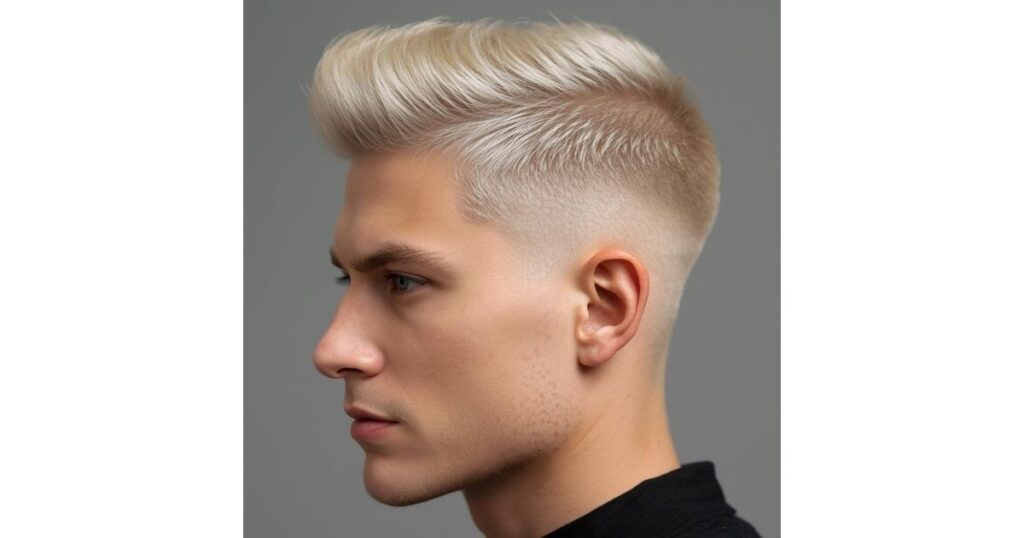
Bleaching adds a dramatic visual layer to the fluffy fade. The platinum top against dark, tapered sides creates a color contrast that mirrors the cut’s structural contrast. Olaplex or a similar bond-repair treatment is not optional here. Bleach weakens the hair shaft and reduces natural volume. Protect first, style second.
Women’s Low Taper Fluffy Pixie: Same Fade, Shorter Textured Top
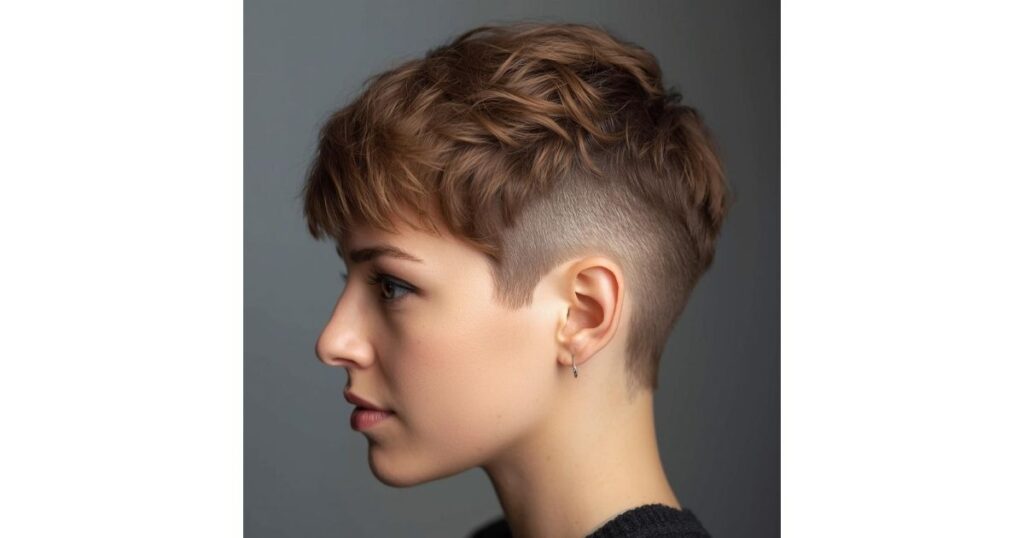
This variation proves the style isn’t gender-exclusive. A shorter textured top with a soft low taper gives women a bold, structured look without sacrificing femininity. It works especially well for those with natural curl patterns or fine hair seeking lift.
Teen Fluffy Taper: School-Approved 3-Inch Top
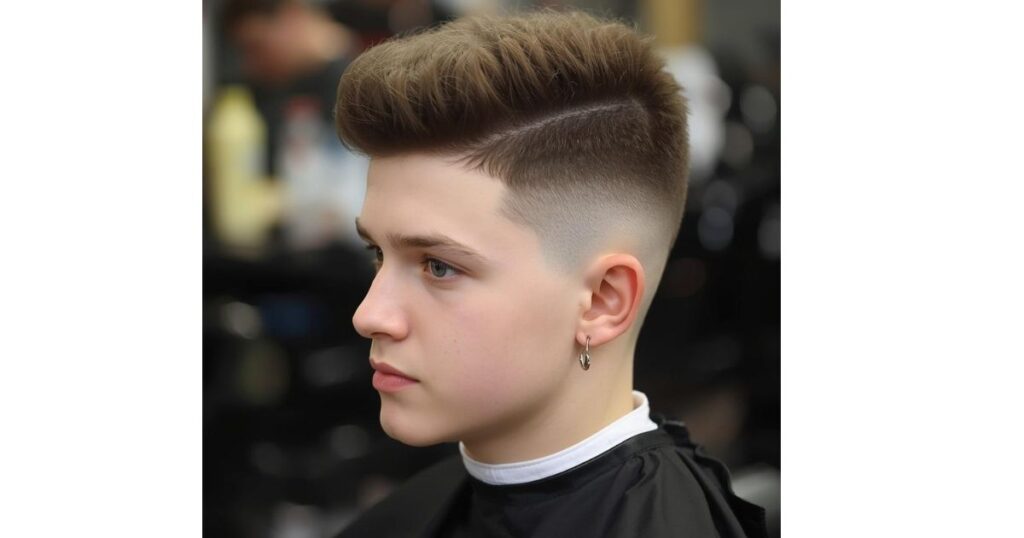
Three inches of fluffy texture on top keeps things age-appropriate without sacrificing style. It’s manageable, works for most school dress codes, and looks genuinely cool. Teenagers gravitate toward this variation for exactly that balance.
Seasonal Volumizing Hair Routine Adaptations
Summer heat flattens hair. Humidity is volume’s worst enemy. Switch to anti-humidity sprays and lighter products during warm months. Avoid heavy creams entirely. Keep a small travel-size texturizing spray in your bag for midday refreshes.
Winter brings dryness. Cold air strips moisture from hair, leading to frizz and breakage. Amp up your conditioning routine from October through March. Use a deep conditioning mask once a week. Your fluffy texture depends on hydrated, healthy hair. Without moisture, volume collapses no matter how good your products are.
Spring and fall are the easiest seasons. Moderate temperatures mean your styling products behave more predictably. This is a great time to experiment with new techniques or try a variation of your current style.
FAQ’s
What is low taper fade fluffy hair?
It’s a haircut that combines a gradual low fade on the sides with soft, lifted, textured volume on top. The result is clean, modern, and versatile.
How long should fluffy hair be on top for a taper fade?
Aim for at least two to three inches on top. Anything shorter and the fluffy volume effect becomes hard to achieve consistently.
Is a low taper fade good for all face shapes?
Yes, with slight customizations. Oval faces suit any version. Round faces benefit from more upward volume. Square faces look great with moderate top length to soften strong jawlines.
How often should you get a taper fade touched up?
Every two to three weeks keeps the fade sharp. At four weeks, the contrast starts fading noticeably. Waiting longer than that flattens the whole style.
What are the best products for maintaining fluffy hair?
Volumizing mousse, sea salt spray, and lightweight matte clay are your top three. Avoid heavy gels or maximum-hold products that weigh hair down and eliminate natural movement.
Final Thoughts
The low taper fade fluffy hair style earns its popularity every single day. It’s clean, adaptable, and genuinely flattering across hair types, face shapes, and age groups. You don’t need an expensive routine or an hour-long morning ritual. You need the right cut, a barber who listens, and a handful of reliable products that suit your texture.
Start with the consultation. Get the cut right. Then build your home routine around what your hair actually needs, not what some generic guide says you should use. Once you find your rhythm, this style practically maintains itself. And that’s exactly why it keeps dominating the barbershop floor year after year.