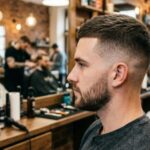

The boys mullet haircut has moved well past trend status. It now sits alongside the fade and the crop as one of the most requested cuts at kids’ barbershops, and 2026 is shaping up to be its biggest year yet. Parents like it because the sides stay short and tidy for school, and kids like it because the back gives them something a plain buzz cut never could: personality.
This guide walks through what the modern version actually looks like, how to pick the right one for your son’s hair and lifestyle, twelve of the best variations barbers are cutting right now, and exactly how to keep it looking sharp between visits.
What Is a Boys Modern Mullet
A boys modern mullet keeps the classic short front and long back shape, but softens it for real life. Instead of one dramatic length jump, today’s version blends the sides with a taper or fade, leaves manageable texture on top, and tapers the back into a shorter tail rather than a long, stringy one.
The result reads less like a costume and more like a genuine haircut. That’s the biggest shift from the 1980s original: less shock value, more shape. A well cut modern mullet still passes most school dress codes because the length lives mainly in the back and crown, not in an unruly mass all over the head.
How to Choose the Right Version
Not every mullet suits every kid, and the right pick usually comes down to four things.
- Hair type. Curly and wavy hair carries a mullet’s texture naturally and often needs less styling effort. Straight hair holds a sharper, cleaner line but can look flat in the back without some layering.
- Age. Younger boys generally do better with a shorter, closer version that’s easy to manage and grows out without looking messy. Older kids and tweens can handle more length and a bolder fade.
- Activity level. If your son plays sports or sweats through recess daily, ask for sides that sit cleanly under a helmet or cap and a back length that won’t get in his eyes.
- Face shape. Rounder faces benefit from added height on top to balance the width. Square or angular faces can carry almost any version, including bolder fades, since strong bone structure holds sharp lines well.
A quick conversation with your barber about these four points before the clippers come out saves a redo two weeks later.
The Best Boys Mullet Haircut Variations
1) Classic Boys Mullet

This is the version every other style on this list borrows from: short sides, short top, longer back with no dramatic fade. It’s low maintenance, grows out evenly, and works as a safe starting point for a kid trying the style for the first time.
2) Boys Mullet Fade

Swap the plain short sides for a skin or mid fade and the same basic shape suddenly looks sharper and more intentional. The fade creates contrast against the longer back, which is what most boys picture when they ask for “a mullet” by name.
3) Short Mullet Haircut Boy

A shorter take on the style, with a shallow length gap between the top and the back. This version suits younger boys, fine hair that can’t hold much weight, or families easing into the cut without committing to serious length.
4) Curly Boys Modern Mullet

Curls add natural volume and texture, so this version usually skips the skin fade in favor of a softer taper that doesn’t fight the curl pattern. Keep the back trimmed with scissors rather than clippers to preserve the shape of each curl.
5) Boys Modern Mullet Straight Hair

Straight hair holds a crisp line but can look thin or flat in the back if it’s cut too evenly. Barbers usually add choppy, point cut layers through the back section to build in movement that straight hair doesn’t create on its own.
6) Tapered Modern Mullet Haircut Boy

A taper blends the sides gradually into the top instead of cutting a sharp fade line. It grows out more gracefully than a fade, which makes it a practical pick for families stretching trims a bit longer between appointments.
7) Burst Fade Boys Mullet Haircut

The burst fade curves around the ear instead of cutting straight across, then flows into the longer back. It works especially well on thick hair, since the curved fade removes bulk exactly where it tends to build up, and it has a custom, tailored look most boys notice right away.
8) Sporty Medium Mullet

Built for kids who are in and out of practice gear all week. Sides stay tight enough for helmets and headbands, the top has just enough length to push back with fingers, and the back stays at a medium length that won’t whip around during a game.
9) Wavy Surfer Mullet for Boys

A relaxed, beachy take that leans into natural wave and doesn’t ask for much daily effort. A little sea salt spray on damp hair and a quick scrunch is usually all it needs to look finished.
10) Fringe Mullet

A longer front section sweeps down into a soft fringe, which frames the face and works particularly well on boys with strong or angular features. It pairs naturally with a low fade or taper on the sides.
11) Low Fade Modern Mullet

The fade sits right at the ear instead of climbing higher up the head, leaving more length above for a gentler blend. It’s polished rather than flashy, suits most hair types, and gives a bit of edge without looking loud in a school photo.
12) Longer Back, School Safe

For families navigating a dress code, this version keeps the back at a moderate, collar length rather than dramatic length, while the sides stay clean and short. It reads as a neat, styled haircut rather than an obviously grown out one, which tends to satisfy most school policies.
Quick Age and Care Guide
| Age Group | Best Style Type | Trim Frequency |
|---|---|---|
| Toddler (2 to 4) | Soft taper, minimal length gap | Every 6 to 8 weeks |
| Young kid (5 to 9) | Classic or short mullet | Every 4 to 6 weeks |
| Tween (10 to 12) | Fade or textured crop mullet | Every 3 to 5 weeks |
| Teen (13+) | Fade, burst fade, or fringe mullet | Every 3 to 4 weeks |
Younger boys generally do better with a shorter, tidier shape that’s easy to sit still for, while teens can handle more length and a stronger fade since they’re better at managing daily styling on their own.
Daily Styling That Kids Can Do
A boys mullet only stays low maintenance if the daily routine is genuinely simple. Most kids can manage it in under two minutes with the right approach.
- Start with slightly damp hair, not soaking wet, since it’s easier to control.
- Add a small amount of styling cream or texture paste, about the size of a pea, and rub it between the palms first.
- Work the product through the top and back with fingers rather than a comb for a more natural, less “combed down” finish.
- For curly or wavy hair, scrunch upward instead of pulling down to keep the natural texture intact.
- Push the front section up and back for a bit of height, or leave it forward for a softer look, depending on the day.
For fine or straight hair, a light hold cream works better than a heavy paste, which can weigh the top down. For thicker or curly hair, a curl cream or light gel helps define texture without stiffness.
Care and Upkeep
The back and crown are the sections that need the most attention between trims, since that’s where the length lives.
- Wash two to three times a week rather than daily. Overwashing strips natural oils, which can leave longer hair looking dry and frizzy in the back.
- Condition every wash, especially for wavy and curly types, to keep the longer section soft and manageable rather than tangled.
- Brush or comb the back gently before bed to prevent knots from forming overnight, particularly with finer hair.
- Trim on schedule even if the length looks fine. The sides and top grow out of shape well before the back does, and a mullet that’s overdue for a trim starts looking like an accident rather than a style choice.
- Watch for split ends on longer back sections. A quick dusting trim every few visits keeps the tail looking healthy instead of scraggly.
Barber Talk That Works
Knowing the right words to use at the chair saves a lot of back and forth, and helps a barber deliver exactly what you pictured.
- For a classic request: “Keep the sides tight, add length in the back, and blend it with a fade.”
- For added texture: “Leave the top a bit choppy, don’t make it too clean.”
- For a first fade on a younger kid: “Soft taper, nothing too sharp, this is his first fade.”
- For curly hair: “Soft layers through the back, close on the sides, don’t over-thin the curl.”
- For straight hair: “Add some choppy layers in the back so it doesn’t sit flat.”
- For length: say “just above the collar” rather than “a little long,” since barbers work better with specific measurements than vague descriptions.
Bringing a photo reference helps too, but mentioning your son’s actual hair type and lifestyle lets the barber adjust the technique to what’s realistically growing out of his head, not just the photo.
Frequently Asked Questions
What age is appropriate for a boys mullet haircut?
There’s no strict minimum. Toddlers as young as two can wear a soft version, while the bolder fades and fringe styles tend to suit tweens and teens better.
How long does it take to grow a boys mullet?
Starting from a short cut, the back usually needs three to five months to reach a noticeable mullet length, depending on natural hair growth rate.
Will a mullet pass a school dress code?
Most schools accept the shorter, blended versions like the classic mullet or longer back school safe style, since the sides stay short and neat. Always check your school’s specific policy first.
What’s the best mullet for a boy with curly hair?
A curly mullet with soft layers in the back and close sides works best. It lets the natural curl pattern show without adding unnecessary bulk.
How often should a boys mullet be trimmed?
Every three to six weeks depending on age and hair type, with younger kids and finer hair generally needing slightly more frequent trims to keep the shape clean.
Does a mullet work for thick or fine hair?
Yes, both work well. Thick hair benefits from thinning shears to reduce bulk in the back, while fine hair does better with shorter layers on top to avoid looking flat.
Conclusion
The boys mullet haircut earns its spot as one of the top picks for 2026 because it genuinely works across ages, hair types, and lifestyles. It’s school friendly when kept blended, sport friendly when the sides stay tight, and flexible enough to grow from a simple classic cut into a bolder fade or fringe once your son knows what he likes.
Start with a shorter, safer version if he’s new to the style, keep trims on schedule, and communicate clearly with the barber using the phrases above. That combination is really all it takes to keep a boys mullet looking sharp, intentional, and easy to live with between appointments.

Charlotte Aiden is the founder and editor of FaxhionTips.com, where he shares practical insights on the latest haircut trends, hairstyles, grooming tips, and hair care advice. Passionate about modern style and easy-to-follow beauty guidance, Charlotte creates well-researched content to help readers choose the best haircuts and maintain healthy, stylish hair with confidence.