If there’s one haircut that refuses to leave the spotlight, it’s the low taper fade curly hair. Walk into any barbershop right now and you’ll hear it requested dozens of times a day — and for good reason. This cut delivers sharp, clean structure at the sides while letting your natural curls own the top. The result? A look that moves effortlessly between a Monday morning meeting and a Saturday night out without missing a beat.
In this guide, you’ll get everything you need: the best 2026 variations, a step-by-step barber conversation script, a curl-type product matrix, DIY clipper tips, a maintenance calendar, and more. Whether you’re rocking loose 2A waves or tight 4C coils, there’s a low taper fade here built for your texture.
What Exactly Is a Low Taper Fade Curly Hair?
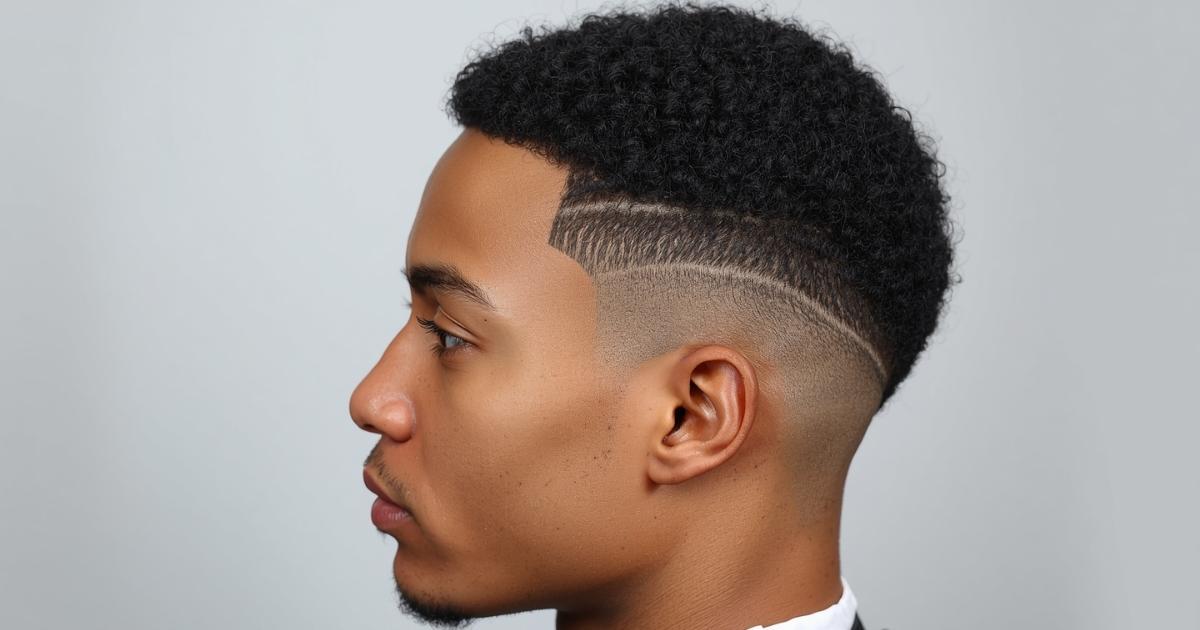
A low taper fade curly hair is a men’s haircut where the sides and back are gradually shortened starting just above the ears and at the neckline, blending smoothly upward into longer, natural curls on top. The fade is “low” because it begins at the lowest point of the head — unlike mid or high fades that start at the temple or above.
This isn’t a bald sides situation. The taper creates a soft gradient that transitions from skin or near-skin at the bottom to full-length curls on top, giving you contrast without aggression.
Key Visual Differences
| Feature | Low Taper Fade | Mid Fade | High Fade |
| Fade start point | Just above ears/neckline | At the temple | Above the temple |
| Skin exposure | Minimal | Moderate | Maximum |
| Grow-out grace period | 3–4 weeks | 2–3 weeks | 1–2 weeks |
| Best for curly hair | Yes, excellent | Yes, moderate | Needs skilled barber |
| Formality level | Casual to professional | Streetwear to smart | Bold/fashion-forward |
The low taper fade preserves more hair volume around the sides, which is critical for curly textures. Higher fades can create a “lollipop” silhouette where the curls sit oddly elevated without enough surrounding hair to anchor the shape.
Why Curly-Haired Guys Are Obsessed with Low Taper Fade Curly Hair in 2025
Google Trends data shows search volume for “low taper fade” jumped dramatically over the past year, driven by NBA players, TikTok tutorials, and the viral “Ninja low taper fade” meme. But the obsession goes deeper than trends.
Here’s why this cut keeps winning:
- Natural curl retention. Keeping the fade low means more curl length survives on top, so your spirals bounce the way they’re supposed to.
- Frizz control without sacrifice. The structured sides reduce the visual chaos around the crown, making natural texture look intentional instead of unkempt.
- Universal adaptability. Works for Type 2A beach waves all the way to Type 4C coils with the right barber technique.
- Low maintenance grow-out. Because the gradient starts low, it grows out more gracefully than high or skin fades — meaning fewer emergency barber visits.
- Office-to-weekend versatility. The clean neckline reads professional; the curly crown reads creative. It bridges both worlds without compromise.
- Cultural resonance. For Black men in particular, this cut honors natural texture heritage while staying sharp and contemporary.
How to Ask A Barber for the Perfect Low Taper Fade Curly Hair Step-by-Step
Poor communication is the number one reason guys leave the barbershop disappointed. Walk in prepared and walk out exactly how you pictured it.
Step 1: Say the fade placement clearly. “I want a low taper fade — starting just above my ears and at the neckline.”
Step 2: Specify the bottom. “Take it down to a 0.5 or 1 at the very bottom, then blend up — I don’t want it completely bald.”
Step 3: Describe the top. “Leave the top at about three to four inches so my curls can sit naturally. Don’t thin them out too much.”
Step 4: Request the neckline style. “Square off the neckline” or “Keep the neckline natural and rounded.”
Step 5: Show a photo. Bring one reference image from your phone that matches your actual curl pattern, not someone with a completely different texture.
Pro Reference Tips
- Tell your barber your curl type (2A through 4C) — experienced barbers will adjust guard numbers accordingly.
- Mention if you want a hard part, line-up, or beard blend at the same visit.
- If it’s your first visit with a new barber, ask them to check in before going shorter than a #1 guard.
- Note if you have an irregular or asymmetrical hairline — this affects where the taper starts on each side.
12 Low Taper Fade Curly Hair Variations Trending in 2026
1. Classic Curly Low Taper Fade
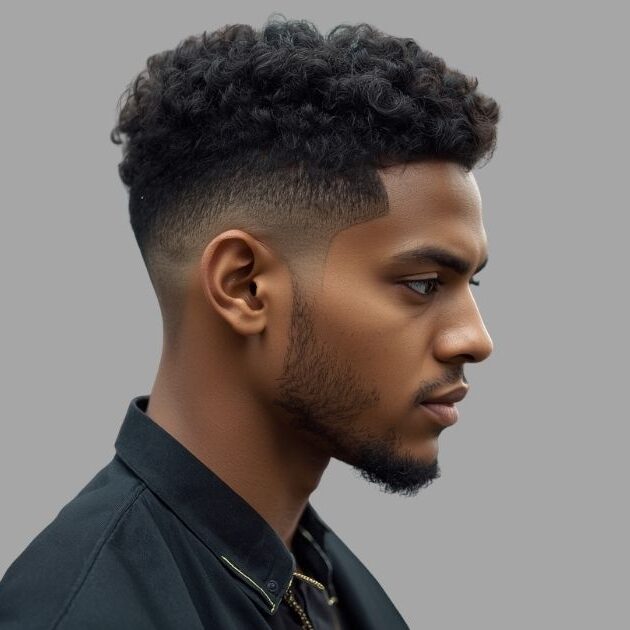
The foundation. Natural curls on top, clean fade just above the ears. Works for every curl type. Timeless, low-maintenance, and workplace safe.
2. Curly Blowout Taper
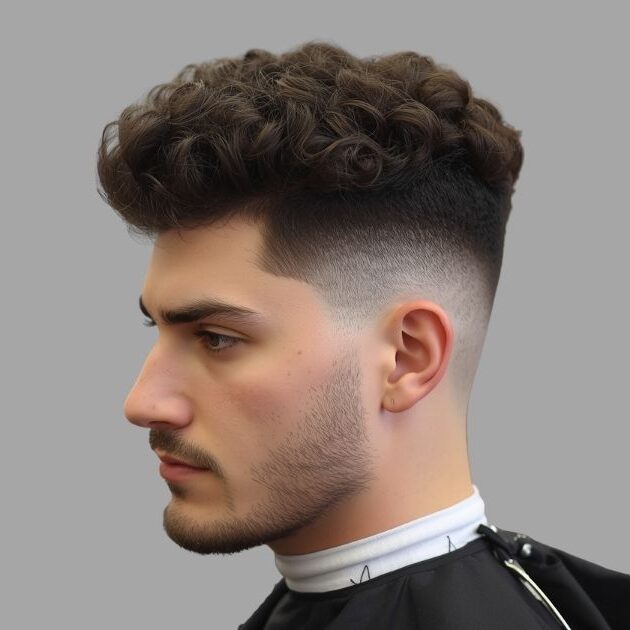
Curls are blown out for maximum volume and height before being diffuser-dried. The top becomes a cloud of texture while the clean taper provides a sharp contrast base.
3. Low Taper Fade with Hard Part
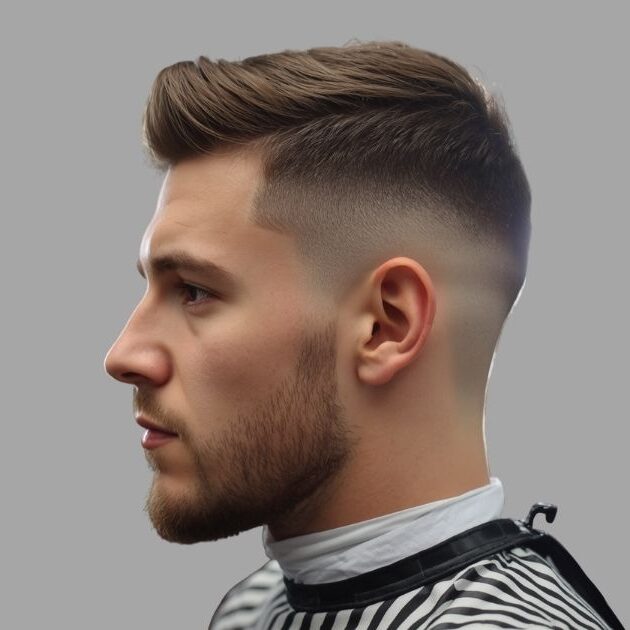
A razor-cut line creates a sharp definition on one side, giving structure to otherwise free-flowing curls. Best for medium to tight curl patterns (Type 3A–4A).
4. Broccoli Cut Taper
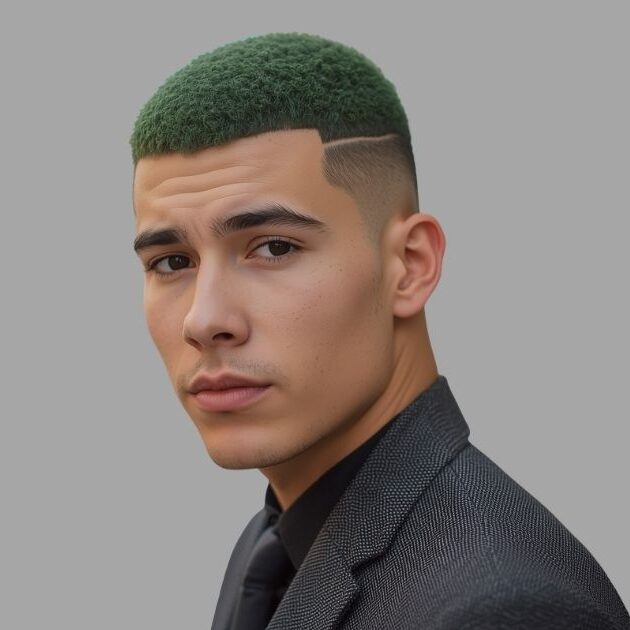
Round, puffy curls on top sit over faded sides — the street-style favorite dominating Gen Z. Use a diffuser and curl cream for maximum roundness.
5. Curly Fringe Taper
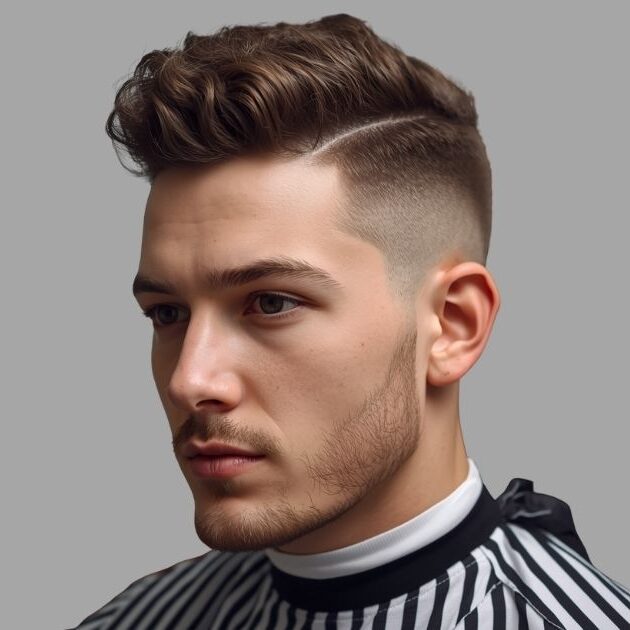
Curls fall forward over the forehead while the sides taper cleanly. Heavy in TikTok trend cycles for 2026. Works best on oval and heart-shaped faces.
6. Low Drop Fade Curly
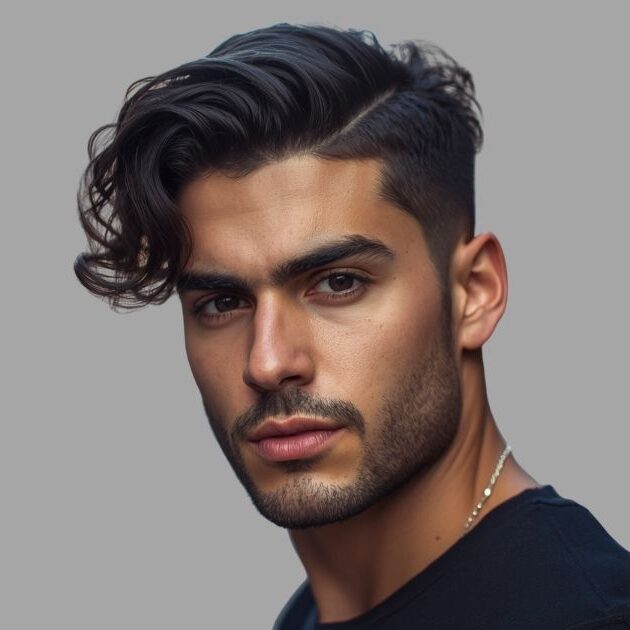
The fade line curves downward behind the ear instead of running straight across. Adds shape and dimension, particularly flattering for guys with a flatter head profile.
7. Curly Mullet Taper
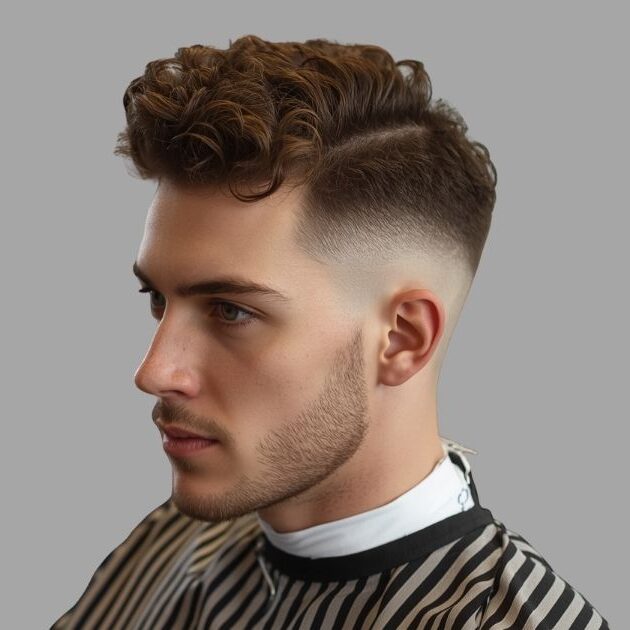
Curls stay longer in the back for a retro-meets-modern mullet effect. Bold, highly photogenic, and trending for festival and streetwear looks.
8. Low Taper with Lineup and Curls
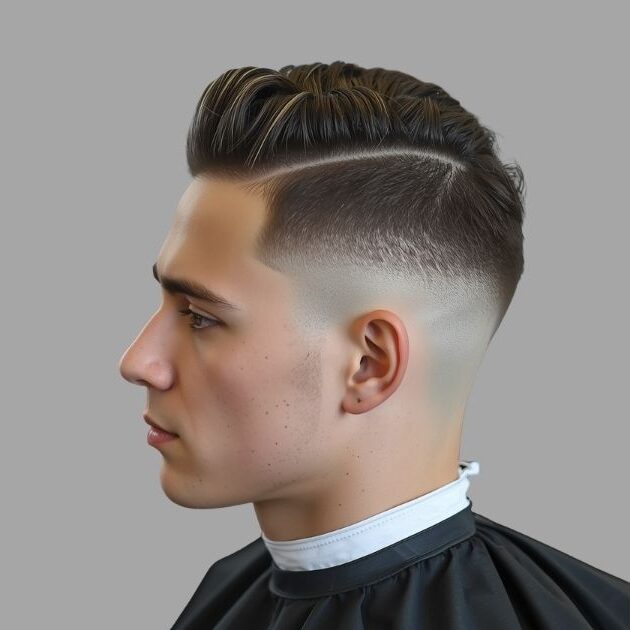
A crisp lineup at the hairline and temples frames the curls with geometric precision. Especially popular for Black men who want clean edge definition.
9. Taper Fade Curly Top Knot
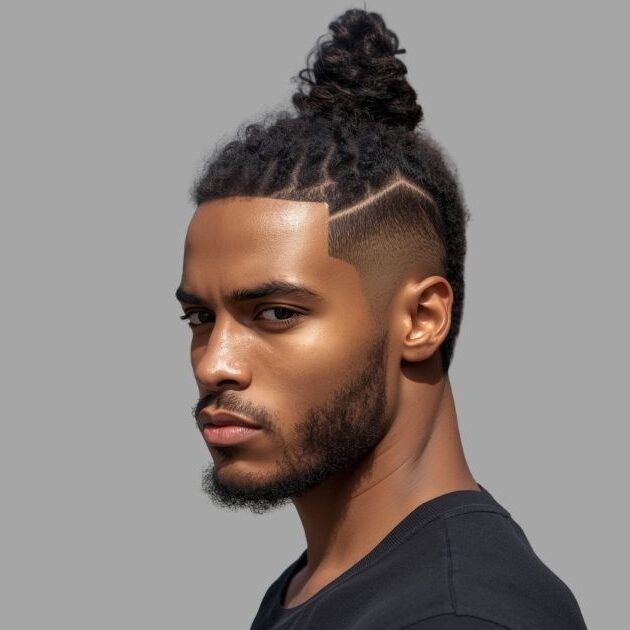
Medium-to-long curls pulled into a loose bun or top knot. The taper keeps the sides disciplined while the knot showcases length and texture.
10. Low Taper Fade with Beard Blend
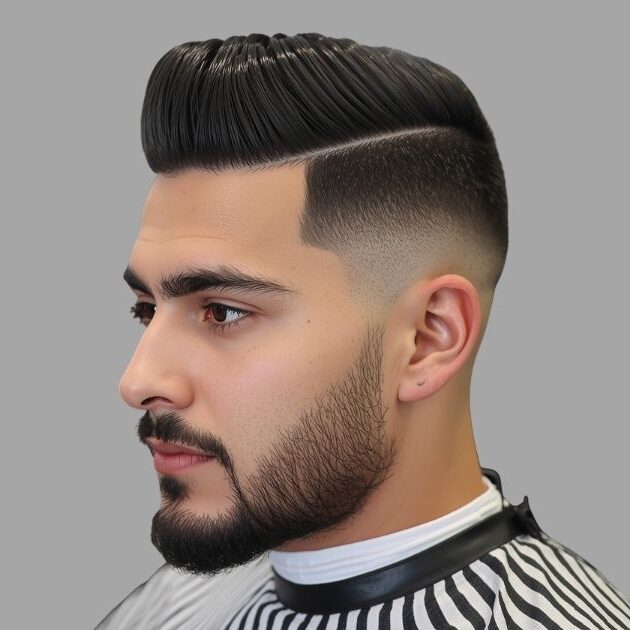
The fade transitions seamlessly into a shaped beard, connecting neckline to jawline for a cohesive, mature grooming statement.
11. Afro Taper Fade
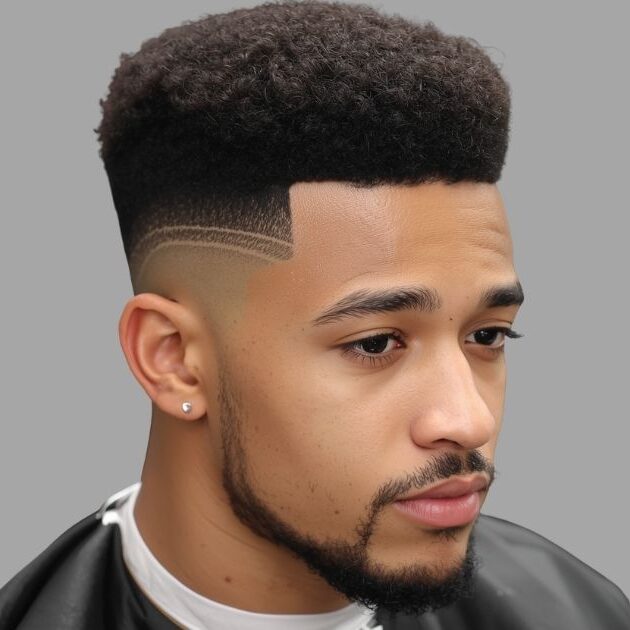
The taper is applied to a shaped afro, creating a defined silhouette with rounded volume on top and clean sides. Classic and enduring for Type 4 hair.
12. Curly Side Sweep Taper
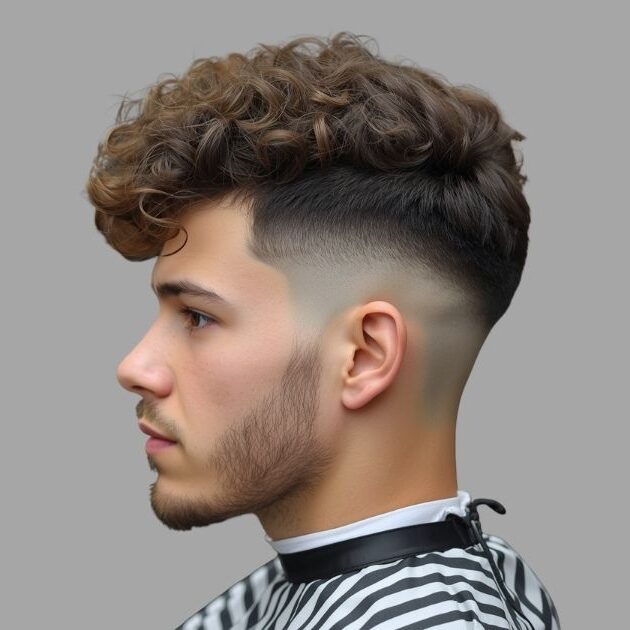
Curls are styled to fall and sweep to one side while the opposite side is tapered tighter. Creates asymmetry and a fashion-forward edge without going extreme.
Face Shape Matching Chart
| Face Shape | Recommended Variation | What to Avoid |
| Oval | Any variation — most flexible | Nothing, all styles work |
| Round | Curly blowout, afro taper (adds height) | Heavy side volume at the ears |
| Square | Curly fringe, soft drop fade | Hard geometric lines that overpower jawline |
| Diamond | Classic curl taper with fringe (adds forehead width) | Very high tops with no fringe |
| Heart | Curly sweep to the side, low drop fade | Tight short tops that expose forehead |
| Oblong/Rectangle | Curly fringe taper, side sweep (adds width) | Tall blowout styles that add more height |
Daily Styling Routine for Low Taper Fade Curly Hair (Under 10 Minutes)
You don’t need an hour in the bathroom. Here’s a realistic routine that keeps your curls fresh and your fade looking clean.
Morning Refresh (Dry Hair)
- Lightly mist curls with a water-and-leave-in-conditioner mix in a spray bottle.
- Scrunch gently from the ends upward to reactivate curl memory.
- Apply a small amount of curl cream or curl refresher and scrunch again.
- Diffuse for two to three minutes on low heat, or let air dry while you get dressed.
- Once dry, break the cast by scrunching out any crunchiness.
- Edge up the hairline with a handheld trimmer if needed (clean, don’t reshape).
Total time: 5–7 minutes.
Wash Day (2–3 Times Weekly)
- Co-wash or use a sulfate-free shampoo depending on your scalp needs.
- Deep condition for five minutes minimum — curls need moisture to define properly.
- Apply leave-in conditioner on soaking-wet hair.
- Section and apply curl cream or gel, then scrunch upward.
- Diffuse on medium heat until about 80% dry.
- Finish air drying, then scrunch out the cast.
- Apply a light oil to seal moisture (argan or jojoba work well on most textures).
Total time: 20–25 minutes including drying.
Curl-Type Product Matrix (2A–4C)
| Curl Type | Description | Best Products | Styling Method |
| 2A–2B | Loose, beachy waves | Sea salt spray, light mousse | Air dry or diffuse |
| 2C–3A | Defined wavy spirals | Curl cream, light gel | Scrunch and diffuse |
| 3B | Springy, voluminous curls | Curl defining cream, medium-hold gel | Praying hands method + diffuse |
| 3C | Tight corkscrews | Heavy cream, flaxseed gel | Rake through + diffuse |
| 4A | Soft coils | Shea butter cream, defining gel | Shingling or L.O.C. method |
| 4B–4C | Tight, dense coils | Thick leave-in, butter, oil | Stretch-and-go or braid-out |
Universal tip: Apply all products on soaking-wet hair — never on dry hair — for maximum definition and curl memory.
How Much Does a Low Taper Fade Curly Hair Cost in 2026?
Pricing varies based on location, barber experience, and whether you’re adding extras like a lineup or beard blend.
- Budget barbershop (smaller cities/suburbs): $20–$35
- Mid-range barbershop (urban areas): $35–$55
- Premium/specialty curl barber: $55–$90
- Lineup or beard blend add-on: $10–$20 extra
- Color/highlights included: $60–$150+
A general barber charges less, but a curl-specialist barber — someone who understands how texture behaves when cut — is worth every extra dollar, especially for Types 3C through 4C. One bad cut on coily hair can take months to grow back into shape.
Frequency cost estimate: At every 2–3 week visits, budget between $60–$200 per month depending on your city and barber tier.
DIY Low Taper Fade Curly Hair at Home: Clipper Guards & Angles
DIY is possible but requires patience and the right tools. Here’s a starting framework if you want to clean up between barber visits — not replace professional cuts entirely.
Tools you need:
- Quality cordless clippers (Wahl Magic Clip or Andis Master)
- T-blade trimmer for edging
- Handheld mirror and large wall mirror
Guard Guide for the Taper Zone:
- Sideburn area (lowest point): #0 or #0.5
- First blend zone (just above): #1
- Second blend zone: #1.5 or #2
- Transition into full hair: #3 or open lever
Technique notes:
- Work upward with short, flicking strokes at the end of each pass — this creates the gradual blend.
- Switch to a shorter guard without removing the previous length; overlap by about half an inch for soft transitions.
- Never go above the occipital bone with a 0 guard if you’re inexperienced — it’s easy to take too much.
- Clean the neckline straight or slightly curved with your trimmer, following your barber’s original line.
When to stop and call a barber: If you see a visible step or line between two guard lengths, stop. Blending out a bad home fade is harder than just letting it grow slightly and visiting a professional.
Low Taper Fade for Thinning Curly Hair
Thinning hair and curly texture together require a thoughtful approach. Here’s what actually helps:
- Choose a soft taper over a skin fade. Skin fades expose the scalp and amplify the appearance of thinning. A low shadow taper keeps coverage at the sides.
- Ask for point cutting on top. This technique removes bulk and weight without reducing length, making thinner curls appear more voluminous and intentional.
- Avoid over-thinning the crown. Some barbers use thinning shears too aggressively on curly hair. Request that they don’t.
- Product picks for volume: Mousse applied upside-down while soaking wet builds lift at the roots. Avoid heavy butters and thick creams that weigh fine curls down.
- Scalp health matters. Regular scalp massages with lightweight oils (peppermint or rosemary oil) stimulate circulation and support healthier regrowth.
Hair Porosity Test + Product Match
Hair porosity affects which products actually work on your curls. Here’s a fast test:
The Float Test: Drop a clean strand of hair into a glass of room-temperature water. Watch for 2–4 minutes.
- Sinks quickly: High porosity — your cuticle is open and absorbs moisture fast but loses it just as quickly.
- Floats in the middle: Normal porosity — ideal balance of absorption and retention.
- Floats on top: Low porosity — your cuticle is tightly closed, making it hard for moisture to enter.
| Porosity | Best Products | Application Tips |
| Low porosity | Light water-based creams, aloe vera gel | Apply with heat (steam or warm diffuser) to open the cuticle |
| Normal porosity | Most curl creams and gels | Standard application works well |
| High porosity | Heavier creams, shea butter, sealing oils | Use L.O.C. method (Liquid, Oil, Cream) to lock in moisture |
Grow-Out Stages: Week 1–8
Week 1–2: Fresh cut. Fade is crisp, curls are defined, and the contrast is at its sharpest. This is peak look.
Week 3: Sides start to soften. The gradient becomes slightly less defined but still looks clean and intentional. Most guys still skip a barber visit here.
Week 4: The low fade’s advantage kicks in — because it starts low, the grow-out is less dramatic than a high or mid fade. You can often stretch to here without anyone noticing.
Week 5–6: Sides have filled in noticeably. The taper line is less visible. Curls on top are longer, which can be a bonus or a challenge depending on your curl pattern.
Week 7–8: At this point, you’re approaching a full reset territory. The fade has largely grown out. This is actually a great window to reassess: go back to the same cut, or ask your barber to evolve the style slightly.
Pro tip: Schedule your barber appointment at the Week 3 mark if you want consistently sharp results. If you’re on a budget, Week 4–5 is the outer limit for most low tapers before they need professional attention.
Low Taper Fade Curly Hair for Black Men / Teens / Women
For Black Men The low taper fade with curly or coily texture is deeply rooted in barbershop culture. Type 3C through 4C hair responds best to this cut when the barber is experienced with Afro-textured hair. Popular pairings include the afro taper, lineup with curls, waves taper, and textured top with custom designs shaved into the sides. Moisturizing the scalp regularly between visits is essential — coily hair dries out faster and needs consistent hydration to maintain curl definition and overall hair health.
For Teens This cut is widely requested by young guys in school and college settings because it’s clean enough for dress codes and expressive enough to feel personal. The broccoli cut variation, curly fringe taper, and messy curly top are the most popular teen-friendly picks in 2026. Low maintenance outside of regular barber visits makes it practical for busy schedules.
For Women Short-to-medium natural hairstyles with a low taper are gaining serious traction among women who want defined, manageable texture without the volume overhead of longer styles. The low taper on a TWA (Teeny Weeny Afro) or a defined curl crop gives a sharp, feminine structure. Women with 4A–4C hair especially benefit from the definition the taper provides at the neckline and around the ears.
Maintenance Schedule for Low Taper Fade Curly Hair
| Task | Frequency |
| Barber visit for taper touch-up | Every 2–3 weeks |
| Wash day (co-wash or shampoo) | 2–3 times per week |
| Deep conditioning treatment | Once per week |
| Scalp oil massage | 2–3 times per week |
| Edge cleanup with trimmer | As needed between visits |
| Curl cream/leave-in application | Daily or every other day |
| Protein treatment | Once per month (if high porosity) |
| Full style reset with barber | Every 4–6 weeks (if stretching visits) |
Salon vs. Barber Shop — Where to Go
Both have their place. Here’s how to decide:
Go to a Barbershop when:
- You want sharp fades, lineups, and classic barbering techniques.
- Your hair is predominantly short to medium length on top.
- You want a faster, more affordable appointment with zero appointment friction.
- You’re a Black male or teen looking for a barber who specializes in textured, Afro hair.
Go to a Salon when:
- You want a cut that’s deeply integrated with curl-specific techniques — DevaCut, Ouidad, or Rezo method.
- Your curly top is longer than four inches and needs curl-by-curl sculpting.
- You’re combining the taper with color, keratin, or other chemical treatments.
- You’re a woman seeking a low taper on a full natural style.
Hybrid option: Some modern grooming studios in 2026 bridge both worlds — barbers trained in curl cutting techniques alongside colorists and curl specialists under one roof. These are worth seeking out if available in your city.
Find a Curly Fade Barber Near You
Finding the right barber matters more than the style itself. A poorly executed fade on curly hair is hard to fix.
- Instagram search: Type “low taper fade curly hair [your city]” or “[your city] curly barber” — the best barbers post their work regularly.
- Google Maps: Search “barber curly hair specialist [your city]” and filter by ratings. Look for photo galleries showing your hair texture.
- Yelp: Read reviews specifically mentioning curly, coily, or natural hair — not just “great fade.”
- DevaCurl Salon Finder: For curl-specific salon work combined with a taper.
- Reddit (r/Naturalhair, r/curlyhair, r/Barber): These communities regularly share local recommendations and photos.
When you find a candidate, send them a direct message on Instagram with your reference photo before booking. Their response — and whether they engage knowledgeably — tells you a lot before you sit in the chair.
FAQ’s
What is the difference between a low taper fade and a regular taper?
A regular taper shortens hair gradually near the sideburns and neckline using two or three guard lengths, while a low taper fade extends that gradient further down with a more dramatic skin-to-hair blend starting just above the ears.
How often should I get a low taper fade for curly hair touched up?
Every 2–3 weeks keeps it sharp; stretching to 4 weeks is manageable with a low fade because it grows out more gracefully than higher fade placements.
Can I get a low taper fade with 4C hair?
Absolutely, 4C hair responds beautifully to this cut when the barber is skilled in freehand blending on coily textures, which requires slightly higher guard numbers to prevent over-shortening.
What products should I use to maintain curly hair on a low taper fade?
Use a curl cream or leave-in conditioner applied to wet hair, follow with a medium-hold gel for definition, and seal with a lightweight oil, match products to your porosity level for best results.
How long does a low taper fade curly hair appointment take?
Most appointments run 30–45 minutes, depending on hair density, the complexity of the style, and whether extras like a lineup or beard blend are included.
Does a low taper fade work for thinning hair?
Yes — in fact it’s one of the better options for thinning hair because the soft, low gradient avoids dramatic scalp exposure that high or skin fades can create, and the curly top adds visual fullness.
Can I do a low taper fade at home?
You can maintain the neckline and edges at home with a quality clipper and trimmer, but full fade blending is best left to a professional barber to avoid visible lines and uneven transitions.
Is a low taper fade suitable for formal settings?
Yes, the clean neckline and structured silhouette make it appropriate for offices, job interviews, and formal events, especially paired with a neat curl top rather than an overly voluminous blowout.
Final Takeaway
The low taper fade curly hair is more than just a 2026 trend — it’s a genuinely smart haircut that works with your natural texture instead of against it. It’s clean enough to command respect in professional spaces, expressive enough to feel like you, and forgiving enough in the grow-out phase to not demand your entire paycheck at the barbershop.
The key to getting it right comes down to three things: finding a barber who understands curly or coily texture, communicating exactly what you want before the clippers start, and building a simple product routine that keeps your curls hydrated and defined between visits.
Whether you’re starting with the classic variation or jumping straight into a curly blowout taper, the low taper fade is one of the most rewarding haircuts you can commit to. Get the cut, take care of your curls, and enjoy looking sharp every single day.

Charlotte Aiden is the founder and editor of FaxhionTips.com, where he shares practical insights on the latest haircut trends, hairstyles, grooming tips, and hair care advice. Passionate about modern style and easy-to-follow beauty guidance, Charlotte creates well-researched content to help readers choose the best haircuts and maintain healthy, stylish hair with confidence.