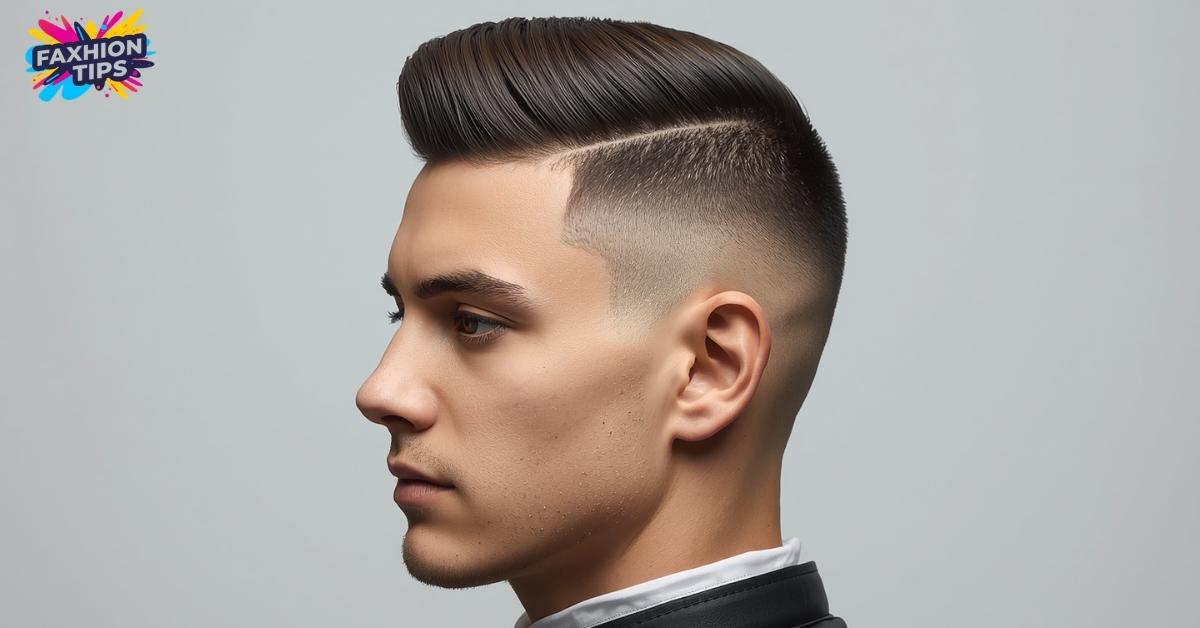
Everyone wants hair that looks good without trying too hard. The low taper fade middle part does exactly that. It’s sharp on the sides, relaxed on top, and somehow works for almost every guy who tries it. No wonder it’s taking over barbershops in 2026.
But here’s what most people don’t tell you. Getting this look right isn’t just about sitting in the barber’s chair and hoping for the best. It’s about knowing what suits your face, what to ask for, and how to keep it fresh at home. This guide covers all of that. By the end, you’ll know exactly what to do and why this cut deserves a permanent spot in your grooming routine.
What Exactly Is a Low Taper Fade Middle Part?
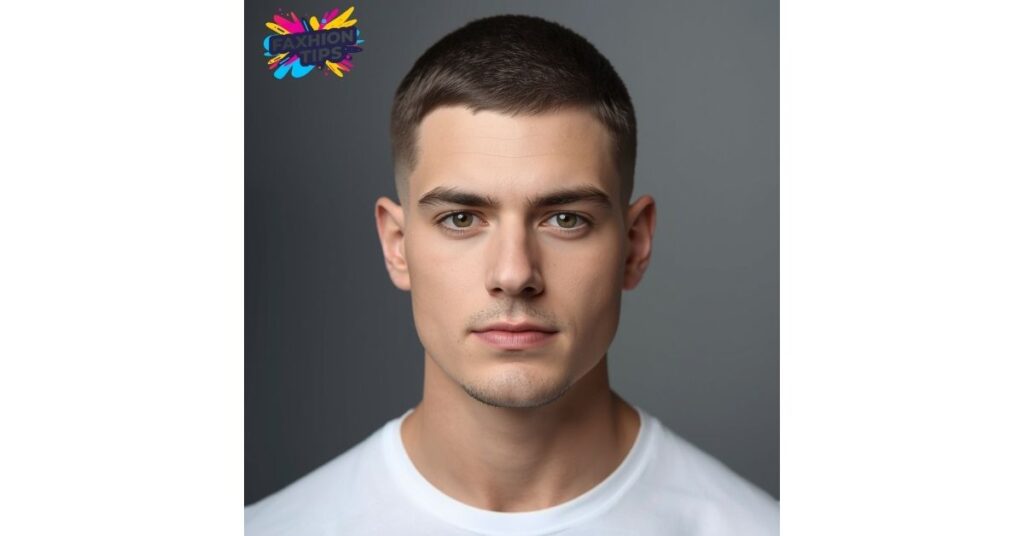
You’ve probably seen it everywhere lately. On your favorite athlete, on that guy at the coffee shop whose hair just looks effortlessly put together. That’s the low taper fade middle part, and it’s not going anywhere in 2026.
So what makes it tick? The low taper fade starts just above the ears and gradually blends the hair down toward the neckline. It’s subtle. It’s clean. It doesn’t scream for attention, but it gets it anyway. The middle part is exactly what it sounds like. Your hair is divided down the center of your scalp, letting both sides fall naturally with equal flow and symmetry.
Together, they create something really special. The structured fade at the sides grounds the look, while the middle part on top gives it movement and personality. It’s a balance between sharp and relaxed, and that contrast is exactly why men are obsessed with it right now.
This isn’t a high-maintenance runway look either. It fits real life. Whether you’re heading into a board meeting or grabbing brunch on a Sunday, this cut adapts without much effort from you.
The Evolution: From ’90s Throwback to 2026 Essential
Here’s the thing about the middle part. It never really left. It just took a long nap and came back with better grooming habits.
In the 1990s, the middle part was everywhere. Think frosted tips, curtain hairstyles on boy band members, and that floppy, carefree energy that defined the decade. Then the side part swooped in and dominated for years. Men shifted toward slicker, more polished looks, and the middle part got shelved.
Fast forward to now, and it’s back in a completely refreshed form. The modern version pairs that nostalgic center split with the clean precision of a low fade. The result feels both familiar and current. It honors where it came from without being stuck there.
The curtain hairstyle for men, which falls on either side of a center part like two soft panels of fabric, has become one of the most requested cuts globally. Add a low taper to that, and you’ve got a look that feels intentional and effortless at the same time. That combo is what makes it a 2026 essential rather than just a passing trend.
Who Does the Low Taper Fade Middle Part Suit Best?
Short answer? Most people. Long answer? Let’s break it down properly.
Ideal Face Shapes
If you have an oval face, consider yourself lucky. Almost every haircut works well, and this one is no exception. The symmetry of the middle part complements the balanced proportions of an oval face naturally.
For those with a square or rectangular face, the low taper fade middle part is genuinely flattering. The soft, flowing top hair adds a gentle roundness that counterbalances a strong jaw or wide forehead. It takes a bit of the rigidity out of sharper features without hiding them.
Round faces can absolutely pull this off too. The key is keeping the top section with enough length and volume. A bit of height in the middle part hairstyle for men helps elongate the face visually. Just avoid going too short on top or keeping the hair too flat.
Heart-shaped faces with a broader forehead and narrower chin do well here too. The low fade keeps things tidy around the sides while the middle part draws the eye inward rather than widening an already broad forehead.
Hair Types That Thrive
Straight hair and this cut are basically best friends. The hair falls clean and even, making the middle part crisp and defined. Styling takes minutes.
Wavy hair brings something extra to the table. A wavy hair middle part has this natural bounce and texture that gives the look real character. The waves frame the face in a way that straight hair simply can’t replicate.
Curly hair works beautifully here too, though it requires a bit more intentional styling. A curly taper fade haircut with a center part creates volume and shape that looks genuinely striking. The curls add dimension and personality to every single strand.
Even if you have thin hair, don’t count yourself out. With the right product and a bit of technique, you can absolutely add volume to a middle part for men. A lightweight mousse or texturizing spray can make a real difference.
How to Ask Your Barber for the Perfect Low Taper Fade Middle Part
Walking into a barbershop and knowing exactly what to say is half the battle. Here’s how to do it confidently.
Start by telling your barber you want a low taper fade. Specify that the fade should begin just above the ears and blend smoothly down to the natural hairline. Mention that you don’t want a skin fade, since a low taper keeps some hair intact rather than fading to bare skin. This distinction matters.
For the top, explain that you want enough length to part your hair down the middle and let it fall naturally on both sides. If you’re after the curtain hairstyle look, say that specifically. Show a reference photo if words feel uncertain. Barbers genuinely appreciate visual clarity because it removes guesswork entirely.
Ask for texture if you want movement rather than a flat, stiff finish. Mention your hair type so your barber can adjust the technique accordingly. If you have wavy or curly hair, a skilled barber will know how to work with your natural pattern rather than fighting it.
Also ask about how often you should come back for maintenance. A low taper fade haircut typically needs a refresh every three to four weeks to stay sharp. The fade can start looking overgrown faster than the top, so keeping to a schedule matters more than people realize.
Step-by-Step: Styling Your Low Taper Fade Middle Part at Home
You don’t need a professional blowout every morning. With a few solid habits, you can nail this look on your own.
- Start with damp hair, not soaking wet. Towel dry after your shower until the hair is just slightly moist. This is the ideal state for styling because products distribute evenly and the hair holds direction more cooperatively.
- Apply a small amount of your chosen styling product, working it through the mid-lengths and ends. For a natural flow hairstyle, a light cream or sea salt spray is ideal. If you want more hold, a medium-hold pomade works well without making the hair look stiff or greasy.
- Part your hair down the center using a fine-tooth comb. Run the comb from the front hairline straight back, or from front to back at whatever point feels most natural on your scalp. Don’t overthink it. Your hair usually has a natural division point that you can follow.
- Use a blow dryer on medium heat to set the part and encourage the hair to fall to each side. A round brush or your fingers work well here. You’re not aiming for perfection. You’re aiming for that relaxed, effortless drop that makes this style look so good.
Finish with a light-hold spray or a tiny touch of hair oil to tame any flyaways and add a subtle sheen. Step back, check both sides, and you’re done.
Top Trending Styles to Elevate Your Low Taper Fade Middle Part
Messy Flow Middle Part

This one leans into imperfection on purpose. Hair is styled loosely with fingers rather than combed into place. The result is a lived-in, relaxed look that feels genuinely effortless. It pairs well with a low fade because the contrast between the clean sides and the tousled top creates visual interest without trying too hard.
Blowout Low Taper
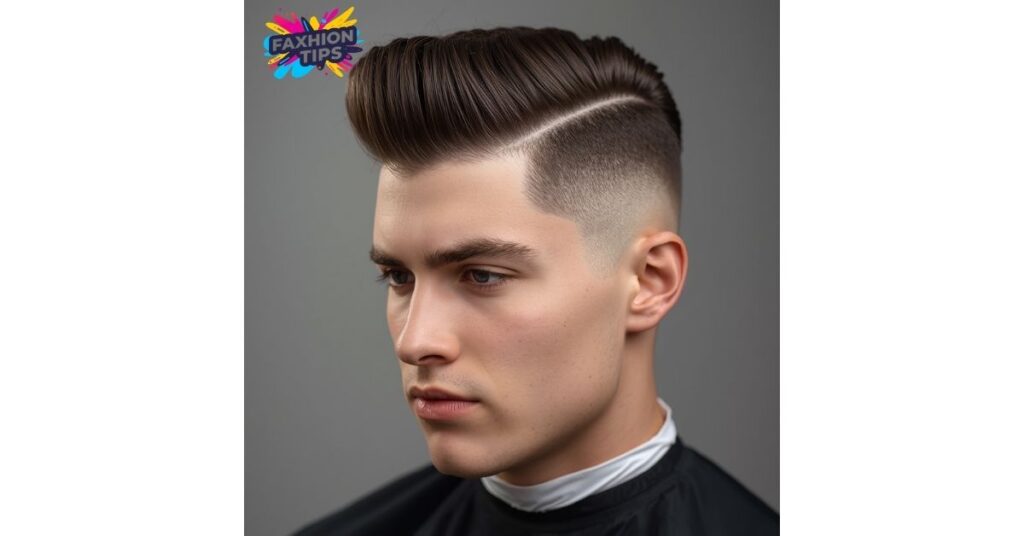
If you want volume, this is your move. The hair on top is blown out and lifted slightly at the roots before being parted down the middle. The extra height adds dimension and makes the middle part feel more dramatic. It works especially well for men with thinner hair who want a fuller appearance.
Textured with Highlights
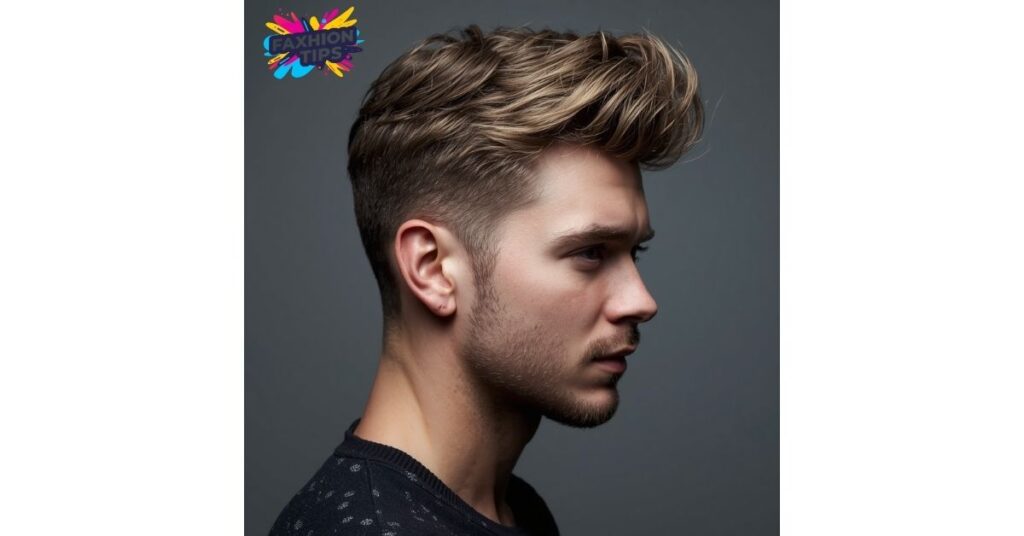
Adding some color into a textured men’s hairstyle takes it to a completely different level. Subtle highlights or a face-framing tint draw attention to the movement in the hair. The texture created by the cut itself catches the light differently in different sections, which makes the whole style look intentionally crafted.
Curtains with Beard Fade
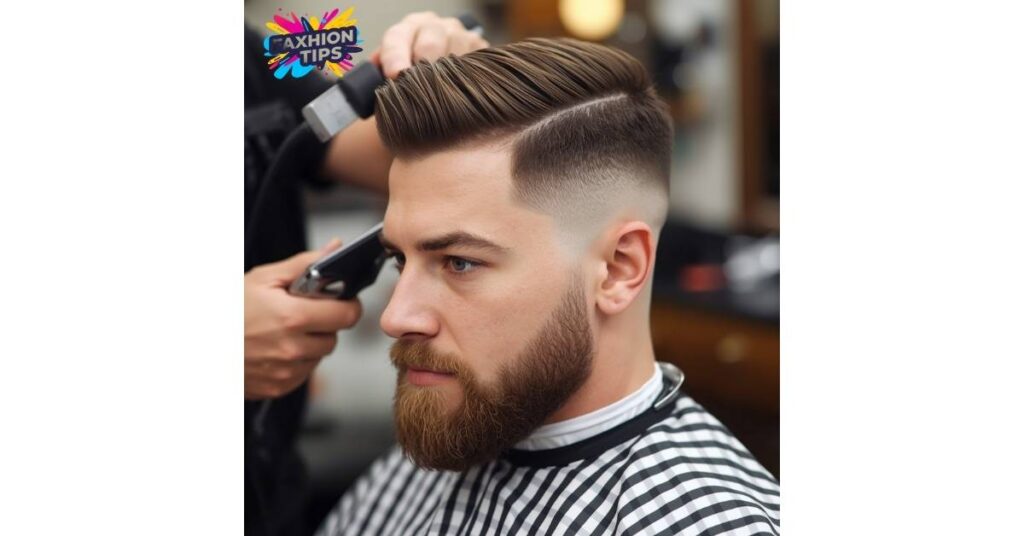
This combination is genuinely powerful. The curtain hairstyle on top flows down and meets a well-groomed beard that’s been faded to complement the low taper. When the haircut and beard fade connect cleanly at the sideburns, the entire look reads as cohesive and polished. It’s one of the most requested styles at barbershops right now for good reason.
Short Low Taper Middle
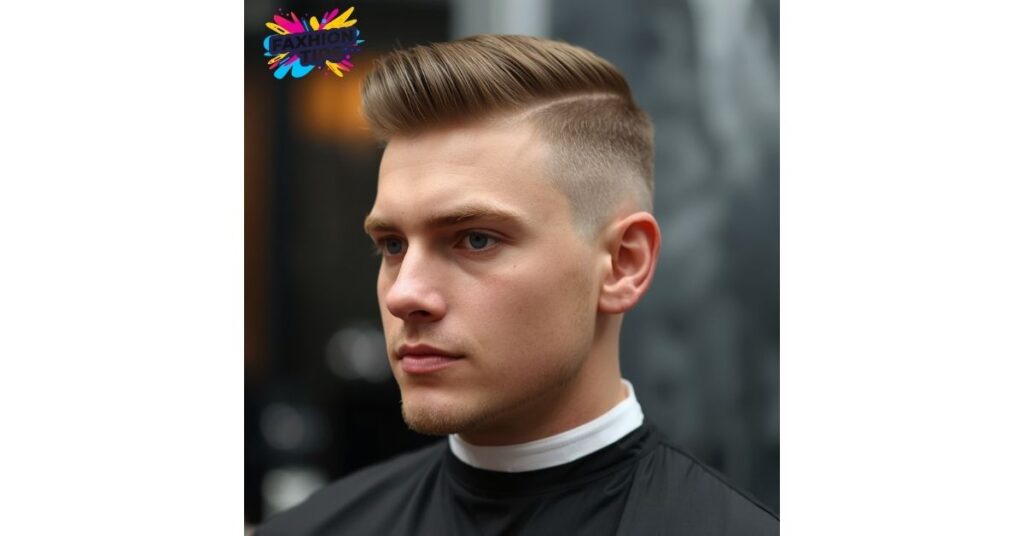
Not everyone wants length. A shorter version of this style keeps the top trim, maybe two to three inches, while still maintaining the center part. The look is neat, low maintenance, and surprisingly versatile. It works in professional settings and casual ones with equal ease.
Wolf Cut Fusion
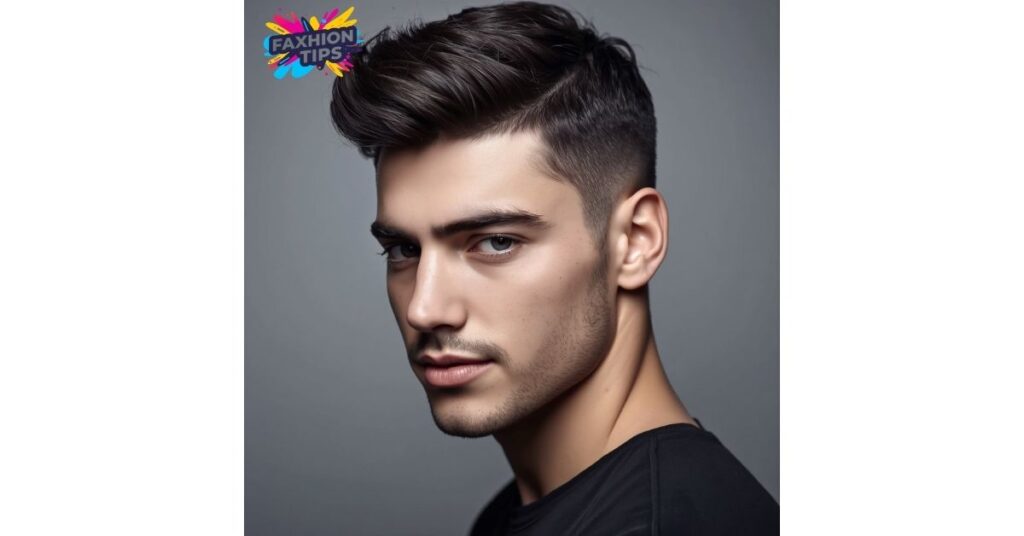
The wolf cut brings layered, shaggy energy into the mix. When fused with a low taper and center part, it creates a layered men’s haircut that feels textured and modern. The longer layers around the face add movement, while the fade keeps the sides from getting too heavy.
Celebrity Inspirations: Stars Rocking the Low Taper Fade Middle Part
You only need to look at pop culture to understand why this style has taken off the way it has.
Timothée Chalamet has arguably done more for the middle part than any other public figure in recent memory. His textured, flowing center part became a reference photo staple in barbershops worldwide. The way his hair frames his face while maintaining that effortless drop is a masterclass in the curtain hairstyle done right.
Harry Styles brought the middle part back into mainstream masculinity with a confidence that made it feel like a bold choice rather than a nostalgic throwback. His version tends to be slightly longer and wavier, showing how well this cut works on wavy hair with natural movement.
Noah Beck and other social media personalities have made the blowout version of this style extremely popular with younger audiences. The camera loves the way volume and a center part interact, and that exposure has pushed the look further into everyday conversations about men’s grooming trends.
Even athletes like Lamine Yamal have been spotted with variations of this cut, proving that it translates across different hair types and lifestyles.
Pros and Cons: Is It Right for Your Lifestyle?
The Wins
It suits a wide range of face shapes and hair types. It’s versatile enough for both casual and formal settings. The styling routine is quick once you get the hang of it. It photographs exceptionally well. It’s a genuinely timeless look with modern execution.
The Drawbacks
It requires regular barber visits to keep the fade sharp. Fine or very thin hair may struggle to hold the part without product. Very thick or coarse hair might need additional product to stay in place. In humid conditions, the style can lose its shape faster than other cuts.
Maintenance Mastery: Keep Your Cut Looking Fresh
The fade is the part that ages fastest. Without upkeep, the clean gradient starts to blend into a general shortness that loses its definition within weeks. Booking your trim every three to four weeks keeps the low taper fade haircut looking intentional rather than grown out.
Between visits, a good cleansing and conditioning routine matters more than most men realize. Washing two to three times a week with a quality shampoo keeps the scalp healthy and the hair manageable. Over-washing strips natural oils and makes styling harder. Under-washing makes the hair heavy and harder to part cleanly.
A scalp massage during washing improves circulation and encourages healthy hair growth, which matters especially at the temples and neckline where the fade lives.
Deep condition every couple of weeks if your hair tends toward dryness. This keeps the mid-lengths soft and cooperative, which makes achieving that natural fall in the middle part significantly easier.
Must-Have Products for Low Taper Fade Middle Part Perfection
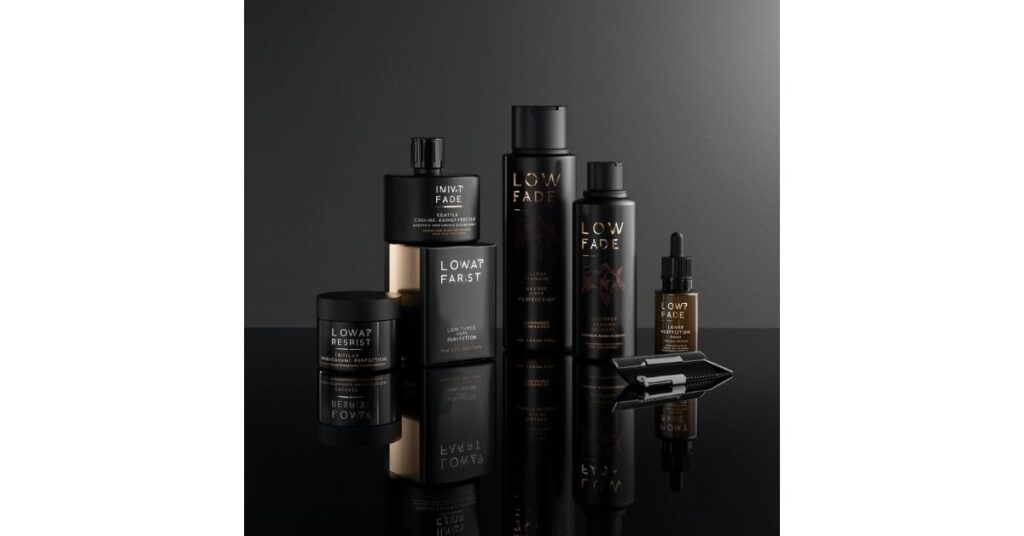
The right product stack transforms a good cut into a great one. Here’s what actually works.
A sea salt spray is your go-to for texture and natural movement. Spritz it on damp hair before styling and it adds grip and definition without weight. It’s especially good for wavy hair and anyone chasing that effortless, beach-dried finish.
A light to medium hold pomade gives structure without rigidity. Apply a pea-sized amount to dry or slightly damp hair and work it through the lengths. It keeps the middle part defined while allowing the hair to move naturally throughout the day.
Hair oil or a finishing serum adds shine and tames flyaways at the end of your routine. A single drop warmed between your palms and smoothed lightly over the surface of the hair makes a noticeable difference, especially under lighting.
A heat protectant is non-negotiable if you’re using a blow dryer regularly. It prevents long-term damage to the hair shaft, keeping the texture healthy and the hair looking full rather than brittle.
Common Pitfalls: Mistakes to Dodge for Flawless Results
One of the most common mistakes is asking for too high a fade. A mid or high fade completely changes the character of this style. The low taper is what gives it that understated, refined quality. Going too high makes it feel harsher and less balanced with a longer top.
Another frequent error is using too much product. Heavy waxes or stiff gels weigh the hair down and prevent it from flowing naturally. The middle part loses its movement when the hair is plastered in place. Less is almost always more here.
Neglecting the part itself is surprisingly common. If the center line is off or uneven, the whole look suffers. Take a moment with a fine-tooth comb to establish a clean, consistent part before finishing your style.
Skipping heat protection while blow-drying regularly leads to dull, brittle hair over time. Healthy hair holds styles better and looks better under any conditions.
Finally, waiting too long between barber visits is perhaps the biggest mistake of all. A low taper fade that hasn’t been touched in six or seven weeks doesn’t look like a low taper fade anymore. It looks like a haircut that forgot itself.
FAQ’s
What is the difference between a low taper and a mid taper fade?
A low taper fade starts just above the ear and blends close to the natural hairline. A mid taper begins higher up, around the temple area, creating a more dramatic contrast between the sides and top.
Can I get a middle part with thin hair?
Yes, you can. Use a lightweight volumizing mousse or texturizing spray to build body. Keeping the top section at a medium length helps the part hold without looking flat.
How often should I trim a low taper fade?
Every three to four weeks is ideal. The fade loses its clean gradient quickly, so regular maintenance keeps the look sharp and intentional.
What should I tell my barber for a low taper fade middle part?
Ask for a low taper fade starting just above the ears, blending to the natural hairline. Request enough length on top to part down the center and fall naturally to both sides. Show a reference photo if needed.
Is the low taper fade middle part good for curly hair?
Absolutely. Curly hair adds natural volume and texture to the style, making it look striking and full of personality. Ask your barber to work with your curl pattern rather than against it.
Conclusion
The low taper fade middle part is one of those rare styles that genuinely delivers on its promise. It’s clean without being cold, stylish without demanding effort, and versatile enough to move through different spaces in your life without skipping a beat.
Whether you’re just discovering it or looking to refine what you already have, the key is knowing your face shape, communicating clearly with your barber, and building a simple but consistent styling habit at home. The right products, the right upkeep schedule, and a cut that suits your natural hair type will do the heavy lifting for you.
This isn’t just a trending haircut. In 2026, the low taper fade middle part has earned its place as a modern classic. And once you try it, you’ll understand exactly why.

Charlotte Aiden is the founder and editor of FaxhionTips.com, where he shares practical insights on the latest haircut trends, hairstyles, grooming tips, and hair care advice. Passionate about modern style and easy-to-follow beauty guidance, Charlotte creates well-researched content to help readers choose the best haircuts and maintain healthy, stylish hair with confidence.